


How to Refinish Wooden Adirondack Chairs: The Complete Guide
Weathered wood doesn’t mean worn-out charm—this guide shows you how to transform tired Adirondack chairs into rich, smooth, revived summer icons. Learn how to strip, sand, stain, and seal your chair with professional results that last season after season. Beautiful wood deserves a second life, and with the right finish, yours will shine again.

Step-by-Step DIY Refinishing for Wooden Adirondack Chairs
Bring tired Adirondack chairs back to life with this hands-on refinishing guide built for beginners and DIY makers. Learn how to sand, stain, paint, and seal wood to transform weathered, faded chairs into smooth, beautiful outdoor seating that shines under sunlight. With the right tools, patience, and care, restoration becomes a rewarding weekend project anyone can master.

The Best Way to Sand and Refinish Adirondack Chairs
Breath new life into faded Adirondack chairs with a refinishing process that feels as rewarding as the result. From sanding to final finish, this step-by-step guide shows how to revive wood, enhance grain, and create an outdoor chair you’ll be proud to showcase for seasons to come.

Refinishing Wooden Adirondack Chairs: Paint vs. Stain
Refinishing an Adirondack chair is more than a makeover—it’s a choice between bold protection and natural beauty. This guide explores paint versus stain, revealing how each finish performs, ages, and transforms your outdoor seating. Learn which option best fits your climate, lifestyle, and design vision while extending the life of your favorite wooden chairs.

How to Strip Old Paint From Wooden Adirondack Chairs
Peeling paint doesn’t mean your Adirondack chair is finished. Discover how to safely strip old layers, reveal beautiful wood grain, and properly prepare your chair for a stunning, long-lasting refinish. This guide walks you through proven techniques that protect the wood, restore comfort, and bring timeless character back to your outdoor space for many seasons to come.

The Best Stains for Refinishing Wooden Adirondack Chairs
The right stain can transform a weathered Adirondack chair into a stunning outdoor centerpiece. Explore the best stain types, colors, and finishes to protect wood, enhance grain, and extend the life of your chairs—while keeping their timeless comfort and character alive season after season.

How to Refinish Adirondack Chairs for a Smooth, Splinter-Free Finish
Bring your Adirondack chairs back to life with a flawless, splinter-free finish. This step-by-step guide walks you through sanding, sealing, staining, and protecting your outdoor furniture like a pro—so every seat feels as smooth as it looks and lasts for seasons to come.

The Best Tools for Refinishing Adirondack Chairs at Home
Bring your Adirondack chairs back to life with the right tools and a smart refinishing plan. From powerful sanders to precision scrapers and flawless finish applicators, this guide shows you how to restore beauty, strength, and weather protection—right at home. Turn worn, faded wood into a porch-ready masterpiece that feels brand new.

Refinishing Wooden Adirondack Chairs: Common Mistakes to Avoid
Refinishing wooden Adirondack chairs can transform faded patio classics into stunning outdoor showpieces—but only if you avoid the most common DIY mistakes. From sanding errors to finish failures, this guide reveals expert-backed strategies to restore beauty, protect against the elements, and achieve smooth, long-lasting results that look professionally done.

How to Refinish Adirondack Chairs in Farmhouse White Style
Give worn Adirondack chairs a clean farmhouse white finish with practical advice on prep, sanding, priming, painting, sealing, and styling for a relaxed porch-ready look.
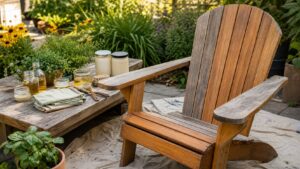
Refinishing Adirondack Chairs With Eco-Friendly Products
Explore a greener way to refinish Adirondack chairs using safer cleaners, low-VOC finishes, plant-based oils, careful sanding, reusable supplies, and longer-lasting maintenance habits.
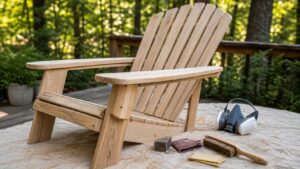
How to Sand Adirondack Chairs Before Refinishing
Learn how to sand Adirondack chairs before refinishing, from cleaning and grit selection to slat details, dust removal, safety, and final surface inspection.