


The Best Woods for Adirondack Chairs: Cedar, Teak, Pine & More
Adirondack chairs combine timeless comfort with natural beauty, but the wood you choose makes all the difference. From cedar’s rustic charm to teak’s unmatched durability, pine’s affordability to cypress’s resilience, each wood offers unique benefits. Explore the best materials for Adirondack chairs to find the perfect balance of style, strength, and longevity for porches, patios, and outdoor retreats.

How to Protect Wooden Adirondack Chairs from Weather Damage
Wooden Adirondack chairs bring timeless charm to porches and patios, but weather can take a toll. Sun, rain, and snow cause fading, warping, and rot if left unchecked. With smart care—sealing, cleaning, seasonal storage, and maintenance—you can protect your chairs and enjoy them for decades. Preserve their beauty, comfort, and tradition while creating lasting memories outdoors.

How Long Do Wood Adirondack Chairs Really Last?
How long do wood Adirondack chairs last? It depends on the wood, climate, and care. Cedar may last 20 years, pine closer to 10, and teak up to 50 with proper maintenance. Learn what affects lifespan and how to extend it, ensuring your chairs stay beautiful, durable, and timeless parts of your porch, patio, or garden for decades to come.

Wood vs. Plastic Adirondack Chairs: Which One Should You Choose?
Wood vs. plastic Adirondack chairs—each has unique strengths. Wood offers natural beauty and timeless tradition, while plastic delivers vibrant color and low maintenance. From cedar and teak to HDPE, your choice depends on lifestyle, climate, and design goals. Learn how to pick the perfect Adirondack chair for your outdoor retreat and enjoy comfort, durability, and style for years to come.

The Secret to Keeping Your Wooden Adirondack Chair Looking New
Wooden Adirondack chairs are timeless, but weather and wear can dull their beauty. The secret to keeping them looking new lies in consistent care—sealing, cleaning, shading, and seasonal protection. From cedar to teak, the right strategies preserve rich tones, strength, and comfort for decades. With simple maintenance, your Adirondack chair stays as inviting as the day you brought it home.

Painted vs. Natural Finish: Which Wood Adirondack Chair Style Wins?
Painted vs. natural finish Adirondack chairs—one offers bold colors and protection, the other highlights authentic grain and rustic charm. Which is right for you? Learn how each finish impacts durability, maintenance, and aesthetics so you can choose the perfect Adirondack chair for your outdoor retreat. Celebrate tradition or embrace creativity—either way, comfort and timeless design win every time.

How to Refinish an Old Wooden Adirondack Chair Like a Pro
Give your old wooden Adirondack chair a fresh start with pro-level refinishing. From stripping old paint to sanding, staining, or painting, this guide shows you how to restore beauty and durability step by step. With the right care, your chair can look brand new, resist weather damage, and continue as a timeless symbol of outdoor comfort for decades to come.

The Comfort Factor: Why Wood Adirondack Chairs Outshine Metal
Wood vs. metal Adirondack chairs—when it comes to comfort, wood always wins. From warmth and ergonomic support to timeless aesthetics, wooden Adirondack chairs offer a superior seating experience. Unlike metal, which overheats, chills, and rusts, wood adapts beautifully to the outdoors. Discover why wood remains the ultimate choice for lasting comfort and relaxation in your favorite outdoor spaces.

Budget vs. Premium: What You Get With Different Wood Types
From pine’s everyday practicality to walnut’s enduring elegance, the wood you choose shapes your furniture’s durability, style, and value. Budget options deliver affordability and adaptability, while premium woods promise richness, strength, and timelessness. Learn how to balance cost with performance, when to splurge, and when to save—so every project becomes a lasting story of design and craftsmanship.

Staining vs. Painting Your Adirondack Chair: Pros and Cons
Choosing between stain and paint can transform how your Adirondack chair looks, feels, and survives the seasons. This guide explores real-world pros and cons—from UV protection and maintenance schedules to color freedom and natural wood charm—helping you match the finish to your climate, lifestyle, and design vision so your favorite seat stays beautiful for years.
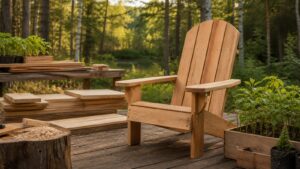
The Sustainability Factor: Eco-Friendly Wood Adirondack Chairs
A practical guide to the sustainability factor: eco-friendly wood adirondack chairs, including comfort, placement, materials, maintenance, style, and long-term outdoor performance.
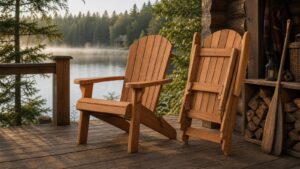
Folding Wood Adirondack Chairs: Portability Meets Tradition
A practical guide to folding wood adirondack chairs: portability meets tradition, including comfort, placement, materials, weather exposure, maintenance, and long-term outdoor value.