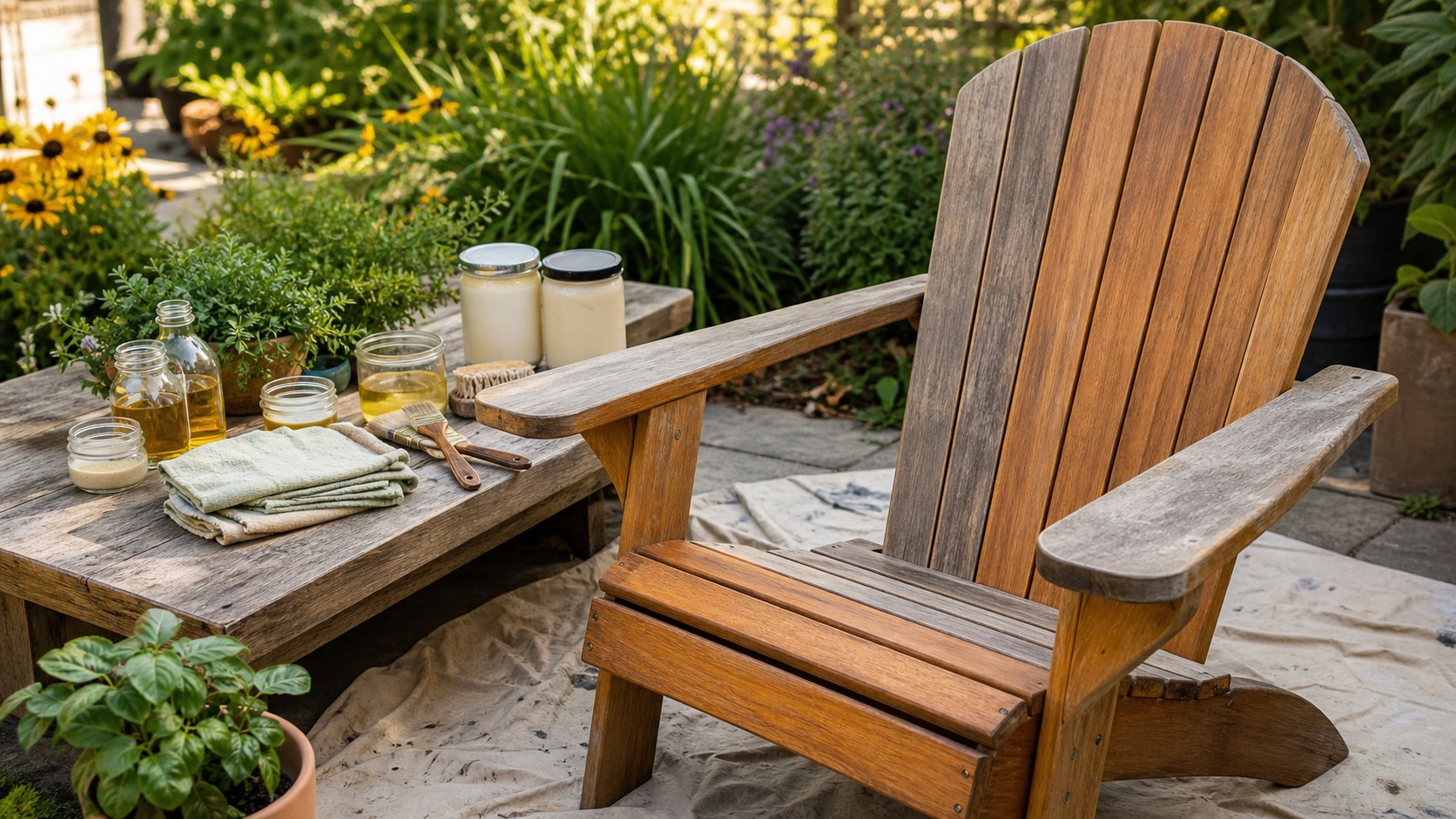
Wooden Adirondack chairs are outdoor icons—instantly recognizable, endlessly inviting, and deeply tied to relaxed living. Over time, however, exposure to sun, rain, humidity, and seasonal temperature shifts can leave even the best-built chairs looking tired. Refinishing is not just a cosmetic refresh; it’s a crucial step in protecting the wood, extending the life of the chair, and restoring its original charm. One of the most common questions homeowners face when refinishing Adirondack chairs is whether to use paint or stain. Both options can dramatically improve appearance and durability, yet they behave very differently once applied. The right choice depends on the wood species, the condition of the chair, the environment it lives in, and how much ongoing maintenance you’re willing to commit to. This guide explores the refinishing process in depth, explains the real-world differences between paint and stain, and helps you confidently choose the finish that fits your lifestyle, climate, and aesthetic goals.
A: Paint if you want bold color or to hide flaws; stain if you want visible grain and easier touch-ups as it fades.
A: Yes, but only after deep cleaning, sanding to a sound surface, and using a high-bond exterior primer to prevent adhesion failure.
A: Not effectively—stain needs exposed wood to soak in, so you’d need to strip/sand paint off first.
A: Skipping prep—coating over dirt, mildew, or flaking finish is the fastest route to peeling and blotches.
A: Almost always—primer improves bonding, blocks stains, and evens absorption so your topcoat performs.
A: Ease sharp edges, prime properly, and apply two full topcoats; edges are where films fail first.
A: It depends on sun and weather—expect more frequent maintenance in full sun; shade and seasonal storage extend life.
A: A quality exterior stain system is often simplest because it fades gradually and is easier to recoat than peeling paint.
A: Sand smooth, repair or replace damaged slats, and seal end grain—coating over failing wood won’t last.
A: Clean thoroughly, scuff-sand, spot-repair, then do a single stain refresh (or prime + paint if the surface is stable).
Why Refinishing Adirondack Chairs Matters
Wooden Adirondack chairs live outdoors, which means they are constantly battling moisture intrusion, ultraviolet radiation, fungal growth, and physical wear. Even rot-resistant woods eventually degrade if left unprotected. Refinishing acts as a protective barrier, slowing moisture absorption, minimizing UV damage, and preventing surface cracking.
Beyond protection, refinishing is a chance to reset the look of your outdoor space. A fresh finish can modernize a patio, unify mismatched seating, or revive chairs that still feel structurally sound but visually worn. Done correctly, refinishing can add many years to the lifespan of your chairs, making it one of the most cost-effective outdoor furniture upgrades.
Understanding the Wood Beneath the Finish
Before choosing paint or stain, it’s important to understand what kind of wood your Adirondack chairs are made from. Different species interact with finishes in very different ways.
Softwoods like pine and fir absorb finishes unevenly and are more prone to swelling, cracking, and rot. They benefit from strong surface protection and often perform better with paint. Cedar and redwood naturally resist insects and decay, making them excellent candidates for stain, especially when the grain is attractive. Hardwoods such as teak, eucalyptus, or acacia are dense and oily, requiring special preparation but rewarding careful refinishing with long-lasting beauty.
The age and condition of the wood also matter. Deep cracks, old paint layers, or areas of rot may push the decision toward paint, which can conceal imperfections more effectively than stain.
The Basics of Refinishing Wooden Adirondack Chairs
Refinishing is not just about applying a new coating. It’s a process that begins with evaluation and preparation. Old finishes must be removed or stabilized, loose fibers sanded smooth, and dirt, mildew, and oils thoroughly cleaned away. Skipping preparation often leads to peeling paint, blotchy stain, or premature failure. A properly prepped surface allows either finish to bond effectively and perform as intended. Drying time is equally important. Wood should be completely dry before refinishing, as trapped moisture can cause bubbling, flaking, or discoloration over time. Refinishing should always be done during a stretch of dry, mild weather for best results.
What Paint Does Best on Adirondack Chairs
Paint forms an opaque film that sits on top of the wood, creating a strong barrier against moisture and sunlight. This surface-level protection is one of paint’s biggest advantages, particularly in harsh climates.
Paint excels at hiding flaws. Knots, stains, uneven coloration, and repaired areas disappear under a uniform coat, allowing older or lower-grade wood chairs to look new again. For homeowners seeking a polished, consistent appearance, paint offers unmatched visual control.
Color flexibility is another benefit. Paint opens the door to bold hues, coastal whites, classic blacks, or modern neutrals that align perfectly with exterior décor. It also allows you to change styles over time without worrying about the underlying wood tone.
Limitations and Maintenance Realities of Painted Chairs
While paint provides excellent surface protection, it is not maintenance-free. Over time, painted Adirondack chairs can chip, crack, or peel, especially where boards flex or water penetrates seams. Once paint begins to fail, it often does so visibly. Small cracks can allow moisture underneath the film, leading to widespread peeling. Repairs typically require scraping, sanding, priming, and repainting affected areas. Painted chairs also obscure the natural beauty of wood. For those who value grain patterns and organic texture, paint may feel too artificial or heavy.
How Stain Works on Wooden Adirondack Chairs
Stain behaves differently than paint by penetrating into the wood rather than sitting on top of it. This absorption allows the wood to breathe and move naturally with temperature and humidity changes.
Stain enhances rather than hides the grain, making it ideal for high-quality woods like cedar, teak, and redwood. The result feels more organic, rustic, and connected to nature—qualities that pair perfectly with the Adirondack style.
Because stain does not form a thick surface film, it tends to fade gradually rather than peel. This makes maintenance more forgiving, as reapplication often requires only cleaning and light sanding rather than full stripping.
The Drawbacks of Stain in Outdoor Environments
Stain does not provide the same level of surface protection as paint. While it slows moisture absorption and UV damage, it does not completely block them. In wet or high-sun environments, stained chairs may need more frequent reapplication. Color options are also more limited. While stains range from transparent to semi-solid, they always allow some of the wood’s natural tone to show through. This can make it difficult to achieve highly specific or uniform colors. Stain also reveals imperfections. Cracks, patches, and mismatched boards remain visible, which may be undesirable for heavily weathered or repaired chairs.
Comparing Durability: Paint vs. Stain
Durability is one of the most important factors when choosing a finish. Paint typically lasts longer between full refinishing cycles, often five to ten years depending on exposure and quality of application. However, when it fails, it requires more intensive repair.
Stain usually needs refreshing every two to four years, especially in sunny or wet climates. That said, maintenance is simpler and less labor-intensive, making stain appealing for homeowners who prefer lighter, more frequent upkeep.
Ultimately, durability is not just about longevity but also about how the finish ages. Paint fails dramatically; stain fades quietly.
Climate Considerations That Influence Your Choice
Climate plays a major role in determining whether paint or stain is the better option.
In humid or rainy regions, paint offers superior moisture resistance but must be meticulously applied to prevent water infiltration at seams. In hot, sunny climates, UV exposure can cause paint to crack and fade, while stain allows wood to expand and contract more naturally.
Cold climates with freeze-thaw cycles can be tough on paint films, making stain a more forgiving choice for seasonal outdoor furniture. Coastal environments introduce salt air and high humidity, often favoring stain for easier maintenance and reduced peeling risk.
Visual Style and Outdoor Design Impact
Painted Adirondack chairs often feel more formal and intentional. They work beautifully in curated outdoor spaces, coastal designs, or modern patios where color coordination matters. Stained chairs lean toward a relaxed, natural aesthetic. They blend seamlessly into garden settings, wooded landscapes, and rustic or traditional environments. Over time, stained chairs develop character rather than showing wear as damage. Your choice should align with the mood you want your outdoor space to convey—polished and bold, or organic and timeless.
Environmental and Sustainability Considerations
Stain is often considered the more environmentally friendly option, especially when water-based formulas are used. It typically requires less product over time and allows wood to age naturally rather than trapping moisture beneath a coating.
Paint, while durable, can contribute to waste through scraping and stripping during refinishing. However, high-quality, low-VOC paints have improved significantly in environmental performance and longevity.
Choosing responsibly sourced wood and maintaining it properly—regardless of finish—is one of the most sustainable practices of all.
Preparation Differences for Paint and Stain
Preparation is critical for both finishes but differs slightly.
Paint requires thorough sanding, removal of old coatings, and the use of primer to ensure adhesion and color consistency. Any remaining loose fibers or contaminants can cause failure.
Stain preparation focuses on even absorption. Over-sanding can reduce penetration, while uneven cleaning can lead to blotching. Testing stain on a hidden area is especially important to preview final color.
In both cases, attention to preparation determines the success of the final result far more than the brand of finish used.
Long-Term Maintenance Expectations
Painted Adirondack chairs demand vigilance. Small chips should be touched up promptly to prevent moisture infiltration. Periodic cleaning extends the life of the paint film. Stained chairs benefit from annual cleaning and inspection. Reapplying stain before the wood becomes dry or gray helps maintain protection with minimal effort. Neither option is maintenance-free, but stain generally offers a lower-stress maintenance cycle.
Common Mistakes to Avoid When Refinishing
Applying finish to damp wood is one of the most common and damaging mistakes. Rushing drying time almost guarantees premature failure.
Another frequent error is choosing a finish based solely on appearance without considering climate and usage. A stunning painted chair may struggle in a damp, shaded garden, while a lightly stained chair may suffer in direct desert sun without proper care.
Skipping testing, ignoring manufacturer instructions, and underestimating preparation time are also common pitfalls that compromise results.
Making the Right Choice for Your Adirondack Chairs
The decision between paint and stain is not about which is better universally, but which is better for your specific situation. Paint is ideal for older chairs, softwoods, bold design goals, and environments where maximum surface protection is needed. Stain shines when natural beauty matters, maintenance simplicity is preferred, and the wood itself deserves to be seen. Understanding how each finish behaves over time allows you to choose confidently, knowing what to expect not just next season, but years down the line.
Protecting Comfort, Craft, and Character
Refinishing wooden Adirondack chairs is both a practical investment and a creative opportunity. Whether you choose paint or stain, the goal is the same: preserving comfort, craftsmanship, and character.
With thoughtful preparation, realistic expectations, and the right finish for your environment, your Adirondack chairs can remain a welcoming retreat for many seasons to come—weathered gracefully or boldly renewed, but always ready for one more sunset.