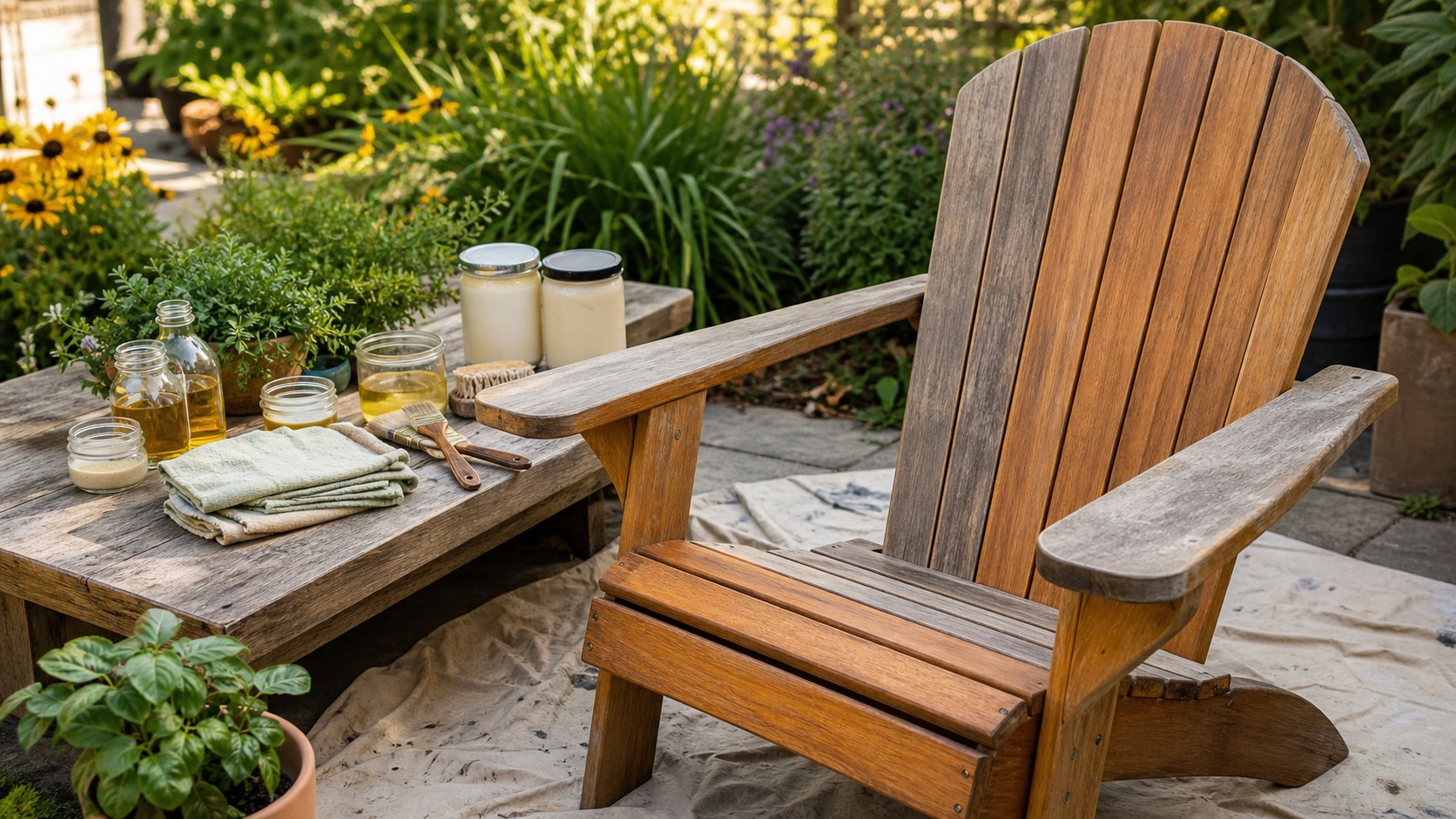
Refinishing wooden Adirondack chairs is one of the most satisfying home improvement projects you can take on. Few outdoor furniture pieces are as iconic as the Adirondack chair, originally designed in the early 1900s in the Adirondack Mountains of New York. Its wide armrests, slanted seat, and relaxed backrest create a silhouette that signals summer afternoons, lakeside sunsets, and front-porch conversations. But refinishing these chairs is not as simple as brushing on a fresh coat of paint or stain. Many well-meaning DIYers rush the process, skip essential preparation steps, or choose the wrong products, only to end up with peeling finishes, blotchy color, rough surfaces, or even structural damage. The good news is that most refinishing problems are entirely preventable. With the right approach, tools, and patience, you can restore your wooden Adirondack chairs to a smooth, durable, splinter-free finish that lasts for years. This comprehensive guide explores the most common mistakes to avoid when refinishing wooden Adirondack chairs, along with professional insights to help you achieve a beautiful, weather-resistant result.
A: If you want speed and consistency, yes—hand sanding is doable, but it’s much slower on broad arms and seats.
A: Start at 60–80 for peeling paint/old finish, then work up to 120 and finish at 180–220 for smoothness.
A: Scrapers are cleaner for flaking finish; gel stripper shines on grooves, corners, and thick layered paint.
A: It can help clean, but it can also fuzz wood fibers—plan to sand afterward if you want a smooth finish.
A: Vacuum thoroughly, wipe with microfiber, and let dust settle before coating; keep your brush/roller covered between coats.
A: A respirator is best for sanding old finishes and using solvents; it’s a small cost for a big comfort and safety upgrade.
A: Swap rusty screws/bolts for stainless or exterior-coated fasteners and re-seat holes with filler or epoxy if they’re loose.
A: Use a mini roller on flats for speed and an angled brush for slats/edges—together they look cleaner than either alone.
A: Use a sanding sponge or a round-over sanding block on edges; it’s quicker and more controlled than forcing an orbital into curves.
A: A detail sander (or a pack of contour sanding sponges) because Adirondack chairs are basically curves, slats, and tight corners.
Why Proper Refinishing Matters
Wooden Adirondack chairs are typically made from cedar, teak, acacia, eucalyptus, or pressure-treated pine. Each of these woods has unique characteristics, but all share one common challenge: exposure to the elements. Sunlight, rain, snow, humidity, and fluctuating temperatures gradually break down the protective finish and dry out the wood fibers.
When neglected, wood can crack, splinter, fade, mildew, or warp. Refinishing does more than improve appearance. It restores protection, seals the wood against moisture intrusion, and extends the chair’s lifespan. A properly refinished Adirondack chair can last decades. A poorly refinished one may need to be redone within a single season.
Avoiding common mistakes is the difference between a one-time success and an ongoing frustration.
Mistake #1: Skipping a Thorough Cleaning
One of the most common and damaging mistakes is applying a new finish over a dirty surface. Dirt, pollen, mildew, grease from hands, and remnants of old finish can prevent proper adhesion. Even if a chair looks clean, microscopic contaminants may still be embedded in the wood grain. Applying stain or paint over these contaminants can lead to peeling, uneven color, or bubbling. Before sanding or refinishing, wash the chair thoroughly with a mild wood cleaner or a mixture of warm water and gentle detergent. For mildew stains, use a diluted solution of white vinegar or a wood-safe mildew remover. Rinse completely and allow the chair to dry fully—often 24 to 48 hours depending on humidity levels. Moisture trapped in the wood is another hidden issue. Refinishing damp wood can lock in moisture, leading to blistering and finish failure.
Mistake #2: Not Removing the Old Finish Completely
If your Adirondack chair already has paint, stain, or a clear sealer, simply sanding lightly over it is often insufficient. Many people underestimate how much old finish remains in the grain, especially in corners, crevices, and between slats.
Incomplete removal can cause compatibility problems. For example, applying a penetrating oil stain over a sealed surface will not absorb properly. Similarly, applying a new water-based product over an old oil-based finish without proper preparation can cause adhesion issues.
Depending on the condition, you may need to use a chemical stripper, followed by scraping and sanding. For heavily weathered finishes, sanding down to bare wood ensures a fresh start. Pay special attention to armrest edges, seat slats, and back spindles, where finish often accumulates.
Mistake #3: Using the Wrong Sanding Technique
Sanding is not just about smoothing the surface. It prepares the wood for optimal finish absorption. However, sanding mistakes are extremely common. Using sandpaper that is too coarse can gouge the wood and create visible scratches. On the other hand, sanding with overly fine grit too early can burnish the surface, closing the pores and preventing stain from penetrating evenly. A proper sanding sequence typically begins with medium grit to remove imperfections and old finish, followed by finer grit to smooth the surface. Always sand in the direction of the wood grain to avoid cross-grain scratches that become more visible after staining. Neglecting edges is another common issue. Sharp corners should be slightly rounded during sanding. This helps paint or stain adhere better and reduces premature peeling.
Mistake #4: Ignoring Wood Type and Condition
Not all Adirondack chairs are created equal. Cedar, teak, and eucalyptus behave very differently under stain or paint.
Teak, for example, contains natural oils that resist moisture but can also interfere with certain finishes. Cedar is softer and more porous, which means it absorbs stain readily but can dent easily during sanding. Pressure-treated pine may require extended drying time before refinishing.
Failing to identify the wood species and adjust your finishing product accordingly often results in blotchy color or peeling.
If your chair has been exposed to severe weather, inspect it carefully for cracks, rot, or loose joints before refinishing. Cosmetic refinishing will not correct structural issues. Tighten screws, replace damaged slats, and repair cracks with exterior wood filler before applying any finish.
Mistake #5: Applying Finish in Poor Weather Conditions
Weather conditions significantly impact refinishing success. Many DIYers underestimate how much temperature and humidity matter.
Applying stain or paint in direct sunlight can cause the finish to dry too quickly, preventing proper absorption and leaving visible brush marks. Extremely high humidity can slow drying time and create a tacky surface. Cold temperatures can prevent proper curing.
Ideal refinishing conditions typically fall within moderate temperatures and low to moderate humidity. A shaded outdoor area or a well-ventilated garage works well.
Wind is another overlooked factor. Wind can blow debris onto wet surfaces, leaving particles embedded in the finish.
Mistake #6: Choosing the Wrong Finish
One of the biggest decisions when refinishing Adirondack chairs is whether to use paint, stain, oil, or a clear sealer. Paint offers bold color and strong UV protection but can peel if not properly applied. Stain enhances natural wood grain and typically penetrates deeper, reducing peeling risk. Clear sealers protect without altering color but may require more frequent maintenance. Using interior-grade products is a major mistake. Outdoor furniture requires exterior-rated finishes designed to withstand UV exposure and moisture. Another error is applying a glossy finish on a heavily weathered surface. High-gloss finishes highlight imperfections. Semi-transparent or satin finishes often provide a more forgiving, natural look.
Mistake #7: Applying Finish Too Thickly
When refinishing, more is not better. Thick coats of paint or stain may look efficient, but they often cause drips, uneven drying, and surface cracking.
Heavy coats trap solvents beneath the surface, leading to wrinkling or delayed curing. Thin, even coats are far more effective. Multiple light coats allow proper absorption and curing.
Between coats, lightly sanding with fine grit paper helps promote adhesion and smooth out imperfections. Skipping this step may result in visible texture buildup.
Mistake #8: Neglecting Hard-to-Reach Areas
Adirondack chairs have distinctive slatted backs and angled seats. These features create tight spaces that are easy to overlook. Failure to coat the underside of seat slats, the backs of support braces, or the bottoms of legs leaves exposed wood vulnerable to moisture. Water intrusion from beneath can undermine even the best topcoat. Take the time to lift, tilt, or partially disassemble the chair if necessary. Complete coverage ensures balanced protection.
Mistake #9: Rushing Drying and Curing Times
Drying time and curing time are not the same. A surface may feel dry to the touch within hours but still require days to fully cure. Placing cushions on a freshly refinished chair or exposing it to rain too soon can damage the finish permanently. Follow the manufacturer’s instructions carefully. Patience during curing is critical for durability.
Mistake #10: Failing to Maintain After Refinishing
Refinishing is not a one-time solution. Even the best finish will degrade over time. Neglecting regular cleaning and inspection shortens the lifespan of your refinishing work. Dirt and moisture accelerate wear. Annual light cleaning and occasional touch-ups can extend the life of the finish dramatically. Consider storing Adirondack chairs indoors during harsh winters or using breathable furniture covers.
Mistake #11: Overlooking Safety Precautions
Refinishing projects often involve sanding dust, chemical strippers, and solvent-based finishes. Failing to use protective gear can pose health risks. Wear safety glasses, gloves, and a dust mask when sanding. Ensure adequate ventilation when using stains or sealers. Proper disposal of oily rags is especially important, as they can spontaneously combust if improperly stored. Safety precautions are not optional—they protect both you and your workspace.
Mistake #12: Skipping Test Samples
Many homeowners commit to a finish color without testing it on the actual wood. Stain colors often appear different depending on wood species and grain. Testing a small hidden area ensures the final color meets expectations. This simple step can prevent disappointment after completing the entire chair.
Professional Tips for a Smooth, Splinter-Free Finish
Achieving a splinter-free surface requires attention to detail. After sanding, wipe down the chair with a tack cloth to remove dust. Consider lightly misting the surface with water to raise the grain, then sanding again with fine grit. This technique helps eliminate raised fibers before staining.
For painted finishes, using a high-quality brush or foam applicator reduces streaking. For stained finishes, wiping off excess promptly ensures even color.
Allow sufficient drying time between coats and avoid stacking chairs until fully cured.
Long-Term Care and Seasonal Protection
Refinished Adirondack chairs benefit from consistent maintenance. Gentle seasonal cleaning prevents buildup. Inspect joints and surfaces annually for early signs of wear. Reapplying a maintenance coat before complete failure is easier than stripping the chair again. Preventative care preserves both aesthetics and structural integrity.
Refinishing Done Right
Refinishing wooden Adirondack chairs is both an art and a science. The process demands patience, preparation, and attention to detail. Most failures stem from rushing, skipping steps, or misunderstanding how wood and finishes interact. By avoiding common mistakes—such as poor surface preparation, incorrect sanding, improper product choice, and rushed drying—you can transform weathered chairs into smooth, durable, and inviting outdoor furniture. When done correctly, refinishing not only restores beauty but protects your investment for years to come. Whether your chairs sit on a lakeside dock, a backyard patio, or a quiet front porch, proper refinishing ensures they remain comfortable, splinter-free, and ready for the next sunset.