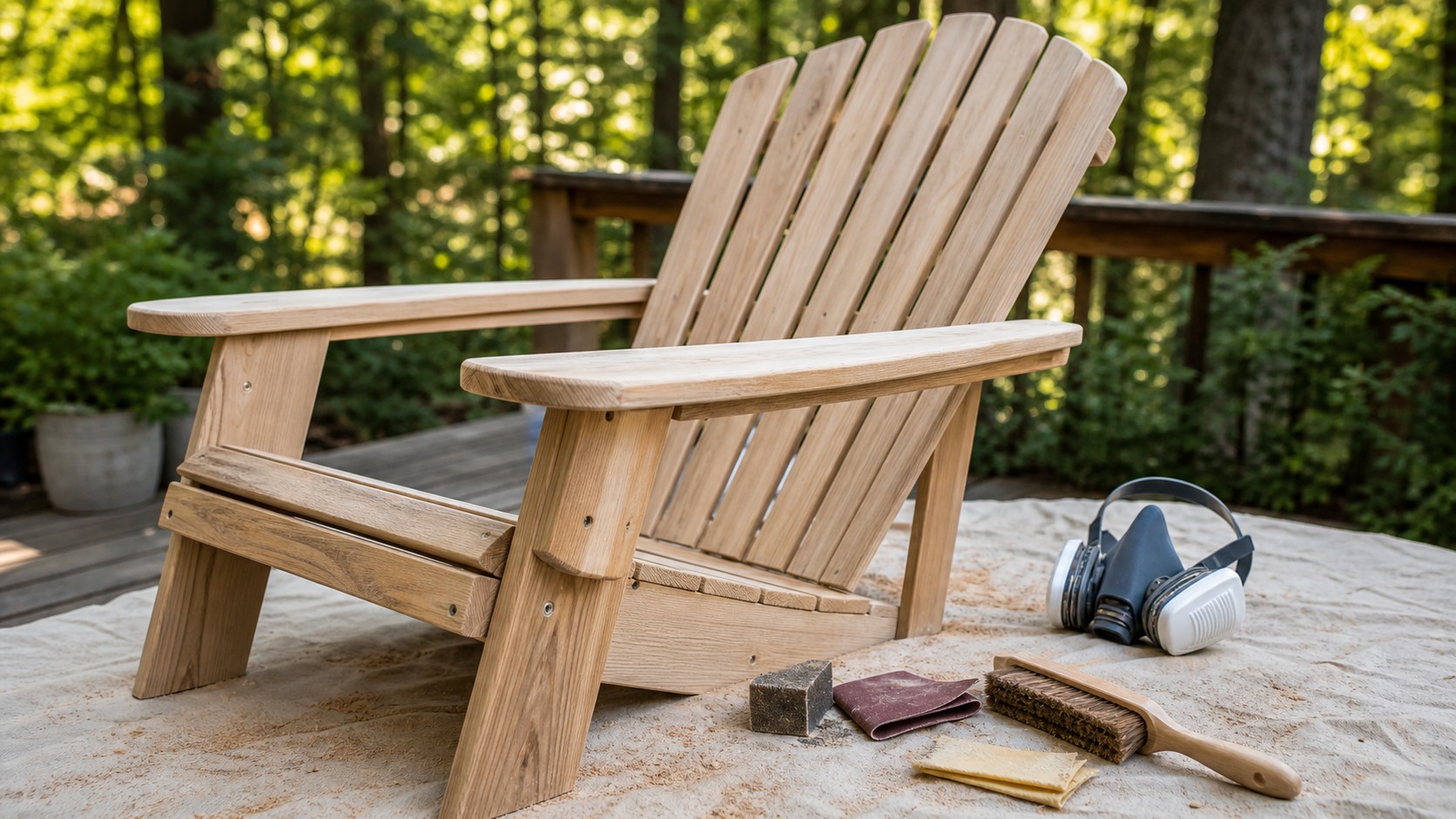
Refinishing a wooden Adirondack chair is one of those rare projects that blends craftsmanship, comfort, and creativity. These iconic chairs are built for slow afternoons, long conversations, and years of outdoor living—but exposure to sun, rain, and temperature swings can fade their beauty over time. Choosing the right stain isn’t just about color. It’s about protection, longevity, and preserving the character that makes Adirondack chairs so inviting. This guide walks you through everything you need to know about the best stains for refinishing wooden Adirondack chairs. From understanding wood types and stain chemistry to selecting finishes that balance durability with natural beauty, you’ll gain the confidence to choose a stain that performs beautifully and looks even better year after year.
A: Semi-solid and solid stains often last longer because more pigment blocks UV—assuming proper prep.
A: Yes if it’s sound (not peeling). Clean thoroughly, scuff sand, and recoat with the same type.
A: Not with transparent stains. After stripping/sanding, a solid stain can be a good paint-like alternative.
A: Usually no. Many clear coats can peel outdoors; choose a stain designed for exterior exposure.
A: Uneven absorption from old finish, sun damage, or patchy sanding—use conditioner (indoors) or choose semi-solid outdoors.
A: Work in small sections, keep a wet edge, and back-brush—especially in warm or breezy weather.
A: “Dry” can be hours, but cure can be longer—wait until it feels fully firm and non-tacky.
A: Mid-tones (cedar, walnut, weathered oak) hide dust and scuffs better than very dark or very pale tones.
A: It helps—especially the bottoms of legs and the underside of arms/seat edges where moisture lingers.
A: When water stops beading or color fades—often every 1–3 years depending on exposure and stain type.
Why Stain Matters More Than Paint for Adirondack Chairs
Stain and paint serve very different purposes, and Adirondack chairs tend to benefit more from stain in most outdoor environments. Paint forms a surface layer that can trap moisture beneath it. Over time, that moisture causes peeling, cracking, and flaking—especially on horizontal surfaces like wide chair arms and seats.
Stain, by contrast, penetrates the wood fibers. Instead of sealing the wood off completely, it allows the chair to breathe while still offering strong protection against UV rays, mildew, and moisture intrusion. The result is a finish that ages more gracefully and is far easier to refresh when wear eventually appears.
Stain also preserves the tactile appeal of wood. Adirondack chairs are meant to be touched, leaned into, and lived in. A stained finish enhances grain patterns rather than hiding them, giving each chair a unique, organic look that improves with time.
Understanding the Wood Before You Choose a Stain
Before selecting any stain, it’s essential to know what kind of wood your Adirondack chair is made from. Different woods absorb stain differently, and the best-performing products often depend on the chair’s original material. Cedar is one of the most common Adirondack chair woods. It naturally resists rot and insects and accepts stain beautifully. Cedar’s warm undertones come alive under transparent or semi-transparent stains, making it ideal for showcasing natural grain. Pine is more affordable but softer and more porous. It tends to absorb stain unevenly unless properly prepared. A penetrating oil-based stain or a conditioner-assisted water-based stain can help pine achieve a balanced finish. Teak and eucalyptus are dense hardwoods with natural oils. They require stains specifically designed for hardwoods or exterior furniture. Many owners opt for oil finishes that nourish the wood rather than traditional film-forming stains. Recycled or poly-wood chairs, while sometimes wood-like, do not accept stain at all. This guide applies specifically to natural wood Adirondack chairs.
The Main Types of Exterior Wood Stains Explained
Understanding stain types makes choosing the right one far easier. Each category offers a different balance of color depth, protection, and maintenance requirements.
Transparent stains provide minimal pigmentation while allowing the wood’s natural grain and color to dominate. They are ideal for new or lightly weathered chairs where the wood itself is attractive. However, they offer the least UV protection and typically require more frequent reapplication.
Semi-transparent stains strike a popular middle ground. They add noticeable color while still revealing wood grain. These stains provide stronger UV resistance and are often the best choice for Adirondack chairs exposed to moderate to heavy sunlight.
Semi-solid stains contain more pigment and mask some grain variation while still retaining a wood-like appearance. They’re excellent for older chairs with uneven coloration or mild weather damage.
Solid stains behave almost like paint but penetrate the surface rather than sitting entirely on top. They provide maximum UV protection and uniform color but hide most wood grain. Solid stains are often used when aesthetics take a backseat to longevity.
Oil-Based vs. Water-Based Stains: Which Is Better?
Oil-based stains have long been favored for outdoor furniture, and for good reason. They penetrate deeply into wood fibers, offering excellent moisture resistance and rich color depth. Oil-based stains are especially effective for Adirondack chairs made from cedar, pine, or hardwoods. They tend to wear away gradually rather than peel, making maintenance simpler. Water-based stains have improved dramatically in recent years. They dry faster, emit fewer odors, and clean up easily with soap and water. Modern water-based formulas offer strong UV protection and color stability, though they may not penetrate quite as deeply as oil-based options. For environmentally conscious projects or quicker refinishing timelines, water-based stains are a compelling option. Both types can deliver excellent results when matched to the right wood and environment.
Top Stain Brands Trusted for Adirondack Chairs
Several manufacturers consistently stand out for their performance, longevity, and ease of use on outdoor wood furniture.
Minwax offers penetrating oil-based stains that enhance grain while providing dependable weather resistance. Their exterior formulas are widely available and beginner-friendly.
Cabot is renowned for premium outdoor stains. Cabot’s semi-transparent and oil-based products are especially popular for Adirondack chairs exposed to full sun and coastal conditions.
Olympic produces durable stains designed for decks and furniture alike. Their formulas excel at resisting UV fading and moisture damage.
Varathane provides modern water-based and oil-based options with excellent color consistency, making them ideal for chairs that need a refreshed but natural look.
Behr offers solid and semi-solid stains that perform well in harsh climates, particularly for chairs that prioritize durability over visible grain.
Best Stain Colors for Adirondack Chairs
Color selection influences not only appearance but also how the chair ages over time. Natural tones remain the most popular for Adirondack chairs, as they blend effortlessly into outdoor settings.
Honey and golden oak tones brighten patios and decks while highlighting grain patterns. These shades work beautifully on cedar and pine.
Redwood and cedar tones deepen warmth and offer a classic, rustic feel. They are especially effective for traditional garden settings.
Gray and weathered driftwood shades have surged in popularity, giving Adirondack chairs a coastal or modern farmhouse aesthetic while masking minor imperfections.
Dark walnut and espresso tones provide a bold, dramatic look but absorb more heat. They’re best suited for shaded areas or cooler climates.
UV Protection: The Silent Hero of Long-Lasting Stains
Sunlight is one of the most damaging forces for outdoor furniture. UV rays break down lignin in wood, leading to graying, cracking, and surface degradation. High-quality exterior stains contain UV inhibitors that slow this process significantly. Semi-transparent and solid stains generally provide the strongest UV protection due to higher pigment levels. Oil-based stains also tend to outperform water-based versions in prolonged sun exposure, though modern formulas are narrowing that gap. If your Adirondack chairs sit in direct sunlight for most of the day, prioritizing UV resistance is essential for extending refinishing intervals.
Moisture Resistance and Mold Prevention
Outdoor chairs face constant moisture challenges—from rain and dew to humidity and spilled drinks. The best stains repel water while still allowing internal moisture to escape.
Penetrating oil-based stains excel here, as they reduce water absorption without forming a brittle surface film. Many premium stains also include mildewcides to prevent black spotting and surface mold, especially important in humid climates.
Proper application is just as important as product choice. Even the best stain will fail if applied to damp wood or during poor weather conditions.
How Many Coats Do Adirondack Chairs Really Need?
Most exterior stains are designed for one or two coats. Transparent and semi-transparent stains typically perform best with a single generous application, allowing excess to be wiped away for even penetration. Applying too many coats can create a sticky surface that attracts dirt and peels prematurely. Solid stains may require two thin coats for uniform coverage, especially on older chairs. Always follow manufacturer recommendations and let the wood—not the brush—guide how much stain it absorbs.
Preparing Your Chair for the Best Stain Results
Preparation determines how long your finish will last. Adirondack chairs should be thoroughly cleaned, stripped of failing finishes, and sanded smooth before staining.
A gentle wood cleaner removes dirt and mildew without damaging fibers. Sanding opens the grain, allowing stain to penetrate evenly. Sharp edges and wide armrests deserve special attention, as these areas experience the most wear.
Allow the chair to dry completely before staining. Moisture trapped beneath stain leads to blotching and premature failure.
Application Tips for a Professional Finish
Stain application should be deliberate and unhurried. Work in manageable sections, brushing with the grain and wiping away excess before it dries. Outdoor temperatures between 50°F and 85°F provide the best results. Avoid staining in direct sunlight, which causes rapid drying and lap marks. A shaded, well-ventilated area allows the stain to soak evenly and cure properly. Once applied, allow ample drying time before use. Even when dry to the touch, stains may need several days to fully cure.
How Often Should You Re-Stain Adirondack Chairs?
Maintenance schedules depend on exposure and stain type. Transparent stains may need refreshing every year, while semi-transparent stains often last two to three years. Solid stains can endure five years or more before requiring attention. Rather than waiting for complete failure, re-staining at the first signs of fading preserves the wood and simplifies upkeep.
Balancing Beauty, Protection, and Effort
The best stain for refinishing wooden Adirondack chairs is one that fits your environment, lifestyle, and aesthetic goals. For many homeowners, a high-quality semi-transparent oil-based stain offers the ideal balance of natural beauty, UV protection, and manageable maintenance.
Refinishing your Adirondack chairs isn’t just about extending their lifespan—it’s about renewing the invitation to relax. With the right stain, your chairs will continue to tell their story through rich color, visible grain, and years of comfortable outdoor living. A well-chosen stain doesn’t just protect wood. It preserves moments.