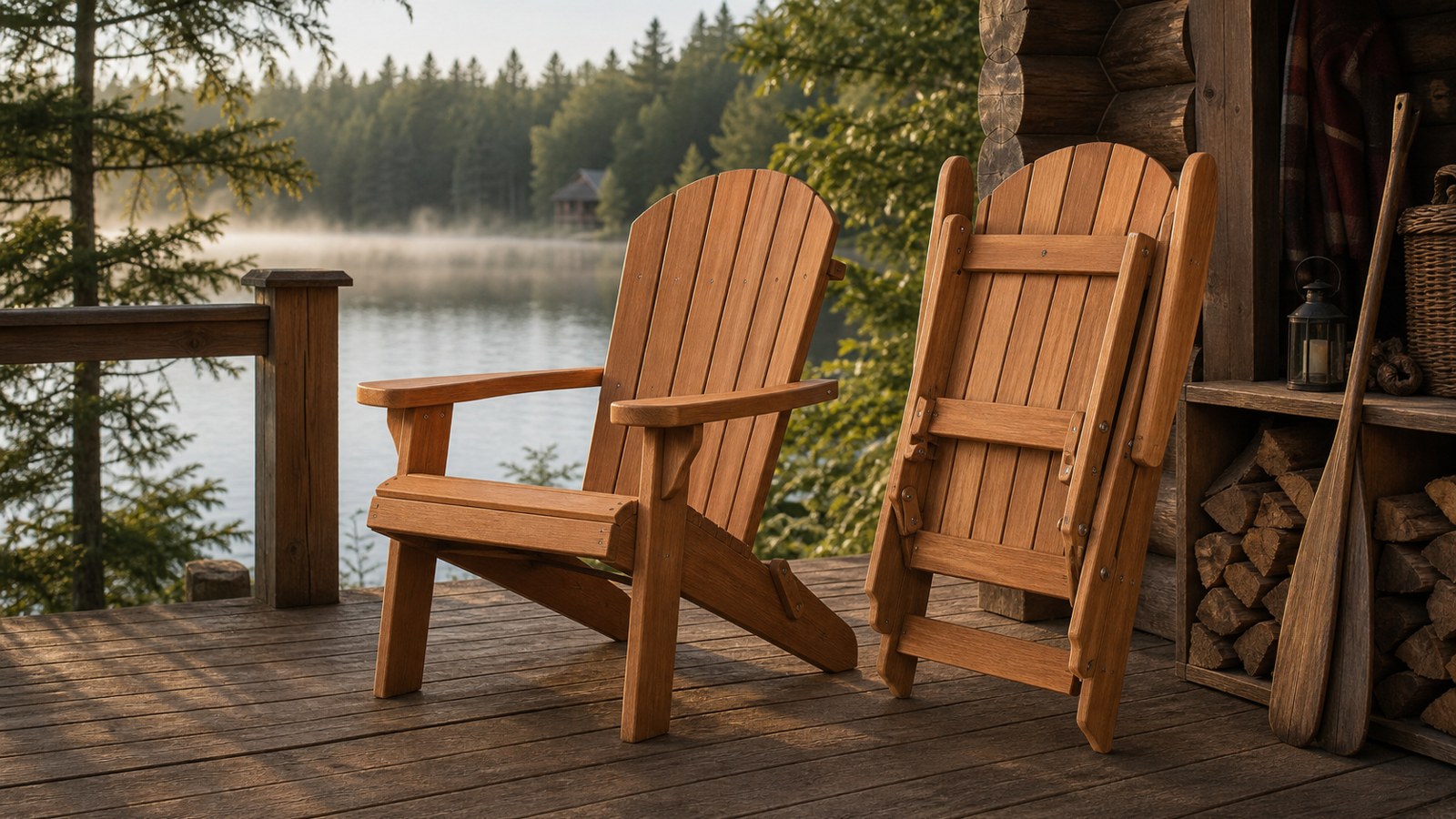
Adirondack chairs are more than outdoor furniture; they are symbols of relaxation, summer evenings, and slow conversations on the porch. Whether your chair is crafted from cedar, pine, teak, or recycled poly lumber, its finish plays a major role in how it looks, how it ages, and how much maintenance it will require over the years. One of the biggest decisions owners face is whether to stain or paint their Adirondack chair. Both approaches have passionate supporters, and both offer distinct advantages and drawbacks. Understanding these differences can help you choose the finish that matches your climate, lifestyle, and personal style.
A: A well-prepped paint job can last longer between recoats, but stain is easier to refresh when it fades.
A: Usually poor prep: moisture in wood, skipped primer, glossy surfaces not scuffed, or thick coats that don’t cure.
A: Yes—clean, sand, and prime properly so the paint bonds and tannins don’t bleed through.
A: Only after stripping paint to bare wood; stain needs to penetrate to work correctly.
A: Stain (or oil) is popular to highlight grain, but paint works if you use stain-blocking primer.
A: Sand evenly, clean dust thoroughly, and consider wood conditioner for softwoods like pine.
A: It’s paint-like in coverage, but it behaves more like stain in maintenance and typically peels less.
A: Many exterior stains include sealers; if adding a topcoat, confirm compatibility to prevent peeling or clouding.
A: Satin is a favorite: it hides wear better than gloss and cleans easier than flat finishes.
A: Plan on stain refreshes every 2–3 years in sun; paint may go 5+ years, depending on prep and exposure.
The Role of a Finish in Outdoor Furniture
Outdoor wood lives a challenging life. Sunlight breaks down fibers, rain swells the grain, and temperature swings cause constant expansion and contraction. A finish is not just decorative; it is the chair’s primary defense system. Without protection, even durable species like cedar or acacia will fade, crack, or develop mildew. Stain and paint approach this protection in very different ways. Stain penetrates into the wood, enhancing its natural character while allowing the grain to remain visible. Paint forms a surface film that seals the wood beneath a layer of color. The choice between them affects appearance, longevity, upkeep, and even how the chair feels to the touch.
Understanding Wood Stain
Wood stain is often described as a translucent coat that colors without hiding. It soaks into the fibers rather than sitting on top, which means the texture and personality of the wood remain part of the design. Stains come in transparent, semi-transparent, and solid varieties, each offering a different balance between visibility of grain and depth of color. Transparent stains show nearly all the natural variation, while solid stains approach the opacity of paint yet still behave like penetrating finishes.
One of the greatest appeals of stain is its organic appearance. Adirondack chairs were born in rustic lakeside settings, and stain honors that heritage. Cedar can glow honey-gold, teak can deepen to rich caramel, and pine can take on warm earth tones. Because the finish moves with the wood rather than sealing it rigidly, stains are less likely to peel or flake. Maintenance usually involves cleaning and applying another coat every few years rather than sanding down layers of old film.
Stain also tends to be more forgiving for do-it-yourself projects. Brush marks blend easily, and small touch-ups rarely show. For owners who enjoy seasonal refreshes, this flexibility is attractive. On the downside, stain provides less UV protection than paint, especially in lighter tones. Over time the color may fade, and water resistance depends heavily on the product quality and reapplication schedule. Stained chairs often require more frequent attention than painted ones, particularly in harsh coastal or high-altitude sun.
Understanding Paint
Paint takes a bolder approach. It covers the wood completely, creating a uniform surface that can be any color imaginable. Modern exterior paints contain advanced resins and UV blockers that shield furniture from moisture and sunlight. When properly applied over primer, paint forms a durable shell that can last many years with minimal maintenance. For families who want bright, cheerful chairs or classic white porch seating, paint delivers an aesthetic stain simply cannot match.
Another advantage of paint is its ability to disguise imperfections. Older Adirondack chairs with mismatched boards, knots, or repairs can be unified under a coat of color. Paint also allows creativity: coastal blues, farmhouse reds, or playful yellows can transform a backyard mood. Because the film is thicker than stain, paint can provide superior moisture protection, reducing the risk of rot in softer woods.
However, paint has its challenges. The very film that protects can also become its weakness. As wood expands and contracts, painted surfaces may crack or peel, especially if preparation was rushed. Repairing paint often requires scraping, sanding, priming, and recoating entire panels to avoid visible patches. The process is more labor-intensive than refreshing stain. Paint also hides the natural beauty of the wood, which some Adirondack purists consider part of the chair’s soul.
Aesthetic Considerations
Choosing between stain and paint often begins with how you want your outdoor space to feel. Stain complements natural landscapes, blending chairs into gardens, lakeshores, and wooded patios. The subtle variation of grain adds warmth and authenticity. Many homeowners feel that stained Adirondack chairs age gracefully, developing a weathered patina that tells a story. Paint, in contrast, makes the chair a design statement. It can echo the trim of a house, match outdoor cushions, or introduce bold personality. Painted Adirondacks suit structured patios, coastal cottages, and modern decks where clean lines are preferred. Color also affects heat absorption; darker paints may become hot in direct sun, while lighter stains remain cooler. Comfort, therefore, becomes part of the visual decision.
Durability in Different Climates
Climate plays a decisive role in performance. In humid regions, mildew resistance is crucial. Quality paints often include mildewcides, giving them an edge in damp environments. Stains can also resist mildew but may need more frequent cleaning. In desert or high-UV areas, paint’s opaque pigments provide stronger protection against sun damage, while transparent stains may fade quickly.
Cold climates introduce freeze-thaw cycles that challenge painted surfaces. Moisture trapped beneath paint can expand and cause peeling, whereas stain’s breathable nature allows moisture to escape. Near saltwater, both finishes require marine-grade products, yet paint generally offers longer intervals between maintenance if applied meticulously. Understanding local conditions helps avoid disappointment regardless of the chosen finish.
Preparation and Application
The path to a beautiful Adirondack chair begins long before the first coat. Stain demands clean, bare wood so the product can penetrate evenly. Light sanding, dust removal, and sometimes a wood conditioner are essential. Application is straightforward: brush or rag, follow the grain, wipe excess, and allow time to cure. The process feels almost therapeutic, emphasizing the craft of woodworking. Painting requires more rigorous preparation. Old finishes must be removed or thoroughly sanded, surfaces primed, and joints sealed. Multiple coats are typical, and patience between layers is vital. The reward is a smooth, protective skin, but shortcuts often reveal themselves within a season. For new chairs made from pressure-treated lumber, waiting several months before painting is recommended so moisture can escape.
Maintenance Over the Years
Long-term care is where differences become most apparent. Stained chairs usually ask for gentle washing and a fresh coat every two to three years. The task is quick and rarely requires heavy sanding. Many owners enjoy choosing slightly different tones over time, gradually evolving the look of their outdoor space.
Painted chairs may remain untouched for five to seven years, but when wear finally appears the renovation is more involved. Peeling spots must be scraped, edges feathered, primer applied, and color matched. Some homeowners appreciate the long quiet intervals, while others dislike the occasional major project. Considering how you prefer to spend your weekends can guide the decision as much as appearance.
Environmental and Health Factors
Modern awareness brings another layer to the conversation. Water-based stains and paints have reduced volatile organic compounds, making them safer for families and pets. Stains generally require fewer chemicals for cleanup and removal, which can be appealing to environmentally minded owners. Paint, because of its thickness, may lock in previous treatments and extend the life of the chair, indirectly reducing material waste. Reading product labels and choosing eco-certified options can align your finish with personal values.
Cost Comparisons
Initial cost often favors stain. Products are less expensive, and application requires fewer tools and steps. Paint involves primer, multiple coats, and sometimes specialized brushes or sprayers. Over a decade, however, the balance can shift. Frequent stain refreshes may equal or exceed the occasional repainting project. The true cost includes time, not just dollars. For busy households, paying more upfront for paint’s longevity may feel economical, while hobbyists may enjoy the ritual of staining.
The Influence of Wood Species
Not all Adirondack chairs respond the same way. Cedar and redwood contain natural oils that pair beautifully with stain, highlighting their inherent resistance to decay. Pine and fir, being softer and more absorbent, often benefit from paint’s protective armor. Teak is a category of its own; many owners leave it unfinished to weather silver, while others choose specialized teak stains to preserve its golden tone. Understanding your chair’s material can narrow the options before color preferences even enter the discussion.
Hybrid Approaches
Some creative owners blend both worlds. Solid stains mimic paint’s opacity while retaining easier maintenance. Others paint the frame and stain the seat and back, adding contrast and practicality where wear is greatest. Modern products blur traditional boundaries, offering elastomeric coatings, tinted sealers, and advanced urethane paints. The decision no longer has to be strictly one or the other, though the philosophy behind each remains distinct.
Emotional and Lifestyle Considerations
Furniture choices are rarely purely technical. A stained Adirondack chair might remind someone of childhood cabins or mountain trails. A painted chair might echo seaside vacations or cheerful neighborhood porches. Consider how the finish fits the rhythm of your life. Do you enjoy seasonal projects with a brush in hand, or would you rather set the chair out each spring without thought? The right answer is the one that supports the way you actually live outdoors.
Common Myths
Many myths circulate around these finishes. Some believe paint always lasts longer, yet poor preparation can make it fail within a year. Others think stain offers no protection, though high-quality stains can be remarkably durable. Another misconception is that once you paint, you can never return to stain. While challenging, stripping paint and restaining is possible with effort. Separating folklore from fact helps prevent regret.
Making the Final Choice
Deciding between stain and paint for your Adirondack chair is a blend of science and personality. Evaluate your climate, the wood species, the level of maintenance you are willing to perform, and the aesthetic you love. Imagine the chair five years from now, not just the day it is finished. Talk with neighbors, observe how their outdoor furniture has aged, and consider how color interacts with your landscape.
A Chair That Tells Your Story
In the end, the Adirondack chair is a stage for moments: morning coffee, evening fireflies, laughter with friends. Whether wrapped in vibrant paint or dressed in natural stain, the finish should invite you to sit a little longer. There is no universal winner in the staining versus painting debate. There is only the choice that best protects your chair and expresses your sense of home.
Conclusion
Stain celebrates the organic character of wood, offering easy upkeep and a timeless look that suits natural settings. Paint provides bold color, strong surface protection, and the power to reinvent aging furniture. Each carries responsibilities and rewards. By weighing pros and cons with clear eyes, you can choose a finish that keeps your Adirondack chair welcoming through many seasons of sun and rain. The right decision transforms a simple seat into a cherished companion on the porch of everyday life.