A Debate of Style and Tradition
The Adirondack chair is one of the most beloved pieces of outdoor furniture ever created. With its iconic slanted back, deep seat, and wide paddle arms, it has come to symbolize leisure and timeless outdoor living. Since its invention in the early 1900s, this chair has been embraced by lakeside cottages, coastal retreats, suburban porches, and city gardens alike. But while the design itself has remained consistent, one important question continues to spark conversation: should a wood Adirondack chair be painted or left with a natural finish?
This debate goes far beyond simple aesthetics. Painted and natural finishes offer different experiences in terms of maintenance, durability, environmental resistance, and overall vibe. Some homeowners are drawn to bold colors that transform a chair into a statement piece. Others prefer the authenticity of exposed grain, where the wood tells its own story. Each approach carries advantages and trade-offs, and understanding them helps you choose a chair that reflects both your personal style and your lifestyle needs.
A: Both last decades if maintained; paint resists UV best, natural is easiest to refresh.
A: Yes: use a marine-grade clear with UV absorbers and recoat before it dulls.
A: Light paint colors reflect heat/salt better; rinse monthly either way.
A: Natural finishes blend with surroundings and hide trail dust.
A: Natural oil finishes touch up in minutes; paint needs feathered spot repairs.
A: Yes—deep clean, degloss, prime with stain-blocker, then enamel.
A: They can—use shellac- or specialty stain-blocking primer first.
A: Satin or low-sheen—hides micro-defects and looks great in sun.
A: Choose UV-stable exterior paints; avoid ultra-brights in full sun or plan quicker refreshes.
A: Pick paint for statement color & max UV; pick natural for grain, easy touch-ups, and organic vibe.
The Timeless Appeal of the Adirondack Chair
Before diving into finishes, it’s worth appreciating why Adirondack chairs have stood the test of time. Designed by Thomas Lee in 1903, the original version was built for comfort on uneven mountain slopes. It quickly spread across America as the chair of choice for relaxation. Its wide arms provided not only a place for resting but also space for drinks or books, making it practical as well as stylish. Over the decades, the Adirondack chair has become a canvas for personal expression. Whether crafted from cedar, pine, teak, or cypress, the chair adapts beautifully to finishes. Painted versions bring personality and energy, while natural finishes celebrate craftsmanship and wood’s organic beauty. That flexibility is part of what has kept the Adirondack chair relevant for more than a century.
Painted Adirondack Chairs: Color and Creativity
Painted Adirondack chairs offer endless possibilities for self-expression. From crisp white to bold turquoise, from nautical navy to fiery red, a painted chair can match almost any décor or seasonal theme. For many homeowners, paint provides the opportunity to integrate Adirondack chairs into a broader design palette. A row of brightly painted chairs can turn a backyard into a festive retreat, while a set of muted tones can create a sophisticated, modern look.
Paint also serves as a protective layer, shielding wood from UV rays, moisture, and pests. When applied correctly with exterior-grade paints, the finish seals the surface, reducing the risk of rot or insect damage. This makes painted chairs particularly appealing in harsh climates where wood needs added defense. The smooth, uniform surface can also mask imperfections in the wood, creating a polished appearance that feels fresh and modern.
However, paint requires upkeep. Over time, even high-quality finishes may peel, chip, or fade, especially in outdoor environments. Chairs may need sanding and repainting every few years to maintain their beauty. For those who love DIY projects, this is a welcome opportunity to refresh furniture with new colors. For others, it can feel like a maintenance burden. Painted Adirondack chairs are stunning, but they require commitment.
Natural Finish Adirondack Chairs: Rustic and Authentic
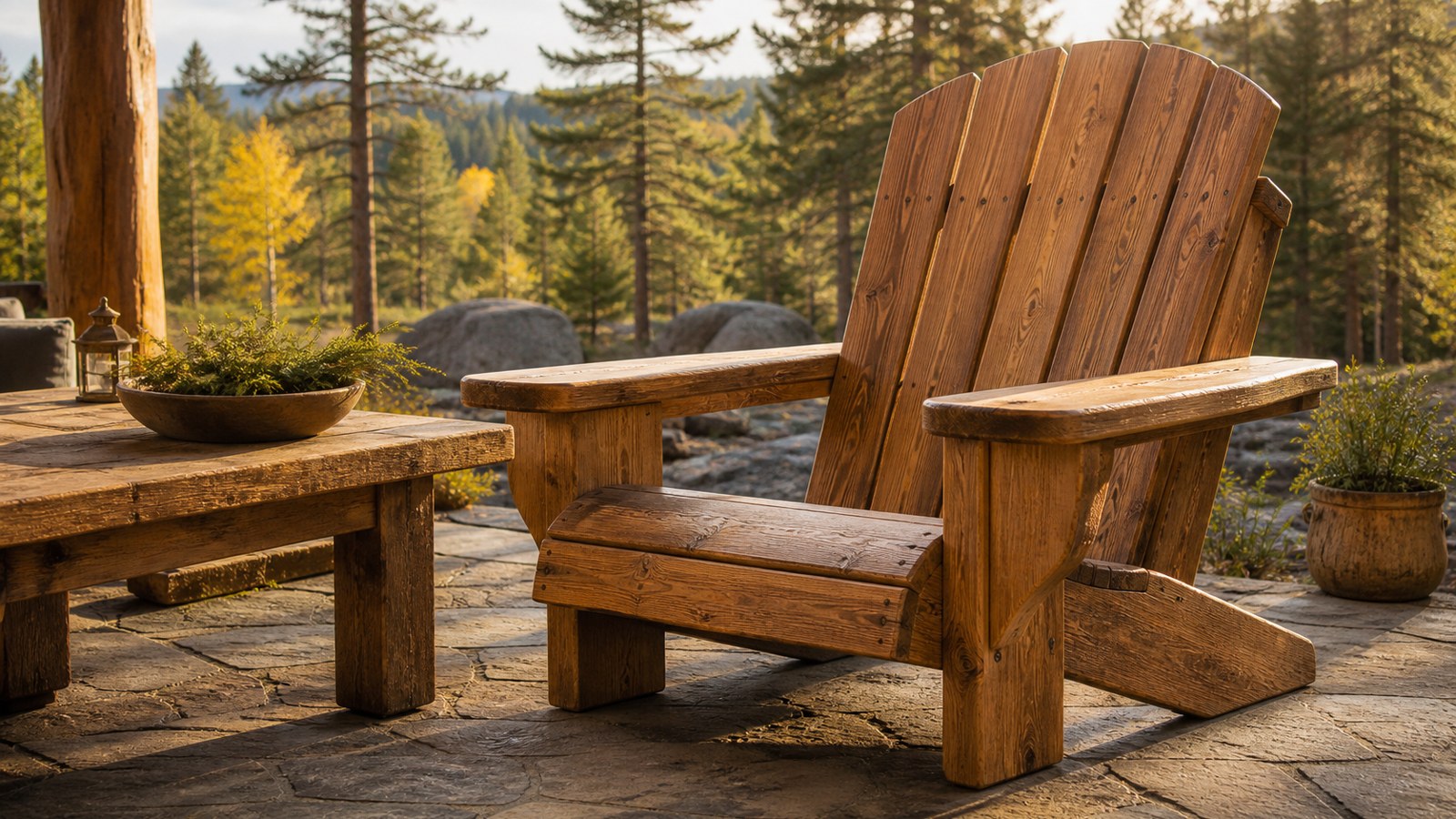
Leaving Adirondack chairs with a natural finish is a nod to tradition. Here, the wood itself is the star of the show. Whether it’s the reddish warmth of cedar, the golden richness of teak, or the light grain of pine, a natural finish highlights the organic patterns, knots, and textures that make each chair unique. For those who appreciate craftsmanship and authenticity, natural finishes feel timeless and elegant.
A natural finish doesn’t always mean bare wood. Protective oils, stains, or clear sealants are often applied to enhance color and defend against the elements while preserving the visible grain. Over time, many woods develop a silvery-gray patina that blends beautifully with coastal or rustic settings. This weathered look carries character and tells the story of years spent outdoors, turning each chair into a living piece of furniture history.
Natural finishes generally require less intensive upkeep than paint, but they still need attention. Regular sealing or oiling every year or two helps maintain strength and beauty. Without care, wood can crack, dry, or absorb moisture, leading to structural issues. The natural look appeals most to those who value authenticity over uniformity and who embrace the way wood evolves over time.
Aesthetic Considerations: Bold vs. Subtle
The biggest difference between painted and natural finish Adirondack chairs is the overall aesthetic. Painted chairs often act as focal points. They stand out in outdoor spaces, bringing energy and color. A row of painted Adirondack chairs on a beachfront deck, each in a different bright hue, instantly communicates celebration and joy. For themed spaces, painted chairs are invaluable—they can tie into nautical, tropical, or even holiday décor.
Natural finish chairs, on the other hand, blend seamlessly with their surroundings. They complement the organic tones of gardens, forests, and coastal landscapes. A teak chair with a natural oil finish feels luxurious beside a pool, while a cedar chair weathered to gray feels perfectly at home near a lake. The aesthetic is understated yet powerful, allowing the wood’s inherent beauty to shine. Choosing between painted and natural finishes comes down to whether you want your Adirondack chair to make a bold statement or serve as a subtle, harmonious accent.
Durability and Weather Resistance
Both painted and natural finishes offer durability when done correctly, but they protect in different ways. Paint forms a thick barrier on the surface of the wood, blocking UV rays and repelling moisture. This makes it highly effective in preventing rot and insect damage. However, once paint begins to peel or crack, the exposed areas can absorb water, accelerating damage unless promptly repaired.
Natural finishes rely on penetrating oils or clear sealants to protect wood fibers from within. These finishes maintain flexibility, allowing the wood to expand and contract with weather changes without cracking the surface. While natural finishes may not provide the same uniform coverage as paint, they age more gracefully, often without the dramatic peeling or flaking associated with painted surfaces. Both approaches require reapplication, but natural finishes usually wear away subtly, while paint demands more visible refinishing.
Maintenance: Hands-On vs. Low-Key
Maintenance is where preferences really diverge. Painted Adirondack chairs require periodic sanding and repainting to look their best. This process can be time-consuming but also allows for creativity. Homeowners who enjoy updating décor may see repainting as an opportunity to refresh the style every few years. Those less inclined toward DIY projects may find it burdensome.
Natural finishes, while not maintenance-free, are easier to maintain in smaller increments. Reapplying oil or clear sealer takes less time than repainting, and the gradual fading or patina is often considered attractive rather than a flaw. Many homeowners embrace this low-key upkeep, especially if they appreciate the rustic character of aging wood. Ultimately, your willingness to maintain your chairs plays a big role in determining which finish is right for you.
Cost Considerations
Cost differences between painted and natural finish Adirondack chairs often depend on the type of wood and the quality of the finish. Pine or fir chairs are usually more affordable, whether painted or left natural, but they require more frequent maintenance. Cedar, cypress, and eucalyptus chairs sit in the mid-range, while teak and mahogany command premium prices. Painting adds upfront cost for materials and labor, especially if done professionally. Over time, repainting can also add recurring expenses. Natural finishes may be less costly initially, but oils and sealants still require periodic reapplication. In terms of value, both finishes can be cost-effective if the chairs are cared for properly. The key is balancing your budget with your aesthetic preference and maintenance tolerance.
Sustainability and Environmental Factors
Sustainability is an increasingly important factor in outdoor furniture decisions. Painted chairs can raise environmental concerns if low-quality paints with harsh chemicals are used. Choosing eco-friendly, low-VOC paints helps mitigate this. Additionally, repainting every few years means more materials are consumed. Natural finishes often use oils or stains that are less harmful, and the ability to let wood weather naturally reduces chemical usage. Reclaimed wood chairs with natural finishes offer an even greener option, combining sustainability with rustic charm. Both approaches can be eco-friendly if done thoughtfully, but natural finishes generally have a lighter environmental footprint.
Matching Finish to Environment
Your local climate should heavily influence your decision. In humid or coastal regions, painted chairs provide excellent protection against moisture and salt air, though peeling is a greater risk. Natural finishes like teak oil or sealers thrive in these settings too, especially when applied to durable woods like cedar or cypress.
In dry, sunny climates, paint shields wood from UV rays but may fade more quickly, requiring frequent touch-ups. Natural finishes allow wood to breathe in arid conditions, though regular oiling helps prevent cracking. Matching finish to environment ensures your Adirondack chairs not only look great but also perform well for years to come.
Lifestyle and Personal Preference
Ultimately, the choice between painted and natural finishes often comes down to lifestyle. If you enjoy bold colors, love changing up décor, and don’t mind DIY maintenance, painted Adirondack chairs are perfect for you. They bring creativity, protection, and the chance to refresh your outdoor look whenever inspiration strikes.
If you prefer authenticity, subtle elegance, and lower-maintenance upkeep, natural finishes are the better choice. They highlight the craftsmanship of the chair, blend seamlessly with nature, and age gracefully over time. Neither option is inherently better—it depends on how you want your outdoor space to feel and how much effort you’re willing to invest in upkeep.
The Emotional Connection
Beyond practicality, Adirondack chairs carry emotional weight. Painted chairs often bring joy, vibrancy, and playfulness, reminding families of summer parties or seaside vacations. Natural finishes evoke calm, grounding, and a connection to nature, making them perfect for quiet mornings or lakeside evenings. Choosing between them is not only about appearance but also about the atmosphere and memories you want to create. A bright red chair may become the family favorite during barbecues, while a weathered cedar chair may become the spot where someone sips coffee every morning. These emotional associations are as important as durability or cost, shaping how we perceive and enjoy our outdoor spaces.
Which Style Wins?
So, painted vs. natural finish: which Adirondack chair style wins? The truth is, both are winners in their own right. Painted chairs bring bold personality and excellent protection, while natural finishes celebrate authenticity and age with grace. Your choice depends on your design preferences, climate, budget, and willingness to maintain them. For homeowners seeking vibrant expression and creative freedom, painted Adirondack chairs steal the show. For those who value tradition, craftsmanship, and subtle elegance, natural finishes carry the crown. In the end, the “best” finish is the one that aligns with your lifestyle and helps you create outdoor spaces you love.
A Chair That Reflects You
The Adirondack chair has endured for more than a century because it is endlessly adaptable. Whether you choose painted or natural finishes, you are continuing a tradition of comfort and relaxation that stretches across generations. The real secret lies not in the finish itself but in how you connect with the chair. By choosing a style that reflects your personality and caring for it properly, you ensure that your Adirondack chair not only looks beautiful but also becomes part of your home’s story. Whether bold and colorful or rustic and natural, the Adirondack chair remains a timeless symbol of leisure, ready to serve as your favorite seat for years to come.