A Question of Time and Tradition
Adirondack chairs are iconic in every sense of the word. With their wide arms, deep reclined seats, and timeless silhouette, they have graced porches, patios, lakesides, and gardens for more than a century. While modern variations exist in plastic or composite materials, the wooden Adirondack remains the true classic. Its charm lies in the grain of the wood, the natural textures, and the way it ages gracefully outdoors. But one question often arises for those considering an investment in this traditional favorite: how long do wood Adirondack chairs really last?
The answer depends on many factors: the type of wood, the climate where the chairs live, how much care they receive, and the overall quality of craftsmanship. Some wooden Adirondack chairs may last only a handful of years, while others endure for decades, even becoming family heirlooms. This article explores the realities of lifespan, what influences it, and how you can ensure your chairs provide comfort and beauty for as long as possible.
A: In average sun/rain: cedar/redwood 10–20 yrs; teak/ipe 15–25+; painted pine 5–12—care can swing this widely.
A: UV + trapped moisture (puddles, wet tarps). Fix with shade, slope, and breathable covers.
A: Dulling, dryness, or hairline checks. Recoat before flaking for longer cycles.
A: Paint wins UV; varnish looks luxe but needs annual love; oil is easiest to keep up.
A: Best: clean, dry, and store off the ground. Next best: vented covers on raised glides.
A: Yes—wash, oxalic brightener if needed, sand lightly, then oil or varnish.
A: Re-tighten stainless hardware; replace worn glides; add thread-locker if needed.
A: Choose naturally durable species, keep off soil, and maintain finish—problem solved in most regions.
A: Long warranties often signal species/finish quality; read maintenance requirements to keep them valid.
A: Elevate the feet, rinse monthly, and schedule one spring maintenance day—pays back in years.
The Legacy of the Adirondack Chair
The Adirondack chair was first designed in the early 1900s by Thomas Lee in the Adirondack Mountains of New York. Lee’s goal was simple: create a chair that provided comfort on uneven, sloped terrain. The result was a sturdy wooden seat with wide arms and a slanted back that quickly spread in popularity. For decades, Adirondack chairs were made exclusively from wood—local hemlock, cedar, pine, or other accessible timbers.
This long history means that the wooden Adirondack is deeply tied to tradition. Each board cut, each slat assembled, reflects a lineage of craftsmanship that connects modern homeowners to early mountain cottages and lakeside retreats. However, just like any natural material, wood requires respect and attention to last. Without it, even the most beautiful chair can deteriorate faster than expected. With proper care, though, a wooden Adirondack becomes not just furniture but a lasting part of family life.
The Role of Wood Species in Lifespan
Not all woods perform the same outdoors, and the type of wood chosen for your Adirondack chair is one of the biggest factors in how long it will last. Cedar is a popular choice thanks to its natural oils that repel insects and moisture. A cedar Adirondack chair, with regular maintenance, can easily last 15 to 20 years. Its lightweight structure also makes it easier to move, though it is somewhat softer than hardwoods.
Teak, often considered the gold standard, boasts one of the longest lifespans. Teak chairs can endure 40 to 50 years when properly cared for, sometimes even longer. Its dense grain and natural oils make it nearly impervious to rot and insects. Cypress offers another durable option, particularly in humid climates, as it naturally resists decay. Pine, on the other hand, is more affordable but less resilient. Without consistent upkeep, pine Adirondack chairs may last only 5 to 10 years. Each wood carries its own strengths, weaknesses, and lifespan potential, making the choice of species critical for long-term durability.
Climate and Environment’s Influence
Even the most durable wood will age differently depending on its environment. Adirondack chairs placed in mild, dry climates may last significantly longer than those exposed to constant humidity, salt air, or extreme temperature shifts. In coastal regions, salty breezes and intense sunlight accelerate weathering, while in northern climates, snow and ice put stress on wood fibers.
Shade and placement also matter. Chairs exposed to direct sun for hours each day are more likely to fade, crack, or dry out, while those placed in damp, shaded corners risk mold and mildew growth. Positioning Adirondack chairs on a solid surface like a deck or stone patio prevents moisture from seeping into the legs, reducing rot. By understanding your local climate and placing chairs thoughtfully, you can dramatically influence how long they remain in excellent condition.
The Power of Maintenance and Care
Maintenance is the single most important factor in extending the lifespan of wooden Adirondack chairs. Even woods with natural resistance benefit from regular care. Cleaning the chairs every few weeks during outdoor seasons prevents dirt, pollen, and mildew from taking hold. Using mild soap and water helps maintain a fresh appearance without stripping protective finishes.
Sealing or staining the wood adds another layer of defense. UV-blocking sealants protect against sun damage, while water-repellent finishes reduce the risk of swelling and rot. Most chairs need resealing every one to two years, though high-quality finishes may last longer. Sanding down rough spots, repairing small cracks, and touching up finishes prevent minor issues from becoming major problems. A consistent routine ensures that your Adirondack chairs not only last longer but also retain their beauty and comfort throughout their lifespan.
Natural Aging and Weathering
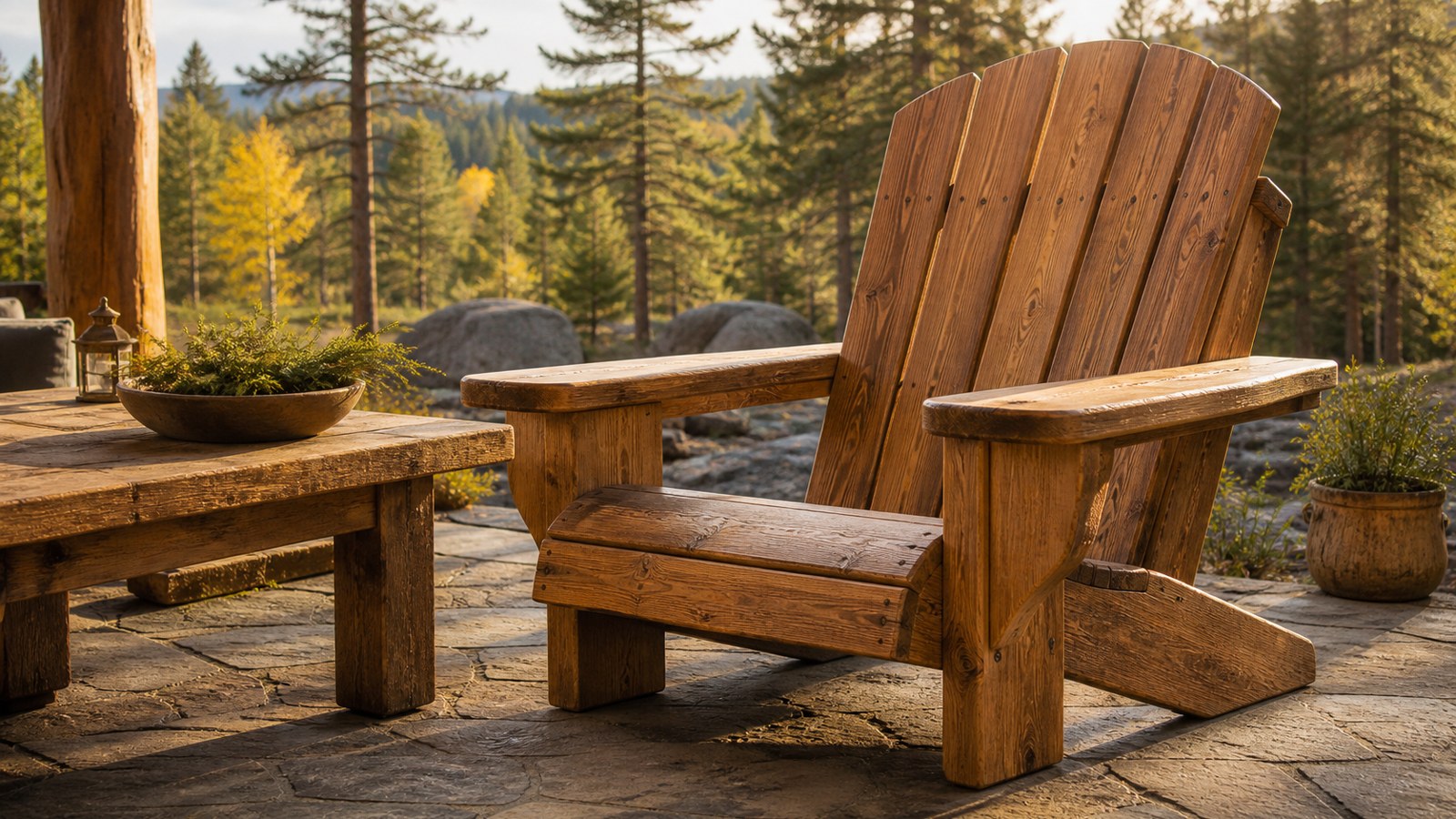
Part of the charm of wooden Adirondack chairs lies in the way they age. Many woods, such as cedar and teak, develop a silvery-gray patina when exposed to the elements. For some homeowners, this weathered look adds rustic appeal and blends beautifully into natural settings. For others, the preference is to preserve the wood’s original rich tones through regular oiling or sealing. While aging can be beautiful, it also signals structural changes. Wood fibers expand and contract with weather cycles, which can lead to cracks or warping over time. Recognizing the difference between cosmetic weathering and actual damage is important. A weathered gray chair can still be structurally sound, while one with deep cracks or loose joints may need repair or replacement. Natural aging does not necessarily shorten a chair’s lifespan if proper care accompanies it.
Comparing Wood to Other Materials
To truly understand the lifespan of wooden Adirondack chairs, it helps to compare them with alternatives. Plastic and HDPE (high-density polyethylene) Adirondack chairs are designed to be virtually weatherproof, often lasting decades without maintenance. Metal options, while less common, can also endure with proper coatings. These materials provide convenience but lack the natural warmth and authenticity of wood.
Wood requires more care, but it also offers more character. Each chair becomes unique, shaped by its grain patterns and the way it weathers over time. While plastic chairs may last just as long, they do not carry the same organic charm. For many, the trade-off is worthwhile. The lifespan of a wooden Adirondack chair may be shorter in some cases, but the experience of owning one often feels richer and more connected to tradition.
The Realistic Lifespan of Different Woods
So how long do wood Adirondack chairs really last? The answer varies: Cedar chairs average 15 to 20 years with proper maintenance, while teak can surpass 40 years with minimal upkeep. Cypress typically lasts 15 to 25 years, thriving in humid conditions. Pine may last 5 to 10 years, though sealing and painting can extend its life. Oak, when used outdoors, can last 10 to 20 years, though it requires vigilant maintenance. Exotic hardwoods such as ipe or mahogany may rival teak in durability, with lifespans reaching several decades.
These numbers are not guarantees but averages, reflecting the influence of wood species, climate, and care. A pine chair left unprotected in the rain may fail within a few years, while a well-maintained teak chair could serve several generations. Understanding these ranges allows buyers to set realistic expectations and make informed choices.
Protecting Adirondack Chairs Through the Seasons
Seasonal care plays a significant role in extending lifespan. In spring, cleaning and inspecting for cracks or peeling finishes sets the stage for the outdoor season. Summer requires protection from UV rays, whether through sealants or by providing shade. Autumn brings falling leaves and increased moisture, making regular cleaning essential. In winter, the best option is to store chairs in a garage, shed, or basement. For those unable to store indoors, weather-resistant covers provide a good alternative. Choosing breathable covers ensures that moisture does not get trapped against the wood, preventing mold and mildew. Chairs that are covered or stored during harsh seasons often outlast those left exposed year-round, reinforcing the importance of seasonal protection.
Craftsmanship and Construction Quality
The quality of construction also influences how long wood Adirondack chairs last. Chairs built with precise joinery, stainless steel hardware, and solid, well-fitted slats are far more resilient than those hastily assembled with low-quality screws. Well-made chairs distribute weight evenly and resist wobbling, which reduces stress on individual boards. Cheaper chairs may cut corners in both wood quality and craftsmanship, leading to shorter lifespans even if the wood itself is durable. Investing in chairs from reputable makers ensures that both the materials and construction support longevity. When combined with care and maintenance, high-quality craftsmanship can add years to a chair’s life.
Balancing Cost with Lifespan
When buying Adirondack chairs, many homeowners weigh cost against lifespan. Pine chairs may cost significantly less than teak, but their shorter lifespan means more frequent replacements. Teak chairs are expensive upfront, but they can last decades, making them more economical over time. Cedar and cypress often strike a balance, offering moderate prices with lifespans that justify the investment.
Considering lifespan alongside cost helps buyers make informed choices that suit their lifestyle. For those who enjoy seasonal projects and don’t mind refinishing, pine or fir may be appealing. For those seeking longevity with minimal upkeep, teak may be worth the higher price. The balance depends on personal priorities, budget, and willingness to invest in maintenance.
Sustainability and Lifespan
Sustainability adds another dimension to the lifespan conversation. Wooden Adirondack chairs made from responsibly sourced or reclaimed wood contribute to eco-friendly practices. Recycled plastic chairs may last longer without care, but they lack biodegradability. Wooden chairs, especially those built from sustainably harvested species, provide a renewable option that supports forests when sourced properly. Long lifespans also contribute to sustainability. A teak chair that lasts half a century has a lower environmental impact over time than several pine chairs replaced every decade. For eco-conscious homeowners, choosing a durable wood species and maintaining it well aligns longevity with environmental responsibility.
When to Repair and When to Replace
Even the most carefully maintained wooden Adirondack chairs will eventually need attention. Small repairs—tightening screws, sanding rough spots, resealing finishes—can extend life considerably. Replacing slats or arms can also breathe new life into aging chairs. At some point, however, the structure may weaken beyond repair. Deep cracks, rot, or broken joints can make a chair unsafe. Knowing when to replace rather than repair ensures comfort and safety while allowing the opportunity to invest in a new set of chairs that will carry future memories. In many families, old chairs are replaced with new ones of the same design, maintaining continuity while refreshing outdoor spaces.
The Emotional Lifespan of Adirondack Chairs
Beyond the practical numbers, Adirondack chairs often last in memory long after their wood has worn away. They are the seats of summer barbecues, lakeside conversations, morning coffees, and twilight storytelling. Even when the wood has weathered or splintered, many families hold onto Adirondack chairs for their sentimental value. A chair may no longer be functional, but it remains a reminder of shared experiences and traditions. This emotional lifespan is why many homeowners take such care in protecting their chairs. They are more than just furniture—they are part of the story of a home. Their physical lifespan may be finite, but their presence in family history makes them timeless in another sense.
The Truth About How Long They Last
So, how long do wood Adirondack chairs really last? The truth is that it depends—on wood species, environment, craftsmanship, and care. On average, a well-maintained cedar chair may last two decades, while teak could last half a century. Pine may last less than a decade without care but can endure much longer with regular attention. Each chair is a balance of material and effort, and the results vary widely.
What is certain is that Adirondack chairs last longer with care than without it. They thrive on attention, from seasonal cleaning to protective finishes, from thoughtful placement to off-season storage. For those willing to invest the effort, wooden Adirondack chairs can provide decades of comfort and style, weathering beautifully alongside the homes and families they serve.
A Seat That Withstands the Years
Wooden Adirondack chairs are not immortal, but with the right choices and care, they come close. They are built to withstand time not only in a physical sense but also in the memories they create. Whether you choose cedar for its charm, teak for its resilience, or pine for its affordability, the key lies in understanding how to protect and maintain your investment. In the end, the lifespan of a wooden Adirondack chair is not just measured in years but in moments—morning coffees, quiet sunsets, shared laughter, and family gatherings. With thoughtful care, these chairs can endure for decades, becoming as much a part of your outdoor living as the landscape itself. They may age, they may weather, but they remain constant companions, proof that craftsmanship and tradition can stand the test of time.