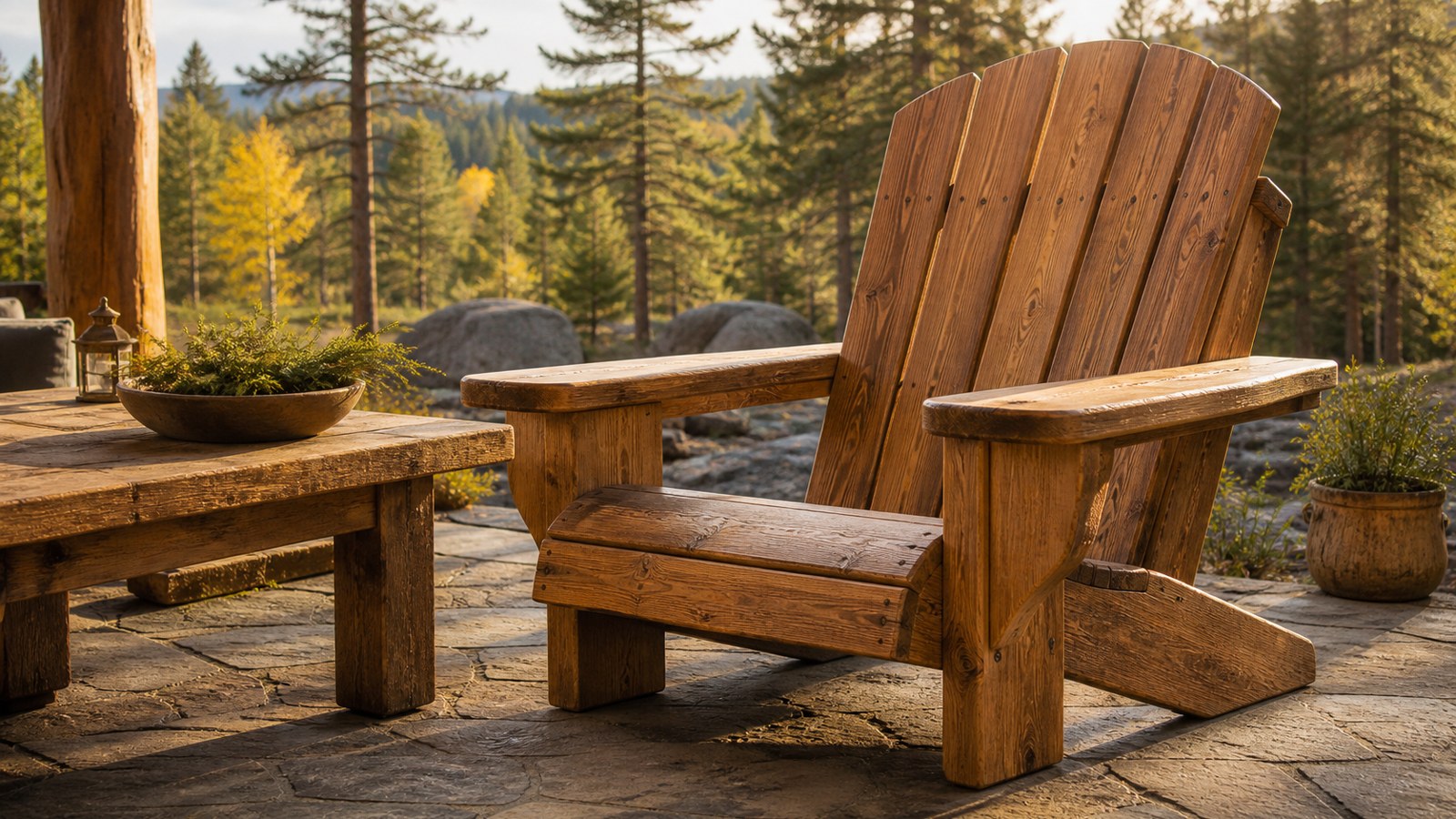
Why Weather Protection Matters for Wooden Adirondack Chairs
Adirondack chairs have been symbols of comfort and leisure for over a century, gracing porches, gardens, and lakesides with their iconic wide arms and slanted backs. When built from wood, these chairs offer natural beauty, warmth, and a sense of tradition that synthetic materials can’t quite match. Yet, the very material that makes them so charming—natural wood—is also vulnerable to the forces of weather. Sunlight, rain, snow, humidity, and temperature fluctuations all conspire to shorten the lifespan of wooden Adirondack chairs if they are not properly cared for.
Protecting these chairs from weather damage is not just about preserving appearances. It is about maintaining strength, comfort, and usability for years to come. Without protection, wood can crack, warp, fade, or even rot, leaving once-beautiful chairs brittle and uncomfortable. With the right strategies, however, your wooden Adirondack chairs can withstand the elements gracefully, gaining character without losing structural integrity. Caring for them is an investment in durability and enjoyment, ensuring they remain a centerpiece of your outdoor living spaces for decades.
A: Paint gives top UV defense; varnish gives premium look with more upkeep; oil is easiest to refresh.
A: Inspect each spring; re-oil 1–2×/yr, scuff-varnish yearly, repaint every 2–4 yrs depending on sun.
A: Yes with breathable covers on raised feet; best is dry storage after a fall clean and cure.
A: Sand to a sound layer, feather edges, add UV sealer, then 2–3 thin coats of spar varnish.
A: Mild soap + soft brush first; if needed, diluted oxygen bleach—rinse and re-oil/repaint spots.
A: Yes—undersides and end grain matter most; prefinish parts before assembly when possible.
A: Not for full sun; add UV-blocking topcoats or choose paint.
A: No—lightly sand, clean, and re-finish if you want color back; gray is only a surface patina.
A: Towel off pools, stand chairs to drain, check feet, and open covers to vent.
A: Foot glides, vented covers, touch-up kit (oil/paint), and a shade plan for the hottest months.
The Heritage of the Adirondack Chair
The Adirondack chair was created in the early 1900s by Thomas Lee in New York’s Adirondack Mountains. Built for comfort on rugged hillsides, the original design featured wide armrests, a slanted seat, and a sturdy wooden frame. Its popularity spread quickly, and the chair became synonymous with leisure and relaxation.
For decades, wood remained the only option. Cedar, pine, oak, and teak were commonly used, each bringing its own qualities. Wooden Adirondack chairs carried rustic charm and blended seamlessly into natural settings. But as technology advanced, alternatives emerged. Plastic versions offered solutions to the challenges of weather, upkeep, and longevity. Today, the choice between wood and plastic is about balancing tradition with innovation.
Why Material Matters in Outdoor Furniture
Outdoor furniture faces harsher conditions than indoor pieces. Sunlight, rain, snow, humidity, and temperature swings all take a toll. Choosing the right material isn’t just about looks—it’s about performance and longevity. Wood Adirondack chairs offer authenticity and craftsmanship, but they require regular care to preserve their appearance. Plastic Adirondack chairs offer convenience and durability, though some people feel they lack the natural appeal of wood.
The material you choose will define not only how your chairs look but also how they fit into your lifestyle. A busy family may prefer maintenance-free plastic, while a homeowner who enjoys the look and feel of natural wood might happily take on upkeep. Understanding these differences is the key to making the right decision.
The Case for Wooden Adirondack Chairs
Wooden Adirondack chairs remain the traditional choice, treasured for their natural beauty and craftsmanship. Cedar, teak, pine, and cypress are among the most common woods, each with unique benefits. Cedar is lightweight and rot-resistant, teak is luxurious and long-lasting, pine is affordable and easy to paint, and cypress brings southern charm with strength.
The appeal of wood lies in its warmth and character. No two chairs are exactly alike—each grain pattern and knot tells a story. Wood also ages gracefully. Some homeowners love the silvery-gray patina that cedar and teak develop over time, while others maintain the wood’s original color with protective oils or sealants. Wooden Adirondack chairs create a connection to nature that plastic versions can only imitate.
However, wood requires maintenance. Without care, it can crack, warp, or fade under the elements. Regular cleaning, sealing, and occasional sanding or staining are necessary to preserve beauty and longevity. For those who enjoy hands-on upkeep and appreciate authenticity, wooden Adirondack chairs remain a timeless choice.
The Case for Plastic Adirondack Chairs
Plastic Adirondack chairs, especially those made from high-density polyethylene (HDPE), have surged in popularity for their practicality. Unlike traditional plastics of the past, modern HDPE lumber mimics the look and texture of wood while offering superior durability. It resists fading, cracking, and warping, even under harsh sunlight or heavy rain.
One of the biggest advantages of plastic Adirondack chairs is their low maintenance. They don’t require sealing, painting, or staining. A simple wash with soap and water is enough to keep them looking new. Their color is infused throughout the material, ensuring scratches don’t reveal bare surfaces. This makes them ideal for busy families, rental properties, or anyone who wants outdoor seating without the hassle of constant upkeep.
Plastic Adirondack chairs also offer an incredible range of colors, from classic whites and neutrals to vibrant blues, reds, and greens. This versatility makes them a favorite for homeowners who want to match furniture to personal style or seasonal themes. While they may not carry the authenticity of natural wood, their resilience and variety have made them a strong contender in the Adirondack tradition.
Durability: Wood vs. Plastic
Durability is one of the most important factors when choosing Adirondack chairs. Wood, depending on the species, can last anywhere from 10 to 50 years. Teak, for example, is considered nearly indestructible when cared for properly, while pine requires more frequent upkeep. Even durable woods, however, eventually weather under relentless sun, rain, and snow.
Plastic Adirondack chairs, particularly HDPE models, excel in durability. They are impervious to rot, insects, and moisture. They won’t splinter, and they can withstand harsh climates without warping. While extreme heat may make cheaper plastics brittle, high-quality HDPE versions hold up for decades. For homeowners in coastal or humid regions, plastic often provides peace of mind that wood cannot match without constant attention.
Maintenance: Effort vs. Ease
Maintenance is where wood and plastic differ most sharply. Wooden Adirondack chairs demand care. They may need annual sealing, staining, or painting, along with occasional sanding to keep surfaces smooth. While some homeowners enjoy this process as part of seasonal upkeep, others see it as a burden. Neglecting maintenance will shorten the chair’s life and diminish its appearance.
Plastic Adirondack chairs are virtually maintenance-free. They don’t need painting or sealing and resist mold, mildew, and staining. Cleaning is as simple as rinsing with a hose or scrubbing lightly with soap and water. For homeowners who prefer furniture that fits seamlessly into a busy lifestyle, plastic is the clear winner in terms of effort.
Aesthetic Appeal: Tradition vs. Innovation
When it comes to aesthetics, wood has a natural advantage. Its organic grain, rich tones, and authentic feel cannot be fully replicated. Wood carries rustic elegance, blending seamlessly into gardens, porches, and natural landscapes. For many, this connection to tradition is irreplaceable. Adirondack chairs made of wood often feel more substantial and artisanal.
Plastic offers its own form of appeal. While it may lack the authenticity of real wood, it makes up for it with versatility. The wide range of available colors allows homeowners to customize their outdoor spaces in ways wood cannot. Bright red chairs can add a playful touch poolside, while muted earth tones can create a modern, minimalist look. For those who value creative expression, plastic opens doors to vibrant design possibilities.
Comfort: Both Deliver, but in Different Ways
Comfort is at the heart of Adirondack design, regardless of material. The slanted back and deep seat are consistent in both wood and plastic versions, ensuring ergonomic support. However, the material influences the feel. Wooden chairs have a natural warmth and a sturdy presence, while plastic chairs often feel slightly softer to the touch and can be shaped with subtle ergonomic refinements.
Both can be enhanced with cushions, ottomans, or accessories. Ultimately, comfort depends more on design quality than material. A well-crafted chair, whether wood or plastic, will provide the relaxing experience that has defined Adirondack chairs for over a century.
Cost Considerations: Budget vs. Investment
Cost is another factor where wood and plastic diverge. Pine Adirondack chairs are often the most affordable, making them appealing for families and DIY projects. Cedar and cypress sit in the mid-range, while teak and mahogany represent the premium end. Wooden chairs can range widely in price depending on species and craftsmanship.
Plastic Adirondack chairs also vary, with lower-cost options available in big-box stores and premium HDPE versions commanding higher prices. Over time, however, plastic chairs may offer better value due to reduced maintenance and longer lifespans in harsh environments. Wooden chairs can be more cost-effective for those willing to invest in upkeep, while plastic suits homeowners who prefer a one-time purchase with minimal future expense.
Sustainability and Environmental Impact
Sustainability is an important consideration for many buyers. Wooden Adirondack chairs can be environmentally friendly when sourced responsibly. FSC-certified woods ensure sustainable harvesting practices, while reclaimed wood adds character and reduces waste. Wood is also biodegradable, returning naturally to the environment at the end of its lifespan.
Plastic Adirondack chairs, particularly those made from recycled HDPE, contribute to sustainability in a different way. They give new life to post-consumer plastics like milk jugs and detergent bottles, keeping them out of landfills and oceans. Their long lifespan reduces the need for replacements, which can lower overall environmental impact. However, they are not biodegradable, which makes end-of-life disposal a consideration.
Climate and Lifestyle Considerations
Your environment plays a major role in deciding between wood and plastic. In dry climates with mild weather, wood can thrive with relatively little maintenance. In coastal or humid regions, wood requires vigilant care to prevent rot and decay, while plastic handles these conditions effortlessly.
Lifestyle also matters. If you enjoy projects and don’t mind maintaining your furniture, wooden Adirondack chairs offer satisfaction and authenticity. If you prefer furniture that requires no effort and provides peace of mind, plastic Adirondack chairs are the smarter choice. Matching the material to both climate and lifestyle ensures long-term satisfaction.
Blending Tradition and Innovation
For many homeowners, the choice isn’t purely one or the other. Blending wood and plastic Adirondack chairs within the same space can create balance. Wooden chairs may anchor a porch with traditional charm, while brightly colored plastic chairs add flair poolside. This hybrid approach allows you to enjoy the best of both worlds, using material strategically depending on setting and function.
The evolution of the Adirondack chair shows that tradition and innovation can coexist. Whether crafted from cedar or HDPE, the design remains iconic. It’s less about what the chair is made of and more about how it enriches outdoor life.
Making the Right Choice for You
Ultimately, the decision between wood and plastic Adirondack chairs comes down to what you value most. If you prioritize natural beauty, tradition, and craftsmanship, wood is your answer. If you seek low maintenance, bold color options, and resilience in tough climates, plastic is the better fit. Both serve the same purpose—offering a place to relax, connect, and enjoy the outdoors.
No matter which you choose, Adirondack chairs remain symbols of leisure and comfort. Their design has endured for over a century because it delivers on its promise: a seat that makes the outdoors feel like home. By choosing the material that aligns with your lifestyle and values, you ensure that your Adirondack chair becomes more than furniture—it becomes part of your story.