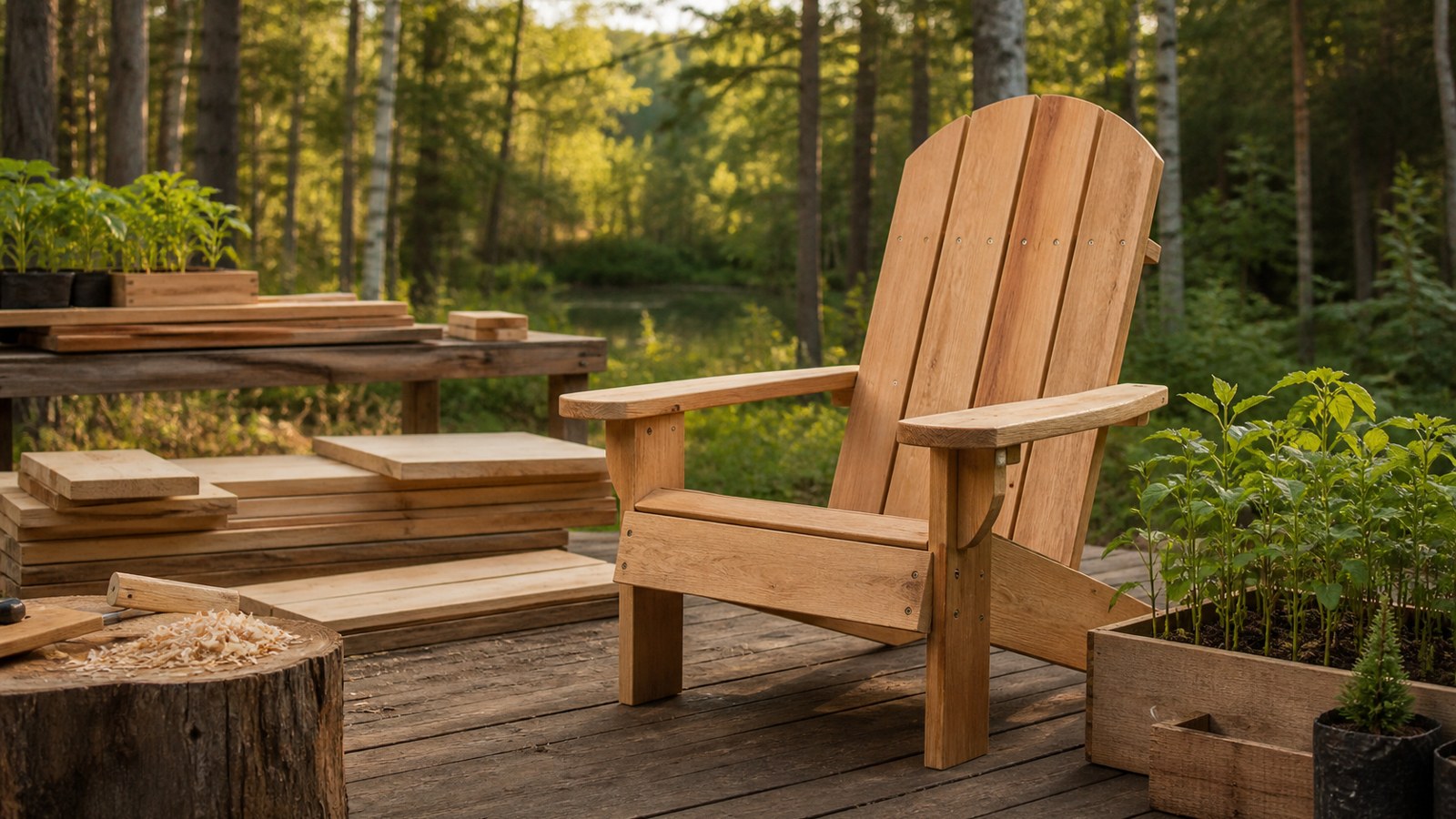
From Pine to Teak: Navigating the Wood Spectrum
Choosing between affordable and premium wood is more than a matter of budget; it’s about shaping the character, durability, and value of your project. The choice influences how furniture looks, how it ages over decades, and whether it becomes a temporary fixture or an heirloom. For many homeowners, the decision between pine and walnut—or between poplar and teak—feels overwhelming, but it boils down to balancing practicality with aesthetics. Every piece of wood has its own story, and the one you choose will define the story of your furniture or construction project.
This spectrum of budget versus premium reflects a mixture of biology, economics, and culture. Some trees grow quickly, creating accessible materials at lower costs, while others take centuries to mature, producing rare and coveted lumber. Designers, builders, and homeowners alike must weigh these realities when selecting materials, asking not just “How much does this cost?” but “What will this wood become in five, ten, or fifty years?” Understanding the spectrum makes the decision far less daunting and far more empowering.
A: Cedar balances price, weight, and rot resistance better than pine/fir for long-term outdoor use.
A: If you want 20–40+ years with graceful weathering (and periodic oiling if you want color), yes.
A: Ipe is harder/heavier with superb wear resistance; it needs diligent pre-drilling and UV oil to hold color.
A: You can, but most buyers prefer clear/toned finishes to showcase grain; paint shines on budget softwoods.
A: In pine/fir, yes—prime with stain-blocker; choose clear-grade stock for smoother painted finishes.
A: Budget softwoods need more frequent touch-ups; premium woods need cleaning and occasional oil if you want to avoid graying.
A: Teak, ipe, or white oak with stainless/bronze hardware to combat salt and wind.
A: Look for FSC labels, plantation-grown teak, or reclaimed hardwood programs.
A: Yes—use premium for arms/legs (high wear) and budget for slats; keep finishes consistent.
A: White oak or cedar—durable, attractive, widely available, and easier on tools than ipe.
Why Some Boards Cost More Than Others
Wood pricing is influenced by more than simple supply and demand. Species like pine, fir, and poplar grow quickly and regenerate easily, meaning their availability remains steady, and their cost stays within a budget-friendly range. Hardwood species such as walnut, oak, and teak grow much slower, sometimes taking over a century to reach maturity. This slower growth produces denser, more durable wood, but it also makes supply more limited, and therefore more expensive.
Global logistics also play a role in pricing. Exotic woods that must travel across continents naturally carry higher costs due to shipping and regulations. Domestic hardwoods may be easier to source but still command higher prices because of demand and tradition. Finally, cultural and historical associations add another layer. Mahogany, for example, is synonymous with luxury because of its long-standing role in fine furniture and architecture. These combined factors explain why one board might be inexpensive while another is treated as an investment piece.
Affordable Standbys That Get the Job Done
Budget woods like pine, poplar, birch, and fir remain staples in households around the world. Their affordability and availability make them the first choice for do-it-yourselfers and builders who need functional, attractive material without financial strain. Pine, with its rustic knots and pale color, fits casual or farmhouse designs, while poplar provides a smooth, uniform surface ideal for painted cabinetry. Birch offers strength at a fair price, often appearing in affordable plywood furniture.
Despite these strengths, budget species have trade-offs. They are softer, more prone to scratches and dents, and can warp or split when exposed to moisture. Still, they work wonderfully in low-impact projects, children’s furniture, rental properties, or temporary builds where cost matters most. They allow homeowners to experiment creatively without the fear of ruining expensive hardwood. In many ways, budget woods are the workhorses of the modern building world—practical, adaptable, and reliable.
Why Premium Species Steal the Spotlight
Premium woods like walnut, cherry, oak, teak, and mahogany hold a special place in woodworking traditions. Their natural richness of grain, density, and coloration immediately set them apart. Walnut’s dark chocolate tones convey sophistication, cherry’s reddish glow deepens over time, and oak’s dramatic rays catch light beautifully. These woods are not just materials; they’re statements of craftsmanship and taste.
Beyond their beauty, premium woods provide longevity and versatility. Teak’s natural oils allow it to withstand weather conditions, making it the king of outdoor furniture and boat decks. Mahogany’s fine grain enables it to take intricate carvings and luxurious finishes. Cherry and walnut have reputations for aging gracefully, becoming richer and deeper in tone with each passing year. For homeowners or designers seeking timelessness, these woods transform furniture into centerpieces that last generations.
Lasting Power and Everyday Wear
Durability is one of the clearest distinctions between budget and premium woods. Pine, poplar, and fir are softer materials that show dents and scratches quickly. They can last for years in low-stress environments but often require protective finishes to handle heavier use. When used for flooring or frequently touched furniture, they can wear unevenly and need repair or replacement sooner. Premium woods resist this wear. Oak, teak, and walnut hold their form through decades of heavy use, even in high-traffic spaces. Teak thrives outdoors thanks to its oils, while oak stands firm in flooring applications. Walnut and cherry, though less suited for outdoor use, remain strong and resilient indoors, gaining character rather than damage as they age. Choosing premium woods often means trading early affordability for a lifetime of reliability.
The Story Told Through Grain and Color
One of the most noticeable differences between budget and premium woods lies in appearance. Budget woods like pine or poplar have simple grain patterns and pale or streaky coloring. Pine’s rustic knots charm some but can look unfinished in formal settings, while poplar often requires paint because of its green or purple streaks. These woods lend themselves to practical or rustic styles but rarely command attention on their own.
Premium species, however, boast natural artistry in every board. Walnut swirls with dark, dramatic grain, cherry deepens into a glowing red-brown, and teak radiates golden warmth. Oak’s bold rays and flecks can be arranged into stunning quarter-sawn patterns. These grains don’t just complement furniture—they define it, often becoming the focal point of an interior design. For those seeking sophistication, premium woods deliver an unmatched natural beauty.
In the Hands of the Maker
Workability is a hidden but critical factor in choosing wood. Softer budget species like pine and poplar cut and shape easily, making them ideal for novice woodworkers or quick projects. They glue well, sand smoothly, and accept paint without fuss. This forgiving nature makes them excellent teaching woods and affordable choices for experimentation. Premium species, on the other hand, demand skill but reward effort. Oak’s hardness challenges tools but creates crisp, lasting joinery. Walnut is beloved for carving, capable of holding detail with elegance. Teak’s natural oils complicate gluing but yield incredibly smooth finishes when handled properly. For master woodworkers, these challenges are opportunities, and premium woods become a showcase of skill as much as material.
How Sustainability Shifts the Scale
Sustainability is increasingly important in wood selection. Budget-friendly species like pine and fir often come from managed plantations that regenerate quickly, ensuring steady supply without depleting natural forests. Their fast growth makes them more eco-friendly choices when sourced responsibly. Consumers drawn to lower environmental impact often find budget species an easy choice.
Premium woods bring more complexity. Mahogany, teak, and other tropical hardwoods have faced criticism for unsustainable harvesting practices. Today, certifications such as FSC (Forest Stewardship Council) help ensure responsible sourcing, giving buyers peace of mind. Domestic hardwoods like oak or walnut, when harvested from managed forests, also offer sustainable options. The growing trend of reclaimed wood adds another eco-conscious layer, giving premium species a second life in modern projects.
Inside Projects Versus the Great Outdoors
Context matters when choosing wood. Indoors, budget-friendly options like poplar and pine can perform admirably when protected with finishes. Painted cabinetry, shelving, or rustic furniture pieces benefit from their affordability without suffering serious wear. In climate-controlled environments, budget woods can provide decades of use. Outdoors, however, the balance shifts. Premium species dominate because of their natural resilience. Teak, white oak, and ipe withstand sun, rain, and pests without breaking down, often lasting half a century or more. Budget woods used outdoors require heavy treatment or constant maintenance, often making them costlier over time. For decks, garden furniture, or exterior accents, premium species are a clear investment in durability.
Thinking Beyond the Price Tag
The initial cost of wood often misleads buyers. A budget-friendly piece may seem economical upfront but require replacement, refinishing, or repairs within a decade. Over time, the total cost of ownership can exceed that of a premium piece. Pine dining tables, for example, might be replaced twice in thirty years, while an oak table survives with simple refinishing.
Premium woods, though more expensive initially, pay off in longevity. They not only last longer but often increase in value over time, especially when well-maintained. Heirloom-quality pieces can outlive their owners, passed on to children or grandchildren. The true cost, then, is not the sticker price but the value delivered over decades of use and enjoyment.
Heritage, Tradition, and the Meaning of Wood
Wood is never just a material—it carries cultural weight. Premium species like walnut and mahogany are tied to history, tradition, and status. Their presence in antiques, grand architecture, and fine furniture associates them with elegance and heritage. Owning or working with these woods connects one to centuries of craftsmanship.
Budget species, however, reflect everyday life. Pine farmhouse tables and birch cabinets have filled homes for generations, symbolizing practicality, warmth, and simplicity. These pieces may not be luxurious, but they are no less meaningful, often holding memories of family gatherings or milestones. Cultural value, in this sense, is measured not only in prestige but in lived experience.
Mixing and Matching Wisely
Blending budget and premium woods is a smart strategy for both professionals and homeowners. Using oak or cherry for visible surfaces while employing poplar or plywood for hidden components balances cost with beauty. Many fine furniture makers rely on this practice to deliver luxury without unnecessary expense. This approach doesn’t just save money—it also expands design flexibility. Premium veneers over affordable cores create stunning results accessible to more people. Drawer sides made from budget wood paired with walnut fronts, for instance, preserve both strength and aesthetics. The art of mixing wood types proves that luxury and practicality can coexist seamlessly.
The Finishing Touches That Matter
Finishes transform both budget and premium species. Pine and poplar often benefit from paint or dark stains that conceal imperfections while protecting the wood. With skillful finishing, even inexpensive woods can look polished and professional, extending their life and versatility. Premium species need little enhancement. Clear oils or varnishes highlight natural grain, deepening color and creating a rich, lasting sheen. Modern finishes also help budget species withstand greater wear than ever before, narrowing the gap between categories. Ultimately, the right finish turns raw wood into a finished piece that feels intentional and enduring.
Choosing With Heart and Mind
Wood choice is both a rational and emotional decision. Premium species represent permanence, artistry, and luxury, while budget woods speak to practicality, adaptability, and everyday life. Neither option is inherently better—it depends on the goals of the project. Every decision reflects values. Choosing walnut for a dining table signals a desire for timeless elegance, while choosing pine for shelving emphasizes resourcefulness. Both choices are valid, and both tell a story about how people balance their aspirations with their realities.
When Practicality Outweighs Prestige
There are times when budget woods make the most sense. For rental properties, children’s rooms, or temporary furniture, affordability outweighs heirloom quality. Poplar cabinetry or pine bookshelves may not last forever, but they provide value exactly where it’s needed. Budget woods also empower creativity. Beginners can experiment freely without fear of wasting expensive materials. For many, these woods are stepping stones—materials that encourage learning, trial, and growth in craftsmanship. In this way, practicality can inspire just as much satisfaction as luxury.
Projects That Deserve a Premium Touch
Certain projects call for investment. Dining tables, heirloom cabinets, and outdoor decks deserve the resilience and beauty of premium woods. A cherry dining set or a teak patio chair is not just furniture—it’s a legacy piece that may last generations. Premium woods also age gracefully. Instead of wearing down, they develop patina and richness, becoming more beautiful over time. These are the projects where cost becomes less relevant than permanence, making premium species worth every dollar.
Tomorrow’s Woods and New Possibilities
The future of wood selection is being reshaped by technology and sustainability. Engineered woods, reclaimed lumber, and thermally modified species are giving budget woods qualities once exclusive to hardwoods. Builders can now achieve greater durability and eco-friendliness with innovative alternatives. Premium species are also adapting. Sustainable forestry and certification programs are ensuring that teak, mahogany, and other exotics can be enjoyed responsibly. The lines between categories are blurring, offering new possibilities that combine tradition, innovation, and environmental responsibility.
The Last Word on Choosing Smartly
Budget woods provide affordability, flexibility, and charm, while premium species deliver elegance, heritage, and endurance. Both categories play vital roles in woodworking, and the best choice often depends on blending the two. Practicality and prestige can coexist when used thoughtfully. By understanding the differences, buyers can align wood choices with both project goals and personal values. Whether you choose pine or walnut, birch or teak, the story of your wood is the story of your home. And in the end, the right choice is the one that fits your vision for both today and tomorrow.