Adirondack Chairs in American Literature and Art
A thoughtful look at how Adirondack chairs work as symbols in American writing, painting, illustration, photography, and regional visual culture.

Outdoor Comfort Starts Here
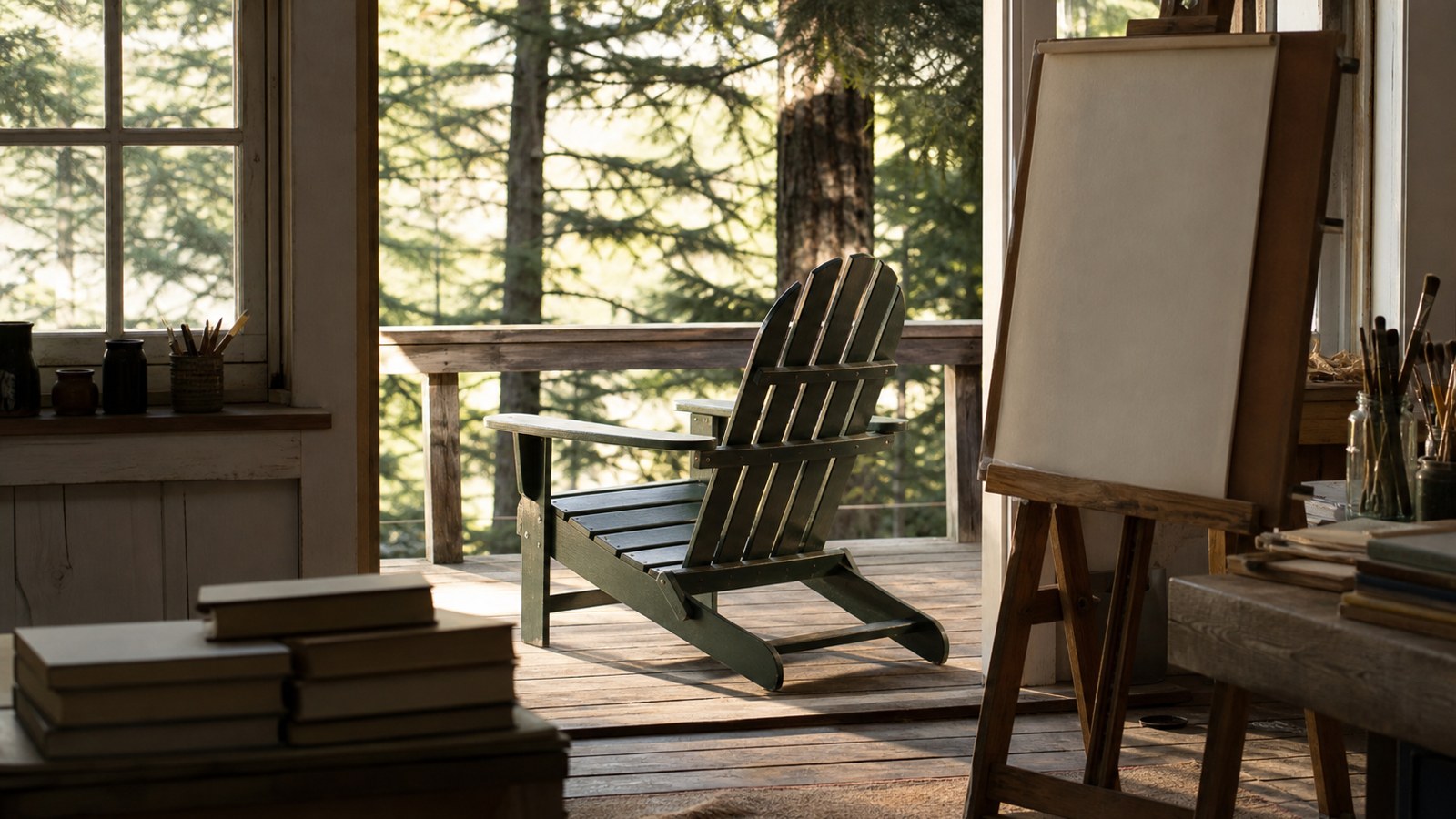
A thoughtful look at how Adirondack chairs work as symbols in American writing, painting, illustration, photography, and regional visual culture.
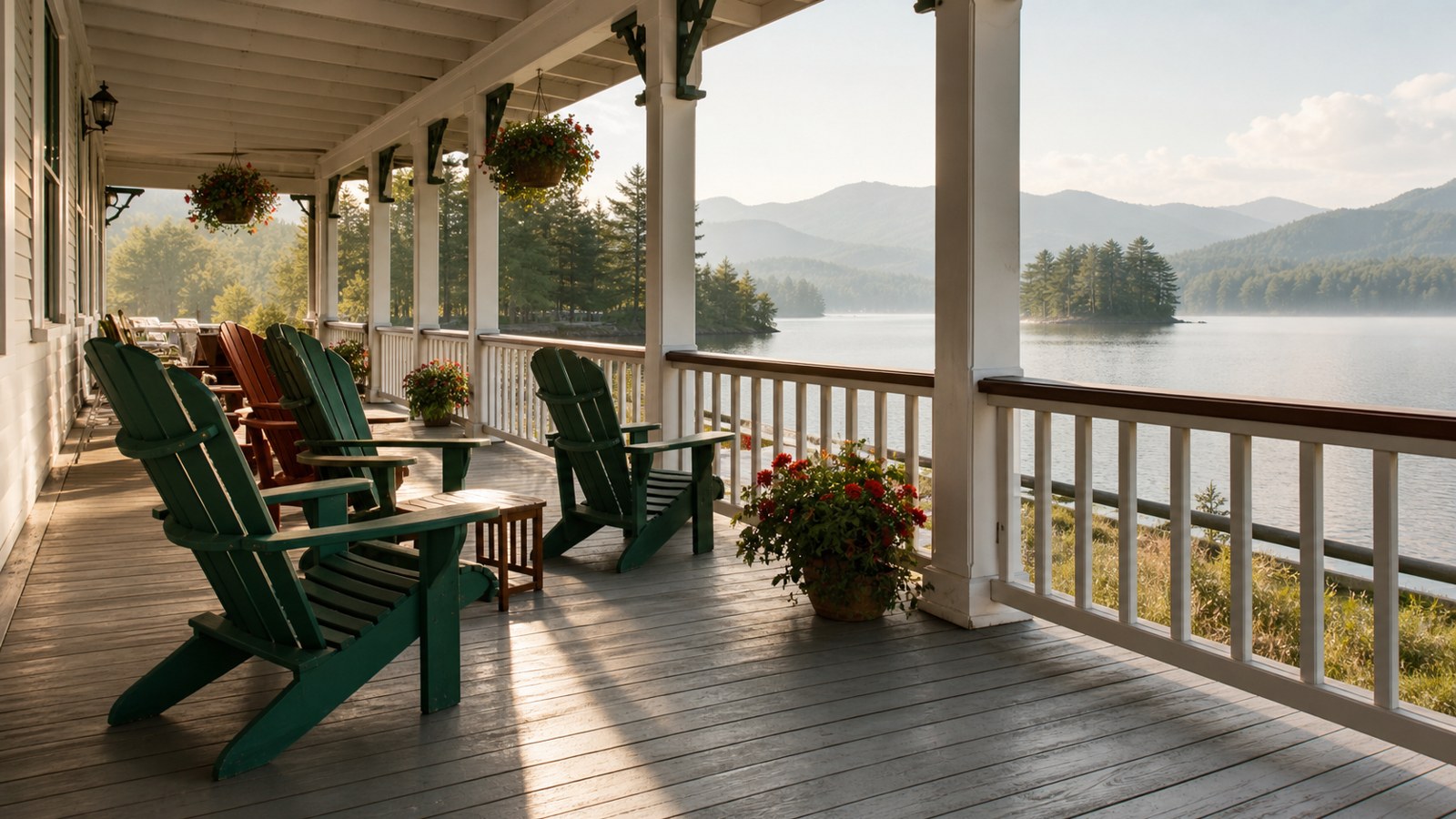
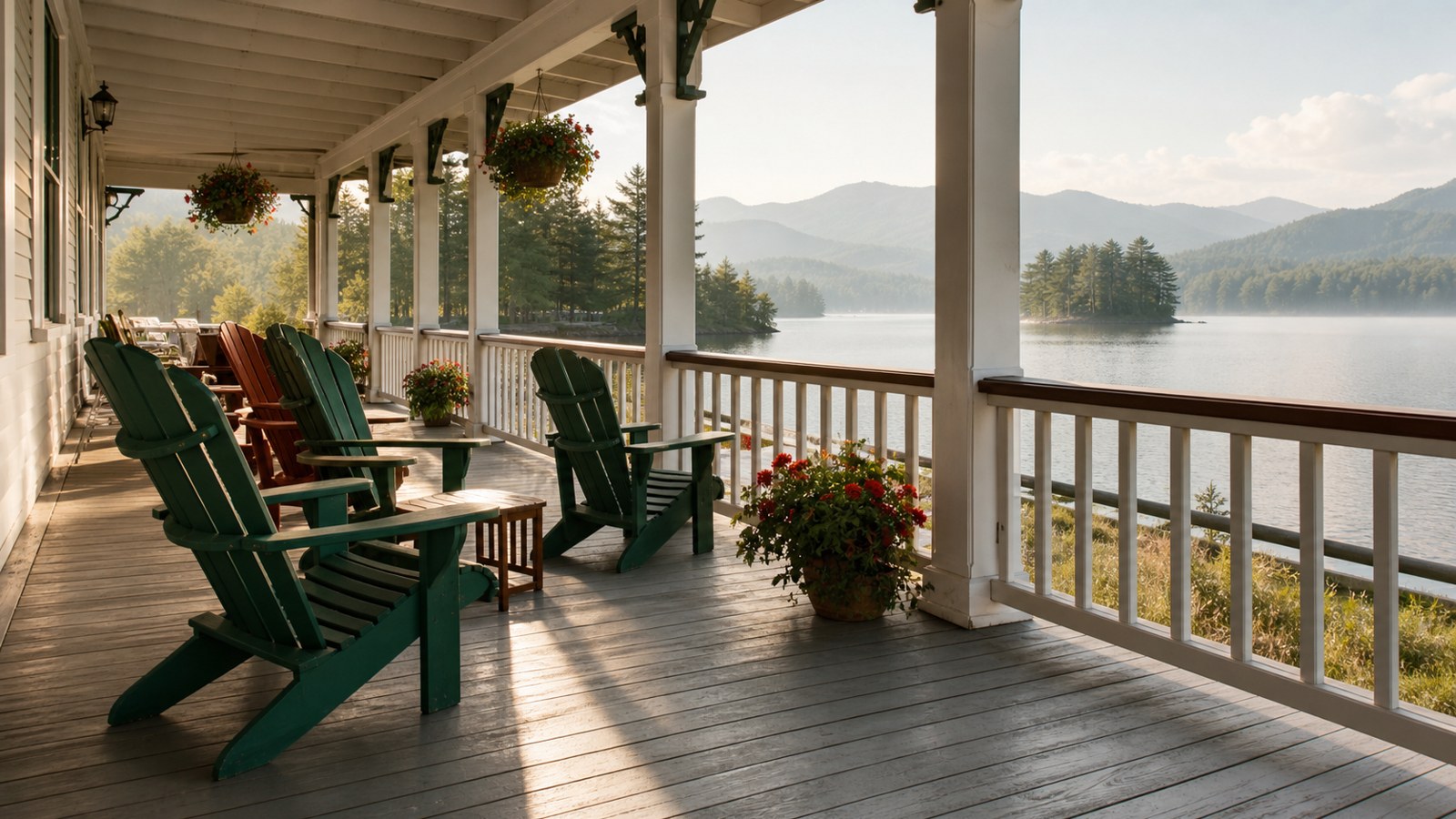
Explore how Adirondack chairs became part of historic resort hospitality, from lakefront porches to guest cottages and grand hotel lawns.
Explore how Adirondack chairs became part of historic resort hospitality, from lakefront porches to guest cottages and grand hotel lawns.
Explore the fascinating designers and makers who shaped the Adirondack chair—from its rustic origins in the Adirondack Mountains to today’s luxury and eco-friendly masterpieces. Discover how innovators, artisans, and global brands transformed a simple wooden chair into a timeless symbol of outdoor comfort and design heritage.
From rustic hemlock and cedar to bright plastics and today’s eco-friendly HDPE, Adirondack chairs have evolved with style and purpose. Each material reflects its era—from handcrafted cabin charm to modern sustainability—while preserving the chair’s timeless comfort. Discover how these iconic seats tell a story of durability, culture, and innovation through more than a century of American outdoor living.
Adirondack chairs are more than outdoor furniture—they’re icons of American summer. From lakeside cabins and backyard barbecues to beach resorts and family gatherings, these timeless chairs symbolize leisure, comfort, and connection with the outdoors. Discover how they became woven into summer traditions, cultural celebrations, and the simple joy of slowing down beneath the sun.
From rustic mountain cabins to modern patios, the Adirondack chair has transformed across decades while keeping its iconic comfort. Discover how styles shifted from handcrafted wood in the 1900s to colorful plastics, sustainable composites, and today’s innovative designs. This timeless seat remains a symbol of outdoor leisure, blending tradition with evolving lifestyles through more than a century of change.
From rustic Westport beginnings to today’s refined designs, the Adirondack chair has evolved through two iconic backrest styles: the traditional fan-back and the modern curved-back. Each brings unique comfort, character, and symbolism to outdoor living. Discover how these designs shaped the chair’s legacy and why they remain timeless favorites in resorts, gardens, and backyards worldwide.
From rustic Adirondack camps to coastal resorts, the Adirondack chair became a symbol of comfort, leisure, and timeless design. With wide arms, angled seats, and sturdy frames, these chairs offered practicality and relaxation that resorts eagerly embraced. Discover how they grew from a regional invention into an essential feature of resort living, forever tied to the idea of outdoor escape.
In 1905, carpenter Harry Bunnell patented Thomas Lee’s rustic Westport chair, turning a clever lakeside invention into a commercial success. His vision transformed the design into what we now call the Adirondack chair—an enduring symbol of comfort and outdoor leisure. Discover how Bunnell’s bold move helped shape one of the most iconic pieces of furniture in the world.
From its rustic 1903 beginnings in the Adirondack Mountains to today’s modern, eco-friendly, and luxury variations, the Adirondack chair has transformed while keeping its timeless comfort intact. Discover how this iconic design evolved through history, materials, and styles to become a global symbol of relaxation, outdoor living, and enduring craftsmanship that continues to define backyards and patios worldwide.
The Adirondack chair began in 1903 with Thomas Lee’s quest to design the perfect outdoor seat in New York’s Adirondack Mountains. Patented by Harry Bunnell, the original Westport chair evolved into today’s iconic Adirondack style. With its slanted seat, wide arms, and enduring comfort, it became more than furniture—it became a global symbol of relaxation and timeless design.