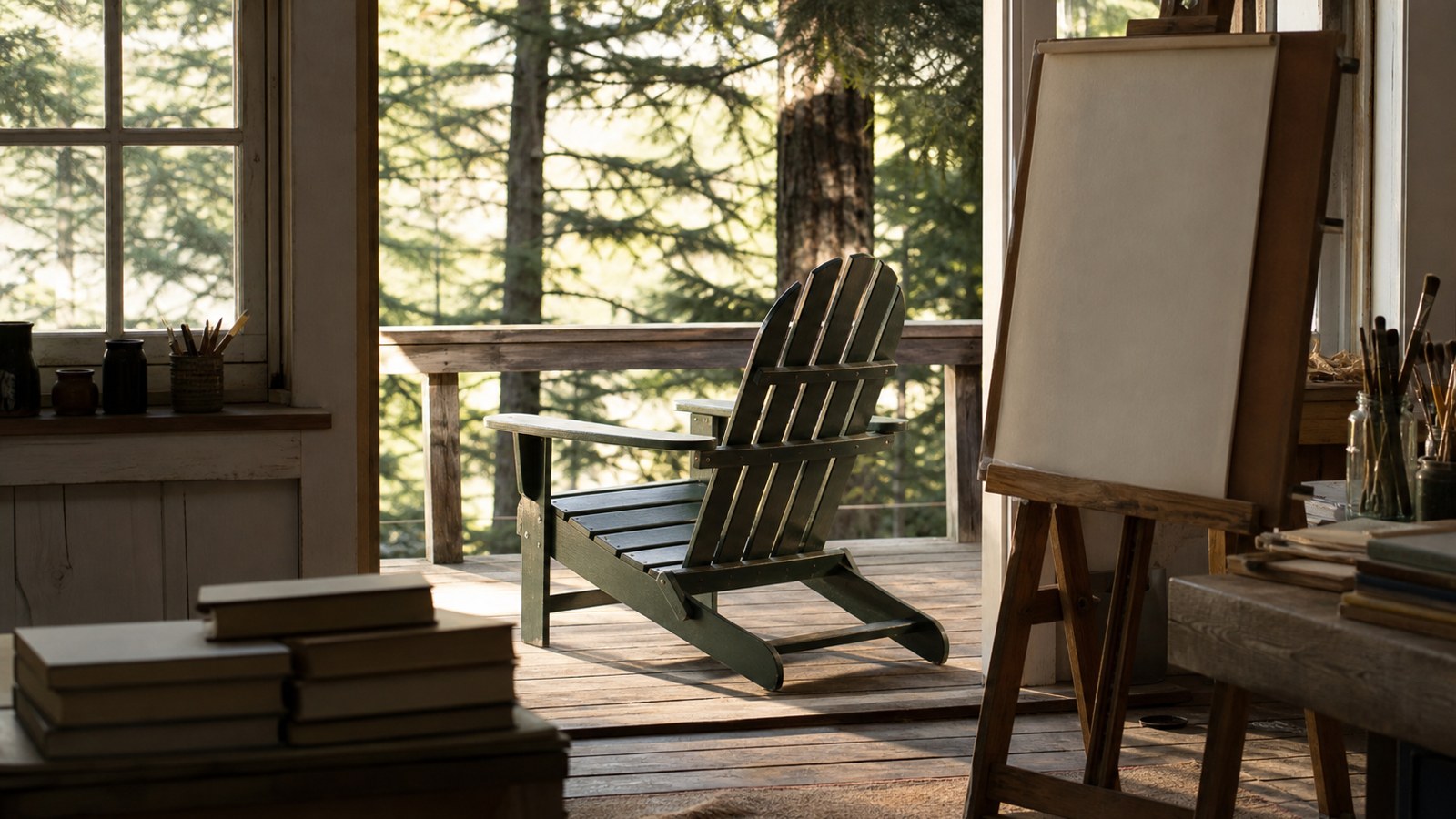
Why Adirondack Chairs and Resorts Are Linked
Few pieces of furniture carry the same visual weight as the Adirondack chair when it comes to outdoor relaxation. Its slanted back, wide armrests, and sturdy frame are instantly recognizable, conjuring images of porches, lakesides, and resort patios. Over the last century, Adirondack chairs have become closely tied to resort communities, both as symbols of leisure and as practical furniture that fits perfectly into these spaces. But how did this rustic invention from upstate New York become so deeply woven into the fabric of resort living? The answer lies in a mix of history, culture, and clever design that positioned the Adirondack chair as the ideal choice for people seeking comfort, escape, and a connection to nature. Exploring its rise in popularity within resorts not only explains why the chair is iconic today but also sheds light on how furniture can become part of a larger lifestyle movement.
A: Better lounging comfort, built-in “table” arms, and iconic visuals that market the property.
A: HDPE for low maintenance and colorfastness; wood for rustic/lodge aesthetics.
A: 35–50 lb keeps chairs planted; add anti-skid feet on smooth decks.
A: Quality UV-stable HDPE resists fading; painted wood may need periodic refresh.
A: Six to eight in a loose ring with 15–20° toe-in promotes conversation.
A: Yes—choose sturdy pivots and locking stops for event setups and offseason storage.
A: Yes—laser-engraved slats, plaque medallions, or color-matched hardware.
A: Solution-dyed acrylic with quick-dry foam; use removable, zippered covers.
A: When railings block views or for rooftop bars needing a view tier.
A: Rinse, mild soap, soft brush; avoid harsh solvents that can dull finishes.
The Adirondack Mountains as the Starting Point
The Adirondack chair’s connection to resort culture begins in its namesake region. In the late nineteenth and early twentieth centuries, the Adirondack Mountains of New York were rapidly becoming a destination for wealthy families escaping the heat and bustle of the cities. Resorts, great camps, and lakeside cabins sprang up throughout the area, offering fresh air, scenic beauty, and rustic simplicity. This was the environment in which Thomas Lee, a vacationer in Westport, designed the first version of the Adirondack chair in 1903.
Lee’s invention was born out of necessity. The rocky, uneven ground of the Adirondacks required seating that was sturdy, comfortable, and adaptable to outdoor living. His design met these needs perfectly, and when his friend Harry Bunnell patented and commercialized it in 1905, the chair quickly spread throughout the region. Resorts eager to provide their guests with comfortable and stylish outdoor seating adopted the chair, and its reputation began to grow. What started as a practical solution for one family became a defining feature of the Adirondack resort experience.
From Rustic Camps to Luxury Resorts
Resort communities in the early twentieth century were diverse, ranging from rustic hunting camps to opulent lakeside retreats catering to the wealthy elite. In both cases, the Adirondack chair fit seamlessly into the environment. At rustic camps, the chair’s rugged wooden construction and simple lines matched the natural aesthetic of log cabins and open landscapes. Guests could sit comfortably while gazing out at forests, mountains, or lakes, all while using the chair’s wide armrests as makeshift tables for drinks or books.
In luxury resorts, the Adirondack chair added an air of authenticity and rustic charm without sacrificing comfort. Even grand properties recognized that their guests came for the natural surroundings, and Adirondack chairs allowed them to enjoy the outdoors in style. This flexibility—fitting both rustic and elegant environments—helped the Adirondack chair establish itself as a versatile piece of furniture that could appeal to a broad audience within resort culture.
Symbol of Escape and Leisure
The Adirondack chair gained popularity in resort communities because it symbolized what guests were seeking: escape, relaxation, and a slower pace of life. Its reclined posture invited people to sit back and let go of stress, while its durability made it reliable for extended stays outdoors. Resorts capitalized on this association, often placing Adirondack chairs in the most scenic spots on their properties, such as lakefronts, gardens, and porches with mountain views. Guests came to associate the chair with moments of peace and leisure. Sitting in an Adirondack meant taking time to appreciate nature, have long conversations, or simply enjoy a quiet sunset. Over time, this association grew so strong that the chair itself became shorthand for relaxation. Resorts helped reinforce this symbolism by featuring Adirondack chairs prominently in promotional materials, further embedding them into the culture of vacationing and retreat.
Practical Comfort for Resort Settings
Beyond symbolism, Adirondack chairs also met practical needs in resort communities. Their sturdy wooden construction meant they could withstand heavy use by guests without breaking down quickly, an important consideration for properties that hosted dozens or even hundreds of people at a time. The slanted seat and wide back provided comfort without the need for cushions, which would have required constant laundering or replacement in outdoor settings.
The wide armrests were especially valuable in resorts, as they allowed guests to balance drinks, snacks, or even writing materials while enjoying the outdoors. This convenience made the chairs more than just a place to sit—they became functional pieces of furniture that enhanced the guest experience. Resorts could place them on lawns, porches, or docks, confident that they would add both comfort and atmosphere. The blend of practicality and design was one of the key reasons Adirondack chairs gained such a foothold in resort communities.
Expanding Beyond the Adirondacks
As vacationers returned from resorts in the Adirondacks, they often wanted to bring a piece of the experience home. Adirondack chairs became souvenirs of sorts, reminders of the relaxation and beauty of their holidays. Guests would purchase them or commission local craftsmen to build replicas, spreading the design beyond the mountains. This process helped transform the chair from a regional specialty into a broader trend that reached coastal resorts, lakeside communities, and suburban homes.
Resorts in other regions quickly adopted the Adirondack chair as well. In New England, Muskoka, and coastal towns along the Atlantic, the chair’s durability and comfort made it a natural fit. In these settings, it took on slightly different identities—sometimes painted in bright colors for beachside resorts, sometimes left natural for rustic lodges. The adaptability of the design meant that no matter where resorts were located, Adirondack chairs could blend in seamlessly and enhance the atmosphere.
The Coastal Resort Connection
Coastal resorts in particular embraced Adirondack chairs, cementing their status as symbols of outdoor relaxation. Whether in Cape Cod, the Carolinas, or California, resort properties placed rows of Adirondack chairs facing the ocean, creating postcard-worthy views of comfort and leisure. The bright white painted versions became especially popular in beach towns, contrasting beautifully with sand and sea while conveying cleanliness and simplicity. These coastal adoptions helped push the chair into popular culture. Magazines, travel posters, and postcards frequently featured Adirondack chairs as visual shorthand for beach vacations. The image of two chairs overlooking the water became iconic, further reinforcing their connection to resort life. Over time, this imagery became ingrained in people’s expectations, so much so that Adirondack chairs became inseparable from the idea of a perfect seaside getaway.
Adirondack Chairs in Mountain Resorts
Mountain resorts also played a major role in popularizing Adirondack chairs. The rugged design and wooden materials blended naturally into alpine environments, making them ideal for lodges, ski resorts, and mountain retreats. Guests could sit on balconies or terraces surrounded by natural beauty, the chair itself feeling like an extension of the environment. Mountain resorts also highlighted the durability of the chair, as they often faced harsher climates with snow, rain, and fluctuating temperatures. Adirondack chairs proved they could endure these conditions, reinforcing their reputation as reliable outdoor furniture. Their presence in mountain resorts expanded their symbolism beyond summer leisure into year-round relaxation, showing that they were just as effective in front of snowy peaks as they were on sunny beaches.
The Role of Marketing and Media
One of the key reasons Adirondack chairs became so popular in resort communities was the role of marketing and media. Resorts often used images of Adirondack chairs in their advertising campaigns, knowing that the silhouette itself evoked comfort and relaxation. Travel posters from the mid-twentieth century frequently featured Adirondacks on porches, lawns, or beaches, inviting potential guests to imagine themselves in that restful position.
Magazines and newspapers also contributed to the spread of the Adirondack chair’s image, as lifestyle articles showcased resort destinations where the chairs were featured prominently. This repeated exposure created a feedback loop: the more people saw Adirondack chairs in resort advertisements, the more they came to associate them with the idea of the perfect vacation. The chair’s popularity was not just about comfort—it was about the dream of leisure that it represented, a dream that resort communities eagerly promoted.
Adaptations in Style and Color
As Adirondack chairs spread across resort communities, their styles and colors began to diversify. Resorts looking to differentiate themselves often painted their chairs in distinctive colors, creating signature looks that became part of their brand identity. A lakeside resort might use dark green to blend with the forest, while a beach resort might choose bright blues or yellows to reflect the vibrancy of the sea. The chairs themselves also adapted to different needs. Some resorts introduced rocking versions for porches, while others used oversized chairs for added comfort. Child-sized Adirondacks became common in family resorts, ensuring that everyone had a seat. These adaptations allowed the Adirondack chair to evolve while remaining instantly recognizable, ensuring its continued relevance in resort communities of all kinds.
Adirondack Chairs and the Rise of Outdoor Living
The popularity of Adirondack chairs in resort communities also paralleled a broader cultural shift toward valuing outdoor living. In the early to mid-twentieth century, Americans increasingly saw patios, porches, and lawns as extensions of the home. Resorts set the example by creating outdoor spaces filled with comfortable seating, and homeowners began to replicate those setups in their own backyards. Adirondack chairs, already associated with leisure and relaxation from resorts, became natural additions to suburban homes.
This crossover between resorts and private homes reinforced the chair’s popularity. Families who had first experienced Adirondacks during vacations wanted the same comfort at home, and furniture companies responded by producing affordable versions for the mass market. In this way, the chair’s success in resort communities directly influenced its ubiquity in everyday life, making it one of the most recognizable and beloved pieces of outdoor furniture worldwide.
Modern Resorts and Adirondack Chairs
Today, Adirondack chairs remain a fixture in resort communities around the world. Whether at luxury beach resorts, rustic mountain lodges, or lakeside retreats, they continue to symbolize comfort and relaxation. Modern resorts often use Adirondacks made from recycled plastics, which offer durability and sustainability while retaining the traditional design. Rows of brightly colored chairs facing oceans, lakes, or mountains remain common marketing images, proving that the chair’s symbolism is just as strong today as it was a century ago.
Resorts also use Adirondack chairs to create a sense of authenticity and continuity with tradition. Even the most modern properties recognize the power of a design that connects guests with history and timeless comfort. Adirondacks are not just functional seating—they are part of the atmosphere that resorts create, adding depth to the guest experience. Their enduring presence in resorts demonstrates the lasting bond between this iconic chair and the world of leisure travel.
Why Resorts Made Adirondacks Iconic
The Adirondack chair’s rise in resort communities illustrates how design, marketing, and culture intersect to create lasting icons. Resorts adopted the chair because it was practical, comfortable, and aesthetically suited to natural environments. Guests embraced it because it symbolized relaxation and escape. Media amplified its image, turning it into a recognizable shorthand for leisure. Together, these factors transformed the Adirondack chair from a regional invention into a worldwide symbol of outdoor living. Today, when people see an Adirondack chair, they often think of vacations, relaxation, and scenic views. This powerful association exists largely because of the role resort communities played in showcasing and popularizing the design. Adirondack chairs are more than just furniture—they are symbols of a way of life, and it was resorts that first made that connection clear to the world.