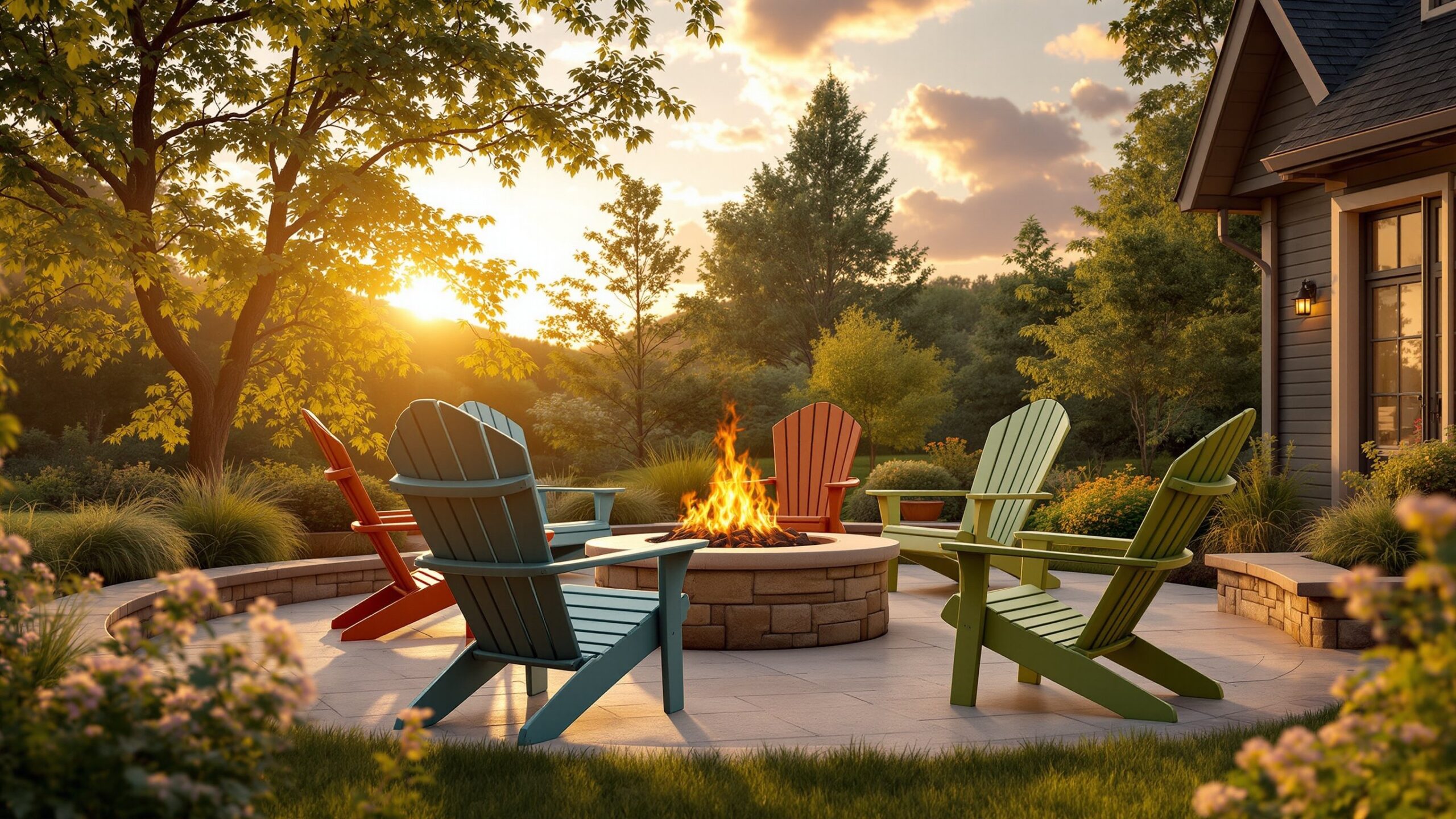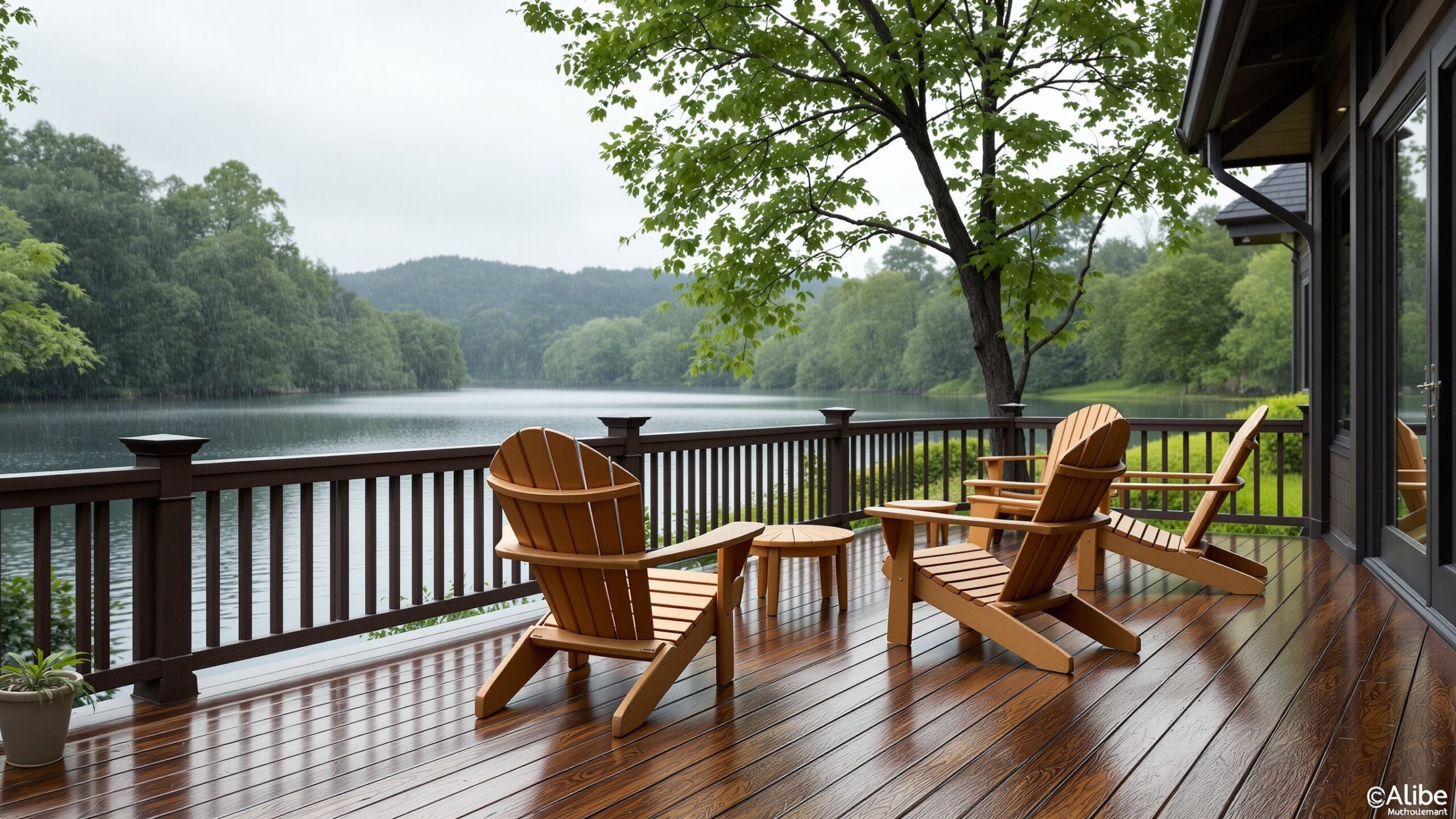
Outdoor chairs are built to provide comfort, style, and relaxation in spaces where nature and home life intersect. Whether placed on a patio, around a fire pit, on a dock, or beside a backyard garden, these chairs face constant exposure to the elements. Rain, snow, humidity, UV radiation, and fluctuating temperatures all work together to slowly degrade materials over time. Waterproofing plays a crucial role in protecting outdoor seating from this gradual wear, extending the life of chairs and preserving their appearance and structural integrity. Waterproofing is not simply about keeping water off the surface. It involves protecting materials at the microscopic level so that moisture cannot penetrate fibers, pores, or joints where damage begins. When properly applied and maintained, waterproofing treatments act as a defensive barrier that prevents rot, rust, swelling, cracking, fading, and mold growth. Understanding how waterproofing works and which methods are best suited for different chair materials can dramatically increase longevity while reducing maintenance costs. This guide explores the most effective waterproofing methods available today, explaining how they work, when to use them, and how they help outdoor chairs remain durable and attractive for many years.
A: It depends on the look you want; paint offers the strongest barrier, while sealers and stains preserve more of the natural wood appearance.
A: Usually no traditional waterproof coating is needed, but regular cleaning and UV-aware placement still help them last longer and look better.
A: Most chairs benefit from an annual inspection, with reapplication as needed when water stops beading or the surface looks worn.
A: Paint generally blocks moisture more effectively, but stain is easier to refresh and often looks more natural on wood furniture.
A: Not well; failing coatings should be scraped, sanded, and cleaned first so the new system can bond properly.
A: Covers help, but they work best alongside a good finish and should be breathable so trapped moisture does not create new problems.
A: Focus on leg bottoms, arm tops, seat slats, joints, and exposed end grain where water tends to gather or soak in fastest.
A: Some exterior wood sealers can work well, but always check that the product suits outdoor furniture and not just walking surfaces.
A: Poor prep, damp wood, rushed dry times, harsh sunlight, standing water, and skipped maintenance are the usual culprits.
A: Choose the right finish, keep the chair clean, touch up worn spots quickly, and store or cover it wisely during rough weather.
Why Waterproofing Outdoor Chairs Matters
Water is one of the most destructive forces for outdoor furniture. Even materials designed for exterior use can slowly deteriorate when repeatedly exposed to moisture. When water penetrates wood, it causes fibers to swell and expand. As the material dries, it contracts again. This constant cycle of expansion and contraction leads to cracks, warping, and eventual structural weakness.
Metal chairs experience a different type of damage. Moisture initiates oxidation, commonly known as rust, which slowly eats away at metal surfaces and joints. Once corrosion begins, it can spread quickly, weakening frames and reducing load-bearing capacity.
Plastic and resin chairs are generally more water-resistant, but they are not immune to environmental degradation. Water can seep into microscopic imperfections or seams, while prolonged exposure to moisture and sunlight can cause brittleness, fading, and surface breakdown.
Cushions and upholstered seating present another challenge. Fabric absorbs water easily, which encourages mildew, unpleasant odors, and staining. If moisture becomes trapped inside cushions, it can take days to dry, accelerating fabric wear and foam deterioration.
Waterproofing addresses all of these risks by creating a barrier that repels moisture before it can penetrate the material. In addition to extending structural life, waterproofing helps preserve color, finish, and comfort, making outdoor chairs look newer for longer.
Understanding the Science Behind Waterproofing
Waterproofing technologies rely on the principle of hydrophobicity. Hydrophobic surfaces repel water molecules rather than absorbing them. This occurs when a protective coating creates a microscopic structure that reduces surface tension between water droplets and the material. Instead of soaking into the chair’s surface, water beads up and rolls away. This beading effect prevents moisture from reaching vulnerable interior layers.
Modern waterproofing products often combine hydrophobic compounds with UV inhibitors and protective polymers. These ingredients serve multiple purposes simultaneously. They block moisture infiltration, protect surfaces from sun damage, and strengthen the outer layer of the material. The effectiveness of waterproofing depends on several factors. The type of material, environmental conditions, product formulation, and application technique all influence how well a protective barrier performs. Understanding these elements helps homeowners choose the right approach for their outdoor furniture.
Waterproofing Wooden Chairs
Wood is one of the most beautiful and comfortable materials used in outdoor seating, but it is also one of the most vulnerable to water damage. Natural wood fibers readily absorb moisture, making waterproofing essential for maintaining durability.
The first step in protecting wooden chairs is sealing the surface with a penetrating wood sealant. These sealants soak into the wood’s pores and create a protective internal barrier that prevents water from infiltrating the grain. Many sealants contain natural oils or synthetic resins that strengthen the wood while enhancing its natural color.
Oil-based sealants are particularly effective for dense hardwoods such as teak, eucalyptus, and acacia. These treatments nourish the wood fibers while providing water resistance. Over time, oils gradually wear away, so periodic reapplication is necessary to maintain protection.
Another popular waterproofing option is exterior wood stain with integrated sealant. These products combine color pigmentation with moisture protection. Stains not only enhance the appearance of wood but also add an additional layer of defense against rain and humidity.
For maximum protection, some homeowners choose marine-grade varnish. Originally developed for boats, marine varnish creates an extremely durable barrier against water and sunlight. Although it requires careful application, it provides one of the strongest waterproof coatings available for wood furniture.
Protecting Metal Chairs from Moisture
Metal outdoor chairs are prized for their strength and sleek appearance. However, without proper waterproofing, metals such as steel and iron can quickly develop rust when exposed to moisture. Protective coatings are the most effective method for waterproofing metal chairs. Powder coating is one of the most durable options available. During the manufacturing process, a dry powder is electrostatically applied to the metal surface and then cured with heat. This creates a thick, seamless protective layer that resists both water and corrosion.
For chairs that do not already have powder coating, applying an exterior metal sealant or protective enamel paint can provide similar protection. These coatings form a waterproof shield that prevents oxygen and moisture from contacting the metal surface. Regular inspection of metal chairs is important because scratches or chips in the coating can expose raw metal. When these areas are sealed quickly with touch-up paint or rust inhibitors, corrosion can be prevented from spreading. Aluminum chairs are naturally more resistant to rust, but they still benefit from protective coatings that guard against oxidation and discoloration caused by prolonged exposure to moisture.
Waterproofing Plastic and Resin Chairs
Plastic and resin chairs are among the most weather-resistant furniture options available. These materials are often marketed as waterproof, but they still benefit from additional protection to extend their lifespan. Over time, environmental exposure can cause plastics to degrade, especially when moisture combines with ultraviolet radiation from the sun. Applying a protective sealant designed specifically for plastic surfaces can significantly slow this deterioration.
Polymer protectants form a thin layer that repels water while restoring the material’s original luster. These treatments also contain UV blockers that prevent fading and brittleness. Another effective approach is applying a silicone-based spray. Silicone creates a hydrophobic barrier that repels moisture while allowing the plastic surface to maintain flexibility. This is particularly helpful for chairs with intricate textures or molded designs where water might otherwise collect.
Cleaning plastic chairs regularly also plays an important role in waterproofing. Dirt and organic debris can trap moisture against the surface, increasing the likelihood of staining or degradation.
Fabric and Cushion Waterproofing
Outdoor seating is often enhanced with cushions and upholstered fabrics, but these materials require special waterproofing techniques to remain comfortable and durable. Waterproofing sprays designed for outdoor fabrics are one of the most effective solutions. These sprays coat individual fibers with a hydrophobic treatment that allows water to bead up and roll off the fabric surface. Unlike traditional coatings, modern fabric protectants preserve breathability so cushions remain comfortable in warm weather. Marine-grade fabric protectants offer even stronger water resistance. Originally designed for boat upholstery, these products are highly effective for patio furniture exposed to heavy rainfall or humidity. For maximum protection, some cushions use waterproof liners or internal barriers that prevent moisture from reaching the foam core. Even if the outer fabric becomes damp, the inner structure remains dry. Regular cleaning and proper storage also contribute to cushion longevity. Allowing cushions to dry completely after rain prevents mildew and keeps waterproof coatings functioning effectively.
The Role of Protective Chair Covers
One of the simplest and most effective waterproofing strategies is using protective furniture covers. High-quality outdoor covers create a physical barrier that shields chairs from rain, snow, and debris.
Modern covers are typically made from durable waterproof fabrics such as polyester with polyurethane backing. These materials repel water while allowing limited airflow to prevent condensation buildup underneath.
Properly fitted covers also block ultraviolet radiation, which works alongside moisture to accelerate material breakdown. By reducing direct exposure to both elements, covers significantly extend furniture lifespan.
For best results, covers should be breathable and slightly elevated above the chair surface so moisture cannot become trapped beneath them.
Seasonal Waterproofing Maintenance
Waterproofing is not a one-time task. Over time, protective coatings gradually wear away due to environmental exposure, cleaning, and regular use. Seasonal maintenance ensures that waterproof barriers remain effective throughout the year. Early spring is often the ideal time to inspect outdoor furniture for signs of wear. Surfaces should be cleaned thoroughly before applying new waterproofing treatments. During the summer months, periodic inspections help identify areas where coatings may be thinning. Addressing these spots promptly prevents deeper moisture penetration. Before winter arrives, many homeowners perform an additional waterproofing treatment to prepare chairs for snow and freezing temperatures. Even when furniture is stored or covered, extra protection provides peace of mind during harsh weather.
Eco-Friendly Waterproofing Options
As sustainability becomes increasingly important, many manufacturers now offer eco-friendly waterproofing solutions. These products use plant-based oils, biodegradable polymers, and water-based formulations that reduce environmental impact.
Natural oil treatments derived from tung oil or linseed oil provide effective waterproofing for wood while avoiding harsh chemicals. Water-based sealants also release fewer volatile organic compounds, making them safer for both people and the environment.
Choosing environmentally responsible waterproofing products allows homeowners to protect their furniture while minimizing ecological harm.
Preventing Mold, Mildew, and Moisture Damage
Waterproofing does more than repel rain. It also helps prevent mold and mildew, which thrive in damp conditions.
When moisture penetrates porous materials such as wood or fabric, it creates an ideal environment for fungal growth. Mold not only damages surfaces but can also produce unpleasant odors and discoloration.
Many waterproofing treatments contain antimicrobial additives that inhibit mold growth. These ingredients help maintain cleanliness and prevent long-term damage.
Proper airflow around chairs is equally important. Even waterproof furniture benefits from occasional drying in sunlight and fresh air to eliminate trapped moisture.
Combining Waterproofing with UV Protection
Sunlight and water often work together to accelerate furniture deterioration. Ultraviolet radiation breaks down protective coatings and weakens materials, making them more vulnerable to moisture damage. Many modern waterproofing treatments include UV inhibitors that shield surfaces from harmful rays. These compounds slow fading, cracking, and brittleness, ensuring that chairs retain both their strength and aesthetic appeal. By combining moisture resistance with sun protection, homeowners can create a comprehensive defense against outdoor environmental stress.
Storage and Long-Term Preservation
While waterproofing significantly improves durability, proper storage further extends chair longevity. During extended periods of heavy weather or off-season use, storing chairs in a garage, shed, or covered patio can reduce environmental exposure.
When indoor storage is not possible, stacking chairs and covering them securely helps protect vulnerable surfaces. Elevating chairs slightly above ground level also prevents water from pooling around legs or frames. These additional precautions work together with waterproofing treatments to keep outdoor chairs in excellent condition year after year.
Choosing the Right Waterproofing Method
Selecting the best waterproofing method depends on several factors, including chair material, climate conditions, and desired maintenance level. Wood furniture benefits most from penetrating sealants or marine varnish, while metal chairs require protective coatings that prevent rust. Plastic and resin chairs respond well to polymer protectants, and fabric cushions rely on specialized waterproof sprays. Understanding how each material interacts with moisture allows homeowners to choose treatments that provide maximum protection without altering the appearance or comfort of their furniture.
The Long-Term Benefits of Waterproofing
Investing time in waterproofing outdoor chairs offers long-term advantages that go beyond simple maintenance. Properly protected furniture retains its structural integrity, aesthetic appeal, and comfort for many years. Waterproofing reduces the frequency of repairs and replacements, saving money while minimizing environmental waste. It also ensures that outdoor living spaces remain inviting and functional throughout changing seasons. Most importantly, waterproofing preserves the enjoyment that outdoor furniture provides. Whether relaxing on a quiet morning porch or gathering with friends around a backyard fire pit, well-maintained chairs remain ready for countless memorable moments.
Conclusion
Outdoor chairs are constantly exposed to the forces of nature, but with the right waterproofing methods, they can withstand years of rain, snow, humidity, and sunlight. From penetrating wood sealants and rust-resistant metal coatings to fabric protectants and durable furniture covers, modern waterproofing technologies offer a wide range of solutions for extending furniture lifespan.
By understanding how moisture affects different materials and applying the appropriate protective treatments, homeowners can significantly increase the durability and beauty of their outdoor seating. Waterproofing is not just about preventing damage; it is about preserving comfort, style, and the simple pleasure of spending time outdoors.
With thoughtful maintenance and the right protective strategies, outdoor chairs can remain reliable companions through every season, continuing to enhance patios, gardens, and outdoor living spaces for years to come.