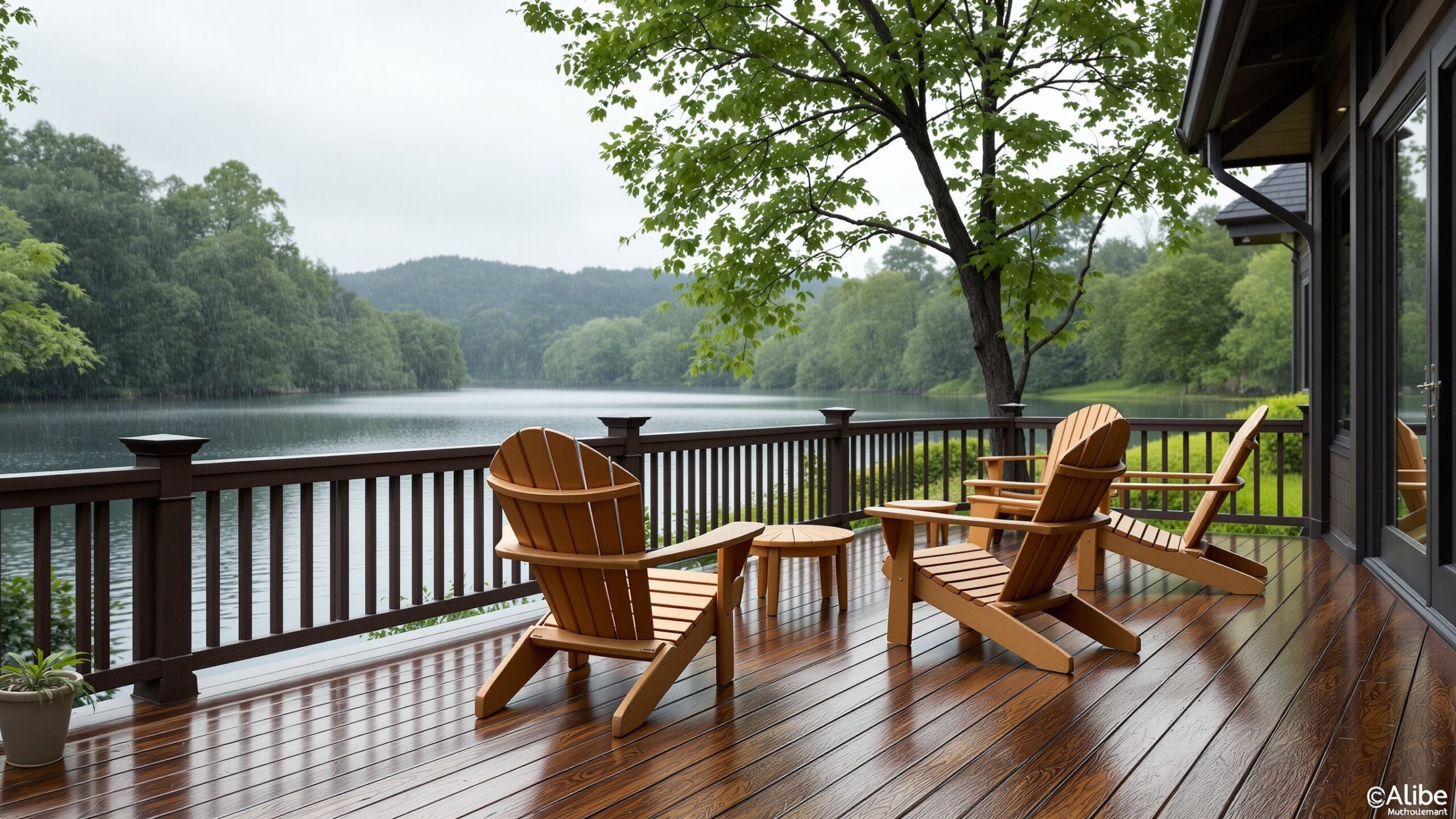
Adirondack chairs are built for slow mornings, golden-hour sunsets, and years of relaxed outdoor living. Their wide arms, reclined backs, and grounded stance invite you to sit back and stay awhile. Yet despite their reputation for durability and timeless design, many Adirondack chairs fail far sooner than they should—not because of poor craftsmanship, but because of everyday mistakes that quietly wear them down. From weather exposure and cleaning habits to storage choices and surface protection, small oversights can shave years off a chair’s life without you realizing it. The good news is that most of these mistakes are completely avoidable. With a better understanding of how Adirondack chairs age, react to their environment, and respond to care routines, you can dramatically extend their lifespan while keeping them comfortable and attractive. This guide breaks down the ten most common mistakes that shorten the life of Adirondack chairs, explains why they cause damage, and shows you how to prevent them. Whether your chairs are wood, plastic, composite, or resin, these insights will help you protect your investment and enjoy your outdoor seating for many seasons to come.
A: Letting water sit—on the chair, under cushions, or at the feet—especially through freeze/thaw seasons.
A: Only with a breathable cover, and only when the chair is clean and fully dry—otherwise you trap moisture.
A: If water stops beading, the finish looks chalky, or bare patches appear—spot-seal or refinish before cracks start.
A: It can be, but aggressive pressure can shred fibers and force water into joints; gentle cleaning is usually better.
A: HDPE is ultra low-maintenance; wood can last decades with proper sealing, cleaning, and periodic refreshes.
A: Seasonal wood movement and sit-stress; use correct exterior fasteners, pilot holes, and re-tighten during checkups.
A: Don’t panic—seal and monitor. Cracks grow when water gets in and freezes; prevention is quick and cheap.
A: Hard, well-draining surfaces (deck, patio, pavers). On grass, add furniture feet or pads to prevent wicking.
A: Keep feet off wet ground, seal end grain, and consider glides/pads to reduce water contact.
A: Clean seasonally, dry fully, tighten hardware, and spot-seal worn edges—repeat before extreme weather hits.
Mistake #1: Leaving Chairs Exposed to the Elements Year-Round
One of the most common assumptions about Adirondack chairs is that they are meant to live outdoors permanently. While they are designed for outdoor use, constant exposure to sun, rain, snow, and temperature swings dramatically accelerates wear.
Ultraviolet rays break down wood fibers, fade finishes, and weaken plastic over time. Rain seeps into unsealed wood, causing swelling, warping, and eventually rot. Freezing temperatures expand trapped moisture, leading to cracks and joint separation. Even durable materials suffer when they never get a break from the elements.
Leaving chairs outside year-round without protection turns slow aging into rapid deterioration. Even a few months of harsh weather can undo years of careful craftsmanship.
Mistake #2: Skipping Seasonal Cleaning and Maintenance
Outdoor furniture may look sturdy, but dirt, pollen, mildew, and air pollution slowly attack surfaces when left unaddressed. Many owners wait until chairs look visibly dirty before cleaning them, allowing grime to embed itself into wood grain or textured plastic.
Organic debris holds moisture against surfaces, encouraging mold growth and wood decay. On plastic and composite chairs, trapped dirt dulls the finish and makes materials brittle over time. Salt air in coastal regions speeds corrosion on hardware if not regularly removed.
Seasonal cleaning isn’t about aesthetics alone—it’s a form of preventative maintenance that stops damage before it becomes structural.
Mistake #3: Using the Wrong Cleaning Products
Trying to “deep clean” Adirondack chairs with harsh chemicals often causes more harm than good. Bleach, ammonia, pressure washers, and abrasive scrubbers strip finishes, roughen surfaces, and weaken protective coatings.
Wood chairs are especially vulnerable. Aggressive cleaners remove natural oils and sealants, leaving the wood exposed and thirsty. Plastic chairs may develop micro-cracks that trap dirt and moisture, accelerating aging.
Even pressure washing at close range can blast away protective layers and force water deep into joints. Cleaning should refresh and protect, not punish the material.
Mistake #4: Ignoring Protective Finishes and Sealants
Wood Adirondack chairs depend on finishes to survive outdoors. Paint, stain, oil, or sealant acts as a barrier between the wood and moisture, sunlight, and temperature shifts. When that barrier wears thin or disappears, damage begins quickly.
Many owners assume that once a chair is finished, it’s protected forever. In reality, finishes degrade gradually and require renewal. Peeling paint, faded stain, or dry, gray wood are warning signs that protection has failed.
Without regular reapplication, even the most rot-resistant woods can crack, splinter, or soften over time.
Mistake #5: Storing Chairs Incorrectly During the Off-Season
When cold weather arrives, many Adirondack chairs are stacked in garages, basements, or sheds without preparation. While storage is far better than leaving chairs exposed, improper storage can still cause damage.
Damp spaces encourage mold growth and wood swelling. Chairs stacked without spacers trap moisture between surfaces, leading to staining and warping. Plastic chairs stored under heavy weight can deform permanently.
Failing to clean and dry chairs before storage locks in moisture and debris, creating problems that only reveal themselves months later.
Mistake #6: Tightening or Ignoring Hardware at the Wrong Time
Adirondack chairs rely on bolts, screws, and joints to maintain structural integrity. Over time, these components loosen as wood expands and contracts or as chairs are moved frequently. Some owners ignore loose hardware entirely, while others overtighten fasteners in an attempt to “fix” wobbling.
Loose joints place stress on surrounding wood, enlarging holes and weakening the frame. Overtightening can crush wood fibers, strip threads, or cause cracking—especially during dry or cold conditions. Proper hardware care requires balance, timing, and awareness of seasonal movement.
Mistake #7: Dragging Chairs Across Rough Surfaces
Adirondack chairs are heavier than many outdoor chairs, which makes dragging them tempting. Unfortunately, pulling chairs across concrete, stone, or decking grinds away feet, loosens joints, and stresses structural connections.
Repeated dragging wears down leg bottoms unevenly, causing chairs to wobble or tilt. On wooden chairs, exposed end grain at the feet becomes a moisture entry point, accelerating rot from the ground up. What feels like a small convenience slowly undermines the chair’s foundation.
Mistake #8: Allowing Water to Pool in Seats and Joints
Adirondack chairs are designed with slats and angles that encourage drainage, but improper placement can defeat this feature. Chairs positioned on uneven ground or angled toward low spots may collect water in seats, arms, or joints.
Standing water seeps into screw holes and joints, softening wood and corroding hardware. Over time, pooled moisture leads to discoloration, swelling, and structural weakness.
Ignoring drainage issues often results in damage that starts invisibly and becomes severe before it’s noticed.
Mistake #9: Treating All Materials the Same
Not all Adirondack chairs age the same way. Wood, HDPE, resin, and composite materials each respond differently to sun, moisture, and temperature. Applying the same care routine across all materials often leads to mistakes.
Wood requires sealing and moisture management. Plastic benefits from UV protection and gentle cleaning. Composite materials need periodic surface care but can still fade if neglected. Treating every chair as if it were indestructible ignores these nuances.
Understanding your chair’s material is essential to extending its lifespan.
Mistake #10: Waiting Too Long to Address Small Issues
The most damaging mistake of all is delay. Small cracks, loose screws, faded finishes, and minor wobble are easy to ignore—until they’re not. Adirondack chairs rarely fail suddenly; they deteriorate gradually.
When small problems go unaddressed, moisture infiltrates deeper, joints loosen further, and repairs become more expensive or impossible. A simple tightening, sanding, or sealing job today can prevent full replacement tomorrow.
Proactive care is always less costly than reactive repair.
Why These Mistakes Matter More Than You Think
Adirondack chairs are deceptively simple in design, but their comfort relies on precise angles and balanced support. When materials weaken or joints shift, comfort suffers long before visible failure occurs. Shortened lifespan doesn’t just mean replacing chairs sooner—it means losing the stability, relaxation, and enjoyment that make Adirondack seating special. Chairs that creak, wobble, or feel rough no longer invite you to linger. By avoiding these ten mistakes, you’re not just protecting furniture—you’re preserving an experience.
How Smart Care Adds Years to Adirondack Chairs
Proper care doesn’t require constant attention or expensive products. It’s about consistency, awareness, and seasonal habits. Chairs that are cleaned regularly, protected from extreme exposure, and stored thoughtfully often last decades instead of years.
Even budget-friendly Adirondack chairs can outperform expectations when maintained properly, while premium models can fail prematurely if neglected. Longevity is less about price and more about care.
A Chair Built for Time—If You Let It Be
Adirondack chairs were created for rest, reflection, and long conversations—not for constant replacement. Their design has endured because it works, but that design depends on materials that respond to their environment. Every mistake outlined here is common, understandable, and fixable. By recognizing how everyday habits affect your chairs, you gain the power to slow time, preserve beauty, and extend comfort season after season. Treat your Adirondack chairs with the same intention they bring to your outdoor space, and they’ll reward you with years of reliable, laid-back living.