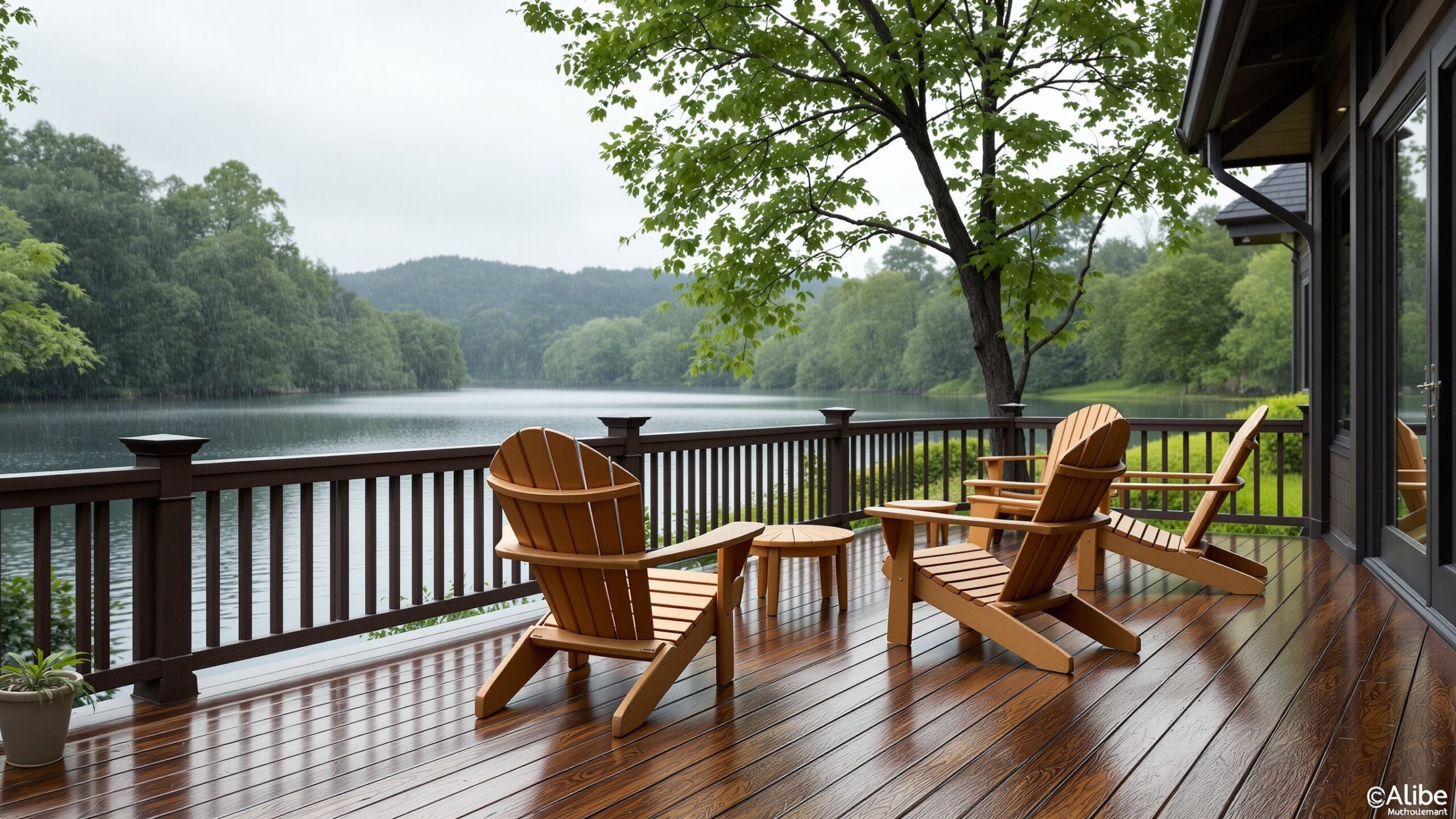
Adirondack chairs are more than simple outdoor seating. With their iconic slanted backs, wide armrests, and laid-back comfort, they have become a symbol of relaxed outdoor living—whether placed on a lakeside dock, a cozy front porch, a backyard patio, or a garden fire pit circle. But like any outdoor furniture, Adirondack chairs face constant exposure to sun, rain, humidity, wind, dust, snow, and seasonal temperature swings. Without proper storage, even the most durable chairs can fade, crack, warp, or deteriorate faster than expected. Learning how to store Adirondack chairs properly is one of the most important steps homeowners can take to extend the lifespan of their outdoor furniture. Proper storage protects structural integrity, preserves color and finish, prevents moisture damage, and ensures the chairs are ready for use when warm weather returns. Whether your chairs are made of traditional hardwood, pressure-treated lumber, poly lumber, recycled plastic, or composite materials, the right storage techniques can dramatically extend their usable life. This guide explores everything you need to know about storing Adirondack chairs correctly—from seasonal preparation and cleaning to long-term storage strategies and material-specific care. With thoughtful preparation and a few simple habits, Adirondack chairs can remain beautiful and comfortable for many years.
A: Indoor storage is best, especially for wood, but a fully covered, dry, well-ventilated area is still a strong upgrade over open exposure.
A: Usually yes, but cleaning them and protecting them from debris, standing water, and ice buildup will still help them last longer and look better.
A: Yes, but only after they are fully dry, and ideally with a breathable furniture cover rather than a moisture-trapping wrap.
A: Only if the design allows it. Many classic Adirondack shapes are not true stackers and can be scratched or stressed if forced together.
A: Putting chairs away damp or dirty. Moisture and grime can quietly cause mildew, stains, and finish breakdown during storage.
A: Often yes, if the finish is worn and the product has time to cure properly before storage. A sealed surface is better protected in the off-season.
A: They can, but elevating them slightly is better because concrete can hold and transfer moisture, especially in garages and basements.
A: Store them separately indoors in a dry, breathable container or shelf area so they do not trap moisture against the chair.
A: Not usually, but tightening loose hardware and replacing rusty pieces before storage is a smart move.
A: Clean, dry, inspect, and organize everything in fall so chairs come out ready for only a quick wipe-down and seasonal touch-up.
Why Proper Storage Matters for Adirondack Chairs
Outdoor furniture is designed to withstand weather, but continuous exposure eventually takes its toll. Adirondack chairs experience stress from ultraviolet radiation, moisture absorption, freezing and thawing cycles, and debris accumulation. Over time, these environmental forces can weaken materials, loosen joints, and damage finishes.
Sunlight is one of the biggest culprits. Ultraviolet rays break down wood fibers and degrade pigments in painted or stained finishes. Even high-quality outdoor finishes gradually fade when exposed to strong sunlight for long periods.
Moisture presents another major threat. Rain, snow, morning dew, and humidity can penetrate porous materials like wood, leading to swelling, cracking, or rot. Even synthetic materials can develop mildew or surface discoloration if left damp for extended periods.
Cold climates add additional stress. In regions where temperatures drop below freezing, trapped moisture expands as it freezes. This expansion can cause small cracks in wood and finishes to widen, gradually weakening the structure.
Wind, dust, and falling debris also contribute to wear. Dirt can grind into finishes, while leaves and organic matter hold moisture against surfaces. Over time, these conditions accelerate deterioration.
Proper storage minimizes these risks by limiting exposure to harsh environmental conditions during periods when chairs are not in use. Instead of enduring months of weather damage, the chairs remain protected and stable.
Understanding Adirondack Chair Materials
Before deciding how to store Adirondack chairs, it helps to understand the materials from which they are made. Different materials respond differently to weather and storage conditions. Traditional Adirondack chairs are often constructed from hardwoods such as cedar, teak, eucalyptus, or acacia. These woods are naturally resistant to insects and moisture but still require care to maintain their durability. Without protection, wood can fade, crack, or develop mildew.
Pressure-treated lumber is another common material. It is chemically treated to resist rot and insect damage, making it durable for outdoor environments. However, it can still weather over time if not properly maintained. Modern Adirondack chairs are frequently made from poly lumber or recycled plastic materials. These materials mimic the appearance of wood but resist rot, moisture absorption, and insect damage. They are extremely durable but can still fade or accumulate dirt if left exposed year-round.
Some Adirondack chairs combine materials, such as metal hardware with wood slats or composite plastics. Each component must be considered when preparing chairs for storage. Understanding the specific material of your chairs helps determine the best cleaning methods, protective treatments, and storage environments.
Preparing Adirondack Chairs for Storage
Before Adirondack chairs are stored for the season, proper preparation is essential. Storing chairs while dirty or damp can trap contaminants that cause long-term damage. The first step is a thorough cleaning. Outdoor furniture often accumulates pollen, dust, bird droppings, sunscreen residue, spilled drinks, and environmental pollutants. These substances can stain surfaces or degrade finishes over time.
A gentle cleaning solution made from mild dish soap and warm water usually works well for most chair materials. A soft brush or sponge can remove dirt without scratching surfaces. For wooden chairs, avoid harsh scrubbing that might damage protective finishes.
After washing, the chairs should be rinsed thoroughly with clean water. Any soap residue left behind can attract dirt or dull the finish. The chairs must then be allowed to dry completely. Moisture trapped in storage can lead to mold, mildew, or wood swelling. Allowing chairs to air dry in a shaded, well-ventilated area ensures they are fully dry before storage.
Hardware should also be inspected during this preparation stage. Screws, bolts, and brackets may loosen over time from repeated use. Tightening hardware helps maintain structural integrity during storage and prevents parts from shifting.
If chairs show signs of wear—such as chipped paint or fading finish—this is an ideal time to perform minor maintenance before storing them.
Seasonal Storage Timing
Timing plays an important role in Adirondack chair storage. While some homeowners leave chairs outside year-round, seasonal storage significantly extends their lifespan. In regions with cold winters, Adirondack chairs should typically be stored before the first major frost or snowfall. Freezing conditions combined with moisture can accelerate deterioration.
Autumn is often the ideal time to prepare chairs for storage. Leaves have begun to fall, outdoor gatherings become less frequent, and weather conditions become more unpredictable. Storing chairs during this transition protects them from winter storms and heavy snow accumulation.
In warmer climates, storage decisions may depend on rainy seasons or hurricane risks rather than freezing temperatures. Even if winter conditions are mild, storing chairs during periods of prolonged rain can prevent mildew buildup. For homeowners who use Adirondack chairs year-round, periodic temporary storage during severe weather can still be beneficial.
Choosing the Best Storage Location
Where Adirondack chairs are stored is just as important as how they are stored. The ideal storage location protects chairs from moisture, extreme temperatures, and direct sunlight while allowing adequate airflow.
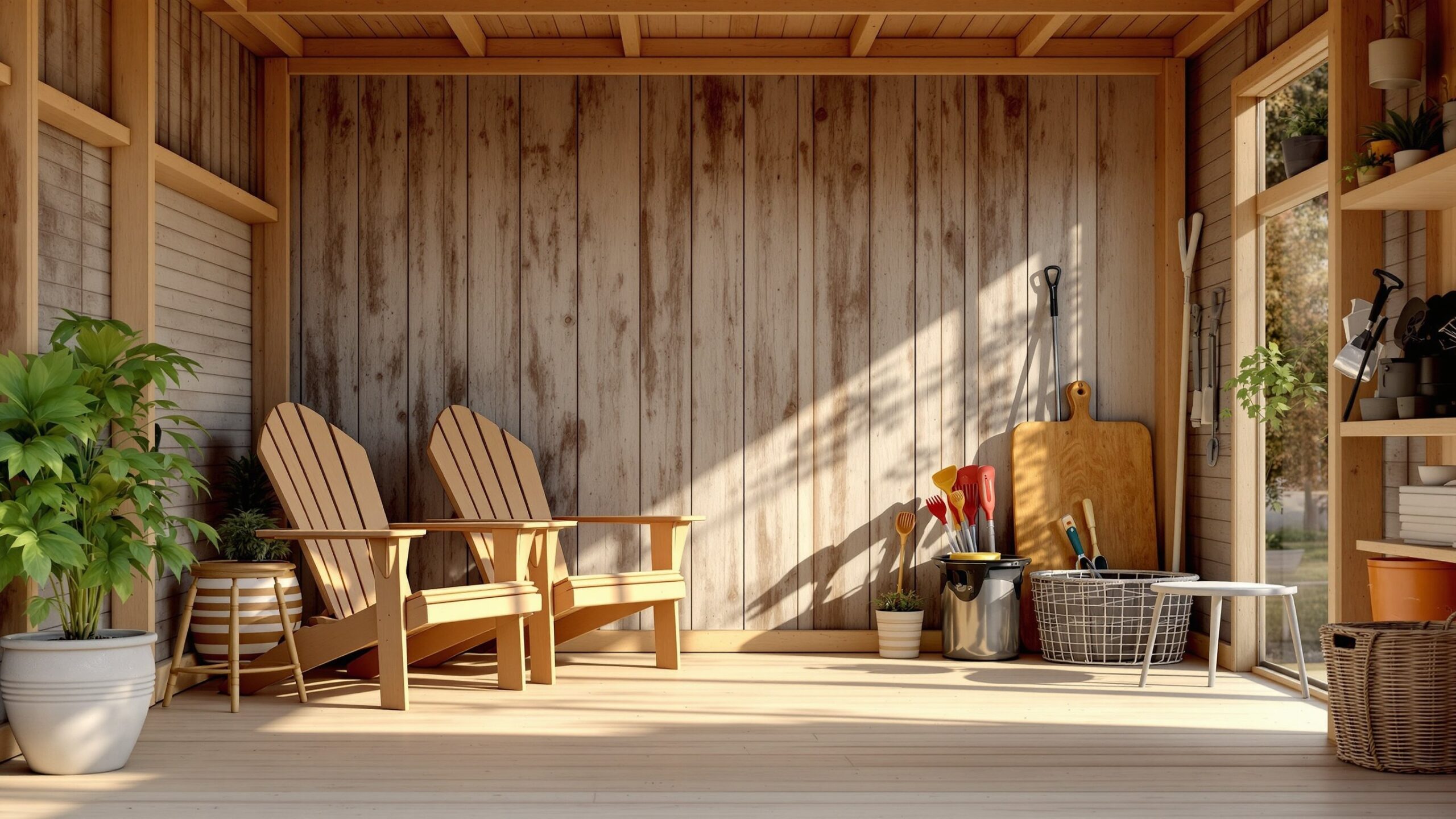
Indoor spaces are typically the best option. Garages, sheds, basements, and enclosed patios provide excellent protection from weather while keeping chairs easily accessible.
A garage is often the most convenient location because it offers stable temperatures and protection from rain or snow. Chairs can be stacked or placed along walls without occupying excessive space.
Outdoor storage sheds also work well, especially for homeowners with limited indoor space. A shed protects chairs from direct weather exposure while keeping them organized and secure.
Basements provide excellent environmental protection but may require careful transport to avoid damaging stairs or walls.
If indoor storage is unavailable, covered outdoor spaces such as screened porches or roofed patios can provide partial protection. However, chairs should still be covered with protective furniture covers to reduce exposure to dust and moisture.
Using Protective Covers
Protective covers are one of the most effective tools for preserving Adirondack chairs during storage. Even when stored indoors, covers prevent dust accumulation and accidental scratches. High-quality outdoor furniture covers are typically made from weather-resistant materials such as polyester, vinyl, or coated fabric. These covers shield chairs from moisture, dirt, and UV exposure. The best covers allow some airflow while preventing water penetration. Completely airtight covers may trap humidity and promote mildew growth. Before covering chairs, ensure they are completely dry. Covering damp furniture creates an environment where mold and mildew thrive. Covers should also fit properly. Loose covers may blow away or allow debris to enter, while extremely tight covers can trap moisture or stress chair components. When used properly, protective covers significantly reduce maintenance requirements and preserve the appearance of outdoor furniture.
Stacking and Space-Saving Storage Methods
Adirondack chairs are known for their wide design, which provides comfort but can make storage challenging. Efficient stacking or space-saving arrangements can help maximize available storage space.
Some Adirondack chairs are designed to stack neatly on top of one another. If your chairs are stackable, placing them in a vertical stack reduces the storage footprint significantly.
Foldable Adirondack chairs offer another space-saving solution. These designs allow the backrest and seat to fold together, creating a compact shape that fits easily in storage areas.
For non-stackable chairs, placing them side by side along a wall or corner works well. Avoid placing heavy objects on top of chairs, as this may warp slats or strain joints.
If space is limited, some homeowners disassemble chairs by removing hardware and separating major components. However, this method requires careful labeling and storage of hardware to ensure easy reassembly later.
Protecting Wooden Adirondack Chairs
Wooden Adirondack chairs require special attention during storage because wood is naturally porous and sensitive to environmental changes.
Before storage, wooden chairs should be inspected for signs of wear. Cracks, peeling paint, or worn finishes should be addressed to prevent further damage.
Applying a protective sealant, stain, or outdoor wood oil helps maintain the wood’s moisture resistance. These finishes create a barrier that prevents water from penetrating the wood fibers.
Teak and cedar chairs often benefit from specialized wood oils that maintain their natural appearance while enhancing durability.
During storage, wooden chairs should never be placed directly on damp floors. Elevating them slightly on wooden blocks or shelves improves airflow and prevents moisture absorption.
Properly stored wooden Adirondack chairs can last decades with routine care.
Caring for Polywood and Plastic Adirondack Chairs
Polywood and recycled plastic Adirondack chairs are widely known for their durability. These materials resist rot, insect damage, and moisture absorption, making them extremely resilient in outdoor environments. However, even these materials benefit from proper storage. Over time, prolonged UV exposure can cause slight fading or surface chalking. Cleaning plastic chairs before storage removes dirt and environmental residue that could stain surfaces during long periods of inactivity. Polywood chairs can usually be stacked safely, making them easier to store than wooden chairs. Although they tolerate outdoor exposure better than wood, storing them in shaded or covered areas still helps preserve their color and structural integrity.
Preventing Mold, Mildew, and Pest Damage
One of the most common issues with improperly stored outdoor furniture is the development of mold or mildew. These fungi thrive in warm, damp environments and can damage surfaces or create unpleasant odors.
Ensuring chairs are completely dry before storage is the most effective prevention method. Adequate ventilation in storage areas also reduces humidity levels.
Using breathable covers rather than airtight plastic sheeting allows moisture to escape.
Pests can also pose a problem. Rodents and insects sometimes nest in stored furniture during colder months. Inspecting chairs before storage and keeping storage areas clean reduces this risk.
Placing chairs slightly off the floor can further discourage pests from settling in.
Maintaining Adirondack Chairs During Storage
Even when chairs are stored properly, occasional inspections help ensure they remain in excellent condition. Checking on stored chairs once or twice during the off-season allows homeowners to detect potential issues early. Covers may shift, moisture may accumulate, or pests may appear. If storage areas become humid, improving ventilation or adding moisture-absorbing materials can help maintain a dry environment. Light cleaning or dusting during storage can also prevent buildup that might otherwise require extensive cleaning later.
Preparing Adirondack Chairs for the Next Season
When spring or warm weather returns, Adirondack chairs should be inspected before being placed back outdoors.
Removing covers and wiping surfaces with a clean cloth removes dust accumulated during storage.
Wooden chairs may benefit from a fresh coat of protective oil or sealant to prepare them for outdoor exposure.
Hardware should be checked again to ensure all components remain secure.
With proper storage and seasonal preparation, Adirondack chairs will look refreshed and ready for another season of outdoor relaxation.
The Long-Term Benefits of Proper Storage
Proper storage is one of the most effective ways to extend the lifespan of Adirondack chairs. By protecting furniture from harsh weather, moisture, and debris, homeowners reduce the need for costly repairs or replacements. Well-maintained chairs retain their structural strength, comfort, and aesthetic appeal year after year. Colors remain vibrant, finishes stay intact, and materials remain stable. Perhaps most importantly, proper storage preserves the experience Adirondack chairs provide—the simple pleasure of relaxing outdoors in comfortable seating designed for leisure and conversation. With thoughtful preparation, careful storage, and periodic maintenance, Adirondack chairs can continue to serve as inviting outdoor gathering places for many seasons to come.