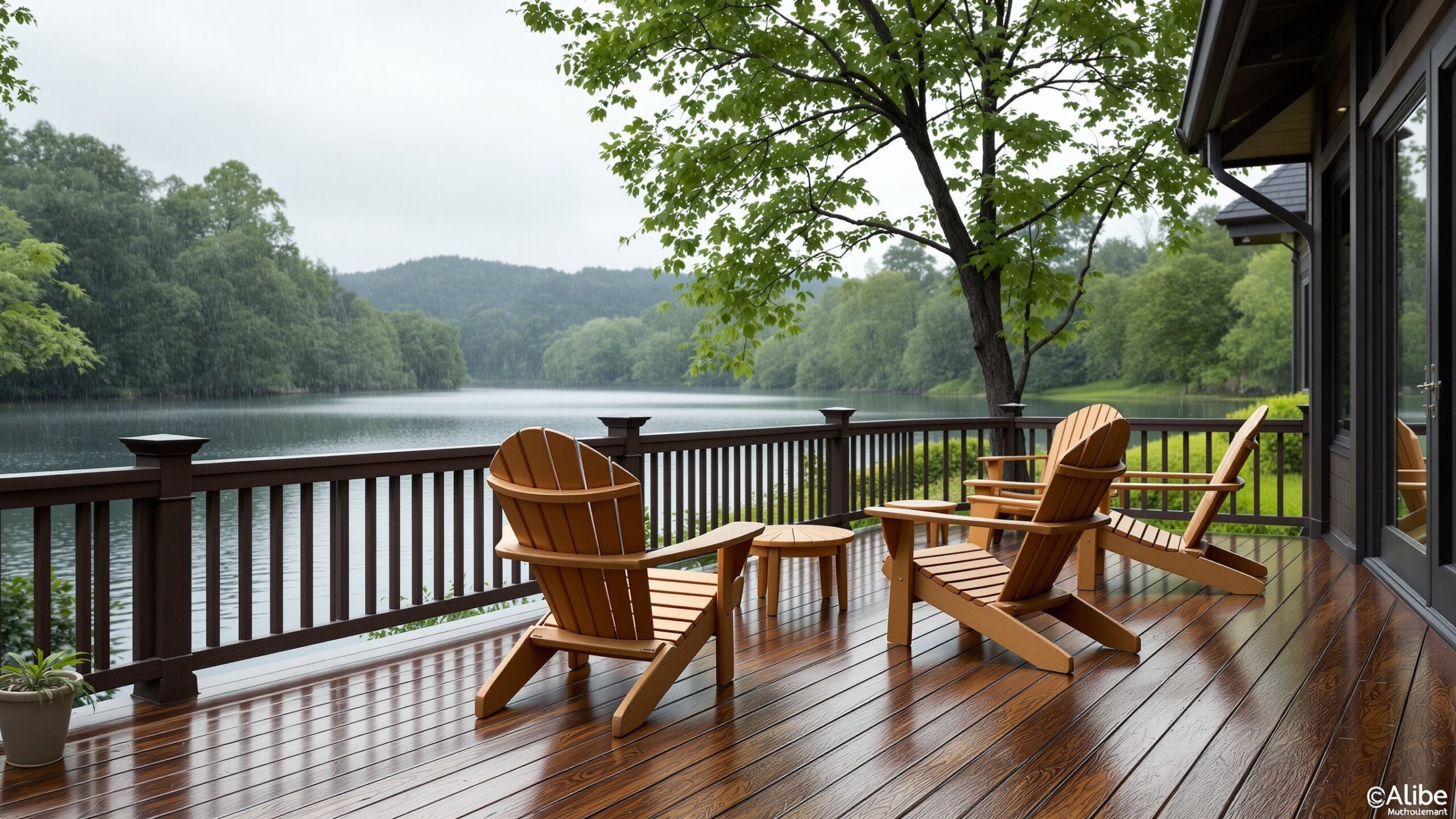
Adirondack chairs are more than just outdoor seating. They are symbols of relaxation, craftsmanship, and timeless comfort. Whether positioned on a lakeside dock, a shaded porch, a backyard patio, or around a fire pit, these iconic chairs invite people to slow down and enjoy their surroundings. Yet despite their sturdy appearance, Adirondack chairs are constantly exposed to forces that can shorten their lifespan if left unchecked. Sun, rain, snow, wind, moisture, insects, and temperature swings all take a toll over time. The good news is that Adirondack chairs can last for decades when properly cared for. With consistent maintenance and smart preventative habits, even moderately priced chairs can outlive expectations and maintain their comfort and beauty year after year. This guide explores the best maintenance tips to help Adirondack chairs last longer, covering everything from daily care to seasonal protection, material-specific strategies, and long-term preservation techniques.
A: Light rinse/brush as needed; a proper wash a few times per season keeps grime from breaking down finishes.
A: It’s risky—high pressure can fuzz wood and force water into joints. A soft brush is safer for longevity.
A: End grain—especially leg bottoms and slat ends—because it absorbs moisture fastest.
A: Film finishes can last longer when perfect, but oils are easier to refresh. The “best” is the one you’ll maintain on schedule.
A: Seasonal expansion + repeated sitting stresses joints. Tighten early; consider longer or upgraded exterior-grade fasteners when needed.
A: Remove cushions after rain, allow full drying, and avoid leaving fabric pressed on damp wood for days.
A: Breathable covers are better. Non-breathable tarps can trap condensation and accelerate mildew and finish failure.
A: Clean the spot, dry it, scuff lightly, and apply a small coat to arms/end grain—ten minutes now can save hours later.
A: Not at all. Graying is often surface-level UV weathering; cleaning + light sanding + finish refresh can restore and protect.
A: Add quality leg glides/pads and use rust-resistant hardware—both reduce moisture wicking and joint deterioration.
Why Adirondack Chair Maintenance Matters
Adirondack chairs are designed for outdoor life, but “outdoor-ready” does not mean maintenance-free. Wood fibers expand and contract with moisture, finishes degrade under ultraviolet light, metals corrode, and plastics weaken when exposed to extreme temperatures. Neglect allows small issues like hairline cracks or faded finishes to evolve into structural damage that compromises comfort and safety.
Regular maintenance preserves both function and appearance. Chairs that are cleaned, sealed, and protected properly retain their shape, support, and ergonomic comfort far longer than those left exposed year-round without care. Maintenance also protects your investment by delaying costly repairs or replacements, allowing your outdoor seating to age gracefully instead of deteriorating prematurely.
Understanding Your Adirondack Chair Material
Effective maintenance begins with understanding what your chair is made of. Adirondack chairs come in a variety of materials, each with unique strengths and vulnerabilities. Wooden Adirondack chairs, often made from cedar, teak, eucalyptus, pine, acacia, or fir, are prized for their classic appearance and natural feel. These woods respond differently to moisture, sunlight, and temperature changes, which affects how often they need cleaning, sealing, or refinishing.
Plastic Adirondack chairs, including recycled HDPE models, are resistant to moisture and insects but still require care to prevent fading, surface chalking, and brittleness. Metal Adirondack chairs, often aluminum or steel, resist rot but are vulnerable to corrosion and paint wear if protective coatings are compromised. Knowing your chair’s material allows you to tailor your maintenance routine for maximum longevity rather than relying on generic care advice.
Daily and Weekly Care That Makes a Big Difference
Small habits performed regularly can dramatically extend the life of Adirondack chairs. Routine care prevents dirt, moisture, and debris from settling into cracks, joints, and surfaces where damage begins.
Dust, pollen, leaves, and bird droppings should be wiped away as soon as possible. Organic matter traps moisture against surfaces, accelerating rot in wood and corrosion in metal. A soft cloth or quick rinse with clean water is often enough to keep chairs fresh between deeper cleanings.
After rain, allowing chairs to dry fully before sitting on them reduces long-term moisture exposure. If cushions are used, removing them when not in use prevents trapped humidity that can stain or warp chair surfaces.
Sun exposure is another daily concern. While Adirondack chairs are designed for outdoor environments, constant direct sunlight accelerates fading and surface breakdown. Whenever possible, rotating chairs or repositioning them slightly reduces uneven wear and extends the lifespan of finishes.
Proper Cleaning Techniques for Long-Term Durability
Cleaning Adirondack chairs the right way is essential. Aggressive methods may seem effective in the moment but often cause more harm than good. For wooden chairs, gentle cleaning with mild soap and water is ideal. Using a soft brush helps remove dirt from grooves and joints without damaging wood fibers. High-pressure washers should be avoided, as they erode wood surfaces, open grain pores, and shorten the life of protective finishes. Plastic chairs benefit from periodic washing with non-abrasive cleaners to remove surface grime and prevent staining. Harsh chemicals and abrasive pads can scratch the surface, making it more prone to dirt buildup later. Metal chairs should be cleaned with non-corrosive cleaners and dried thoroughly afterward. Any water left standing near joints or fasteners can initiate rust even on treated surfaces. Seasonal deep cleaning, typically in spring and fall, resets the chair’s condition and prepares it for months of use or storage.
Protecting Adirondack Chairs From Sun Damage
Ultraviolet radiation is one of the most damaging environmental factors for outdoor furniture. Over time, sunlight breaks down finishes, weakens wood fibers, fades colors, and dries out surfaces.
For wooden Adirondack chairs, UV-resistant sealants and stains are essential. Clear sealers preserve natural wood grain but require more frequent reapplication, while pigmented stains offer stronger UV protection and longer intervals between maintenance.
Plastic chairs benefit from UV-stabilized materials, but even these require occasional protection. Shade structures, umbrellas, or strategic placement under trees can dramatically reduce sun exposure. Using outdoor furniture covers during periods of intense sunlight, especially when chairs are not in use, adds another layer of protection and slows surface aging.
Moisture Control and Water Protection
Moisture is the primary enemy of Adirondack chairs, especially wooden models. Rain, dew, snow, and humidity all contribute to swelling, cracking, mold growth, and structural weakening. Sealing wooden chairs creates a barrier that limits water absorption while allowing internal moisture to escape. Penetrating oils nourish wood fibers, while film-forming sealants provide surface protection. The best choice depends on climate and desired appearance. Ensuring proper drainage is equally important. Chairs should be positioned on surfaces that allow water to flow away rather than pool underneath. Standing water accelerates decay in chair legs and fasteners. After heavy rain or snow, gently wiping down chairs or elevating them slightly improves airflow and speeds drying. Moisture left trapped between boards or beneath armrests leads to long-term damage that is difficult to reverse.
Seasonal Maintenance Strategies That Prevent Wear
Adirondack chairs benefit greatly from seasonal maintenance routines that align with weather patterns. Spring maintenance focuses on inspection and preparation. Cleaning away winter debris, checking for loose fasteners, and refreshing protective finishes ensures chairs are ready for frequent use.
Summer care emphasizes sun protection and moisture management. Regular cleaning and shade strategies prevent cumulative damage during peak exposure months.
Fall maintenance prepares chairs for colder weather. This is the ideal time to reapply sealants, tighten hardware, and address minor repairs before freezing temperatures arrive. Winter protection is critical in cold climates. Snow, ice, and freeze-thaw cycles place extreme stress on materials. Proper storage or covering during winter can add years to a chair’s lifespan.
Smart Storage Practices for Maximum Longevity
Storing Adirondack chairs properly during off-seasons is one of the most effective ways to extend their life. Indoor storage in a dry, well-ventilated space offers the best protection. Garages, sheds, and basements keep chairs away from UV radiation, moisture, and temperature extremes. If indoor storage is not possible, using high-quality, breathable furniture covers is essential. Covers should allow moisture to escape while blocking rain and snow. Non-breathable plastic covers often trap condensation, causing more damage than exposure alone. Stacking chairs incorrectly can warp frames and stress joints. Chairs should be stored upright and supported evenly to maintain their shape and structural integrity.
Inspecting and Tightening Hardware Regularly
Adirondack chairs rely on screws, bolts, and joints to maintain stability. Over time, expansion and contraction caused by temperature changes can loosen hardware, leading to wobbling and uneven weight distribution.
Routine inspections help catch loose fasteners early. Tightening hardware evenly prevents stress concentrations that crack wood or deform metal frames.
Rusty or corroded fasteners should be replaced promptly. Stainless steel or coated hardware is ideal for outdoor use and significantly extends chair longevity. Ignoring hardware maintenance allows minor looseness to evolve into structural failure that compromises safety and comfort.
Repairing Small Issues Before They Become Big Problems
Small cracks, chips, and surface wear are normal signs of aging, but addressing them early prevents larger issues. Hairline cracks in wood can be sealed with exterior wood fillers or epoxy designed for outdoor use. Once filled and sealed, these areas are far less likely to spread. Paint chips or worn finishes should be touched up promptly to prevent moisture intrusion. Bare wood exposed to the elements deteriorates rapidly, especially at joints and edges. Plastic chairs with minor surface scratches can often be restored with gentle polishing or protective treatments designed for outdoor plastics. Early intervention preserves both appearance and structural strength while reducing long-term repair costs.
Choosing the Right Finishes and Treatments
Not all finishes are created equal. Choosing the right product for your Adirondack chair’s material and environment makes a measurable difference in longevity. Oil finishes penetrate wood and enhance natural grain while allowing flexibility during expansion and contraction. These finishes require more frequent reapplication but resist cracking and peeling.
Film-forming finishes, such as spar varnishes and outdoor polyurethanes, create a durable surface barrier but must be applied carefully to avoid trapping moisture. For painted chairs, high-quality exterior paints with UV inhibitors provide excellent protection when properly maintained.
Matching the finish to climate conditions and maintenance preferences ensures long-lasting results without unnecessary labor.
Climate-Specific Maintenance Considerations
Environmental conditions play a major role in how Adirondack chairs age. Humid climates demand vigilant moisture control and mold prevention. Regular cleaning and breathable covers are essential. Dry, sunny regions require strong UV protection and periodic hydration of wooden surfaces to prevent cracking. Cold climates pose challenges from freezing moisture and snow accumulation. Elevation, storage, and timely sealing are critical for winter survival. Understanding your local climate allows you to adapt maintenance strategies for optimal results rather than relying on one-size-fits-all advice.
Maintaining Comfort Alongside Durability
Longevity is not only about structural survival but also about preserving comfort. Adirondack chairs are designed for relaxation, and maintenance should support that goal. Sanding rough areas restores smooth surfaces and prevents splinters. Checking seat slats and armrests ensures ergonomic support remains consistent.
Cushions and accessories should be cleaned and stored properly to maintain comfort without damaging chair surfaces. Comfort-focused maintenance keeps Adirondack chairs enjoyable, not just functional.
How Often Adirondack Chairs Really Need Maintenance
Maintenance frequency depends on material, climate, and exposure. Wooden chairs typically benefit from sealing or refinishing every one to three years, depending on wear. Plastic chairs require periodic cleaning and inspection, while metal chairs need rust prevention and coating maintenance. Consistent light maintenance is far more effective than infrequent major repairs. Regular care spreads effort over time while delivering better results.
The Long-Term Value of Proper Adirondack Chair Care
Adirondack chairs are often purchased with the expectation that they will last for years, if not decades. Proper maintenance turns that expectation into reality.
Chairs that are cleaned, protected, inspected, and stored thoughtfully age with character rather than deterioration. Their surfaces tell a story of use without sacrificing strength or comfort.
By investing time in maintenance, you preserve not only furniture but also experiences—quiet mornings, long conversations, and moments of rest that define outdoor living.
Making Adirondack Chairs Last for Generations
Adirondack chairs are built to endure, but their longevity ultimately depends on how they are treated. Maintenance is not about perfection; it is about consistency, awareness, and care. With the right habits, materials, and seasonal strategies, Adirondack chairs can remain beautiful, comfortable, and structurally sound far longer than most people expect. They become lasting fixtures in outdoor spaces rather than disposable furnishings. Taking care of Adirondack chairs is an investment in craftsmanship, sustainability, and enjoyment. When maintained properly, these iconic chairs do not just last longer—they become better with time.