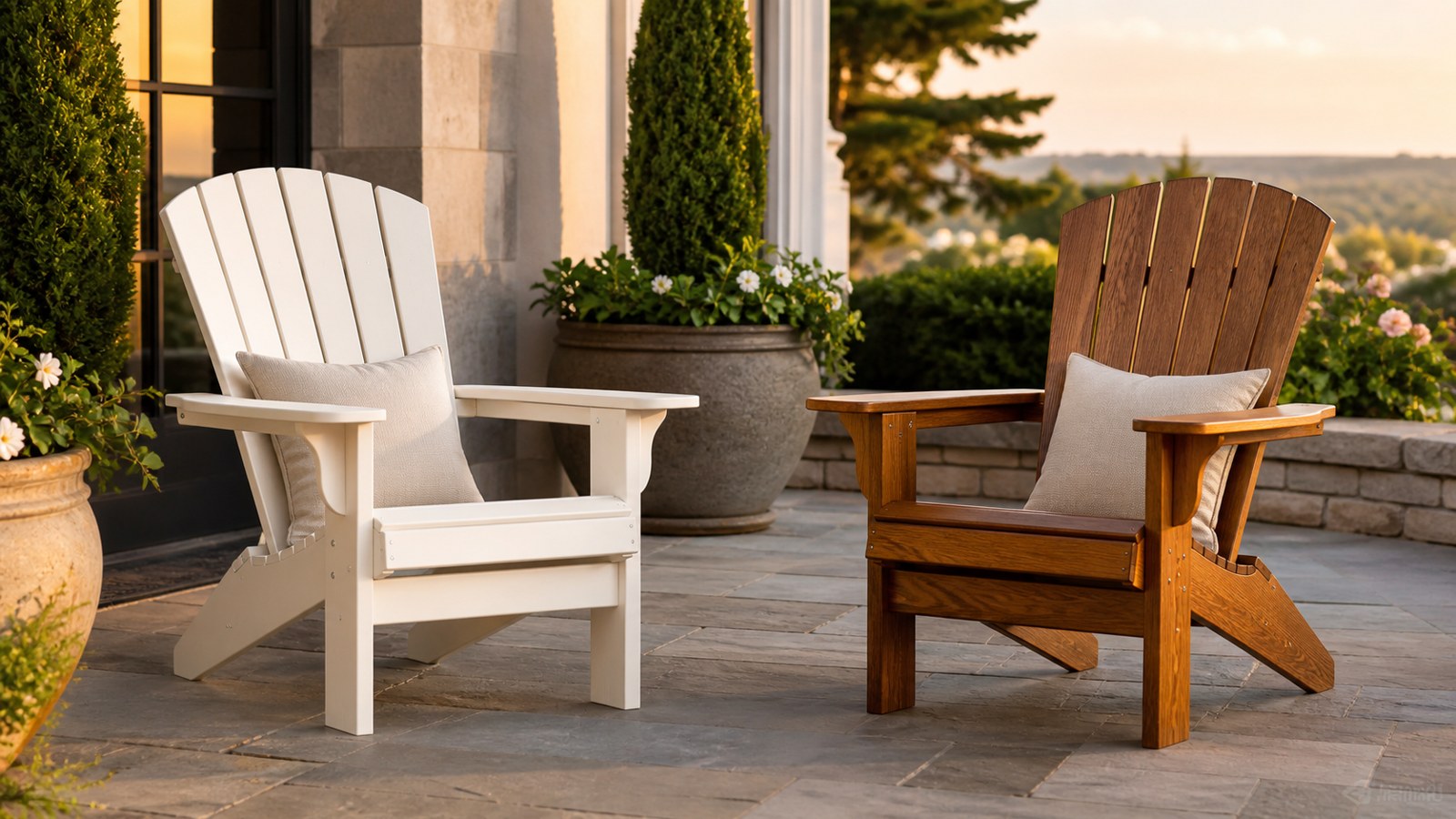
When it comes to outdoor furniture, cabinetry, or wooden architecture, the question often arises: should you paint it or stain it? Both finishes bring their own beauty, charm, and protection to wood surfaces—but they differ dramatically in upkeep, longevity, and how they age over time. Choosing between a painted or stained finish isn’t just a matter of color preference; it’s a strategic decision about maintenance, weather resistance, and long-term appearance. This comprehensive guide explores the differences between painted and stained finishes with a focus on which is truly easier to maintain, so you can make a confident, informed choice that fits both your lifestyle and your design goals.
A: Solid-color stain usually—no primer, forgiving touch-ups, and fading rather than peeling.
A: Yes—clean, sand scuff, then prime (bonding/tannin block as needed) before paint.
A: Not penetratingly—remove paint or switch to solid-color stain after proper prep.
A: High-quality acrylic paint or solid stain with strong UV blockers; schedule inspections yearly.
A: Acrylic systems (paint or solid stain) resist chalking/mildew; rinse salt/chlorine regularly.
A: Choose satin/matte paint or matte stain; avoid high-gloss on touchpoints.
A: Scrape/sand to sound coating, spot-prime bare wood, recoat; or strip and switch to solid stain for easier future maintenance.
A: Quick rinse monthly, mild soap seasonally; prevent grime that feeds mildew.
A: Use products rated 35–50°F; extend dry times and avoid dew windows.
A: Paint enables dramatic rebrands fast; stains excel at subtle wood-tone tweaks with minimal prep.
The Beauty and Burden of Paint
Paint is a popular option for those who crave smooth, solid coverage and endless color choices. It can transform tired wood into something sleek and modern—or classic and crisp, depending on your palette. But beauty often comes with effort, and maintenance is where painted finishes reveal their true nature.
Paint’s Protective Power
Paint creates a thick film over the wood surface, sealing it from moisture, sun, and pests. It’s essentially an opaque armor that hides the wood grain while providing a strong line of defense against the elements. For outdoor projects—like Adirondack chairs, siding, or fences—high-quality exterior paints can last several years before needing a refresh. However, once paint begins to fail, it tends to do so dramatically. Cracking, peeling, and blistering can occur as moisture sneaks beneath the surface, lifting the paint from the wood. When this happens, maintenance becomes less about touch-up and more about full restoration.
The Repainting Reality
Repainting a surface is one of the more labor-intensive maintenance tasks. Old paint often needs to be sanded, stripped, or pressure washed before a new coat can adhere properly. Each layer adds thickness, which can eventually hide fine details of the wood or furniture design.
That said, modern paints are more advanced than ever. Many contain UV inhibitors, mildew-resistant additives, and flexible polymers that expand and contract with the wood’s natural movement. With proper prep and premium products, a painted finish can last anywhere from 5 to 10 years outdoors and even longer indoors before showing signs of distress.
The Subtle Strength of Stain
In contrast to paint, stain penetrates the wood rather than sitting on top of it. This key difference changes everything about how it looks, feels, and weathers over time. Stain enhances the natural grain, offering a rustic, organic aesthetic that feels grounded and timeless.
Natural Beauty, Natural Wear
Because stain soaks into the wood fibers, it moves with the wood instead of forming a brittle layer above it. When exposed to weather, stained wood tends to fade gently rather than peel or crack. This makes maintenance more forgiving. You can reapply stain directly over an existing finish without major sanding or stripping.
There are different types of stains—solid, semi-transparent, and clear—that determine both appearance and upkeep.
- Clear and semi-transparent stains highlight the wood’s character but provide less UV protection.
- Solid stains look closer to paint in coverage but retain a bit of grain visibility and are easier to recoat.
Each offers a different balance between aesthetics and durability, but all share the advantage of simpler upkeep compared to paint.
Easier Refreshes, Simpler Upkeep
When a stained surface begins to fade, maintenance is typically straightforward: clean the surface, allow it to dry, and reapply stain. No stripping, no scraping—just renewal. The ease of reapplication makes stain particularly appealing for decks, outdoor furniture, and fences where regular exposure to the elements is unavoidable.
However, stain does require more frequent attention. Depending on the type of stain and environmental exposure, you may need to reapply every 2 to 5 years. The tradeoff is that each refresh is far less work than a full repainting project.
Weathering the Sun and Seasons
One of the most decisive factors in long-term maintenance is how well a finish stands up to sunlight, moisture, and temperature fluctuations. UV radiation is especially punishing, breaking down both pigments and protective binders in finishes over time.
Paint and Sunlight
Painted surfaces, especially lighter colors, reflect sunlight and resist fading longer than darker paints. However, once UV rays begin to degrade the paint’s binder, the color can chalk, and the surface may lose its sheen. Moisture that seeps into cracks or joints can push the paint off in sheets—a common frustration for homeowners in humid or coastal regions.
The advantage of paint lies in its complete coverage. When well-maintained, it can act like sunscreen for the wood beneath, preventing sun bleaching and reducing the risk of dry rot.
Stain and the Elements
Stains—particularly semi-transparent or clear ones—offer less UV protection because they allow sunlight to reach the wood. Over time, this exposure can gray the surface and fade color pigments. Yet many homeowners appreciate this natural patina and view it as part of the wood’s character.
Modern stains with UV blockers and water repellents can extend life significantly. A quality oil-based or hybrid stain can protect outdoor wood for several years before fading becomes noticeable. And because it wears gradually rather than catastrophically, you have more control over when and how to refinish.
Maintenance Frequency vs. Maintenance Effort
To determine which is easier to maintain, it helps to consider two factors: how often maintenance is required, and how hard that maintenance is to perform.
Paint: Less Frequent, More Demanding
A good paint job can last years, but once deterioration begins, repairs are labor-intensive. Peeling paint must be fully removed, surfaces sanded smooth, and primer reapplied before repainting. It’s an all-or-nothing approach—when paint fails, spot fixes often stand out and look patchy.
This makes paint better suited for homeowners who prefer longer intervals between major maintenance projects, even if the work is significant when it comes due.
Stain: More Frequent, Less Demanding
Stain requires more regular upkeep—typically every few years—but the process is forgiving and fast. There’s little need to strip or sand; cleaning and restaining can be accomplished in a weekend. For those who enjoy maintaining their outdoor spaces incrementally, stain provides flexibility and minimal disruption.
In short: paint is the marathoner (long runs, high effort), while stain is the sprinter (shorter runs, lower effort).
The Prep and Application Factor
Ease of maintenance isn’t just about the long term—it begins the moment you apply the finish. A properly applied coat of paint or stain will determine how gracefully it ages and how much work future you will face.
Prepping for Paint
Painting requires meticulous preparation. Wood must be clean, dry, and free from previous finishes or flaking material. Primer is essential to seal pores and help the paint adhere. Skipping steps here often leads to premature peeling or bubbling.
Once applied, paint needs ample drying time between coats—especially oil-based formulas—and ideally should cure under stable weather conditions. The upfront investment in time and precision pays off in durability but adds to the overall maintenance burden.
Staining Simplicity
Staining is comparatively simple. While proper cleaning is still essential, you don’t need to strip every trace of the previous finish. Most stains can be applied with a brush, roller, or sprayer, and excess can be wiped away. One or two coats are typically enough.
The wood’s porosity does the heavy lifting, absorbing the pigment and sealant. This not only saves time but makes touch-ups less obvious, since new layers blend naturally with the old.
Cost of Maintenance Over Time
When factoring in maintenance ease, cost plays a central role. Paint and stain differ not just in price per gallon, but in how those costs accumulate over time.
Painting Expenses
Painting often costs more upfront due to primer, multiple coats, and professional labor if hired out. A high-quality exterior paint job can range from several hundred to several thousand dollars depending on size and complexity. However, because it lasts longer, repainting costs are spread across a longer timeline.
The caveat: when repainting becomes necessary, the labor and material costs are significant, since the surface often requires complete rejuvenation.
Staining Expenses
Staining is more affordable in both materials and labor. Most surfaces need only one or two coats, and the process is faster. While it must be done more frequently, each session costs less, and the ongoing upkeep can often be handled by homeowners themselves without professional help.
Over a 15-year period, the total cost of stain maintenance can rival that of paint—but with a steadier, more manageable investment of effort and funds.
Aesthetic Longevity and Style Considerations
Beyond durability, how each finish ages plays a major role in perceived maintenance. Some people love the crisp, uniform look of freshly painted surfaces, while others prefer the natural evolution of stained wood.
Paint’s Pristine Appeal
Paint creates a uniform, flawless finish that covers imperfections and offers limitless color customization. This makes it ideal for contemporary homes, cottage-style exteriors, or furniture pieces where a cohesive color scheme matters.
However, when it begins to chip or fade, the flaws are immediately noticeable. Painted wood rarely weathers gracefully—it either looks perfect or needs repair.
Stain’s Organic Evolution
Stained finishes, on the other hand, develop character over time. As they weather, the shifts in tone and texture often enhance the material’s authenticity. The grain remains visible, the surface remains tactile, and the imperfections tell a story.
For rustic, traditional, or natural designs, stain is the more forgiving and aesthetically consistent choice. Even as it fades, it does so evenly and attractively, reducing the urgency for constant upkeep.
Environmental and Health Impacts
Modern coatings have improved dramatically in terms of safety and sustainability, but maintenance ease also depends on how eco-friendly and user-safe these products are to reapply.
Paint and VOCs
Paints—especially older or oil-based varieties—can emit volatile organic compounds (VOCs), which contribute to air pollution and may cause health issues with prolonged exposure. While low-VOC and water-based paints are now widely available, surface preparation often involves chemical strippers or primers that add to environmental impact. Disposing of paint also poses challenges, as leftover materials can’t be poured down drains or disposed of like standard waste.
Stain’s Natural Advantage
Stains, particularly those made from natural oils or water-based formulas, tend to have lower VOC levels. They penetrate the wood rather than coating it, requiring less product overall. Cleanup is simpler, and eco-friendly stains are now common for homeowners seeking sustainable choices.
In terms of maintenance, this means fewer harsh chemicals and an easier reapplication process—especially important for decks, patios, and outdoor furniture where environmental runoff can be a concern.
Indoor vs. Outdoor Applications
The ease of maintaining painted versus stained finishes can vary dramatically depending on where they’re used. The needs of an indoor dining table differ greatly from an outdoor bench or deck exposed to full sun.
Indoor Maintenance
Indoors, both finishes last significantly longer due to reduced exposure to UV rays and moisture. Paint maintains its luster for years, and stained finishes stay rich and warm with minimal fading. Maintenance often comes down to cleaning and occasional touch-ups.
For interior furniture or cabinetry, the choice depends more on desired appearance than maintenance. Painted surfaces are easy to wipe clean and offer design flexibility, while stained wood creates a natural warmth that complements rustic or traditional interiors.
Outdoor Maintenance
Outdoors is where the difference truly shows. Painted wood, though well-protected, will eventually peel under UV exposure and moisture cycles. Stained wood, conversely, fades gently and allows for easy restaining.
If your outdoor climate includes intense sunlight, wide temperature swings, or high humidity, stain tends to outperform paint in terms of maintenance simplicity. It allows the wood to “breathe” and adapt, whereas paint can trap moisture and deteriorate faster.
Practical Scenarios and Recommendations
To truly evaluate which finish is easier to maintain, it helps to consider specific use cases.
Decks and Outdoor Furniture
For decks, fences, and Adirondack chairs, stain is almost always the better choice. Its ability to absorb into the wood, repel moisture, and fade naturally means you can refresh it regularly without a full overhaul. A solid or semi-transparent stain offers enough UV protection while keeping maintenance light and manageable.
Exterior Trim and Siding
Here, paint often takes the lead. Its opaque coverage and sealing power protect wood against rain and sun, and its color stability enhances curb appeal. Yes, repainting is a larger task—but it happens less frequently, and the initial investment provides a striking, uniform finish that stain cannot replicate.
Indoor Furniture and Cabinets
For interior pieces, the choice depends on style. Painted finishes provide design flexibility, while stained finishes add warmth and texture. Both are relatively easy to maintain indoors, so preference should guide the decision.
The Verdict: Which Is Easier to Maintain?
When comparing painted versus stained finishes, there’s no universal winner—only the right choice for your specific needs. However, in terms of pure maintenance ease, stain generally takes the lead.
Here’s why:
- Fading vs. Peeling: Stain fades gradually, paint peels dramatically.
- Reapplication: Stain can be reapplied with minimal prep; paint requires extensive sanding and priming.
- Aesthetic tolerance: Faded stain still looks natural; chipped paint looks neglected.
Paint, on the other hand, excels in longevity per application and total protection but demands more effort when it finally needs renewal.
If you’re looking for a finish that’s low-fuss, naturally aging, and easy to refresh, go with stain.
If you prefer sharp lines, rich colors, and maximum protection with long intervals between updates, choose paint—just be prepared for more work when that update eventually arrives.
Balancing Beauty, Effort, and Environment
Choosing between paint and stain isn’t only about how your wood looks today—it’s about how it will live tomorrow. Stain invites an ongoing relationship with your wood surfaces, allowing gentle renewals and a sense of continuity. Paint offers the satisfaction of long-lasting transformation and bold design statements, though it asks for patience when maintenance time rolls around.
Ultimately, ease of maintenance is about aligning expectations with lifestyle. If you love the look of timeless, weathered wood that asks for a little attention every few years, stain will reward you with simplicity. If you favor the polished, vibrant charm of a well-painted surface and don’t mind the occasional overhaul, paint remains a beautiful and durable choice. Both finishes have evolved with modern formulations that extend life and minimize hassle—but your best finish will always be the one that fits your rhythm of care, your climate, and your creative vision.