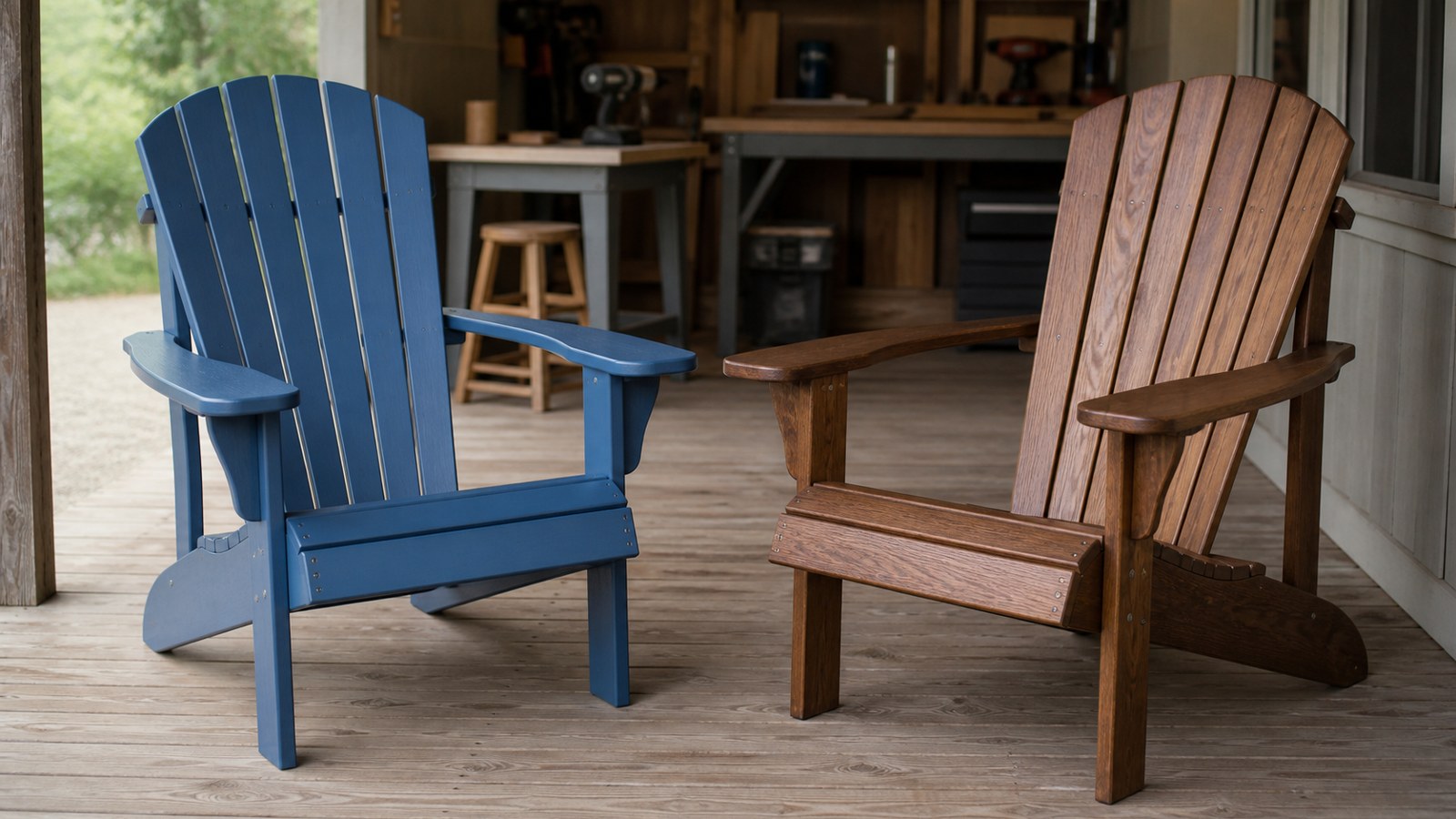
When you first see a piece of outdoor furniture gleaming with a flawless coat of paint or a richly tinted wood stain, it’s easy to fall in love with the color, depth, and personality of the finish. But if that furniture sits on a sunny deck, near a pool, or in a yard with little shade, you might soon notice the color dulling, fading, or changing entirely. The culprit? Sunlight—specifically ultraviolet (UV) radiation. The debate over whether painted or stained finishes fade faster in sunlight has existed for decades. Both finishes can look spectacular when new, but they behave very differently under the relentless gaze of the sun. To understand which one holds up better, we have to explore how each finish interacts with UV rays, the materials they’re made from, and the conditions they face outdoors.
A: Clear/semi-transparent stains fade fastest; solid stains and quality exterior acrylic paints resist fade the longest.
A: Off-whites, taupes, olives, greys using iron-oxide/TiO₂ pigments outlast bright reds/yellows.
A: Usually—they absorb more heat; choose IR-reflective pigments or go a shade lighter.
A: It helps, but won’t stop fade; pigment density remains the key factor.
A: Clean, sand dull, prime with exterior acrylic stain-blocking primer, then two paint coats.
A: Only if you strip to bare wood; otherwise use a solid-color stain or repaint.
A: Brush a sample board and leave in sun 2–4 weeks; compare to control kept indoors.
A: Yes—higher UV at elevation accelerates fade; choose higher-tier acrylics/solid stains.
A: Gentle wash quarterly, rinse after salt/chlorine, and fix nicks before water wicks in.
A: Noticeable color shift, chalky residue, hairline cracks (paint), or greying/bare wood (stain).
The Science Behind Fading: UV Rays and Material Breakdown
Before comparing paint and stain, it helps to understand what actually causes finishes to fade. Sunlight is a mix of visible light, infrared (heat), and ultraviolet radiation. It’s the UV portion that does most of the damage.
UV rays break down the molecular bonds in pigments and resins—the two key components that give color and structure to paints and stains. As these bonds weaken, color molecules are destroyed or altered, resulting in visible fading. Heat and moisture accelerate this process by causing expansion, contraction, and oxidation of the surface beneath the finish.
In other words, no finish is immune to the sun. But the degree and speed of fading depend on the type of coating, its color, the surface material, and how it’s applied and maintained.
Painted Finishes: Layers of Protection
Paints are made up of pigments (which provide color and opacity), binders or resins (which hold the pigment to the surface), and solvents (which help spread the paint evenly and then evaporate as it dries). When paint is applied to wood, metal, or plastic furniture, it forms a thick, opaque film on top of the material. This film acts as a barrier against both sunlight and moisture. In many cases, paint provides better initial UV protection because it blocks light from penetrating to the substrate. However, while this barrier can shield the material underneath, the paint’s own pigments and binders can still degrade over time. Bright colors like red, yellow, and turquoise fade faster because their pigments are more sensitive to UV breakdown. White and neutral paints, especially those with titanium dioxide or other reflective pigments, tend to last much longer.
Stained Finishes: Beauty in Transparency
Unlike paint, stain doesn’t sit on top of the surface—it soaks into the pores of the wood, enhancing the grain and texture while adding color. Stains are typically made of dyes or pigments suspended in a carrier (like oil or water) along with resins that help seal the surface.
Because stains penetrate rather than coat, they tend to move with the wood as it expands and contracts. This makes them less prone to peeling or cracking, a common issue with painted finishes over time. But the trade-off is less UV protection. Transparent and semi-transparent stains allow some sunlight to reach the wood fibers, gradually bleaching the color.
Solid stains—those that contain more pigment and behave somewhat like thin paint—offer more UV resistance, but they still don’t completely block sunlight in the way a thick coat of paint can.
Sunlight Exposure: The Deciding Factor
If you live in an area with intense sunlight—like the American Southwest, parts of Florida, or the high plains—painted finishes tend to hold up longer. Their dense, opaque coverage creates a shield against harsh UV exposure.
In contrast, in moderate or shaded environments—like northern states or heavily wooded yards—stained finishes can perform beautifully for years. They may fade gently over time, creating a natural patina that enhances rather than detracts from the wood’s appearance.
The key is matching the finish to the environment. A painted Adirondack chair in Arizona may need touch-ups every few years, while a stained cedar bench under a pergola in Oregon might only need occasional maintenance to retain its glow.
Durability Over Time: How Each Finish Ages
Paint
Paint tends to age in a way that’s both protective and problematic. When well-maintained, it forms a long-lasting film that resists UV penetration and moisture. But when that film begins to fail, it does so dramatically—peeling, cracking, or flaking off in patches. Once paint starts peeling, the exposed areas fade rapidly, and repairs can be labor-intensive. The process often requires sanding, priming, and multiple coats of repainting to restore uniform coverage. However, when properly maintained with high-quality exterior paints—especially those with built-in UV blockers or reflective pigments—paint can last 7–10 years before major refinishing is needed.
Stain
Stains fade more gracefully. Instead of peeling, they simply lighten or lose depth of color over time. This makes maintenance easier; a quick cleaning and reapplication can rejuvenate the finish without extensive prep work.
The downside is frequency: stained surfaces typically need re-treatment every 2–4 years, depending on exposure levels. Solid stains last longer, while transparent and semi-transparent ones require more frequent touch-ups.
Color Retention: Pigments, Dyes, and Reflectivity
The chemistry of color plays a major role in how fast a finish fades. Paints use opaque pigments, while stains often rely on dyes or translucent pigments that allow the wood grain to show through. Pigmented paints have the advantage here: the pigment particles are larger and more stable, giving them better resistance to UV degradation. Reflective pigments like titanium dioxide (common in white and pastel paints) scatter UV rays, further protecting the underlying layers. Dyes in stains, on the other hand, absorb light to create rich hues—but that absorption is exactly what accelerates fading. The deeper and more saturated the color, the faster it tends to fade in direct sunlight.
Moisture, Heat, and Other Environmental Stressors
Sunlight isn’t the only factor in finish longevity. Moisture, temperature swings, and humidity levels all contribute to surface breakdown.
Painted finishes are generally more water-resistant, since their film prevents water from penetrating into the substrate. This makes them an excellent choice for surfaces frequently exposed to rain or splashing—like poolside furniture or coastal decks.
Stained finishes, especially those that penetrate deeply into the wood, offer moderate protection but allow some moisture exchange. This can actually benefit the wood by preventing trapped water from causing rot beneath a sealed layer—but it also means faster color degradation in damp climates.
In hot regions, the dark pigments in either finish can absorb more heat, accelerating fading and potential warping. For UV-intensive areas, lighter shades—whether paint or stain—are always the better choice.
Maintenance and Longevity: A Tale of Two Routines
Keeping your outdoor furniture or siding vibrant isn’t just about choosing paint or stain—it’s about maintaining it. Paint requires less frequent but more involved upkeep. You can expect to repaint every 7–10 years, but the process is labor-intensive. It often includes sanding, scraping, priming, and multiple coats of finish. Stain, on the other hand, demands more frequent but simpler maintenance. Most stained surfaces can be revived with a power wash and a single fresh coat of stain. Many homeowners prefer this routine because it’s less disruptive and allows for easier color changes or aesthetic updates. In terms of total time investment over decades, the two balance out—paint lasts longer between applications, but stain touch-ups are quicker and easier.
Technological Advances: Modern UV Protection
Today’s coatings are not what they were even a decade ago. Paint and stain manufacturers have developed advanced formulas that significantly slow down fading and degradation.
Modern acrylic and latex paints often include UV absorbers and reflective additives that act like sunscreen for your surfaces. These compounds absorb or deflect UV radiation before it can damage pigments and resins.
Similarly, many premium stains now contain nanoparticles or synthetic UV inhibitors that help preserve both the wood and the color longer. Oil-based stains continue to offer deep penetration and water resistance, while newer water-based versions dry faster, emit fewer fumes, and are easier to clean up—all while providing competitive UV protection.
Aesthetic Considerations: Character vs. Coverage
The choice between paint and stain often goes beyond durability—it’s also about aesthetics. Paint offers a uniform, bold appearance that can transform wood, metal, or composite furniture into a statement piece. It hides imperfections and allows for virtually endless color options. Stain, by contrast, highlights the natural texture and personality of the material beneath. It lets the grain of the wood breathe visually, creating warmth and organic appeal. Even as stain fades, it often does so gracefully, developing a soft, sun-kissed patina that many people find appealing. If your goal is to showcase the craftsmanship of natural wood, stain is the clear choice. If you want color consistency and a modern, crisp look, paint delivers.
Environmental and Sustainability Factors
Eco-conscious homeowners often wonder which option is better for the planet. The answer depends on the specific products used.
Many modern paints and stains are now low-VOC (volatile organic compound) or even zero-VOC, meaning they release fewer harmful emissions during application and curing. However, traditional oil-based finishes—especially stains—still emit higher VOC levels.
From a longevity perspective, paint’s extended lifespan can reduce waste and the frequency of refinishing, but stains often require fewer harsh chemicals for stripping and reapplication.
Natural stains derived from plant oils, water, or mineral pigments are increasingly available and offer a greener alternative without sacrificing performance.
Cost Comparison: Short-Term vs. Long-Term Value
Upfront, stain is usually cheaper. It requires fewer coats, less prep, and smaller quantities per square foot. A gallon of quality exterior stain can cover more surface area than the same amount of paint. However, because stained surfaces need more frequent maintenance, the long-term cost can catch up. Re-staining every few years adds material and labor expenses that might eventually equal or exceed the price of a good paint job. Paint, while more expensive initially, offers longer intervals between maintenance cycles, which often translates to better long-term value—especially for surfaces that are difficult to reach or refinish regularly.
Real-World Examples: Fading in Action
Example 1: The Painted Porch Swing
A white painted porch swing in Charleston, South Carolina, spends its days in bright coastal sun and salty air. The paint begins to chalk slightly after seven years but maintains most of its brightness thanks to its reflective pigments and UV additives. A light sanding and repainting easily restore its brilliance for another decade.
Example 2: The Stained Cedar Deck
A semi-transparent walnut stain enhances the grain of a cedar deck in Colorado. After three years of intense high-altitude sun, the rich brown fades to a golden tan. The surface remains smooth, and reapplying a single coat brings the deck back to life—no stripping or sanding required.
These examples illustrate the typical behavior of each finish: paint protects longer but fails more dramatically, while stain fades faster but recovers more easily.
How to Slow the Fading Process
You can significantly extend the life of either finish with a few proactive steps:
- Choose quality products. Look for paints or stains labeled “UV-resistant” or “exterior-grade.”
- Apply multiple thin coats. Two or three light layers last longer than one thick coat.
- Keep surfaces clean. Dirt and mildew trap moisture and heat, accelerating fading.
- Add a clear topcoat or sealer. Some UV-blocking sealers can prolong color retention for both paints and stains.
- Minimize direct sun exposure. Position furniture under shade structures or rotate pieces periodically to ensure even fading.
The Verdict: Which Fades Faster?
In the purest sense, stained finishes fade faster in sunlight than painted ones. This is primarily because stains—especially transparent and semi-transparent types—allow UV light to penetrate deeper into the surface, breaking down both the colorants and the material beneath.
Painted finishes, with their dense, opaque pigments and protective film, typically provide better UV resistance and longer color retention. However, once paint begins to fail, it requires much more effort to restore.
So the “winner” depends on what matters more to you:
- Paint for maximum color durability and UV protection.
- Stain for natural beauty, easy maintenance, and a more organic fade.
Beauty, Longevity, and Lifestyle
The battle between paint and stain isn’t about superiority—it’s about matching the finish to your lifestyle, climate, and aesthetic goals.
If you live in a high-sun area and prefer bold, consistent color, paint offers superior longevity. If you value a natural look that evolves with time and don’t mind periodic refreshes, stain provides timeless charm and authenticity.
In the end, both finishes can be remarkably durable and beautiful with proper preparation and care. The true secret to lasting outdoor color isn’t just choosing the right product—it’s understanding your environment, maintaining your surfaces, and embracing the way sunlight tells its own story across time and texture.