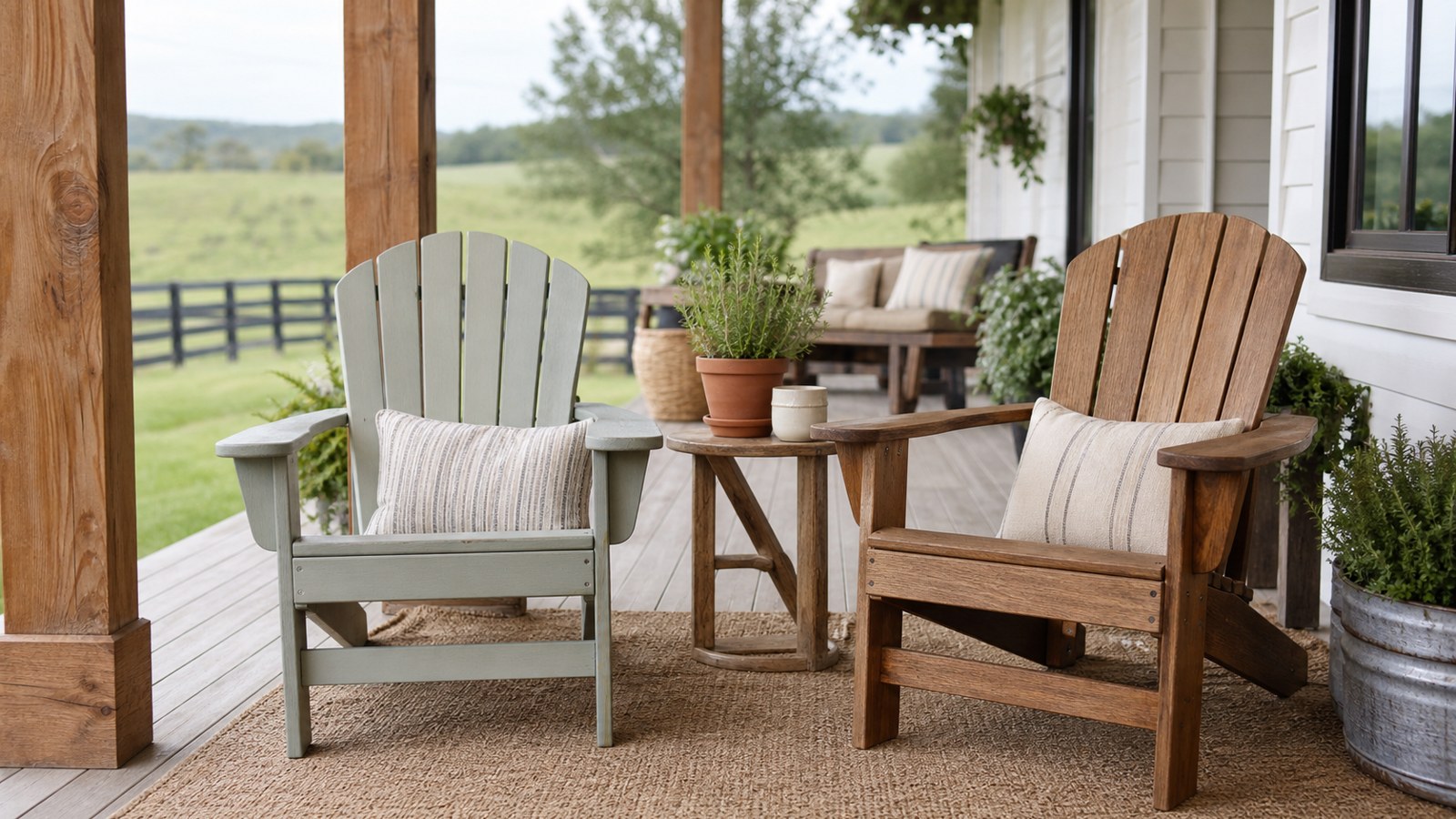
In the evolving landscape of home design, every surface plays a part in defining style—from the walls to the outdoor furniture, from cabinetry to siding. Among the many design debates homeowners face, few are as enduring and influential as the choice between painted and stained finishes. This decision shapes not just the appearance of wood but the entire character of a home, influencing whether it feels sleek and contemporary or warm and organic. Understanding how each finish behaves, looks, and interacts with modern architecture is key to choosing what will best harmonize with today’s design trends.
A: Paint reads crisp and architectural; light, neutral stains read warm-modern and Scandinavian.
A: High-quality acrylic paint typically outlasts stain; solid-color stains are a close second.
A: Semi-solid or solid-color stains preserve texture while improving coverage and UV resistance.
A: Yes for paint; not for most stains. Use stain-blocking primer on tannin-rich woods before painting.
A: Matte or satin for furniture; satin or low-lustre for trim to balance cleanability and glare.
A: Yes—clean, sand dull, and prime. Ensure the old finish is sound and dry.
A: Not directly; remove paint to bare wood or choose a solid-color stain for a paint-like look.
A: Generally yes; choose lighter tones on high-sun surfaces for cooler touch temps.
A: Select low-VOC waterborne paints/stains and ventilate well during curing.
A: Want bold contrast and uniform color? Paint. Want warmth and visible grain? Stain.
The Essence of Finish: Paint vs. Stain Defined
At its core, paint and stain represent two different approaches to protecting and beautifying surfaces. Paint is a coating that sits atop the surface, forming an opaque layer that hides the natural grain. It allows for bold color customization, complete coverage, and a smooth, modern look. Stain, on the other hand, penetrates the wood’s pores, enhancing rather than concealing its texture. Stained finishes highlight the material’s inherent beauty—every knot, swirl, and growth line—creating a more natural and earthy aesthetic.
Modern homes frequently use both finishes, sometimes even in combination, but the choice between them often reflects the homeowner’s philosophy of design. Paint leans toward control and refinement; stain embraces authenticity and material honesty. To choose wisely, one must consider not only appearance but also durability, maintenance, lighting, and the architectural mood of the space.
The Modern Aesthetic: Clean Lines and Color Consistency
Modern design celebrates simplicity, geometry, and minimalism. Painted finishes align seamlessly with this ethos by creating uniform, uninterrupted surfaces that emphasize form over texture. Matte, eggshell, and satin paints allow cabinetry, walls, and outdoor structures to achieve a calm, consistent tone. In open-plan interiors, paint can visually connect different materials, from drywall to furniture, achieving a cohesive and intentional flow.
In contrast, stained finishes bring visual movement. The wood grain acts like an organic fingerprint—unique, unpredictable, and inherently natural. While this can add warmth and depth, it can also disrupt the clean visual rhythm prized in contemporary spaces if not carefully balanced. For this reason, designers often reserve stains for accent elements—floating shelves, beams, or doors—where the natural wood becomes a counterpoint to sleek painted surfaces.
Texture and Tone: The Feel of Each Finish
The tactile experience of a finish matters as much as its appearance. A painted surface feels smooth, almost manufactured—ideal for those who prefer precision and polish. Its sleekness pairs beautifully with glass, metal, and concrete—materials that dominate modern design palettes. Think of matte-black kitchen cabinets paired with brushed-steel fixtures or a white-painted cedar exterior that looks fresh and architectural. Stain, in contrast, celebrates texture. You can feel the wood grain under your fingertips. This quality adds an organic softness to a space, making even minimalist rooms feel more human and grounded. In modern homes that risk appearing too sterile, a lightly stained oak or walnut surface can balance the coolness with warmth and tactility. Designers increasingly combine both approaches—using painted finishes for structure and stained finishes for emotional resonance.
Color Possibilities: From Monochrome to Natural Nuance
Color flexibility is one of paint’s greatest strengths. It allows homeowners to explore an infinite palette—from subtle off-whites to deep charcoal or trendy navy tones. For modern homes that embrace monochrome or contrast-heavy designs, paint delivers the control needed to achieve crisp visual effects. A matte gray kitchen island or jet-black front door can define an entire aesthetic statement.
Stain, while more limited in range, offers natural nuance. The hues depend on the type of wood and the formula of the stain—ranging from honeyed ambers to espresso browns and even washed grays. For modern homes leaning toward Scandinavian or biophilic design, light stains that maintain wood’s natural tone are especially popular. They create a sense of harmony between indoor and outdoor spaces, a principle that modern architecture cherishes.
Ultimately, paint commands attention; stain invites observation. Paint says, “look at this color.” Stain says, “look at this wood.”
Durability and Protection: The Long-Term View
Modern homes demand materials that perform as beautifully as they look. Paint, especially high-quality exterior or cabinet-grade versions, forms a protective shell that resists moisture, UV exposure, and daily wear. It can effectively seal porous materials, preventing warping and cracking. However, when it fails—through peeling or chipping—the damage is visible and often requires sanding and complete refinishing. Stain performs differently. Because it penetrates rather than coats, it tends to wear more gracefully. Instead of flaking, it fades gradually, allowing for easier touch-ups and reapplications. Many modern designers favor stains for outdoor decks, pergolas, and wooden furniture precisely because the maintenance process feels more natural and less disruptive. That said, stains provide less surface protection overall and may require more frequent upkeep in high-traffic or high-sunlight areas.
In short, paint is the armor; stain is the skin. One shields, the other breathes. The ideal choice depends on whether you value endurance or evolution.
Maintenance and Longevity: What Homeowners Should Expect
Maintenance is an important consideration in modern lifestyles where convenience is key. Painted surfaces, while durable, demand attention if damaged. Scratches or chips on cabinets and outdoor furniture can expose the material underneath, compromising both appearance and protection. Repainting can restore the surface but often requires full coverage for consistency.
Stained surfaces, conversely, are forgiving. Touch-ups can blend more naturally without revealing patchiness. Because the stain bonds with the wood fibers, minor wear can even enhance the rustic charm over time. However, stains must be resealed or recoated periodically, especially if the finish is exposed to sunlight or moisture. In humid climates, transparent or semi-transparent stains may need annual refreshing to maintain their tone and protection.
Modern homeowners often strike a balance: painted trim for precision, stained furniture for warmth, and a schedule that respects both materials’ needs.
Environmental Considerations and Sustainability
As eco-conscious design becomes central to modern living, the environmental impact of finishes plays an increasingly important role. Many paints now come in low-VOC (volatile organic compound) formulations, reducing harmful emissions and indoor air pollution. However, paint manufacturing still involves more chemical additives than most stains. Choosing eco-certified brands or water-based options can help align aesthetic goals with environmental responsibility.
Stains, particularly those that are oil-based or solvent-heavy, can also release VOCs, but many modern formulations use plant-based oils and natural pigments. Additionally, because stains highlight the wood rather than covering it, they encourage the use of higher-quality or sustainably sourced materials. A beautifully stained cedar deck often relies on fewer synthetic layers than a painted one, reinforcing the modern preference for authenticity and material efficiency.
The greenest finish, ultimately, is one that lasts. Proper preparation, sealing, and maintenance can extend the life of both paint and stain, minimizing waste and reapplication cycles.
Light Interaction and Spatial Perception
Light defines how a finish appears in real-world conditions. Paint reflects light evenly, producing predictable tones across large surfaces. In modern homes with open spaces and natural light, this consistency is often desirable. White or neutral-painted walls amplify brightness and make interiors feel expansive and airy. Stain interacts with light differently. Because of its translucence, the way light hits the surface reveals depth and variation. Sunlight can draw out golden highlights or deepen shadows in the grain. This dynamic quality can make a modern space feel alive, even as the day changes. For homeowners seeking to avoid flatness in minimalist interiors, introducing stained wood elements—floors, beams, or stair treads—can add subtle richness without breaking the aesthetic restraint. Lighting design and finish choice should therefore be considered together, ensuring each complements the other in both day and night environments.
Architectural Styles and Finish Compatibility
When evaluating which finish best suits modern homes, it’s helpful to consider how architectural styles interact with surface treatments. Contemporary minimalism, for instance, favors painted finishes—crisp whites, grays, or muted color blocks that emphasize shape over material. The absence of grain supports the geometry of modern architecture, highlighting clean edges and linearity.
In contrast, modern organic and Scandinavian-inspired homes use natural materials as design features. Here, stained finishes excel, celebrating texture and tonal variation. Light ash, birch, or oak stains resonate with the airy, nature-infused aesthetic of these designs. Meanwhile, industrial modern styles often blend the two—pairing painted black metal and concrete with stained wood to soften the harshness.
There is no single “right” answer. Instead, the finish becomes part of the architectural language. Paint articulates structure; stain communicates soul.
Outdoor Applications: Decks, Siding, and Furniture
Modern homes often blur the boundary between interior and exterior living. The choice of finish extends into outdoor environments, where both aesthetics and performance matter. Painted exteriors can deliver striking curb appeal—think crisp white siding with contrasting black trim—but require high-quality primers and UV-resistant coatings to withstand the elements.
Stain, especially semi-transparent or solid varieties, offers a more natural integration with outdoor surroundings. It allows wood grain to show while providing moisture protection. For decks, fences, and outdoor furniture, stains often outperform paints over time due to their flexibility and ease of renewal. A weathered stained surface can be easily refreshed without stripping the entire layer.
Modern outdoor trends favor a hybrid approach: painted accents for architectural clarity and stained surfaces for natural warmth. The result is a cohesive exterior that looks intentional and age-resistant.
Interior Applications: Walls, Furniture, and Built-Ins
Inside the home, the finish choice defines the atmosphere. Painted walls remain the dominant backdrop for modern interiors, offering color control and design versatility. Built-ins like cabinets, shelving, and wainscoting often follow suit, creating a clean and cohesive frame for decor. Yet stained finishes are reemerging as a counterbalance to the “all-white” trend. Rich walnut kitchen islands, light oak flooring, or stained ceiling beams add dimension and authenticity. Stain introduces variety and texture without overwhelming the minimalist narrative. In open spaces, mixing both finishes—such as pairing painted cabinetry with stained wood countertops—adds depth while maintaining balance. Modern design thrives on contrasts, and combining finishes within a thoughtful palette can enhance architectural storytelling.
Design Psychology: The Emotional Effect of Finish
Color and texture profoundly affect mood. Painted finishes, especially in soft neutrals or pastels, evoke calm, precision, and purity. They are associated with control and order—qualities that align with the serenity many seek in modern homes. Bold painted colors can also energize spaces, giving them personality within a minimalist frame.
Stained finishes evoke nature, warmth, and timelessness. They connect inhabitants to organic roots, which is why even ultra-modern homes often incorporate wood accents. The subtle grain patterns and natural tones offer visual relief in a world dominated by screens and synthetics.
Psychologically, the two finishes can coexist harmoniously: paint for clarity and openness, stain for comfort and grounding. When balanced correctly, they form the emotional rhythm of a well-designed home.
Trends in Modern Home Design
Current design trends show a growing desire to blend painted and stained finishes rather than choose one exclusively. Two-tone kitchens, for example, often feature painted upper cabinets and stained lower ones. The contrast anchors the space while keeping it fresh and modern. Matte paint finishes—especially in white, beige, and charcoal—are dominating walls, while natural wood stains are reappearing on floors and furniture to restore warmth. Another emerging movement is color-washed stains, which bridge the gap between traditional stain and paint. These finishes offer soft pigmentation while preserving visible grain, perfectly suited for homeowners seeking both modern minimalism and organic authenticity. This hybrid look reflects the broader philosophy of modern design: balancing innovation with timeless appeal.
The Role of Lighting and Hardware Pairings
No finish exists in isolation. Lighting and hardware influence how painted and stained surfaces are perceived. Cool LED lighting can make painted surfaces appear sharper and more clinical, while warm lighting complements stained finishes by enhancing the wood’s golden undertones. Hardware—like brass, matte black, or brushed nickel—also interacts differently depending on the finish. Painted surfaces make hardware stand out; stained surfaces allow it to blend more subtly.
Modern designers often use this relationship strategically. A black-painted vanity with brass fixtures creates contrast and sophistication. A walnut-stained cabinet with black hardware feels grounded and refined. The finish becomes the canvas; the hardware, the punctuation mark.
Cost and Practicality Considerations
Cost can influence the final decision as much as aesthetics. Paint typically involves more prep work, including sanding, priming, and multiple coats, which can raise labor costs. High-end paints with washable or UV-resistant properties also come at a premium. However, the long lifespan of a well-executed paint job can offset the initial expense. Stain application is often simpler and less costly, particularly for indoor furniture or decking. Yet maintaining its appearance may require periodic resealing or recoating, adding small recurring expenses over time. For homeowners who enjoy the evolving look of natural materials, this maintenance feels less like a chore and more like stewardship. In modern homes, cost often aligns with lifestyle. Those prioritizing low-maintenance uniformity gravitate toward paint; those valuing natural patina choose stain.
Making the Choice: Matching Finish to Home Personality
Every modern home has a distinct personality shaped by architecture, surroundings, and the people who inhabit it. A glass-heavy urban loft might benefit from painted finishes that emphasize structure and contrast. A suburban modern farmhouse might call for stained wood that echoes the environment. The key lies in coherence—each finish should support the story the space tells.
Some designers advise considering emotional tone: painted finishes express precision and clarity; stained finishes convey calm and authenticity. Others emphasize light and context: in bright, open settings, stain creates warmth; in low-light areas, paint ensures brightness. Ultimately, the best choice aligns with the homeowner’s lifestyle, design vision, and maintenance expectations.
A Harmony of Surfaces
In the end, the debate between painted and stained finishes isn’t about opposition—it’s about harmony. Modern homes thrive on the interplay between natural and crafted, between material honesty and artistic control. Paint offers infinite color and composure; stain offers depth and nature’s fingerprint. The most forward-thinking designs no longer ask homeowners to choose but invite them to combine—pairing a painted foundation with stained accents, or vice versa, to create a layered, living aesthetic. When used thoughtfully, both finishes transcend trend and time. Together, they express what modern design truly stands for: balance, authenticity, and the art of making a house feel like home.