
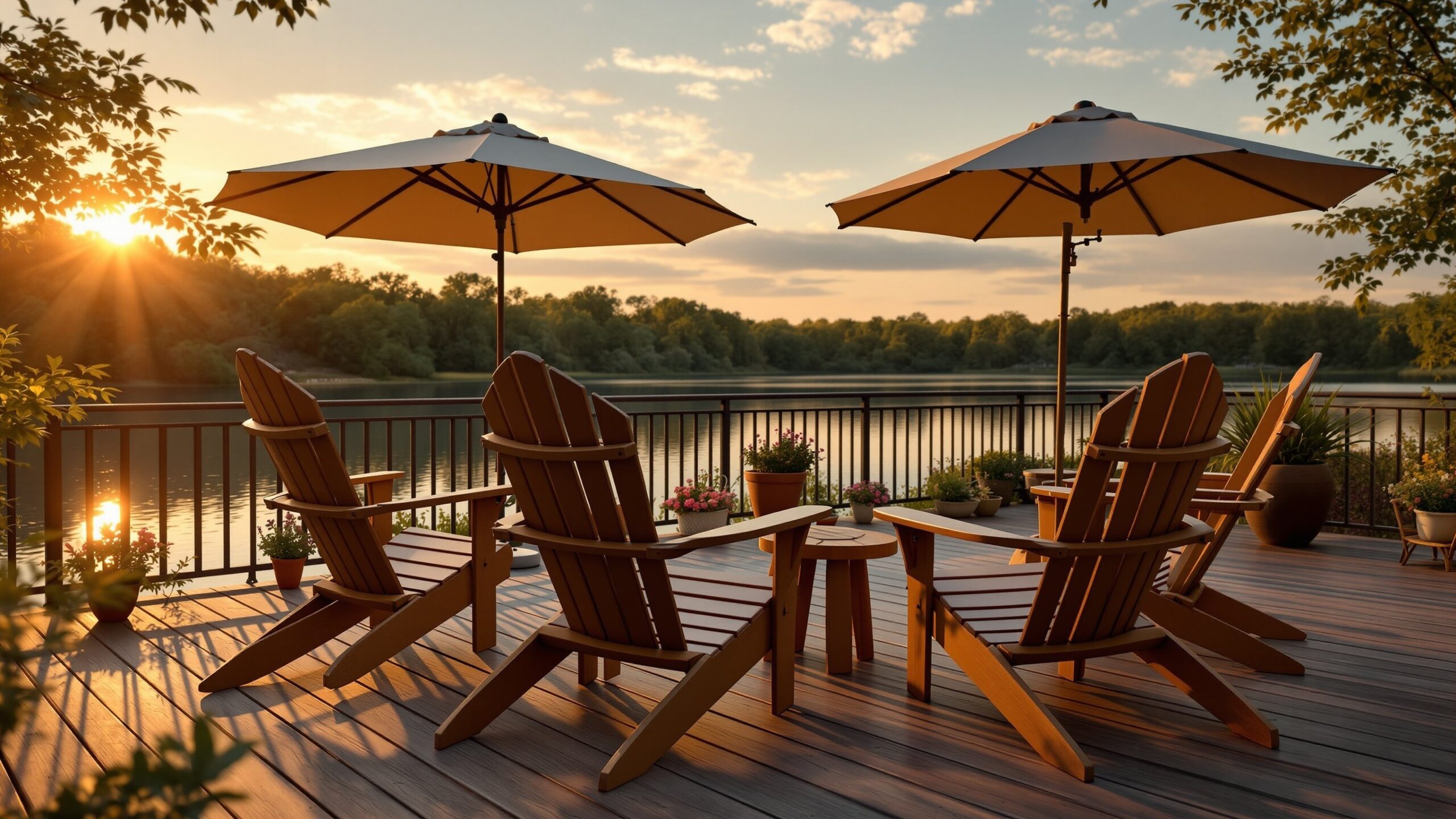
Adirondack chairs are icons of outdoor comfort. With their wide armrests, slanted backs, and relaxed seating posture, they transform patios, lakeside docks, gardens, and backyard decks into inviting places to unwind. Yet despite their reputation for rugged outdoor durability, Adirondack chairs face a constant and invisible adversary: ultraviolet radiation from the sun. Over time, UV exposure can fade vibrant finishes, weaken protective coatings, dry out natural wood fibers, and gradually reduce the lifespan of outdoor furniture. Understanding how to protect Adirondack chairs from sun and UV damage is essential for homeowners who want their outdoor seating to remain attractive, structurally sound, and comfortable for many seasons. With the right care strategies—ranging from material selection and protective coatings to strategic placement and seasonal maintenance—these beloved chairs can endure years of sunlight while preserving their beauty and durability. This guide explores the science behind UV damage, explains how different chair materials react to sun exposure, and provides practical methods to shield Adirondack chairs from long-term degradation.
A: Keep them clean, use a UV-protective exterior finish, and reduce direct sun with shade or covers when possible.
A: Paint usually blocks more UV, but a quality pigmented exterior stain can also perform very well and is often easier to refresh.
A: It depends on exposure, but full-sun chairs often need inspection every season and refinishing every year or two.
A: Yes, but lifespan improves when they are covered, shaded, or stored during the harshest weather and off-season months.
A: Sun and weather are breaking down the wood surface, especially if the protective finish has worn thin or failed.
A: Yes. They resist rot, but sunlight can still fade color and weaken lower-quality materials over time.
A: Covers help a lot, but they work best alongside routine cleaning and a finish appropriate for the chair material.
A: Arm tops, seat edges, upper back slats, and other flat surfaces that receive the most direct exposure.
A: Yes. Light sanding removes failing finish and helps the new coating bond more evenly and last longer.
A: Inspect the chairs regularly and refresh protection before severe fading, peeling, or cracking takes hold.
Why Sunlight Is Hard on Outdoor Furniture
Sunlight is essential for life, but its ultraviolet component can be surprisingly destructive to many materials. UV radiation carries enough energy to break down chemical bonds in surfaces such as paint, varnish, plastic, and wood fibers. When this happens, the material begins to deteriorate in subtle ways before visible damage appears.
For Adirondack chairs, prolonged exposure to UV radiation typically causes several recognizable problems. Colors fade as pigments break down under intense sunlight. Clear finishes lose their gloss and eventually begin to crack or peel. Wood fibers dry out and become brittle, increasing the likelihood of splintering or structural weakening. Even durable plastics can become chalky and fragile after years of sun exposure.
Temperature fluctuations often amplify this process. Sun-heated surfaces expand during the day and contract at night, which can cause coatings to fracture and allow moisture to penetrate beneath the finish. When UV radiation and environmental stress work together, outdoor furniture ages far more quickly than many people expect.
Protecting Adirondack chairs from these forces begins with understanding how sunlight interacts with the materials used to build them.
How UV Radiation Damages Adirondack Chair Materials
Different Adirondack chair materials respond differently to ultraviolet exposure. Knowing how each type behaves helps determine the most effective protection strategies.
Natural Wood Chairs
Wood Adirondack chairs are cherished for their timeless look and natural warmth. Cedar, teak, acacia, and pine are common choices, each offering unique advantages in terms of durability and weather resistance. However, all wood species are vulnerable to ultraviolet degradation.
UV radiation gradually breaks down lignin, a key component that binds wood fibers together. As lignin deteriorates, the surface becomes dull, gray, and powdery. This is why untreated wood left in direct sunlight often develops a silvery weathered appearance.
While some homeowners appreciate this natural patina, the process also weakens the outer layer of the wood, making it more vulnerable to cracking, splitting, and moisture absorption. Protective finishes such as oils, sealants, and UV-blocking stains help preserve the wood’s structural integrity while maintaining its color.
Plastic and Poly Lumber Chairs
Many modern Adirondack chairs are made from poly lumber or high-density polyethylene (HDPE), materials engineered to mimic the look of wood while offering improved durability. These materials resist moisture, insects, and rot, making them excellent for outdoor environments.
However, plastic is not immune to UV damage. Extended sun exposure can cause color fading, surface chalking, and slight brittleness over time. Manufacturers often add UV inhibitors during production to slow this process, but additional protection—such as shade or periodic cleaning—can further extend the life of these chairs.
Painted or Finished Wood Chairs
Painted Adirondack chairs add vibrant personality to outdoor spaces, but paint coatings must withstand constant sunlight. UV radiation gradually degrades paint pigments and binders, leading to fading and surface cracking. Once the paint layer begins to break down, moisture can penetrate the wood underneath, accelerating deterioration.
High-quality exterior paints designed for outdoor furniture contain UV stabilizers and flexible binders that allow the coating to expand and contract with temperature changes. Periodic repainting helps maintain both appearance and protection.
Choosing UV-Resistant Materials From the Start
One of the most effective ways to prevent sun damage is to select Adirondack chairs made from materials designed to withstand outdoor exposure. While maintenance and protection strategies are important, starting with a durable material dramatically reduces long-term upkeep. Teak and cedar are among the most sun-resistant woods used in outdoor furniture. Teak contains natural oils that repel moisture and help resist UV degradation, while cedar offers inherent resistance to insects and environmental wear. Both species age gracefully when properly maintained. Poly lumber chairs represent another strong option. Because they are manufactured with UV inhibitors, they maintain their color and structural stability longer than many untreated materials. These chairs often require minimal maintenance beyond occasional cleaning. Even when selecting high-quality materials, however, UV protection strategies remain valuable. No outdoor furniture is entirely immune to the effects of sunlight.
The Importance of UV-Blocking Finishes
Applying protective finishes is one of the most effective ways to guard Adirondack chairs against ultraviolet damage. These coatings act as a barrier between the sun’s radiation and the chair’s underlying material.
Exterior Wood Stains
Semi-transparent wood stains provide both color enhancement and UV protection. These products contain pigments that absorb and deflect ultraviolet rays, preventing them from reaching the wood fibers below. Unlike clear finishes, stains penetrate the wood and maintain flexibility, allowing them to move with seasonal expansion and contraction.
Regular reapplication—typically every one to three years depending on climate—helps maintain consistent protection.
Marine-Grade Varnish
Marine varnish is designed to withstand intense sun exposure on boats, making it an excellent choice for outdoor furniture. It forms a durable, glossy barrier that protects wood surfaces while enhancing their natural grain. Because varnish sits on the surface rather than penetrating the wood, it requires careful application and occasional maintenance to prevent cracking or peeling. When properly maintained, however, marine varnish offers outstanding UV resistance.
Outdoor Furniture Sealants
Clear sealants protect wood while preserving its natural appearance. Many modern sealants include UV blockers that slow the fading process. These products are ideal for homeowners who prefer the look of untreated wood but still want protection from sun damage. Sealants generally need to be reapplied every year or two depending on environmental exposure.
Strategic Placement to Reduce Sun Exposure
Sometimes the simplest solution is the most effective. Positioning Adirondack chairs in areas that receive partial shade can dramatically reduce UV exposure throughout the day.
Patios shaded by pergolas, large umbrellas, or mature trees naturally limit the amount of direct sunlight reaching outdoor furniture. Even shifting chairs a few feet away from open sun can reduce peak UV exposure during the most intense midday hours.
If shade structures are part of your outdoor design, consider placing Adirondack seating beneath them whenever possible. This approach not only protects furniture but also creates a more comfortable seating environment for people.
Outdoor Furniture Covers as Sun Shields
Furniture covers are commonly associated with rain protection, but they are equally valuable for blocking UV radiation. High-quality outdoor covers are made from tightly woven fabrics that prevent sunlight from reaching the chair’s surface. Using covers during periods when the chairs are not in use—such as during long summer days or extended vacations—can significantly reduce cumulative sun damage. Breathable covers are especially important because they allow moisture to escape while still shielding furniture from sunlight.Consistent use of covers can extend the life of Adirondack chairs by several years, particularly in regions with intense sunlight.
Routine Cleaning Helps Preserve UV Protection
Dirt, pollen, and environmental pollutants can weaken protective finishes and accelerate sun damage. Regular cleaning removes these contaminants and helps maintain the effectiveness of UV-blocking coatings.
For most Adirondack chairs, gentle washing with mild soap and water is sufficient. A soft brush or cloth can remove debris from crevices without damaging the surface. After cleaning, allowing the chair to dry completely prevents moisture from becoming trapped beneath protective finishes.
Routine cleaning also provides an opportunity to inspect the chair for early signs of UV damage, such as fading or small cracks in the finish.
Seasonal Maintenance for Long-Term Protection
Protecting Adirondack chairs from UV damage is not a one-time task. Seasonal maintenance ensures that protective measures remain effective year after year.
At the beginning of each outdoor season, inspect chairs carefully for signs of wear. Faded finishes, peeling paint, or dry wood surfaces indicate that the protective coating may need renewal. Light sanding followed by a fresh application of stain, sealant, or paint restores the barrier against ultraviolet radiation.
During peak summer months, occasional inspections help identify minor problems before they become serious. Small cracks in finishes can often be repaired quickly, preventing deeper damage.
At the end of the season, storing chairs indoors or covering them protects them from both sun exposure and winter weather.
How Climate Influences UV Damage
Not all outdoor environments expose furniture to the same level of ultraviolet radiation. Geographic location, altitude, and climate patterns can all affect how quickly Adirondack chairs experience sun damage.Regions with strong sunlight, such as coastal areas and high-altitude locations, tend to experience higher UV intensity. Dry climates can also accelerate wood drying and cracking, making UV protection especially important.Even in moderate climates, however, long summer days can gradually wear down protective finishes. Consistent maintenance remains the best defense regardless of location.
Protecting Chair Cushions and Fabrics
While the structure of Adirondack chairs often receives the most attention, cushions and fabric accessories are also vulnerable to UV damage. Sunlight can fade colors and weaken fibers, causing cushions to deteriorate more quickly.
Outdoor fabrics designed with UV-resistant fibers offer improved durability. Materials such as solution-dyed acrylic are engineered to resist fading even under strong sunlight.
When cushions are not in use, storing them in shaded areas or indoor storage bins helps preserve their appearance and comfort.
The Role of Color in Sun Protection
Interestingly, the color of an Adirondack chair can influence how it responds to sunlight. Darker colors absorb more heat, which may accelerate the aging of finishes and coatings. Lighter colors reflect more sunlight and often show less visible fading over time. However, darker stains and paints sometimes contain more UV-blocking pigments, which can enhance protection. Choosing a high-quality finish designed specifically for outdoor use ultimately matters more than color alone.
When Restoration Becomes Necessary
Even with careful maintenance, Adirondack chairs exposed to years of sunlight may eventually require restoration. Fortunately, UV damage often affects only the outer surface of the material.
Wood chairs can often be restored through sanding and refinishing. Removing the weathered outer layer reveals fresh wood beneath, allowing a new protective coating to be applied.
Plastic chairs that have developed chalky surfaces may regain their appearance through deep cleaning and specialized plastic restoration products.
Restoration can dramatically extend the lifespan of Adirondack chairs and renew their visual appeal.
Creating a Long-Term Protection Strategy
The most successful approach to protecting Adirondack chairs from UV damage combines several strategies rather than relying on a single solution. Choosing durable materials, applying protective finishes, positioning chairs strategically, and maintaining them regularly all work together to minimize sun-related wear. Homeowners who adopt a proactive approach often find that their Adirondack chairs remain beautiful and functional for many years. Rather than reacting to visible damage, preventive care stops UV degradation before it begins. This long-term perspective transforms Adirondack chairs from seasonal furniture into enduring features of outdoor living spaces.
Enjoying Adirondack Chairs for Years to Come
Adirondack chairs represent more than just outdoor seating. They symbolize relaxation, conversation, and moments spent enjoying fresh air under open skies. Protecting these chairs from sun and UV damage ensures that they continue to serve as welcoming gathering spots for friends and family.
By understanding how ultraviolet radiation affects outdoor materials and implementing thoughtful protection strategies, homeowners can dramatically extend the lifespan of their Adirondack chairs. Simple habits such as applying protective finishes, using shade when possible, and performing seasonal maintenance make a meaningful difference.
With proper care, Adirondack chairs can remain vibrant and structurally sound through countless summers. Instead of fading under relentless sunlight, they continue to provide comfort, style, and durability—ready for every sunset conversation, morning coffee, and quiet afternoon spent enjoying the outdoors.


