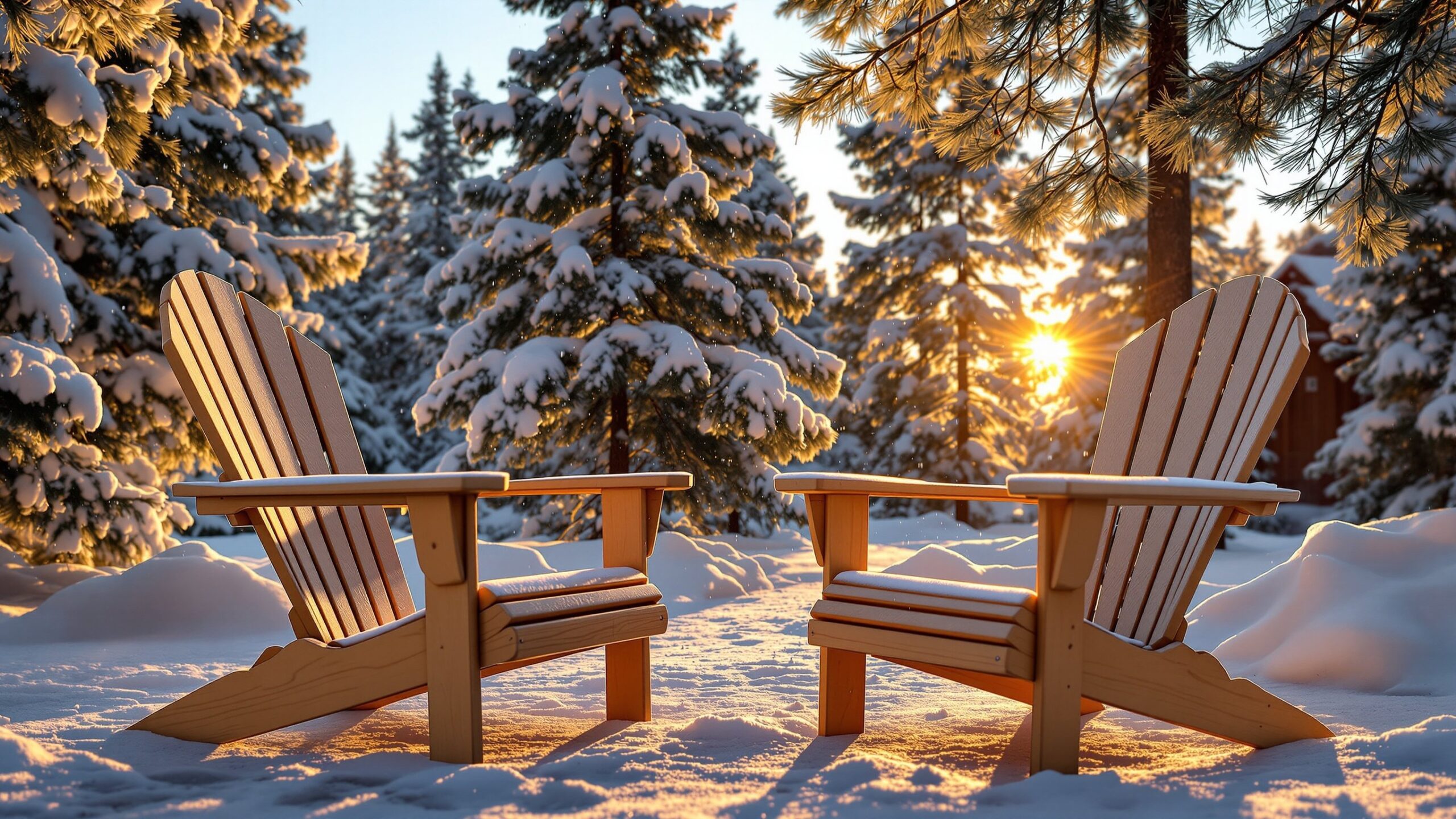
Wooden Adirondack chairs are more than outdoor furniture. They are a symbol of rest, craftsmanship, and timeless design. With their wide armrests, angled backs, and inviting silhouettes, Adirondack chairs naturally belong on porches, patios, decks, and garden spaces. But because they live outdoors, they face constant exposure to sun, rain, humidity, temperature swings, and seasonal wear. Without proper protection, even the strongest wood can crack, fade, rot, or warp. Weatherproofing your wooden Adirondack chairs is not just about preserving appearance. It is about extending lifespan, maintaining comfort, preventing structural damage, and protecting your investment. When done correctly, weatherproofing allows your chairs to age gracefully while resisting the elements year after year. This guide walks you through the entire weatherproofing process step by step. It explains why each step matters, how to choose the right materials, and how to apply protective finishes properly. Whether your chairs are brand new, lightly weathered, or already showing signs of age, this reference will help you restore and protect them with confidence.
A: A penetrating exterior oil/stain—easy to apply, easy to refresh, and forgiving if you miss a spot.
A: Not reliably—oil can block adhesion. Strip/sand to clean wood or stay within the same finish family.
A: Seal end grain thoroughly, add outdoor glides/feet, and avoid storing directly on wet soil or grass.
A: Not always. For oils, a light scuff-clean is often enough; for peeling paint/varnish, sanding is essential.
A: Too thick, too cold, too humid, or not enough dry time—wipe excess oil or allow longer cure time for films.
A: Clean well, let dry, then apply a maintenance coat of the same product system (don’t mix types).
A: Use an outdoor cleaner made for mildew, scrub gently, rinse thoroughly, and dry completely before coating.
A: Better to work in shade—direct sun can flash-dry finishes and cause lap marks or poor leveling.
A: Breathable covers help; tight plastic traps moisture. Airflow is your friend.
A: When water stops beading, color looks washed out, or the surface feels rough—don’t wait for peeling.
Understanding Why Wooden Adirondack Chairs Need Weatherproofing
Wood is a living material, even after it has been cut, shaped, and assembled into furniture. It expands and contracts as humidity changes. It absorbs moisture, releases it, and reacts to ultraviolet light from the sun. Outdoors, this natural behavior becomes a challenge rather than a benefit.
Rain and morning dew seep into unprotected wood fibers. Over time, moisture weakens the cellular structure, leading to swelling, soft spots, and eventually rot. Sunlight breaks down lignin, the compound that holds wood fibers together, causing surfaces to fade, dry out, and become brittle. Temperature changes speed up cracking and splitting, especially at joints and fastener points.
Adirondack chairs are particularly vulnerable because of their design. Wide flat armrests collect water. Angled seats trap moisture if drainage is poor. Horizontal slats receive direct sun exposure for long hours. Without weatherproofing, even durable hardwoods can deteriorate far sooner than expected.
Proper weatherproofing creates a protective barrier. It limits moisture absorption, reflects or blocks UV rays, and stabilizes the wood so it can better handle environmental stress. Done correctly, weatherproofing does not hide the beauty of wood. It enhances it.
Identifying the Wood Type Before You Begin
Before you apply any product, it is essential to know what type of wood your Adirondack chair is made from. Different woods respond differently to stains, sealers, and finishes. Cedar is naturally resistant to rot and insects but still benefits from UV protection. It weathers to a silver-gray if left untreated. Teak contains natural oils that repel moisture but still needs maintenance to prevent drying and surface cracking. Pine and fir are softer woods that require thorough sealing to survive outdoors. Eucalyptus and acacia are dense hardwoods that perform well with proper oiling and sealing. If you are unsure of the wood type, observe its color, grain pattern, weight, and whether it has been previously treated. Knowing the wood helps you choose compatible products and avoid finishes that may peel, blister, or fail prematurely.
Step One: Inspecting the Chair Thoroughly
Weatherproofing should always begin with a full inspection. This step determines what level of preparation is needed and whether repairs are required before applying any protective finish.
Look closely at all surfaces, including the underside of the seat, the back slats, and the bottom of the legs. Check for cracks, loose joints, raised grain, dark spots that indicate moisture damage, and any signs of mildew or mold. Wiggle the arms and legs to ensure the chair is structurally sound.
If screws or bolts are loose, tighten them before proceeding. Replace rusted fasteners with stainless steel or coated outdoor hardware. Structural issues should always be addressed first because weatherproofing products cannot compensate for weakened joints or damaged wood.
Step Two: Cleaning the Wood Completely
A clean surface is essential for proper adhesion of sealers, stains, and protective coatings. Dirt, pollen, oils, and mildew can prevent finishes from bonding evenly, leading to peeling or blotchy results.
Begin by brushing off loose debris with a soft brush. Use a mild wood cleaner or a solution of warm water and gentle soap to wash the chair thoroughly. Scrub along the grain to avoid scratching the surface. For mildew or algae, use a cleaner designed for outdoor wood furniture rather than harsh household bleach, which can damage fibers.
Rinse thoroughly and allow the chair to dry completely. Drying time is critical. Moisture trapped inside the wood will interfere with weatherproofing products and can lead to cloudiness or failure later. Depending on humidity and temperature, drying may take 24 to 48 hours.
Step Three: Sanding for Smoothness and Adhesion
Sanding prepares the surface by removing old finishes, smoothing rough fibers, and opening the wood’s pores so protective products can penetrate effectively. Start with medium-grit sandpaper if the surface is rough or peeling. Move to fine-grit sandpaper to create a smooth, even texture. Sand along the grain rather than across it to avoid visible scratches. Pay special attention to armrests, seat edges, and areas where water tends to collect. Sanding is not just about appearance. It improves performance. A properly sanded surface allows sealers and oils to soak in evenly, providing better moisture resistance and longer-lasting protection. After sanding, remove all dust using a dry cloth or vacuum. Any remaining dust will interfere with finish adhesion.
Step Four: Repairing Minor Damage Before Sealing
Small cracks, dents, or nail holes should be repaired before applying weatherproofing products. Left untreated, these imperfections allow water to penetrate deep into the wood.
Use an exterior-grade wood filler designed for outdoor use. Apply it sparingly, following the grain, and allow it to cure fully. Once cured, sand the repaired areas flush with the surrounding surface.
This step ensures a uniform finish and prevents moisture from finding hidden entry points that could compromise the chair from the inside out.
Step Five: Choosing the Right Weatherproofing Product
Selecting the correct weatherproofing product is one of the most important decisions in the entire process. The best choice depends on your climate, wood type, and desired appearance. Penetrating oils soak into the wood and enhance natural grain while providing moisture resistance. They require periodic reapplication but do not peel. Clear sealers form a protective barrier that repels water while maintaining a natural look. Semi-transparent stains add color and UV protection while allowing wood texture to show. Solid stains and outdoor paints provide maximum UV defense but conceal the grain.
For most Adirondack chairs, a penetrating oil combined with a UV-resistant sealer offers an excellent balance of protection and aesthetics. Chairs exposed to intense sun or heavy rain may benefit from a high-quality exterior stain with built-in weather resistance. Always choose products labeled for exterior wood use and compatible with your chair’s wood species.
Step Six: Applying the First Protective Coat
Application technique matters just as much as product choice. Work in a well-ventilated outdoor area, ideally on a dry day with moderate temperatures. Use a brush, cloth, or applicator recommended by the product manufacturer. Apply the finish evenly, following the wood grain. Avoid overloading the surface, which can lead to sticky residue or uneven curing.
Start with less visible areas to get a feel for absorption and color. Allow the wood to absorb the product fully before wiping off excess if required. The first coat penetrates deeply and forms the foundation of weather protection. Allow proper drying time as specified by the manufacturer. Rushing this step can compromise durability.
Step Seven: Light Sanding Between Coats
After the first coat dries, lightly sand the surface with fine-grit sandpaper. This removes raised grain and creates a smoother surface for additional coats. Wipe away dust thoroughly before continuing. This step improves finish quality and helps subsequent layers bond more effectively.
Step Eight: Applying Additional Protective Layers
Most weatherproofing systems require at least two coats for optimal protection. The second coat enhances water resistance, UV protection, and overall durability.
Apply the second coat evenly, paying close attention to end grain areas such as slat edges and leg bottoms, which absorb moisture more readily. These areas are often the first to deteriorate if left underprotected.
Allow full curing time before using the chair. While the surface may feel dry to the touch, complete curing can take several days.
Step Nine: Sealing Joints and Vulnerable Areas
Adirondack chairs have many joints, overlaps, and contact points where moisture can accumulate. Applying extra protection to these areas significantly extends chair life. Use a small brush to work finish into joints, screw heads, and underside edges. Sealing these areas prevents water intrusion that can loosen fasteners and weaken structure over time.
Step Ten: Ongoing Maintenance and Seasonal Care
Weatherproofing is not a one-time task. Regular maintenance keeps protection intact and prevents major restoration work later. Inspect your chairs at least once a year. Clean them seasonally to remove dirt and mildew. Reapply oil or sealer as needed, especially on high-contact surfaces like armrests and seats.
During harsh winters or extended wet seasons, storing chairs under cover or using breathable furniture covers greatly reduces exposure. Proper airflow is essential to prevent trapped moisture. With consistent care, a well-weatherproofed Adirondack chair can last for decades.
Common Weatherproofing Mistakes to Avoid
Skipping drying time is one of the most common mistakes. Applying finishes to damp wood traps moisture and leads to peeling or cloudiness. Using indoor finishes outdoors results in rapid failure. Overapplying products creates sticky surfaces that attract dirt. Ignoring underside surfaces is another frequent oversight. Water damage often begins where it is least visible. Complete coverage is key to long-term success.
How Weatherproofing Enhances Comfort and Appearance
Beyond protection, weatherproofing improves the feel and look of Adirondack chairs. Proper finishes smooth rough surfaces, reduce splintering, and enhance natural grain patterns. Chairs become more comfortable to sit on and easier to clean. Well-maintained chairs also elevate the overall aesthetic of outdoor spaces, reinforcing a sense of care and craftsmanship.
Weatherproofing Adirondack Chairs
Weatherproofing wooden Adirondack chairs is both a practical necessity and a rewarding DIY project. With patience, proper materials, and attention to detail, you can dramatically extend the life of your chairs while preserving their classic charm.
Each step in the process builds upon the last, creating a layered defense against moisture, sunlight, and seasonal wear. The result is furniture that not only survives outdoors but thrives there. By following this step-by-step approach, you ensure that your Adirondack chairs remain comfortable, beautiful, and ready for countless moments of relaxation for years to come.