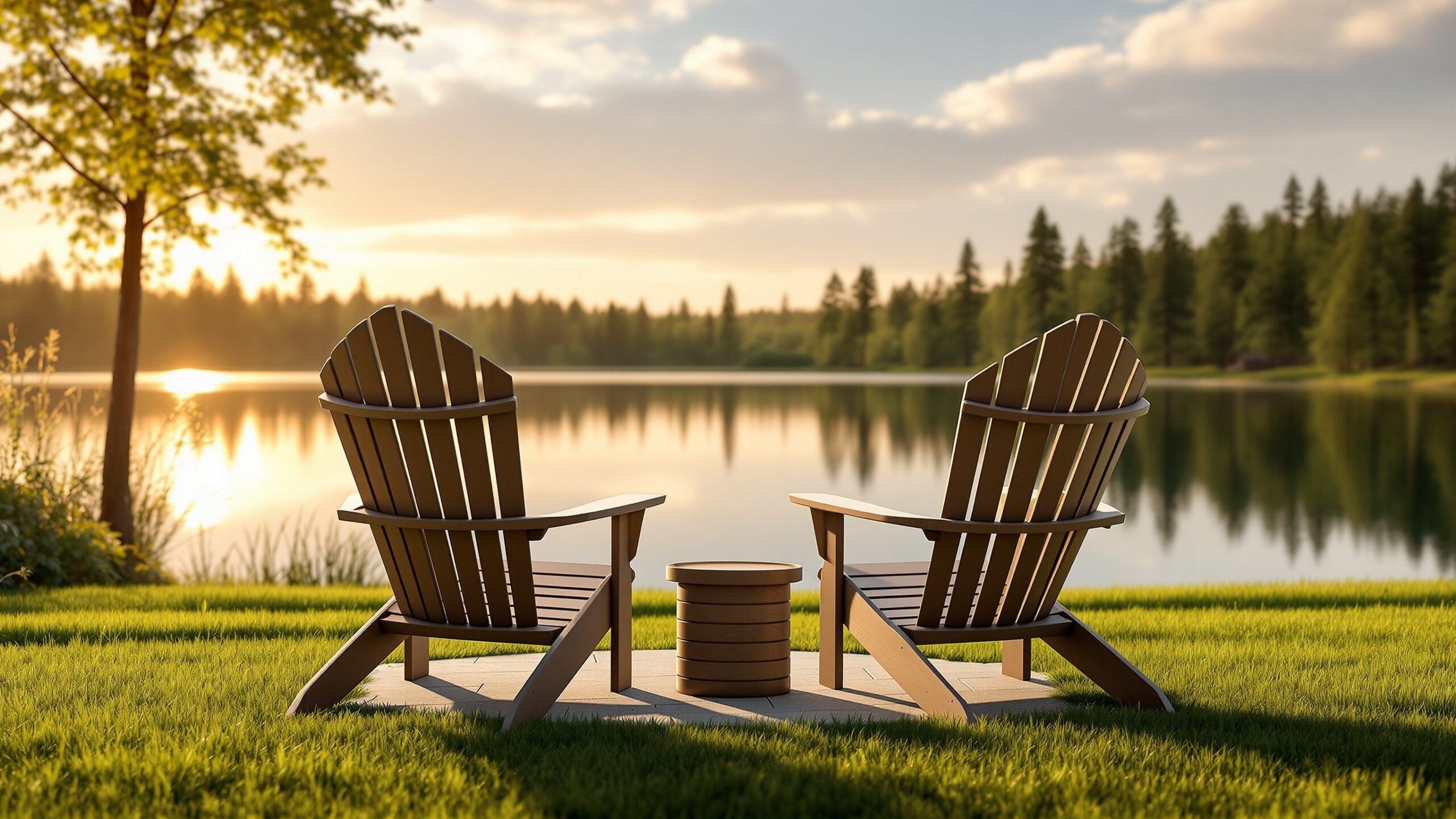
Adirondack chairs are iconic symbols of outdoor comfort. Their wide armrests, deep seats, and laid-back posture invite people to relax on porches, patios, lakeside docks, and backyard fire pits. Traditionally made from wood, these chairs often required staining, sealing, or painting to withstand the elements. However, modern outdoor furniture has evolved significantly. Today, materials such as polywood and resin have transformed how homeowners think about durability, maintenance, and weather protection. This raises a common question among buyers and homeowners alike: Do polywood and resin Adirondack chairs need weatherproofing? The short answer is that these materials are engineered to resist weather damage without traditional sealing or waterproof coatings. Yet the full answer is more nuanced. Understanding how these materials work, how they interact with rain, snow, sun, and temperature shifts, and what level of maintenance they require can help you protect your outdoor investment for years or even decades. This guide explores the science behind polywood and resin Adirondack chairs, how they perform in real outdoor conditions, and what homeowners should know about weatherproofing, maintenance, and long-term care.
A: No, they generally do not need sealant because the material is already designed to resist moisture.
A: Usually not. Most waterproof sprays are unnecessary and may not help synthetic furniture at all.
A: Yes, quality Polywood and resin chairs are typically made to handle normal rain exposure.
A: Usually yes, though brushing off heavy snow and reducing long-term winter buildup helps keep them cleaner and easier to maintain.
A: It is optional. Covers can reduce dirt and ice exposure, but they are not always required for material protection.
A: Use mild soap, water, and a soft brush or cloth; avoid overly harsh abrasives unless the manufacturer allows them.
A: Surface growth can appear on grime sitting on the chair, but the material itself is far less vulnerable than wood.
A: Yes, over many years of sun exposure some fading can happen, but quality UV-stabilized materials resist it better.
A: Hardware, joints, and general cleanliness matter more than adding a weatherproof coating.
A: Polywood and resin Adirondack chairs usually do not need weatherproofing products—just smart upkeep and occasional cleaning.
Understanding Polywood and Resin Materials
Before discussing weatherproofing, it helps to understand what these materials actually are. Although the terms polywood and resin are sometimes used interchangeably, they refer to different types of synthetic outdoor furniture materials.
Polywood is a proprietary style of lumber made from recycled plastics, most commonly high-density polyethylene (HDPE). Milk jugs, detergent bottles, and other post-consumer plastics are melted down and reformed into thick boards that mimic the appearance and structure of real wood. These boards are then cut and assembled into outdoor furniture such as Adirondack chairs, benches, and dining sets.
The resulting material looks remarkably similar to painted wood, but it behaves very differently. Polywood does not absorb water, does not splinter, and resists rot and insect damage.
Resin Adirondack chairs, on the other hand, are typically made from molded plastic or polypropylene. Instead of boards assembled together like wood furniture, resin chairs are often formed through injection molding. This process creates durable, lightweight shapes that can imitate wood grain or present smooth, modern surfaces.
Both materials share one important trait: they are engineered to be weather resistant by design. Unlike traditional wood furniture, they do not rely on protective coatings to prevent water damage. Their core composition already resists moisture penetration, which dramatically changes how they perform outdoors.
The Purpose of Weatherproofing Outdoor Furniture
Weatherproofing is a process designed to protect materials from environmental exposure. In traditional wooden Adirondack chairs, water can penetrate the fibers of untreated wood. Over time, repeated wetting and drying cycles can lead to swelling, cracking, mold growth, and eventual structural damage. To prevent this, homeowners apply protective coatings such as sealants, varnishes, paints, and stains. These treatments form a barrier between the wood and the environment.
Weatherproofing serves several purposes:
- Preventing water absorption
- Blocking ultraviolet radiation from the sun
- Reducing mold and mildew growth
- Protecting against cracking caused by freezing temperatures
- Extending the lifespan of the material
For wood furniture, these treatments are essential.
For polywood and resin furniture, however, the story is quite different.
Why Polywood Adirondack Chairs Do Not Need Traditional Weatherproofing
Polywood Adirondack chairs are specifically designed to eliminate the need for sealing, staining, or waterproof coatings. Their durability comes from the molecular structure of HDPE plastic.
High-density polyethylene is naturally resistant to water absorption. Unlike wood, which contains microscopic pores and fibers, HDPE is a non-porous material. Water cannot penetrate its surface, meaning it cannot cause swelling or rot.
This built-in resistance makes polywood chairs effectively waterproof without any additional treatment.
Rainwater simply beads up and runs off the surface. Snow accumulation may cover the chair temporarily, but once it melts, it does not soak into the material.
In addition to water resistance, polywood also contains UV inhibitors during manufacturing. These additives help protect the plastic from sun degradation, preventing brittleness and excessive fading over time.
Because the color pigment is integrated throughout the material rather than applied as a surface coating, scratches or scuffs do not expose bare material underneath. This also reduces the need for repainting.
The result is a chair that can remain outdoors year-round without the kind of weatherproofing maintenance that wooden chairs require.
Why Resin Adirondack Chairs Are Naturally Weather Resistant
Resin Adirondack chairs operate on a similar principle. Most are made from polypropylene or other plastic blends designed for outdoor durability. These plastics are hydrophobic, meaning they repel water rather than absorb it. Rain, humidity, and melting snow cannot penetrate the material. Resin chairs are also resistant to mold and mildew because they lack organic fibers that fungi can feed on. While mildew can sometimes appear on the surface due to environmental dirt buildup, it does not grow within the material itself. Additionally, many resin chairs include UV stabilizers that help prevent sunlight from breaking down the plastic structure. These features mean that resin Adirondack chairs are inherently weather resistant, even without protective coatings.
How Rain Affects Polywood and Resin Chairs
Rain is often the first concern homeowners have when placing outdoor furniture outside.
With traditional wood furniture, rain can lead to water infiltration, swelling, and eventually cracking as the wood dries. Over time, repeated exposure causes structural weakening.
Polywood and resin chairs avoid these problems entirely.
Because these materials are non-absorbent, rain simply runs off the surface. Even after heavy storms, the chairs dry quickly once the sun returns.
The joints and fasteners used in polywood furniture are typically stainless steel or coated hardware, which helps prevent rust. This ensures that structural components remain strong even after years of rain exposure.
For resin chairs, the molded construction eliminates many joints altogether, further reducing potential weak points.
In practical terms, rain has very little long-term effect on these materials.
Performance in Snow and Freezing Temperatures
Outdoor furniture must also withstand winter conditions in many climates. Snow, ice, and freezing temperatures can be especially harsh on wooden materials.
Wood can absorb moisture during snowfall. When temperatures drop below freezing, that moisture expands inside the wood fibers, which can lead to cracks or splitting.
Polywood and resin materials behave differently.
Since they do not absorb water, there is no internal moisture that can freeze and expand. Snow accumulation may temporarily cover the chairs, but it does not penetrate the material.
Polywood furniture is engineered to withstand extreme temperature swings, including freezing winters and hot summers. High-quality HDPE furniture remains stable in temperatures well below freezing.
Resin furniture performs similarly, although very thin or low-quality plastic chairs may become slightly brittle in extremely cold weather. Premium resin Adirondack chairs are typically designed with thicker plastic walls to avoid this issue.
For most climates, these materials handle winter conditions without requiring weatherproof coatings.
The Impact of Sunlight and UV Exposure
While water resistance is a major advantage of plastic-based outdoor furniture, sunlight introduces another factor.
Ultraviolet radiation from the sun can gradually break down plastic materials if they are not properly stabilized.
High-quality polywood and resin furniture manufacturers incorporate UV inhibitors directly into the plastic during production. These additives absorb or reflect UV rays, helping the material maintain strength and color over time.
Even with UV protection, some slight fading may occur after many years of continuous sun exposure. However, this fading typically happens slowly and evenly, unlike painted wood that can peel or flake.
In most cases, UV exposure does not require homeowners to apply protective coatings. The weather resistance is already engineered into the material itself.
Situations Where Protective Measures May Still Help
Although polywood and resin Adirondack chairs do not require traditional weatherproofing, some homeowners still take extra steps to preserve their furniture’s appearance. For example, furniture covers can protect chairs from accumulated dirt, pollen, and tree sap. While these substances will not damage the material structurally, they can create surface stains that require cleaning. Similarly, placing chairs under a patio roof or pergola can reduce long-term sun exposure. This can help maintain vibrant colors for longer periods. These measures are optional rather than necessary, but they can extend the aesthetic life of the furniture.
Cleaning and Maintenance Instead of Weatherproofing
Instead of weatherproofing treatments, polywood and resin Adirondack chairs primarily require simple cleaning.
Outdoor furniture naturally accumulates dust, pollen, bird droppings, and other environmental debris. Fortunately, these materials are easy to clean.
Most homeowners can maintain their chairs with nothing more than warm water, mild soap, and a soft brush or cloth.
A periodic rinse with a garden hose is often enough to remove everyday dirt. For stubborn stains, a mixture of mild dish soap and water usually works well.
Because the color runs through the material, cleaning does not damage the finish.
This low-maintenance approach is one of the biggest advantages of modern outdoor plastic furniture.
Longevity Compared to Traditional Wood Adirondack Chairs
One reason polywood and resin Adirondack chairs have become so popular is their impressive lifespan. Traditional wooden chairs can last many years if carefully maintained with regular sanding, sealing, and repainting. However, neglecting these steps can significantly shorten their lifespan. Polywood furniture often carries manufacturer warranties ranging from 15 to 25 years. This reflects the material’s resistance to rot, insects, moisture, and structural deterioration. Resin chairs typically have shorter warranties but still offer substantial durability compared to untreated wood furniture. Because they do not require frequent refinishing or sealing, many homeowners find that polywood and resin chairs remain functional and attractive for decades with minimal care.
Environmental Benefits of Polywood Furniture
Another important aspect of polywood Adirondack chairs is their environmental impact.
Many polywood products are made from recycled plastic, diverting waste from landfills and oceans. Transforming plastic containers into durable furniture gives these materials a second life.
In addition, the long lifespan of polywood furniture reduces the need for frequent replacements, which lowers overall resource consumption.
Because these chairs do not require chemical sealants or stains, they also avoid introducing additional chemicals into the environment.
This combination of recycling and durability makes polywood furniture appealing to environmentally conscious homeowners.
Common Misconceptions About Weatherproofing Plastic Furniture
Despite their weather resistance, several myths still circulate about polywood and resin Adirondack chairs. One common misconception is that applying waterproof coatings or sealants will extend the life of these materials. In reality, these coatings often do not adhere properly to plastic surfaces and can create peeling or uneven finishes. Another misconception is that plastic furniture will become brittle or crack after just a few seasons outdoors. While this may be true for inexpensive, thin plastic chairs, high-quality polywood and resin furniture is specifically engineered for long-term outdoor exposure. A third misconception is that plastic chairs cannot handle extreme temperatures. In reality, properly manufactured HDPE furniture performs well across a wide temperature range. Understanding these differences helps homeowners avoid unnecessary treatments and focus on simple maintenance instead.
How to Store Polywood and Resin Chairs for Maximum Lifespan
Although these chairs can remain outdoors year-round, some homeowners prefer to store them during extreme weather seasons.
If storage is available, placing chairs in a garage, shed, or covered patio during the harshest winter months can reduce exposure to snow accumulation and ice buildup.
However, this step is optional. Polywood furniture in particular is designed to withstand continuous outdoor exposure without structural damage.
If chairs remain outside during winter, it may be helpful to brush off heavy snow loads occasionally to reduce unnecessary weight on the structure.
Again, these practices are preventative rather than required.
Choosing High-Quality Polywood and Resin Adirondack Chairs
Not all plastic outdoor furniture is created equal. Quality differences can significantly affect durability. Premium polywood chairs use thick HDPE boards and stainless steel hardware. These features ensure structural stability and long-term resistance to corrosion. Lower-quality resin chairs may use thinner plastics that can flex or weaken over time. When shopping for resin Adirondack chairs, it is wise to look for reinforced designs and UV-stabilized materials. Choosing reputable brands and well-built products helps ensure that the inherent weather resistance of these materials performs as intended.
Do Polywood and Resin Adirondack Chairs Need Weatherproofing?
Polywood and resin Adirondack chairs are designed to withstand outdoor conditions without the need for traditional weatherproofing treatments.
Their plastic-based construction prevents water absorption, eliminates rot and insect damage, and resists mold growth. Integrated UV stabilizers help protect the material from sunlight, while durable hardware ensures structural integrity.
As a result, homeowners do not need to apply sealants, waterproof coatings, or stains to protect these chairs from rain, snow, or moisture.
Instead, simple cleaning and occasional maintenance are usually enough to keep them looking their best.
While optional steps such as furniture covers or seasonal storage may extend the visual lifespan of the chairs, they are not necessary for structural protection.
For many homeowners, this low-maintenance durability is the biggest advantage of choosing polywood or resin Adirondack chairs over traditional wooden furniture.
In short, polywood and resin Adirondack chairs do not require weatherproofing—because they are already built to handle the weather.