
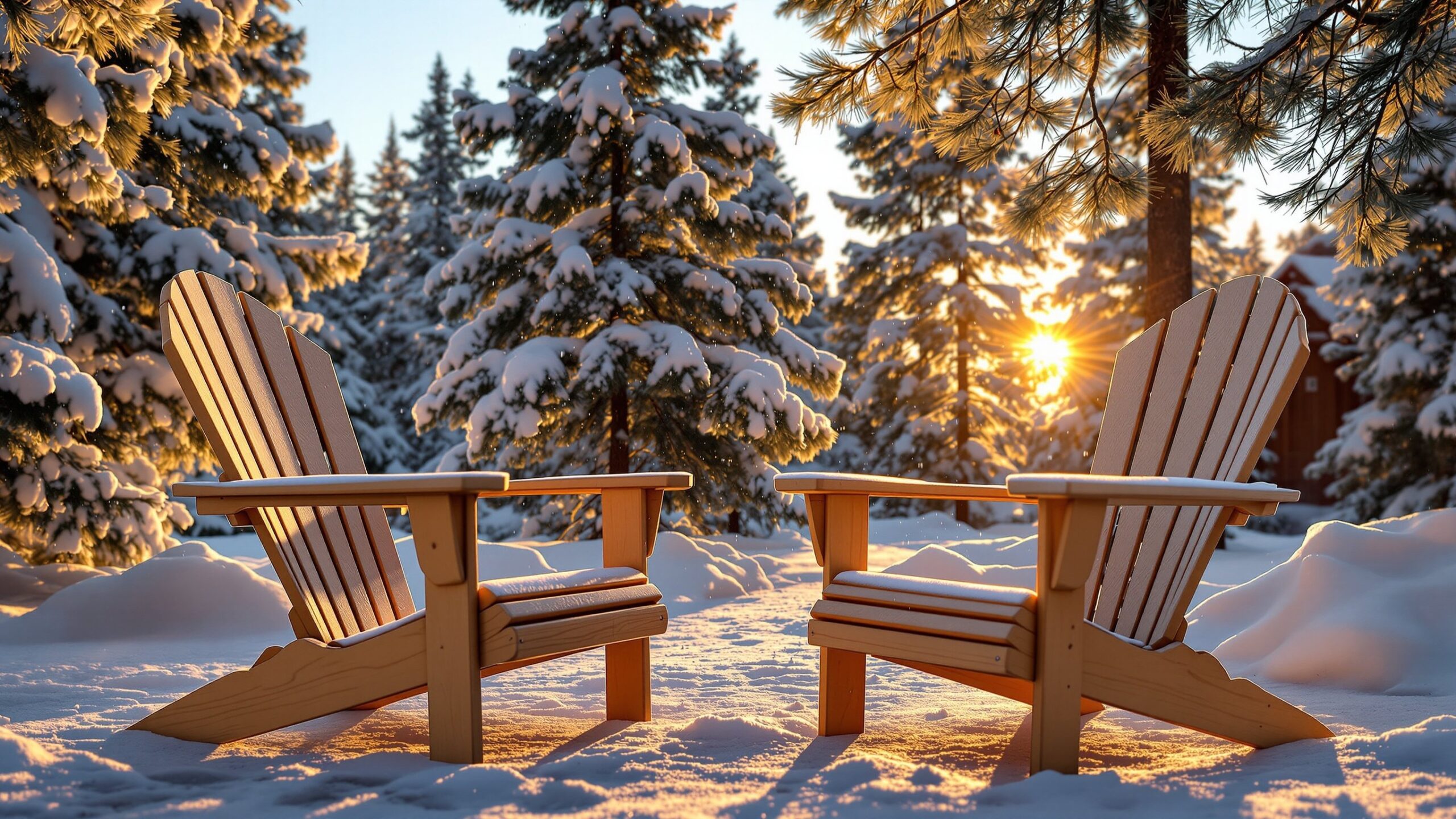
Adirondack chairs are iconic symbols of outdoor relaxation. With their wide armrests, gently sloped seats, and laid-back comfort, these chairs transform patios, decks, lakeside docks, and backyard fire pits into inviting retreats. However, because Adirondack chairs are designed to live outdoors, they are constantly exposed to the elements. Rain, snow, frost, and seasonal temperature swings can gradually wear down even the most durable furniture. Protecting Adirondack chairs from harsh weather conditions is essential for preserving their beauty, structural integrity, and comfort. Whether your chairs are made from natural wood, recycled plastic, composite materials, or metal, proper care ensures they remain sturdy and attractive for many seasons. Without protection, moisture infiltration, freezing cycles, mold growth, and ultraviolet exposure can slowly degrade the chair’s finish and framework. This guide explores practical and effective strategies for protecting Adirondack chairs from rain and snow. From material-specific care techniques to storage methods and protective coatings, you will learn how to extend the lifespan of your outdoor seating while maintaining its timeless charm.
A: Yes, but they last longer when kept clean, dried when possible, and protected with the right finish or cover.
A: It depends on the material; poly chairs handle it better, while wood chairs benefit from covering or indoor storage.
A: A breathable, water-resistant outdoor furniture cover with vents and secure ties is usually the safest choice.
A: Usually every year or two, depending on exposure, climate, and how quickly the previous finish wears down.
A: Solid plastic can trap condensation, so it is usually better to use a cover designed for outdoor furniture airflow.
A: Wash the chair, let it dry fully, tighten hardware, touch up worn finish, and then cover or store it.
A: Not in long wet or snowy stretches; storing cushions indoors helps prevent mildew, fading, and frozen moisture damage.
A: Use mild soap and water or a material-safe cleaner, scrub gently, rinse well, and let the chair dry completely.
A: The feet, joints, and seat slats usually take the most weather abuse and should be inspected first.
A: Choose durable materials, keep the chair off wet ground, use breathable covers, and store it under shelter during harsh winters.
Understanding How Weather Damages Adirondack Chairs
Outdoor furniture constantly faces environmental stress, but rain and snow present some of the most serious threats. Water can penetrate porous materials such as untreated wood, causing swelling, cracking, and long-term rot. When moisture becomes trapped inside a chair’s structure and temperatures drop below freezing, the expansion of ice can weaken joints and create fractures.
Snow presents additional risks beyond simple moisture exposure. Heavy snow accumulation places pressure on furniture frames and slats, particularly if chairs are left uncovered during winter storms. Over time, repeated freeze-thaw cycles accelerate material fatigue and surface deterioration.
Ultraviolet radiation also plays a role. Even during snowy winters, sunlight can break down paint, sealants, and polymer materials. Combined with moisture exposure, UV degradation leads to fading, brittleness, and loss of protective coatings.
Because Adirondack chairs typically feature angled seats and wide slatted backs, they may collect water and snow more easily than upright patio furniture. These design characteristics make proactive weather protection especially important.
Choosing Weather-Resistant Materials
The first step in protecting Adirondack chairs from rain and snow begins with selecting the right material. Different materials respond differently to environmental conditions, and understanding their strengths helps guide proper maintenance. Wood remains one of the most popular materials for Adirondack chairs. Cedar, teak, acacia, and eucalyptus are naturally resistant to moisture and insects, making them excellent outdoor choices. Cedar contains oils that help repel water, while teak is dense and durable with natural weather resistance. However, even these resilient woods benefit from sealing or staining to maintain their appearance and prevent long-term weather damage.
Recycled plastic Adirondack chairs are another increasingly common option. Often manufactured from high-density polyethylene derived from recycled materials, these chairs resist moisture, rot, and insect damage. Plastic chairs typically require less maintenance than wood, but they still benefit from occasional cleaning and winter protection to prevent surface dulling or cracking.
Composite Adirondack chairs combine wood fibers with polymers, offering improved durability while maintaining a wood-like appearance. These materials are resistant to moisture absorption but can still degrade from prolonged UV exposure if left unprotected.
Metal Adirondack chairs are less common but still found in some designs. Aluminum frames resist rust, but steel chairs must be treated or powder-coated to prevent corrosion when exposed to rain or snow. Regardless of material, proper protection and seasonal care greatly extend the life of outdoor furniture.
Applying Protective Sealants and Finishes
One of the most effective ways to protect wooden Adirondack chairs from rain and snow is by applying protective sealants or finishes. Sealants create a barrier that prevents moisture from penetrating the wood fibers, reducing the risk of swelling, cracking, and rot. Clear waterproof sealers allow the natural beauty of wood grain to remain visible while adding protection against rain and snow. These treatments penetrate deeply into the wood and repel water without drastically altering the chair’s appearance.
Stains offer both color enhancement and weather protection. Oil-based stains tend to provide excellent moisture resistance and long-lasting durability. Semi-transparent stains highlight the natural grain while providing UV protection, while solid stains offer greater coverage and color uniformity.
Outdoor paint provides the strongest surface barrier, though it completely covers the wood’s natural appearance. High-quality exterior paint helps shield Adirondack chairs from both moisture and ultraviolet exposure. However, painted surfaces may require occasional touch-ups as they age. Sealants should be reapplied periodically, typically every one to three years depending on climate conditions and exposure levels. Regular maintenance ensures that the protective layer continues to repel water and prevent weather damage.
Using Waterproof Furniture Covers
Furniture covers are one of the simplest and most effective solutions for protecting Adirondack chairs from rain and snow. High-quality covers act as a protective shield, preventing moisture accumulation while reducing exposure to wind-driven precipitation.
A good outdoor furniture cover should be waterproof yet breathable. Breathable fabrics allow trapped moisture and condensation to escape, preventing mold and mildew growth beneath the cover. Heavy-duty polyester or vinyl covers are common options designed specifically for outdoor furniture protection.
Proper fit is also important. Covers that are too loose may blow away in strong winds, while overly tight covers may trap moisture against the furniture surface. Many covers include adjustable drawstrings, buckles, or elastic hems to secure them in place.
Before placing covers on Adirondack chairs, it is helpful to ensure the chairs are dry and clean. Covering wet furniture can trap moisture and encourage mildew development, especially during long winter storage.
When used consistently, furniture covers significantly reduce the impact of rainstorms, snowfall, and freezing temperatures.
Elevating Chairs Above Wet Surfaces
Another important strategy for protecting Adirondack chairs from rain and snow involves preventing prolonged contact with wet ground surfaces. Chairs placed directly on grass, soil, or damp decking can absorb moisture through their legs and lower structural components. Elevating chairs slightly above the ground improves airflow and reduces moisture absorption. Rubber furniture feet, plastic glides, or small deck pads can help keep chair legs dry and prevent water from pooling underneath them. In snowy climates, this simple step becomes even more valuable. When snow melts and refreezes around chair legs, repeated freezing cycles can stress the material and cause cracks or instability. Elevation helps minimize these effects. Proper drainage in outdoor seating areas also plays a role. Patios and decks with slight slopes prevent standing water from accumulating around furniture during rainstorms.
Storing Adirondack Chairs During Winter
Seasonal storage is one of the most effective ways to protect Adirondack chairs from harsh winter conditions. In regions where snowfall is heavy and temperatures remain below freezing for extended periods, indoor storage significantly extends furniture lifespan.
Garages, sheds, and covered patios provide ideal storage locations. Before storing chairs, it is important to clean them thoroughly to remove dirt, pollen, and debris that may hold moisture during the winter months.
If indoor storage is not available, stacking Adirondack chairs together and covering them securely can still provide protection. Some chairs are designed to fold or stack specifically for easier storage and space efficiency.
When stacking chairs outdoors, it is helpful to elevate the stack slightly using wooden blocks or deck pads. This prevents direct contact with snow accumulation and reduces moisture exposure at the base.
Preventing Mold and Mildew Growth
Moisture accumulation from rain and snow creates ideal conditions for mold and mildew growth on outdoor furniture. Adirondack chairs with textured surfaces or deep grooves between slats are particularly susceptible because water can become trapped in small crevices. Regular cleaning helps prevent mold development. A mild mixture of soap and water is usually sufficient for routine cleaning. For deeper cleaning, a diluted solution of vinegar or specialized outdoor furniture cleaner can help remove mildew stains without damaging finishes. Allowing chairs to dry completely after cleaning or rainfall is equally important. Sunlight and airflow naturally inhibit mold growth, so positioning chairs in areas with good ventilation can help maintain dryness. For wooden chairs, maintaining protective sealants also reduces the likelihood of mildew because water cannot easily penetrate sealed surfaces.
Protecting Plastic and Composite Adirondack Chairs
Plastic and composite Adirondack chairs are often marketed as low-maintenance alternatives to wood. While they are highly resistant to moisture, they still benefit from basic weather protection during rain and snow.
Prolonged exposure to snow and ice can create surface stress in plastic materials, particularly if heavy snow accumulates on wide chair backs and armrests. Brushing snow off chairs during winter storms helps reduce weight pressure and prevent structural strain.
Plastic surfaces may also fade or become brittle from long-term ultraviolet exposure. Using furniture covers or storing chairs during winter reduces UV degradation and keeps colors vibrant.
Cleaning plastic Adirondack chairs periodically with mild soap and water removes dirt buildup and helps maintain their appearance. Avoid harsh abrasives or chemical cleaners that could scratch or dull the surface.
Reinforcing Structural Joints and Hardware
Weather exposure does not only affect surface materials; it also impacts the hardware that holds Adirondack chairs together. Screws, bolts, and fasteners can loosen over time due to moisture expansion and contraction cycles. Inspecting chair hardware periodically helps maintain structural stability. Tightening loose screws and replacing corroded fasteners prevents wobbling and potential breakage. For chairs exposed to rain and snow, stainless steel or coated hardware provides superior corrosion resistance compared to untreated steel components. Applying a small amount of protective lubricant to metal fasteners can also help prevent rust buildup. Wooden Adirondack chairs with glued joints should be monitored for signs of separation or cracking. Addressing small issues early helps avoid major structural repairs later.
Preparing Adirondack Chairs for Seasonal Weather Changes
Preparing Adirondack chairs before the onset of rainy seasons or winter weather significantly improves their resilience. Seasonal maintenance allows homeowners to identify and correct minor issues before they worsen under harsh environmental conditions.
At the end of summer or early autumn, chairs should be cleaned thoroughly and inspected for damage. Applying fresh sealant or stain at this time ensures maximum protection before winter moisture arrives.
Loose boards, cracked slats, or worn finishes should be repaired promptly. Small repairs completed before winter prevent water infiltration and structural stress during freezing temperatures.
Spring maintenance is equally valuable. After snow melts and outdoor spaces reopen, chairs should be cleaned again and inspected for any winter damage. Recoating finishes and tightening hardware restores furniture to peak condition for the upcoming outdoor season.
Designing Outdoor Spaces That Protect Furniture
Landscape design can also influence how well Adirondack chairs withstand rain and snow. Strategic placement of outdoor furniture reduces direct exposure to harsh weather while maintaining functionality. Pergolas, covered decks, and patio umbrellas provide partial shelter from rain and snowfall. Even simple shade structures can significantly reduce moisture exposure. Wind protection is another consideration. Strong winter winds can drive snow and rain sideways, increasing the amount of moisture that reaches outdoor furniture. Fences, shrubs, and walls can act as windbreaks that reduce weather impact. Proper drainage around patios and decks also helps prevent standing water, which can accelerate weather damage. Ensuring that outdoor surfaces slope slightly away from seating areas keeps Adirondack chairs drier during storms.
Long-Term Care for Lasting Comfort
Adirondack chairs are beloved for their durability and timeless design, but even the strongest outdoor furniture benefits from attentive care. Rain and snow pose constant challenges, yet thoughtful maintenance can dramatically extend the lifespan of these iconic chairs.
Combining several protective strategies produces the best results. Applying sealants, using waterproof covers, storing chairs during winter, and maintaining hardware all contribute to long-term durability. These efforts require relatively little time yet provide significant rewards in preserving both appearance and structural integrity.
Over time, Adirondack chairs often become cherished parts of outdoor living spaces, hosting countless gatherings, quiet mornings, and relaxing evenings. Protecting them from rain and snow ensures that they remain comfortable and reliable companions for many seasons of outdoor enjoyment.
With proper care and protection, Adirondack chairs can withstand the changing rhythms of weather while continuing to offer the inviting comfort that has made them a backyard classic for more than a century.


