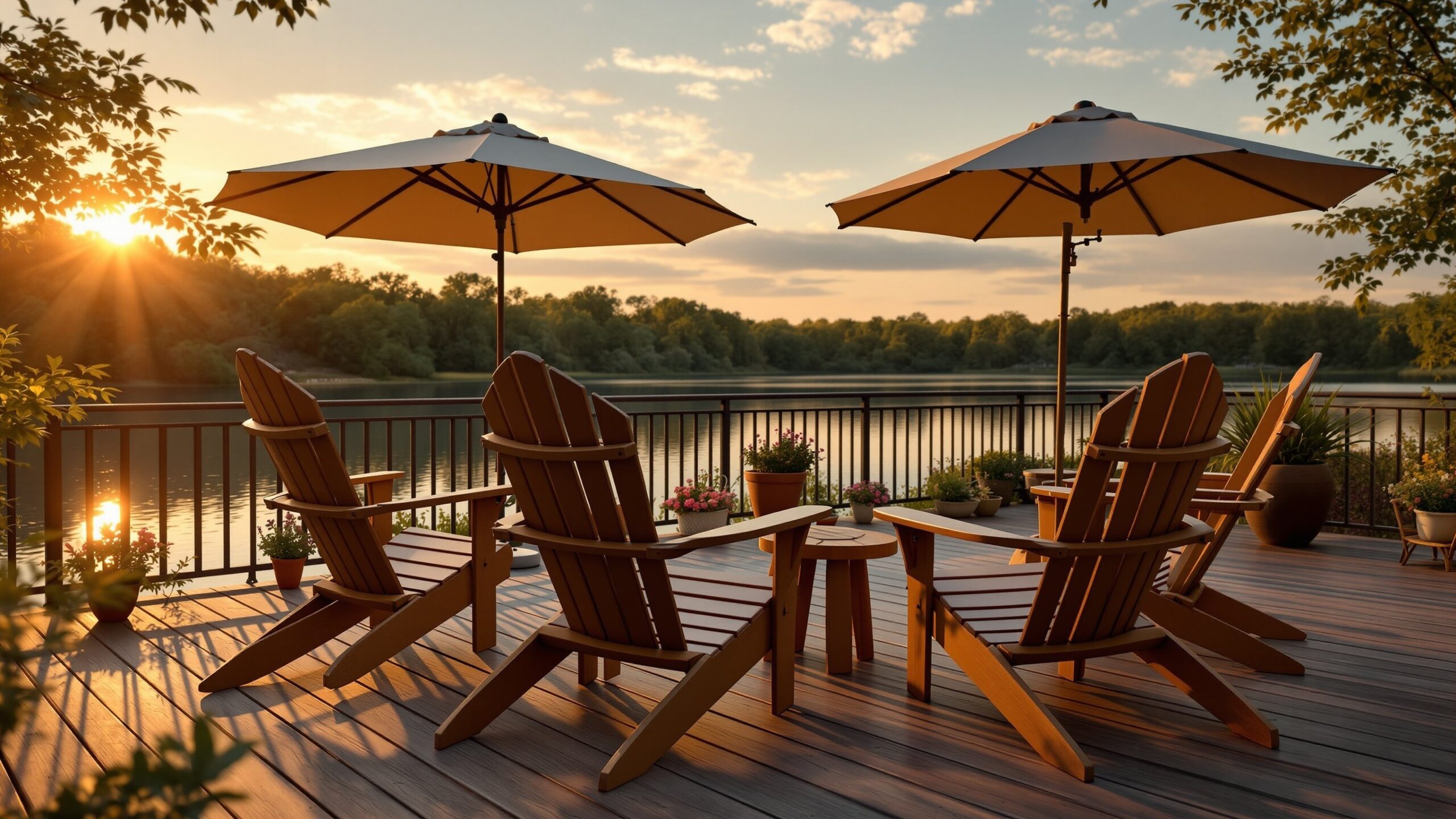
When it comes to protecting materials, products, homes, furniture, clothing, and outdoor structures, two terms are often used interchangeably: waterproofing and weatherproofing. While they sound similar and both aim to protect against the elements, they are not the same thing. Understanding the difference is essential for making smart decisions about durability, maintenance, cost, and long-term performance. This guide breaks down what waterproofing and weatherproofing actually mean, how they differ in real-world use, where each one is appropriate, and why choosing the wrong approach can lead to disappointment, damage, or unnecessary expense. Whether you are sealing outdoor furniture, protecting a home exterior, shopping for gear, or planning a DIY project, this article will help you choose the right level of protection with confidence.
A: No—waterproofing targets water entry; weatherproofing targets water + sun + seasonal movement + durability.
A: You can make it highly water-resistant, but wood still moves and coatings can be breached—maintenance is part of the deal.
A: A breathable exterior stain or penetrating system you can refresh easily—plus good drainage and storage habits.
A: A well-built film system (paint or marine varnish) with careful prep and scheduled re-coats.
A: Moisture gets under a film through edges, cracks, or screw holes, then can’t escape—so it lifts the coating.
A: Yes—it’s often the fastest route for water into wood, especially at feet and slat ends.
A: Ideally yes—balanced sealing reduces uneven moisture uptake and helps reduce warping and checking.
A: When water stops beading, color fades, or surfaces feel dry/rough—don’t wait for cracking or peeling.
A: Keep the chair off soil, improve airflow, and use a cover during long wet stretches.
A: Skipping prep and edges—most failures start at the spots you barely notice.
Why the Distinction Matters More Than You Think
At first glance, waterproofing and weatherproofing seem like marketing terms. In reality, they represent very different performance standards. A product labeled weatherproof may survive rain and sun but fail during prolonged exposure or standing water. A waterproof product is designed for far more extreme conditions, but it often comes with trade-offs such as reduced breathability, higher cost, or altered appearance.
Using weatherproofing when waterproofing is required can lead to rot, corrosion, mold, and structural damage. On the other hand, over-engineering a solution by waterproofing something that only needs weatherproofing can result in unnecessary expense and maintenance issues. Knowing the difference allows you to match protection to purpose instead of guessing.
What Waterproofing Really Means
Waterproofing refers to the ability of a material, coating, or construction method to completely prevent water penetration. A waterproof surface is designed to resist water intrusion even under continuous exposure, pressure, or immersion. In practical terms, this means water cannot pass through, soak in, or leak beyond the protected barrier. Waterproofing is commonly used in environments where failure would cause serious damage or safety concerns. Foundations, basements, roofing membranes, shower systems, boats, underground structures, and certain outdoor gear rely on true waterproofing. These systems are designed to perform even when water is persistent, heavy, or unavoidable. In many cases, waterproofing involves multiple layers of protection. Membranes, sealants, flashing, and structural design work together to create a continuous barrier. Gaps, seams, and joints are carefully addressed, since even small weaknesses can compromise the entire system.
How Waterproofing Works at a Material Level
Waterproofing typically relies on materials that are non-porous or chemically engineered to block water molecules. These materials may include rubberized membranes, synthetic polymers, treated fabrics, epoxies, bitumen, or specialized coatings that cure into a solid barrier.
Some waterproofing systems function by creating a physical wall that water cannot pass through. Others rely on chemical bonding that repels water entirely. In both cases, the goal is absolute resistance rather than partial protection.
It is important to note that waterproofing does not always mean indestructible. Over time, UV exposure, temperature changes, physical abrasion, and movement can degrade even the best waterproof systems. Maintenance and proper installation play a major role in long-term success.
Common Examples of Waterproof Applications
Waterproofing is used when water exposure is constant or unavoidable. Basements and foundations are waterproofed to prevent groundwater seepage. Roof membranes protect buildings from heavy rain and snow accumulation. Tents, dry bags, and marine equipment rely on waterproof fabrics to keep contents dry even in extreme conditions.
Bathrooms, showers, and wet rooms are another classic example. Waterproofing behind tile is essential, even though the surface may look sealed. Without proper waterproofing beneath the visible layer, moisture can penetrate walls and floors, causing hidden damage. Outdoor furniture and wood structures are sometimes waterproofed, but this is less common than weatherproofing due to cost, appearance changes, and breathability concerns.
What Weatherproofing Actually Means
Weatherproofing is designed to protect against normal environmental exposure, not total water exclusion. A weatherproof surface resists rain, snow, sun, wind, and temperature fluctuations, but it is not intended to withstand prolonged water contact, pooling, or pressure.
Weatherproofing focuses on durability rather than absolute impermeability. It slows moisture penetration, reduces damage from UV rays, minimizes cracking from temperature changes, and helps materials age more gracefully outdoors.
This approach is widely used for siding, outdoor furniture, decks, fences, doors, windows, clothing, and everyday outdoor products. Weatherproofing assumes that materials will get wet occasionally but will also have opportunities to dry.
How Weatherproofing Protects Materials
Weatherproofing works by reducing water absorption rather than eliminating it completely. Sealers, stains, finishes, and treatments penetrate the surface to create a water-resistant barrier that repels moisture while still allowing some degree of breathability. This balance is critical for materials like wood. Wood naturally absorbs and releases moisture. A weatherproof finish slows this process, preventing rapid swelling and shrinking that leads to cracks, warping, and rot. Fully waterproofing wood can sometimes trap moisture inside, accelerating decay instead of preventing it. Weatherproofing also includes UV inhibitors that protect against sun damage. Sun exposure can be just as destructive as moisture, breaking down fibers, fading colors, and weakening structural integrity over time.
Common Examples of Weatherproof Applications
Decks, fences, pergolas, and outdoor furniture are typically weatherproofed rather than waterproofed. These items are exposed to rain and sun but are designed to shed water and dry naturally.
Exterior paint systems, wood stains, and clear sealers are all forms of weatherproofing. Clothing labeled weatherproof is suitable for light rain and wind but not heavy downpours or prolonged exposure.
Windows and doors are weatherproofed using seals, flashing, and finishes that block drafts and rain while allowing buildings to manage humidity internally.
The Key Differences Between Waterproofing and Weatherproofing
The most important difference lies in degree of protection. Waterproofing aims for total water exclusion. Weatherproofing aims for resistance and durability.
Another major difference is breathability. Waterproof systems often block airflow and vapor movement. Weatherproof systems usually allow materials to breathe, which is essential for wood, masonry, and fabrics.
Longevity and maintenance also differ. Waterproofing systems tend to last longer but can fail catastrophically if compromised. Weatherproofing requires more frequent maintenance but usually fails gradually, giving warning signs before serious damage occurs.
Cost is another distinguishing factor. Waterproofing materials and installation methods are typically more expensive. Weatherproofing is more affordable and flexible for everyday use.
Waterproof vs. Weatherproof in Building Construction
In construction, the distinction is critical. Foundations and below-grade structures must be waterproofed because they are in constant contact with moisture. Above-grade walls are usually weatherproofed, allowing buildings to manage moisture without trapping it inside. Roofing systems often combine both approaches. The primary membrane is waterproof, while surface materials and finishes add weather resistance and UV protection. Mistakes in this area can be costly. Weatherproofing a basement instead of waterproofing it often leads to leaks and mold. Waterproofing an exterior wall without proper vapor control can trap moisture and cause hidden rot.
Waterproof vs. Weatherproof for Wood and Outdoor Furniture
Wood is one of the clearest examples of why the distinction matters. Most outdoor wood furniture is weatherproofed, not waterproofed. Oils, stains, and sealers protect the surface while allowing moisture movement.
True waterproof coatings on wood can crack as the wood expands and contracts. Once cracked, water enters and becomes trapped beneath the coating, accelerating rot. Weatherproofing allows furniture to get wet and dry naturally, extending its lifespan with regular maintenance. For most residential outdoor furniture, weatherproofing is the smarter, safer choice.
Waterproof vs. Weatherproof Clothing and Gear
In clothing and gear, waterproofing usually means sealed seams, coated fabrics, and membranes that block rain entirely. Weatherproof gear is lighter, more breathable, and suitable for changing conditions but not heavy storms.
A waterproof jacket is ideal for sustained rain or extreme conditions. A weatherproof jacket is better for everyday wear, light showers, and active movement where breathability matters more than total protection. Understanding this difference helps consumers avoid disappointment when a weatherproof product fails in heavy rain, even though it is performing exactly as designed.
Misleading Labels and Marketing Language
One of the biggest sources of confusion is marketing terminology. Many products labeled “water resistant,” “weather resistant,” or even “waterproof” do not meet strict technical definitions. True waterproofing usually includes certifications, ratings, or clearly defined performance standards. Weatherproofing is often described more loosely.
Consumers should look beyond labels and consider intended use, exposure level, and material behavior. Asking whether something needs to resist occasional rain or constant moisture exposure is often more helpful than focusing on the wording alone.
Choosing the Right Option for Your Project
The right choice depends on exposure, material type, and consequences of failure. If water exposure is unavoidable and damage would be severe, waterproofing is usually necessary. If exposure is occasional and materials can dry, weatherproofing is often sufficient and preferable.
Think about how water interacts with the object. Does water pool or drain away? Is the material porous? Can moisture escape once it enters? These questions guide better decisions than defaulting to the strongest-sounding option.
Maintenance Considerations and Long-Term Performance
Weatherproofing typically requires regular reapplication. Sealers, stains, and finishes wear down over time due to sun, rain, and temperature changes. Maintenance is part of the system. Waterproofing systems often last longer but require careful inspection. Small failures can lead to significant damage if ignored. Maintenance focuses on seams, joints, and transitions rather than reapplying coatings frequently. Understanding maintenance expectations helps prevent surprises and ensures protection lasts as long as intended.
Environmental and Aesthetic Trade-Offs
Waterproof coatings can alter appearance and texture. They may add sheen, thickness, or a synthetic feel. Weatherproof finishes often preserve natural texture and appearance, especially with wood and stone. Environmental impact also differs. Some waterproofing materials use heavier chemicals and create less breathable surfaces. Weatherproofing products are often more environmentally friendly and compatible with natural materials. Balancing performance with aesthetics and sustainability is an increasingly important consideration for homeowners and designers.
The Role of Climate in Your Decision
Climate plays a major role in determining which approach is best. Areas with heavy rainfall, flooding, or high groundwater demand more waterproofing solutions. Dry climates with intense sun exposure may prioritize UV resistance over moisture exclusion.
Seasonal freeze-thaw cycles also matter. Trapped moisture expands when frozen, causing cracks and failures. Weatherproofing that allows drying can be safer in cold climates than rigid waterproof coatings in certain applications.
Waterproofing and Weatherproofing Are Not Opposites
It is important to understand that these two approaches are not rivals. They are tools designed for different purposes. Many successful systems combine both, using waterproofing where water must be blocked entirely and weatherproofing where durability and breathability are more important. The best solutions are intentional, not accidental. Knowing the difference allows you to design protection instead of hoping for it.
Making an Informed Choice
Waterproofing and weatherproofing serve distinct roles in protecting materials and structures from the elements. Waterproofing offers maximum protection against water intrusion but comes with higher cost and reduced breathability. Weatherproofing provides balanced protection against everyday environmental exposure while allowing materials to function naturally.
Choosing between them is not about which is better, but which is appropriate. When matched correctly to the environment, material, and purpose, both approaches can dramatically extend lifespan, reduce maintenance costs, and prevent damage. Understanding the difference empowers you to protect what matters most, whether that is a home, a piece of furniture, a garment, or a long-term investment exposed to the elements every day.