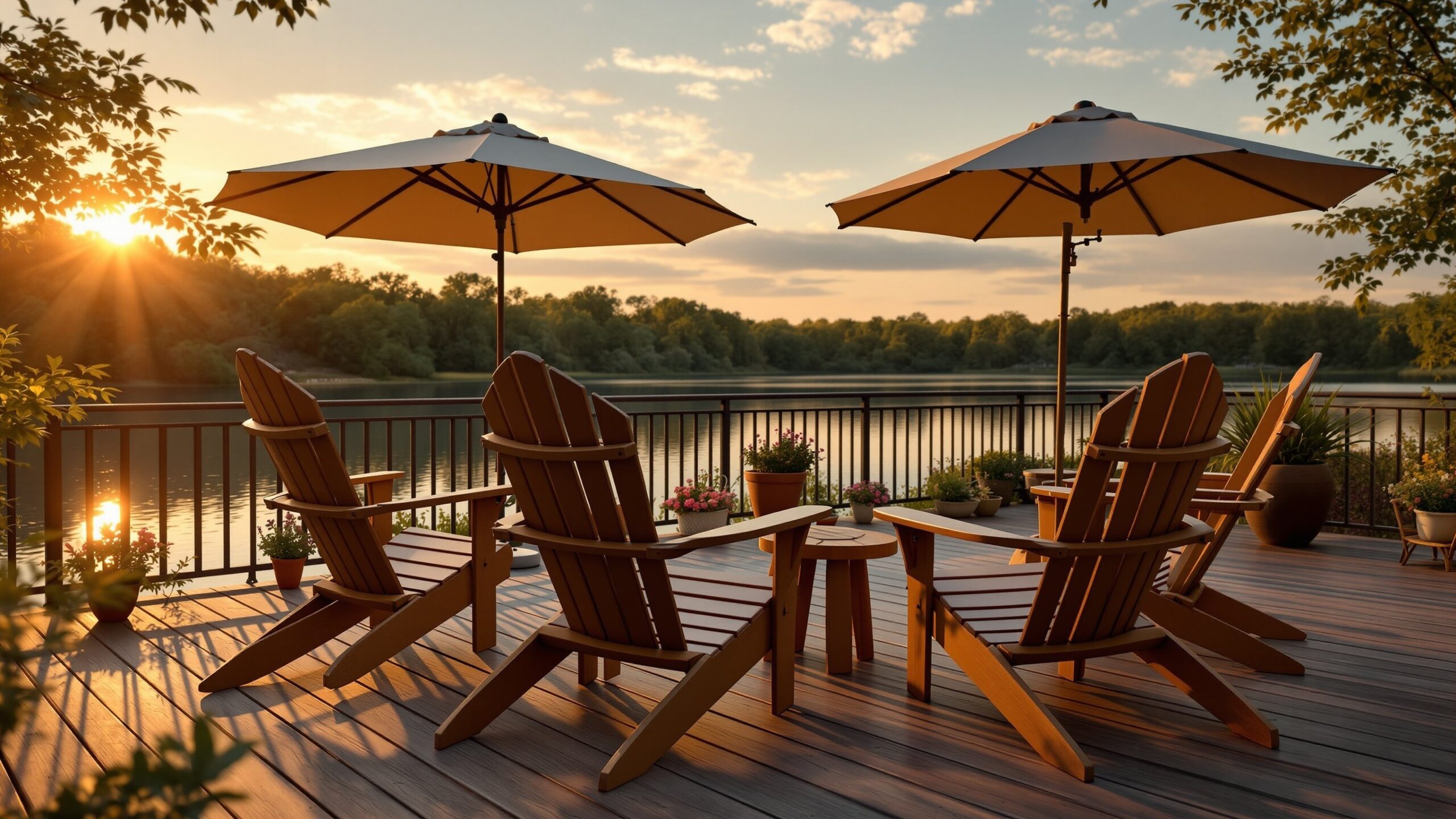
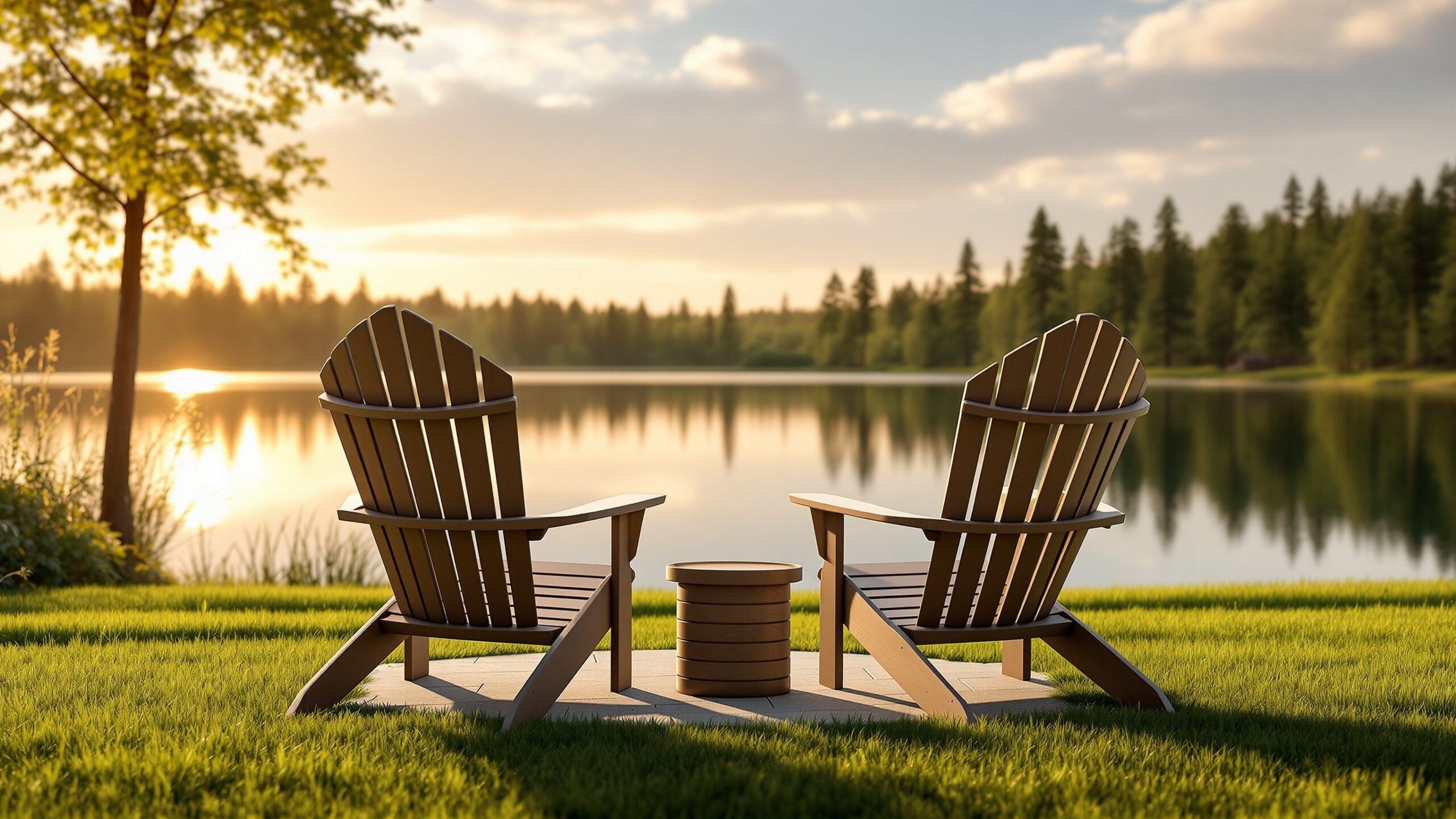
Adirondack chairs are designed for relaxation, but their true challenge begins when they are placed outdoors and left to face rain, humidity, snow, intense sunlight, and seasonal temperature swings. Without proper waterproofing, even the most beautifully crafted Adirondack chair can warp, crack, discolor, or rot far sooner than expected. Waterproofing is not simply about keeping water off the surface; it is about preserving structure, strength, comfort, and appearance over many years of outdoor use. This guide explores the best waterproofing methods for Adirondack chairs in a way that is factual, practical, and easy to understand. Whether your chair is made from cedar, pine, teak, eucalyptus, recycled plastic, or composite materials, understanding how moisture interacts with outdoor furniture will help you choose the right protection strategy. Proper waterproofing does not require advanced woodworking skills, but it does require informed decisions, patience, and routine maintenance. By the end of this article, you will understand how waterproofing works, which finishes perform best in different climates, how to apply them correctly, and how to maintain your Adirondack chairs so they stay strong, attractive, and comfortable for years.
A: Seal end grain + coat horizontal surfaces (arms/seat) with extra attention—where water lingers.
A: Varnish can last longer but needs chip repair; oils need more frequent refresh but rarely peel.
A: Only if it’s sound—clean, scuff-sand, and spot-repair peeling areas first or the new coat will fail.
A: Switch to stainless/silicon-bronze and seal around fastener holes before re-coating.
A: Yes—especially hidden joints and underside slats; uneven sealing can cause cupping/warping.
A: Add glides or a paver pad—ground moisture wicks up into legs even in “dry” weather.
A: Exterior primer + two quality exterior topcoats; sand between coats for a tighter seal.
A: When water stops beading evenly, color dulls, or you see dry spots—inspect each season.
A: Use vented covers—non-breathable tarps trap condensation and can speed mildew/rot.
A: Move chairs under cover, stand cushions upright, and elevate legs—short-term positioning beats rushed coating.
Why Waterproofing Adirondack Chairs Matters
Water is the most destructive force Adirondack chairs face outdoors. When moisture penetrates wood fibers, it causes swelling. As the wood dries, it contracts. This repeated cycle of expansion and contraction leads to cracks, loose joints, and eventual structural failure. Even hardwoods known for outdoor durability will deteriorate if left unprotected.
Beyond structural damage, moisture also invites mold, mildew, and fungal growth. These organisms not only stain wood surfaces but also weaken fibers from within. Chairs placed near pools, lakes, or shaded areas are especially vulnerable because moisture tends to linger longer in these environments.
Waterproofing creates a protective barrier that slows or prevents moisture absorption. It also stabilizes wood movement, reduces surface damage, and protects fasteners from corrosion. When combined with UV protection, waterproofing helps maintain color and finish while extending the usable life of the chair.
Understanding Wood Behavior and Moisture
Before choosing a waterproofing method, it is essential to understand how wood behaves outdoors. Wood is hygroscopic, meaning it absorbs and releases moisture depending on environmental conditions. This characteristic is natural and unavoidable, but it can be managed. Softwoods such as pine and fir absorb water more quickly than dense hardwoods. Cedar and redwood naturally resist moisture due to their oil content, but they are not waterproof by default. Tropical hardwoods like teak and eucalyptus contain oils that slow water penetration, yet they still benefit from additional protection. Grain orientation also matters. End grain absorbs water faster than face grain, which is why chair legs, arm ends, and slat edges often deteriorate first. Effective waterproofing targets these vulnerable areas with thorough coverage and proper sealing.
Oil-Based Waterproofing Treatments
Oil-based finishes are among the most popular waterproofing options for Adirondack chairs because they penetrate deeply into the wood rather than sitting entirely on the surface. This penetration nourishes wood fibers and slows moisture absorption from within.
Teak oil, tung oil, and linseed oil are commonly used for outdoor furniture. These oils enhance natural grain while offering moderate water resistance. They are especially effective for hardwood Adirondack chairs that already contain natural oils.
Oil finishes create a breathable barrier, allowing moisture to escape while limiting water entry. This reduces the risk of cracking caused by trapped moisture. However, oil-based treatments require regular reapplication, typically once or twice per year, depending on climate exposure.
Oil finishes are ideal for owners who prefer a natural look and are willing to perform routine maintenance. They are less likely to peel or flake than surface coatings, making them forgiving for beginners.
Marine-Grade Spar Varnish
Marine-grade spar varnish is one of the most durable waterproofing solutions available for Adirondack chairs. Originally designed for boats, it is formulated to withstand extreme moisture, salt air, and UV exposure.
Spar varnish creates a flexible, glossy surface film that expands and contracts with wood movement. This flexibility is critical for outdoor furniture that experiences temperature fluctuations. When applied correctly in multiple thin coats, spar varnish provides excellent water resistance and long-term protection.
The primary drawback of spar varnish is maintenance. Over time, UV exposure can break down the finish, leading to cracking or clouding if not properly maintained. Once deterioration begins, sanding and refinishing are often required rather than simple touch-ups.
Spar varnish is best suited for Adirondack chairs that are used in highly exposed environments, such as coastal areas or uncovered decks, where maximum protection is needed.
Exterior Polyurethane Sealers
Exterior polyurethane sealers offer a tough, water-resistant surface that protects Adirondack chairs from rain and spills. Unlike interior polyurethane, outdoor formulations include UV inhibitors that reduce sun damage. Polyurethane forms a hard film over the wood, creating a strong barrier against moisture. This makes it effective for chairs placed in rainy climates or near water features. Satin and semi-gloss finishes are commonly preferred for outdoor furniture because they show fewer imperfections than high-gloss versions. While polyurethane provides excellent waterproofing, it is less flexible than spar varnish. Over time, wood movement can cause the finish to crack or peel, especially if applied too thickly. Proper surface preparation and thin, even coats are essential. Polyurethane works well for Adirondack chairs that are used frequently but stored under cover during extreme weather.
Outdoor Paint as a Waterproofing Solution
Paint may not be the first option that comes to mind when thinking about waterproofing, but high-quality exterior paint can be one of the most effective moisture barriers available. When applied over a suitable primer, paint seals wood completely, preventing water from penetrating the surface.
Painted Adirondack chairs offer excellent protection against rain, snow, and UV exposure. Modern exterior paints are flexible, breathable, and resistant to cracking when properly applied. They also allow for creative color choices that complement outdoor spaces.
The main trade-off with paint is aesthetics. Paint hides natural wood grain, which some owners prefer to showcase. Additionally, once a chair is painted, returning to a natural wood finish requires significant stripping and sanding.
Paint is an excellent choice for softwood Adirondack chairs, particularly those made from pine, where maximum moisture protection is needed.
Clear Water Repellent Sealers
Clear water repellent sealers provide invisible protection for Adirondack chairs while preserving the natural appearance of the wood. These products often contain waxes, silicones, or acrylic polymers that repel water without forming a thick surface film. Water repellents are easy to apply and maintain. They soak into the wood and reduce water absorption, helping prevent swelling and cracking. However, they offer limited UV protection unless combined with additional additives. These sealers are ideal for owners who want minimal visual change and are comfortable with more frequent reapplication. They are best used in mild climates or as supplemental protection over naturally resistant woods like cedar or teak.
Epoxy Sealing for High-Risk Areas
Epoxy sealants are not typically used on entire Adirondack chairs but can be extremely effective for sealing vulnerable areas such as end grain, joints, and exposed fastener holes. Epoxy creates an impermeable barrier that prevents moisture intrusion at critical points.
This method is often used during chair construction or restoration. Once epoxy is applied and cured, it must be covered with a UV-resistant finish, as epoxy itself degrades in sunlight. Epoxy sealing is a professional-level technique but offers exceptional protection when used strategically. It significantly extends the lifespan of chairs exposed to harsh conditions.
Waterproofing Composite and Plastic Adirondack Chairs
Not all Adirondack chairs are made from wood. Recycled plastic and composite materials are naturally waterproof and do not require traditional sealing. However, they still benefit from UV protection and surface cleaning to prevent fading and surface degradation.
While moisture is not a concern for these materials, prolonged sun exposure can weaken plastic polymers over time. UV protectant sprays and routine cleaning help maintain color and structural integrity. Composite chairs are ideal for low-maintenance outdoor spaces but lack the warmth and character of natural wood.
Proper Surface Preparation Before Waterproofing
No waterproofing method will perform well without proper surface preparation. Dirt, mildew, old finishes, and surface oils prevent sealers from bonding effectively. Chairs should be thoroughly cleaned using a mild detergent or wood cleaner, then allowed to dry completely. Sanding smooths rough areas, opens wood pores, and improves adhesion. Special attention should be given to joints, edges, and end grain. Skipping preparation often leads to premature failure of the waterproofing finish, regardless of product quality.
Application Techniques That Make a Difference
Applying waterproofing products correctly is just as important as choosing the right product. Thin, even coats perform better than thick applications. Adequate drying time between coats allows finishes to cure properly and form strong bonds.
Weather conditions also matter. Applying finishes during high humidity or extreme temperatures can interfere with curing. Ideally, waterproofing should be done during dry weather with moderate temperatures. Using quality brushes or applicators ensures even coverage and reduces streaks or bubbles.
Maintenance and Reapplication Schedules
Waterproofing is not a one-time task. Outdoor exposure gradually breaks down protective finishes, making routine maintenance essential. Oil finishes typically require reapplication every six to twelve months. Clear sealers may need more frequent attention. Varnish, polyurethane, and paint can last several years but should be inspected annually for cracks, peeling, or dullness. Early maintenance prevents extensive damage and reduces the need for full refinishing.
Climate-Specific Waterproofing Considerations
Climate plays a major role in determining the best waterproofing strategy. In humid regions, breathable finishes that allow moisture escape are essential. In dry, sunny climates, UV protection becomes the primary concern. Cold climates require finishes that remain flexible during freeze-thaw cycles. Matching the waterproofing method to local conditions significantly improves performance and longevity.
Common Waterproofing Mistakes to Avoid
One of the most common mistakes is applying waterproofing over damp wood. Trapped moisture leads to peeling, mold growth, and finish failure. Another frequent error is neglecting end grain and joints, where water enters most easily. Over-application is also problematic. Thick layers dry unevenly and are more prone to cracking. Consistent, thin coats are always more effective.
Choosing the Best Waterproofing Method for Your Adirondack Chair
The best waterproofing method depends on the chair’s material, environment, desired appearance, and maintenance commitment. Natural oils offer beauty and simplicity. Varnishes and polyurethanes provide maximum protection. Paint delivers durability and color flexibility. Clear sealers preserve natural aesthetics with lighter protection. Understanding these trade-offs allows you to make informed decisions that align with how and where your Adirondack chairs are used.
Long-Term Protection
Waterproofing Adirondack chairs is an investment in comfort, durability, and visual appeal. With the right method and proper care, a well-made chair can remain a reliable outdoor companion for decades.
By respecting how materials behave, choosing appropriate finishes, and maintaining protection over time, you ensure that your Adirondack chairs withstand the elements while remaining inviting and structurally sound.
Outdoor furniture should enhance relaxation, not create maintenance stress. Thoughtful waterproofing makes that possible.