The Vacation Seat Guests Understand Instantly
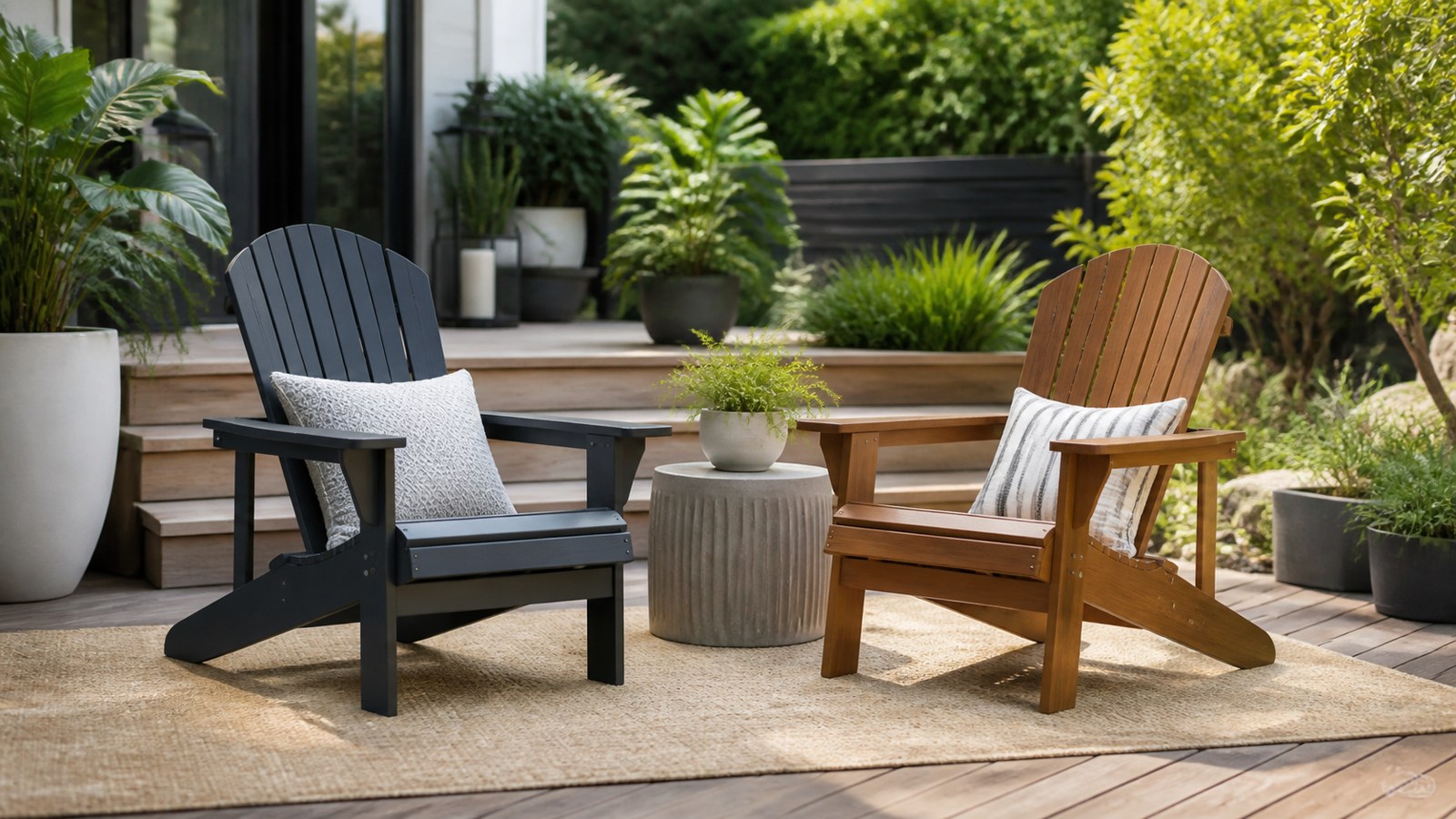
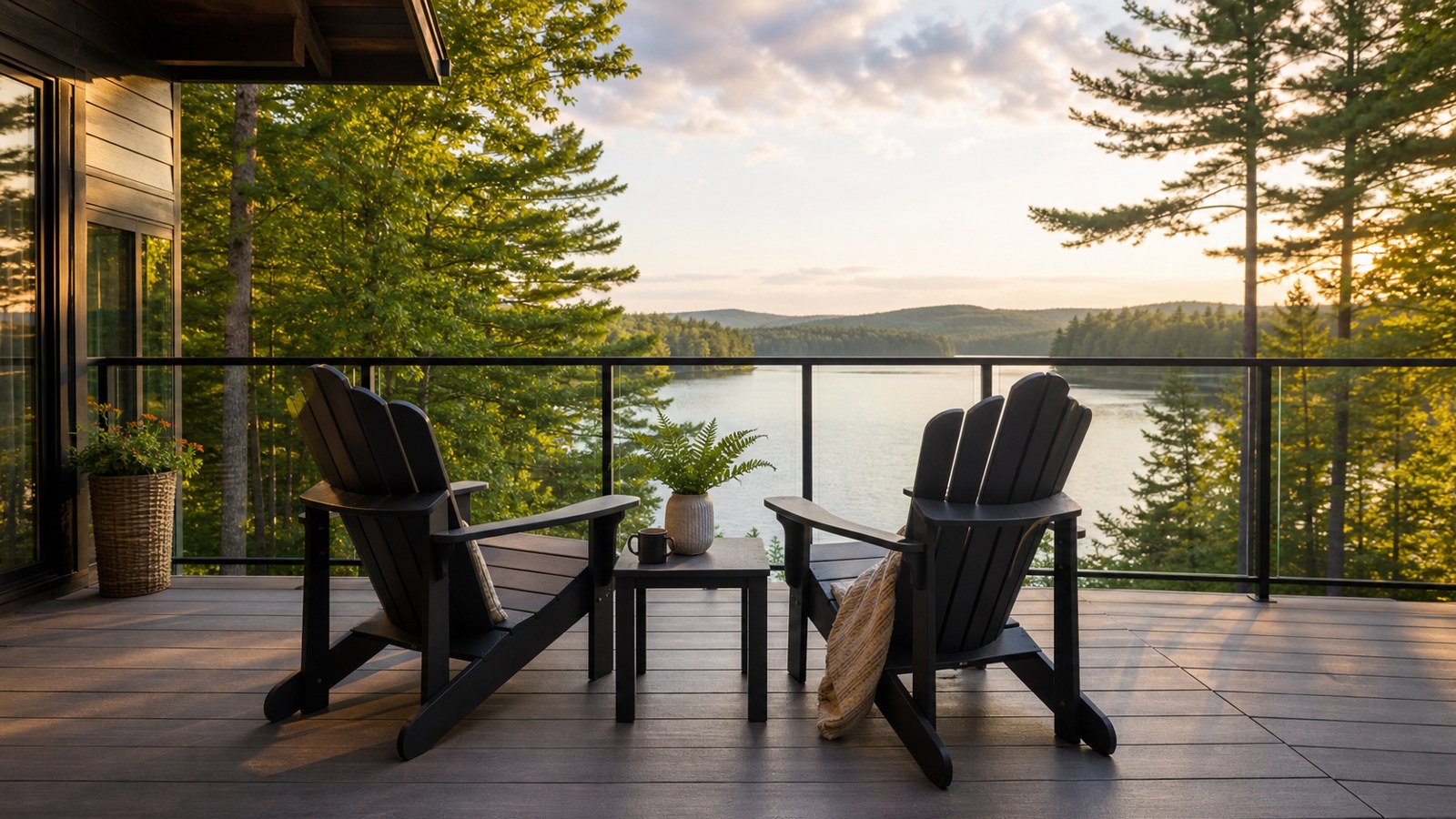
Adirondack chairs play a special role in vacation homes because they make the outdoor parts of the property feel usable the moment people arrive. A deck, dock, fire pit, porch, or patch of lawn can look empty until seating gives it purpose. The Adirondack chair does that with a shape almost everyone recognizes. It invites morning coffee, sandy feet after the lake, quiet reading, sunset conversations, and the small rituals that make a rental cottage or family cabin feel like a place of return. For owners, the chair is practical too. It is durable, easy to arrange, visually strong, and capable of turning a view into a room without building anything new. When the chairs are chosen and placed well, they quietly increase the value of the whole outdoor experience. They also help guests understand the personality of the home, whether it is a quiet cabin, a cheerful family cottage, or a polished lake rental built around the view. That clarity matters when people may have only a weekend to settle in and enjoy the property. A good chair placement saves time by making relaxation obvious, repeatable, and easy for every guest to recognize. It turns outdoor promise into an immediate, usable invitation from the first afternoon outside together.
A: Start with the main outdoor gathering zones, then match seating to likely guest count without overcrowding decks or paths.
A: Yes, especially when they are durable, easy to clean, stable, and placed where guests naturally want to sit.
A: High-quality recycled plastic is often easiest near lakes and pools, while well-maintained wood offers a warmer traditional feel.
A: They do not have to, but a consistent style helps decks, docks, porches, and fire pits feel connected.
A: Cushions can help comfort, but they require storage, drying, and cleaning plans.
A: Place them where the strongest view, best shade, or most natural arrival pause occurs.
A: They can be for some visitors, so consider taller versions or mixed seating if the home hosts older guests.
A: Some materials can, but covers, drainage, and seasonal inspection still matter.
A: Neutrals and classic outdoor colors are versatile, photograph well, and usually age more gracefully.
A: They turn outdoor space into a clear invitation to rest, gather, and enjoy the setting.
Turning Outdoor Space Into a Room
Vacation homes often have beautiful outdoor areas that need only one thing: permission to be used. A deck may have a view, a dock may have afternoon light, and a lawn may have a fire pit, but guests need signals. Adirondack chairs provide those signals quickly. Their scale, angle, and familiarity tell people where to sit and how to settle in.
Vacation homes operate differently from primary homes during guest arrival. Guests may arrive tired, distracted, or unfamiliar with the property. They do not want to decode every space. When the outdoor seating is obvious, comfortable, and well placed, the home begins working immediately.
A chair group can also define an outdoor room without construction. Four chairs around a fire pit create an evening room. Two chairs at the lake create a morning room. A single chair in shade creates a reading corner. The furniture gives each part of the property a role, which helps guests use more of what the home already offers.
Why the Adirondack Shape Fits Vacation Rhythms
The Adirondack chair is built for pauses rather than tasks. Its reclined posture does not ask people to eat neatly, sit upright, or keep moving. That makes it ideal for the in-between moments that define vacations: waiting for others to finish packing a cooler, watching children near the water, drinking coffee before the house wakes, or staying outside after dinner.
The broad arms are especially useful. In vacation settings, people carry more small objects than they realize: phones, sunglasses, sunscreen, novels, towels, cans, shells, and snacks. A chair that can hold a few of those things without a table becomes more useful than it looks in listing photos.
The shape also photographs well. For rental owners, that matters. Adirondack chairs make outdoor spaces look intentional and emotionally legible. Prospective guests can picture themselves in the scene, which is exactly what strong vacation-home imagery should accomplish.
The chair’s recline also slows the body down. Guests tend to settle instead of hover, which changes how a deck or dock is used. A property with well-placed Adirondack chairs often feels less like a house with outdoor furniture and more like a retreat with places specifically made for looking, listening, and staying awhile.
Decks, Docks, Porches, and Fire Pits
Each outdoor zone asks something different from the chair. On a deck, traffic flow and door clearance matter. Chairs should not block the path from kitchen to grill, and they should not sit so close to railings that guests feel pinned in. Angled pairs often work better than straight rows because they preserve the view while making conversation possible.
On docks, stability and material choice become more important. Wet feet, towels, sun, and wind all affect furniture. A heavy recycled-plastic chair may outperform a lighter wood version in that environment, while a wood chair might feel perfect on a covered porch where weather exposure is gentler.
Around fire pits, spacing is the main concern. Adirondack chairs are wide, and guests need room to move safely around flames, drinks, blankets, and children. A generous circle looks calmer and works better than a tight ring that forces everyone to step over chair legs.
Porches ask for a slightly different kind of discipline. Because they are attached to the house, they influence the first impression of the property. A porch crowded with too many chairs can make arrival feel messy, while one or two well-positioned chairs can make the house feel settled and hospitable before anyone steps inside.
Balconies and small decks need the most restraint. A compact Adirondack-style chair or a single statement seat may work better than trying to force a full pair into a tight footprint. Vacation comfort depends on movement as much as seating, especially when guests are carrying luggage, coolers, towels, or trays.
Choosing Materials for Owners and Guests
Vacation-home owners have to balance romance with maintenance. Wood chairs bring warmth, history, and a tactile quality that suits cabins and cottages beautifully. They also need inspection, cleaning, refinishing, and protection from standing moisture. If the owner enjoys that routine or has reliable caretaking help, wood can be an excellent choice.
Recycled plastic and resin options are compelling for rentals and busy family properties. They resist moisture, wipe down quickly, and are less likely to punish an owner for one rainy week. The tradeoff is visual: some versions look more convincing than others. Proportion, surface finish, and color restraint make a big difference.
Hardware and weight deserve the same attention as the main material. A chair that looks attractive but loosens after repeated dragging will create work for the owner and frustration for guests. Stainless, coated, or otherwise weather-resistant fasteners are worth prioritizing, especially near water or in humid climates.
Comfort for a Wider Range of Guests
A family vacation home may host toddlers, teenagers, parents, grandparents, neighbors, and friends in the same week. That range makes comfort more complicated than choosing the chair that looks best. Traditional low Adirondack chairs can be wonderful for lounging, but some guests find them hard to exit. Taller versions or a mixed seating plan can solve that without abandoning the classic look.
Small additions can also help. A side table reduces balancing acts. A footrest turns a sunset seat into a true lounge. A thin cushion can soften the back without making the chair look overstuffed. Cup holders are practical near pools and docks, where tables may be awkward.
The best comfort choices are quiet. Guests should not need a manual to enjoy the chairs. They should simply find the seat stable, smooth, shaded when needed, and close to whatever view or activity brought them outside.
It also helps to consider how guests move around the chair. The front legs should not catch bare feet on a narrow path, and the arms should not block access to steps or rail gates. Comfort includes the whole approach to the seat, not just the minutes spent sitting in it.
Color and the Vacation-Home Mood
Color helps define the personality of the property. White and soft blue can make a lakeside deck feel crisp and coastal. Green, black, and natural wood tones suit wooded cabins. Red, yellow, or turquoise can bring energy to a family cottage, especially when the home already has playful exterior details.
For short-term rentals, color also affects photography and upkeep. Very dark colors may get hot in direct sun. Very bright colors may fade or dominate listing images. Pale colors can look fresh but may need more frequent cleaning. The right answer is not universal; it depends on climate, architecture, shade, and the owner’s tolerance for maintenance.
Owners should think about how chair color connects multiple outdoor spaces. Matching every chair is not required, but a shared palette can make a deck, dock, and fire-pit area feel like parts of the same property. That visual continuity is especially useful in listing photos, where guests form a quick impression from a handful of images.
Storage and Seasonal Routines
The role of Adirondack chairs does not end when guests leave. Owners need a plan for storms, winter, pollen, leaves, and off-season storage. Chairs left under trees may gather sap and mildew. Chairs stacked carelessly can scratch finishes or stress arms. Covers help only when they fit, breathe, and are removed often enough to avoid trapping moisture.
A simple seasonal routine pays off. Wash chairs before peak use, tighten hardware, check feet and arms, refresh finishes when needed, and photograph the preferred layout. That last step is surprisingly useful when cleaners, family members, or caretakers help reset the property.
For rentals, the routine should be easy enough that it actually happens. A short checklist for cleaners or caretakers can include wiping arms, checking wobble, clearing leaves from under seats, and returning chairs to their photographed positions. Consistency keeps the outdoor areas looking ready instead of recently abandoned.
Owners should also plan for replacement before a chair fails publicly. Keeping one extra matching chair or knowing the exact model and finish can prevent a mismatched emergency purchase during peak season. That kind of preparation keeps the guest-facing setting calm even when normal wear catches up.
Designing for Repeat Visits
Vacation homes become beloved when guests develop routines. They choose the same morning chair, the same sunset spot, or the same place to sit while waiting for the grill. Adirondack chairs help those routines form because they are easy to recognize and satisfying to return to.
Owners can support repeat use by keeping the best seats consistent. If the two lake-facing chairs move every turnover, guests lose a small but meaningful sense of discovery. A steady layout gives the property a rhythm that returning families and friends begin to anticipate.
That does not mean the furniture should never change. It means changes should improve comfort, safety, or flow rather than scramble the experience. Vacation homes are full of small rituals, and good outdoor seating gives those rituals a dependable place to happen.
A Small Investment With Outsized Memory
Adirondack chairs earn their place in vacation homes because they make rest visible. They tell guests that the deck is not just a passage, the dock is not just for swimming, and the lawn is not just leftover space. They turn the property’s best outdoor features into places people can inhabit.
For owners, that is a practical design win. For guests, it becomes part of the story they take home: the chair where they read all afternoon, watched the lake change color, or talked long after the meal ended. Few pieces of outdoor furniture carry that much emotional work so easily. That is why the chair remains a vacation-home staple rather than a passing outdoor trend.