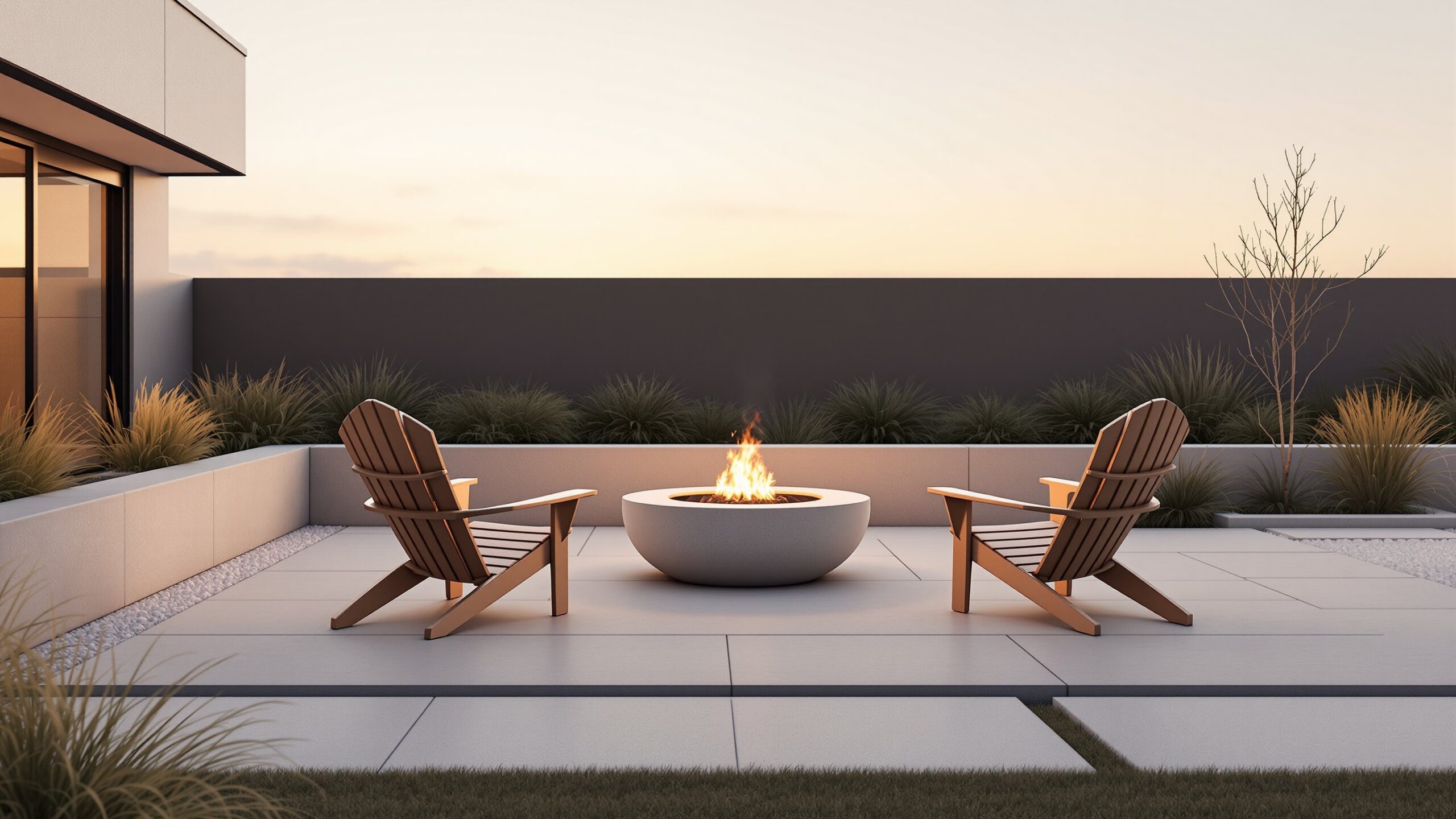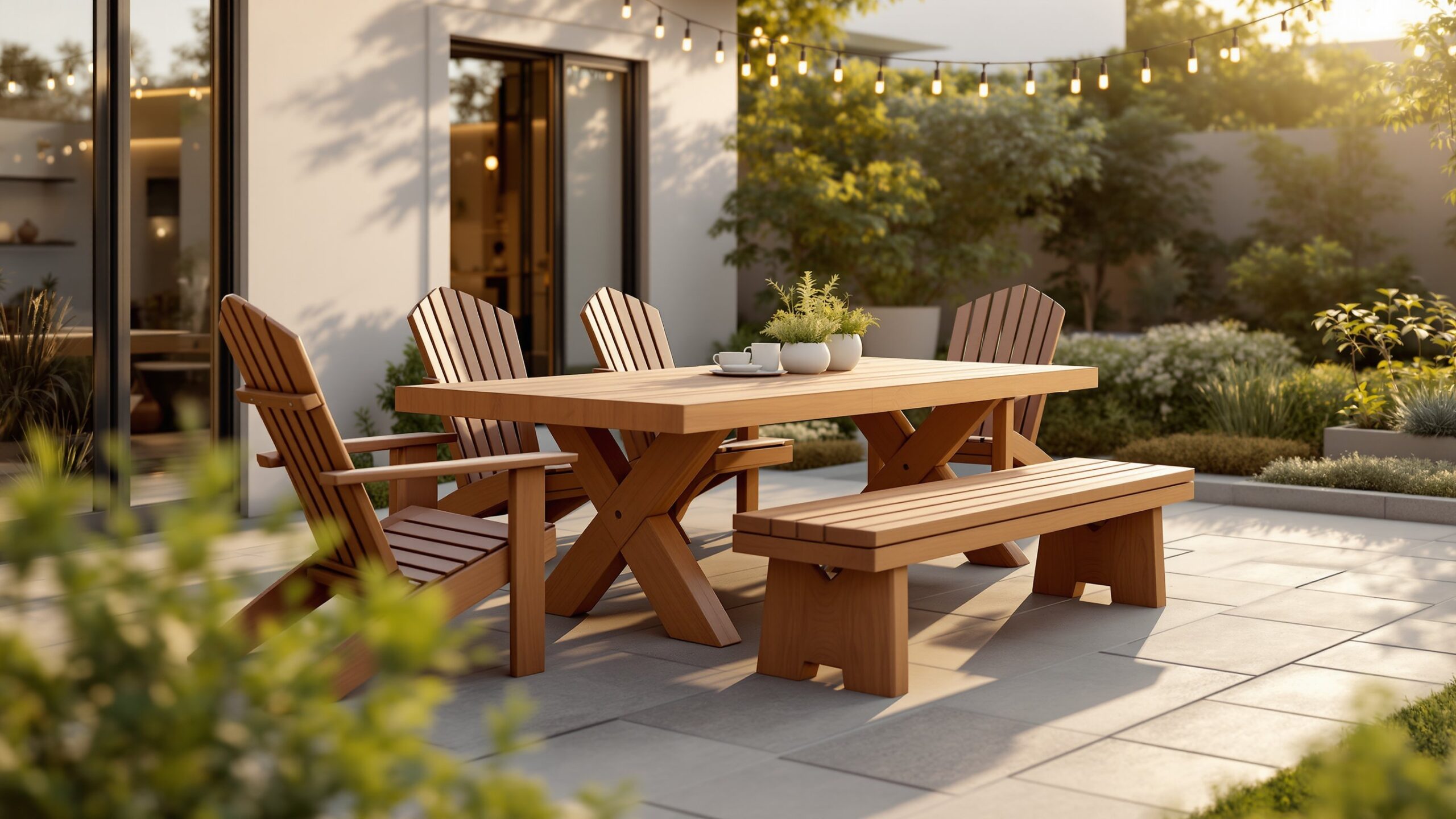
Outdoor living has evolved far beyond simple backyard furniture. Today, patios are extensions of the home—spaces designed for connection, comfort, and memorable experiences. Among the many furniture styles available, Adirondack chairs and benches stand out as timeless icons of relaxation. Originally designed in the early 1900s for rugged outdoor comfort, these chairs have become synonymous with leisurely afternoons, scenic views, and casual sophistication. When integrated into patio dining setups, Adirondack chairs and benches offer something unique: a blend of laid-back comfort and functional seating that transforms everyday meals into immersive outdoor experiences. Their signature slanted backs, wide armrests, and generous proportions create an inviting atmosphere that encourages guests to linger long after the meal ends. This guide explores how to design patio dining spaces that feature Adirondack chairs and benches—balancing aesthetics, ergonomics, and practicality to create a space that feels both intentional and effortlessly welcoming.
A: Yes, if they’re dining-height or more upright in shape; classic low lounge versions are less ideal for full meals.
A: Benches save space, seat more people, and give the patio a relaxed, welcoming look.
A: They can be, especially with supportive cushions and enough depth for relaxed seating.
A: Rectangular tables are great for mixing benches and chairs, while round tables encourage easier conversation.
A: HDPE and other all-weather composites are among the simplest to clean and maintain outdoors.
A: No, coordinated tones and materials usually look more stylish than a perfectly identical set.
A: Ideally 36 to 48 inches around the setup for movement, chair pull-back, and serving access.
A: Look for UV-resistant, mold-resistant fabrics with quick-dry fills made for outdoor use.
A: It naturally leans casual, but refined finishes and good styling can make it feel very polished.
A: Add lighting, planters, an outdoor rug, and a centerpiece to turn the seating into a true dining destination.
Understanding the Appeal of Adirondack Dining Setups
Adirondack furniture is traditionally associated with lounging, but its evolution into dining-friendly configurations has opened up new possibilities for outdoor design. Unlike rigid dining chairs, Adirondack seating introduces a relaxed posture that encourages comfort over formality. This makes it ideal for casual gatherings, family meals, and extended evenings outdoors.
Benches complement this aesthetic by offering shared seating that feels communal and flexible. Together, chairs and benches create a dynamic layout that avoids the stiffness of traditional patio dining sets. The result is a space that feels more like a curated retreat than a formal dining area.
Another key advantage is durability. Adirondack furniture is often crafted from weather-resistant materials such as teak, cedar, or high-density poly lumber, making it well-suited for year-round outdoor use. This durability ensures that your patio dining setup remains functional and beautiful across seasons.
Designing for Comfort: Ergonomics and Layout
One of the most important considerations when using Adirondack chairs for dining is ergonomics. Traditional Adirondack designs feature a reclined seat and low profile, which can be less practical for standard dining tables. However, modern adaptations—often referred to as “dining-height Adirondack chairs”—address this issue with slightly higher seats and less pronounced recline.
When planning your layout, consider the height of your dining table relative to the seating. Ideally, there should be enough clearance for comfortable leg positioning while maintaining proper posture for eating. Pairing Adirondack chairs with a slightly lower table or choosing chairs specifically designed for dining can significantly improve usability.
Spacing is equally important. Adirondack chairs are wider than standard dining chairs, so allow ample room between each seat to avoid crowding. Benches can help optimize space on one side of the table while maintaining a cohesive look.
The goal is to create a layout that feels open and breathable while still accommodating guests comfortably. This balance ensures that your patio remains functional without sacrificing its relaxed charm.
Choosing the Right Materials for Longevity and Style
Material selection plays a critical role in both the appearance and durability of your patio dining setup. Each material offers distinct advantages, and the best choice depends on your climate, maintenance preferences, and design goals.
Wood options such as teak and cedar provide a warm, natural aesthetic that blends seamlessly with outdoor environments. Teak, in particular, is prized for its resistance to moisture and pests, making it a premium choice for long-term durability. Cedar offers a lighter tone and aromatic qualities, though it may require more frequent maintenance.
Poly lumber, made from recycled plastics, has gained popularity for its low maintenance and exceptional weather resistance. It mimics the look of painted wood while eliminating the need for sealing or staining. This makes it an excellent choice for homeowners seeking a hassle-free solution.
Metal accents, such as aluminum table frames, can add a modern contrast to the rustic appeal of Adirondack seating. Combining materials thoughtfully allows you to create a layered design that feels both contemporary and grounded.
Creating a Cohesive Design Aesthetic
A successful patio dining setup is more than just functional—it tells a visual story. Adirondack chairs and benches can anchor a variety of design styles, from coastal and farmhouse to modern minimalist.
For a coastal-inspired look, opt for light-colored finishes such as white, soft gray, or weathered blue. Pair these with natural textures like linen cushions and driftwood accents to evoke a breezy, seaside atmosphere. In a rustic or farmhouse setting, embrace natural wood tones and earthy palettes. Incorporate elements like stone pavers, wooden pergolas, and vintage-style lighting to create a warm, inviting space.
Modern minimalist designs benefit from clean lines and neutral colors. Black or charcoal Adirondack chairs paired with a sleek rectangular table can create a striking yet understated look. Keep accessories minimal to maintain a sense of openness.
Consistency in color, material, and form helps unify the space, ensuring that every element feels intentional and harmonious.
Incorporating Benches for Versatility and Flow
Benches are a powerful addition to Adirondack dining setups, offering flexibility that traditional chairs cannot. They can accommodate multiple guests, adapt to different group sizes, and create a more communal dining experience.
Positioning a bench along one side of the table can open up the layout, making it easier to move around the space. This is particularly useful in smaller patios where maximizing flow is essential.
Benches also provide an opportunity to introduce contrast. For example, a sleek bench paired with classic Adirondack chairs can create visual interest without disrupting the overall aesthetic.
Adding cushions or upholstered pads to benches enhances comfort while allowing you to incorporate color and texture into the design. This layering effect contributes to a more inviting and personalized space.
Enhancing Comfort with Cushions and Accessories
While Adirondack chairs are inherently comfortable, adding cushions can elevate the experience even further. Seat and back cushions provide additional support, making extended dining sessions more enjoyable.
Choose weather-resistant fabrics designed for outdoor use, such as solution-dyed acrylics. These materials resist fading, moisture, and mildew, ensuring long-lasting performance.
Accessories such as outdoor rugs, throw blankets, and decorative pillows can transform your patio into a cozy extension of your home. These elements add warmth and personality while softening the overall look.
Lighting is another crucial component. String lights, lanterns, or integrated LED fixtures can create a warm ambiance that extends the usability of your patio into the evening hours. Thoughtful lighting enhances both functionality and atmosphere.
Integrating Shade and Shelter
Comfort in outdoor dining is heavily influenced by environmental factors, particularly sun exposure. Incorporating shade solutions ensures that your patio remains usable throughout the day.
Umbrellas are a versatile option, offering adjustable coverage and easy installation. For a more permanent solution, consider pergolas or retractable awnings. These structures not only provide shade but also add architectural interest to the space.
Natural shade, such as strategically placed trees or climbing vines, can create a softer, more organic feel. Combining built and natural elements allows you to achieve a balanced and visually appealing design. Shelter from wind and light rain can further enhance the usability of your patio, making it a reliable space for dining in various weather conditions.
Seasonal Adaptability and Year-Round Use
A well-designed patio dining setup should adapt to changing seasons. Adirondack chairs and benches, with their durable construction, are well-suited for year-round use when paired with thoughtful accessories. In warmer months, focus on breathable fabrics, light colors, and minimal layering. As temperatures drop, introduce heavier textiles such as blankets and seat cushions to retain warmth.
Outdoor heaters or fire pits can extend the usability of your patio into cooler seasons. Positioning seating around a heat source creates a cozy focal point that encourages gathering. Storage solutions, such as weatherproof deck boxes, help protect cushions and accessories when not in use. This ensures that your patio remains organized and ready for any occasion.
Maximizing Small Spaces
Not every patio offers expansive square footage, but Adirondack dining setups can be adapted to smaller areas with careful planning. Opt for compact versions of chairs and benches, or consider foldable designs that can be stored when needed.
Round or square tables can improve flow in tight spaces, allowing for easier movement around the seating area. Benches can be tucked under the table when not in use, maximizing available space. Vertical elements, such as wall-mounted planters or hanging lights, draw the eye upward and create the illusion of a larger area. Strategic use of color and materials can also make a small patio feel more open and inviting.
The key is to prioritize functionality while maintaining the relaxed aesthetic that defines Adirondack furniture.
Entertaining and Hosting with Ease
Patio dining setups featuring Adirondack chairs and benches are ideal for entertaining. Their informal nature encourages conversation and connection, making guests feel at ease. Consider how food and drinks will be served. A nearby outdoor kitchen, grill station, or serving cart can streamline the hosting process. This allows you to spend more time with guests rather than moving back and forth indoors.
Flexible seating arrangements make it easy to accommodate different group sizes. Benches can seat multiple people, while additional chairs can be added as needed. Creating zones within your patio—such as a dining area, lounge space, and cooking station—enhances functionality and ensures a seamless flow during gatherings.
Sustainability and Eco-Friendly Choices
As outdoor living becomes more integral to modern lifestyles, sustainability is an increasingly important consideration. Many Adirondack chairs are now made from recycled materials, offering an environmentally friendly alternative to traditional wood. Choosing sustainably sourced wood or certified materials can reduce your environmental impact while maintaining quality and durability. Low-maintenance materials also minimize the need for chemical treatments and frequent replacements. Incorporating native plants and water-efficient landscaping further enhances the eco-friendliness of your patio. These choices contribute to a more sustainable outdoor environment without compromising on style.
Maintenance and Care for Long-Term Beauty
Maintaining your patio dining setup ensures that it remains both functional and visually appealing over time. The level of care required depends largely on the materials used.
Wood furniture may need periodic sealing or staining to protect against moisture and UV damage. Poly lumber, on the other hand, typically requires only occasional cleaning with soap and water.
Regularly inspecting hardware, tightening screws, and cleaning surfaces helps prevent wear and prolongs the life of your furniture. Protecting cushions and accessories during extreme weather conditions also contributes to their longevity.
A consistent maintenance routine allows you to enjoy your outdoor space with minimal effort and maximum satisfaction.
Designing a Patio That Invites You to Stay
Patio dining setups featuring Adirondack chairs and benches offer a unique blend of comfort, style, and versatility. They transform outdoor spaces into inviting environments where meals become experiences and gatherings feel effortless. By carefully considering layout, materials, and design elements, you can create a patio that reflects your personal style while meeting your practical needs. Whether you’re hosting a lively dinner party or enjoying a quiet meal under the stars, the right setup makes all the difference. Ultimately, the beauty of Adirondack-inspired dining lies in its ability to balance form and function. It invites you to slow down, connect with your surroundings, and savor the moments that matter most.