In a world that moves fast and demands constant attention, the idea of a minimalist backyard has become more than a design trend—it’s a lifestyle choice. It’s about creating a space that feels calm, intentional, and deeply restorative. At the heart of many of these outdoor sanctuaries sits a timeless icon: the Adirondack chair. With its wide arms, slanted seat, and laid-back silhouette, it embodies comfort, simplicity, and a connection to nature. Minimalist backyard design isn’t about having less for the sake of less—it’s about making space for what truly matters. When thoughtfully paired with Adirondack chairs, your outdoor space transforms into a place for quiet mornings, meaningful conversations, and peaceful evenings under open skies. This guide explores how to design a minimalist backyard that feels refined yet welcoming, modern yet timeless—centered around the enduring charm of Adirondack seating.
A: Yes. Their strong shape makes them ideal focal pieces when the rest of the yard stays clean and uncluttered.
A: Stick with neutrals and nature-inspired tones like black, gray, white, sand, or natural wood for a calm, cohesive look.
A: Two to four is often enough. Minimalist spaces usually look better with fewer, better-placed pieces.
A: A simple fire bowl, one low table, a clean-lined planter, or subtle lighting works better than lots of extra accessories.
A: Not always. If you use them, choose simple outdoor cushions in solid neutral fabrics rather than busy prints.
A: Gravel, concrete, pavers, stone, or a restrained wood deck all support a minimalist backyard aesthetic.
A: Add warmth through texture—wood, grasses, soft lighting, and a few natural materials can make minimalism feel inviting.
A: No, but use them sparingly. Minimalist yards usually look strongest with controlled greenery and selective seasonal color.
A: Both can work. Wood feels organic and warm, while recycled plastic offers a crisp, low-maintenance finish.
A: Overfilling the yard. Minimalist design depends on editing, spacing, and letting a few great elements stand out.
The Philosophy of Minimalist Outdoor Living
Minimalism in outdoor design draws inspiration from both modern architecture and natural landscapes. It emphasizes clarity, balance, and restraint. Instead of cluttered patios and overly decorated gardens, minimalist backyards rely on a few well-chosen elements that work in harmony.
The key principle is intentionality. Every object, texture, and line serves a purpose. Materials are often natural—wood, stone, concrete, and metal—and colors tend to be neutral or earthy. This allows the surrounding environment—sky, trees, light—to become the main visual feature.
Adirondack chairs fit seamlessly into this philosophy. Their design is already stripped down to essentials: comfort, structure, and durability. When placed thoughtfully within a minimalist space, they don’t compete for attention—they anchor it.
Why Adirondack Chairs Work So Well in Minimalist Designs
Adirondack chairs have evolved far beyond their rustic origins. Today, they are available in streamlined silhouettes, modern materials, and sophisticated finishes that align perfectly with minimalist aesthetics.
Their low profile encourages relaxation while maintaining visual openness. Unlike bulky outdoor furniture, Adirondack chairs sit comfortably within a space without overwhelming it. Their angled backs and wide arms create natural geometry that complements clean landscape lines.
They also offer versatility. Whether crafted from natural wood for a warm, organic feel or from powder-coated metal or recycled plastic for a sleek, contemporary look, Adirondack chairs can adapt to nearly any minimalist palette.
Most importantly, they invite stillness. Their reclined design encourages you to slow down, lean back, and take in your surroundings—exactly what minimalist living is all about.
Designing Your Layout: Space, Flow, and Balance
A minimalist backyard begins with a clear layout. Before selecting furniture or materials, consider how the space flows and how you want to use it.
Start by defining zones, even if subtly. A seating area with Adirondack chairs might become the focal point, while surrounding areas remain open or lightly landscaped. Resist the urge to fill every corner. Negative space is just as important as the elements you include.
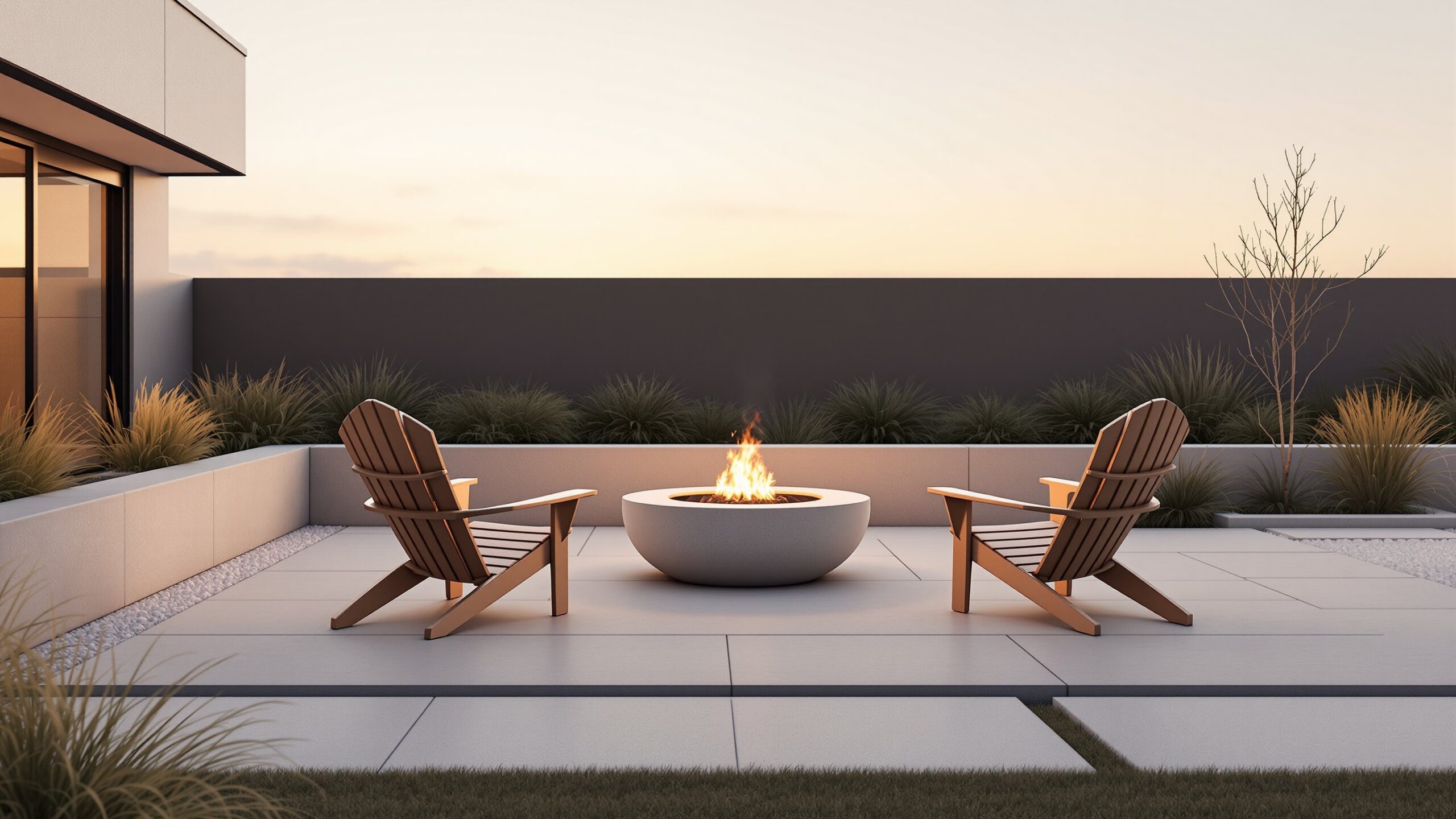
Position your chairs to encourage both comfort and connection. Facing them toward a natural focal point—such as a garden bed, fire pit, or horizon view—creates a sense of purpose. Arranging them in a gentle arc or symmetrical formation fosters conversation without feeling rigid.
Paths should be simple and intuitive. Straight lines or softly curved walkways made from stone, gravel, or concrete help guide movement without drawing attention away from the overall design.
The result should feel effortless, as though everything naturally belongs exactly where it is.
Choosing the Right Materials for a Minimalist Backyard
Material selection is one of the most defining aspects of minimalist design. The goal is to create visual harmony through texture rather than decoration.
Wood is often used to introduce warmth. Cedar, teak, or eucalyptus Adirondack chairs can soften the clean lines of a modern patio while maintaining a natural aesthetic. If you prefer a more contemporary look, darker stains or painted finishes in black, charcoal, or muted gray can elevate the design.
Concrete offers a sleek, architectural foundation. Whether used for patios, pathways, or planters, it provides a clean backdrop that highlights your furniture without distraction.
Gravel and crushed stone are excellent for minimalist landscaping. They add texture and sound underfoot while keeping maintenance low. Combined with simple plantings, they create a serene, almost meditative atmosphere.
Metal accents, used sparingly, can add contrast and structure. Think thin steel edging, minimalist fire pits, or subtle lighting fixtures. The key is consistency. Limit your palette to two or three primary materials to maintain a cohesive look.
Color Palettes That Create Calm
Minimalist backyard design thrives on restrained color palettes. Instead of vibrant, competing hues, the focus is on subtle, layered tones that evoke calm and balance. Neutral shades—white, gray, beige, and soft black—form the foundation. These colors reflect light beautifully and create a sense of openness. When applied to Adirondack chairs, they allow the surrounding environment to shine.
Earth tones—such as warm browns, olive greens, and sandy taupes—connect the space to nature. These hues work especially well in wood finishes and natural materials. For those who want a touch of contrast, deep charcoal or matte black can ground the design and add sophistication without overwhelming the space.
Avoid overly bright or saturated colors. In minimalist design, restraint is what creates impact.
Landscaping With Simplicity and Purpose
Landscaping in a minimalist backyard is less about abundance and more about intention. Instead of filling your space with a wide variety of plants, focus on a few carefully selected species that offer texture, movement, and seasonal interest.
Ornamental grasses are a popular choice. Their soft movement adds life to the space without creating visual clutter. Low-maintenance shrubs and sculptural plants, such as boxwood or agave, can provide structure and form.
Spacing is crucial. Allow plants room to breathe, and use repetition to create rhythm. A line of evenly spaced grasses or a cluster of identical shrubs can be more impactful than a crowded mix of species.
Hardscape elements—like stone paths or gravel beds—should integrate seamlessly with plantings. The goal is to blur the line between built and natural environments.
When Adirondack chairs are placed within this landscape, they feel like part of the scene rather than an addition to it.
Creating a Focal Point With Adirondack Seating
In many minimalist backyards, the Adirondack seating area becomes the central feature. This is where design meets experience.
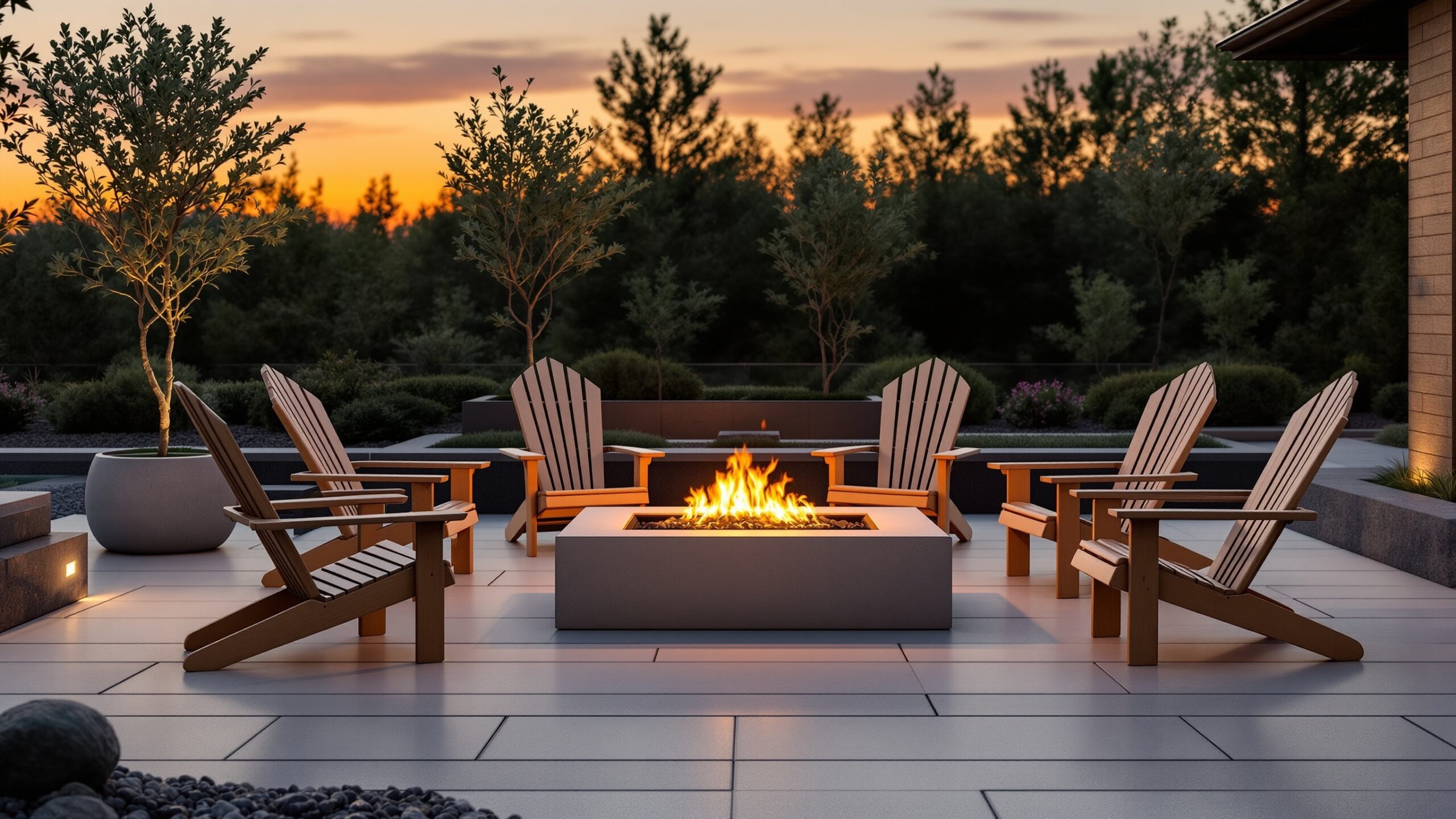
A simple arrangement of two to four chairs can create an intimate gathering space. Adding a low-profile table or a subtle fire pit enhances functionality without disrupting the minimalist aesthetic.
Symmetry often works well. Placing chairs evenly around a central element creates a sense of order and calm. However, asymmetrical layouts can feel more relaxed and organic, especially in natural settings.
Consider the surrounding view. Position your seating to capture the best aspects of your environment—whether it’s a sunset, a garden feature, or an open sky.
Lighting can elevate the space in the evening. Soft, warm lighting—such as recessed ground lights or subtle string lights—adds ambiance without overwhelming the design.
Integrating Fire, Water, and Natural Elements
Incorporating elemental features like fire and water can enhance the sensory experience of your backyard while maintaining a minimalist approach.
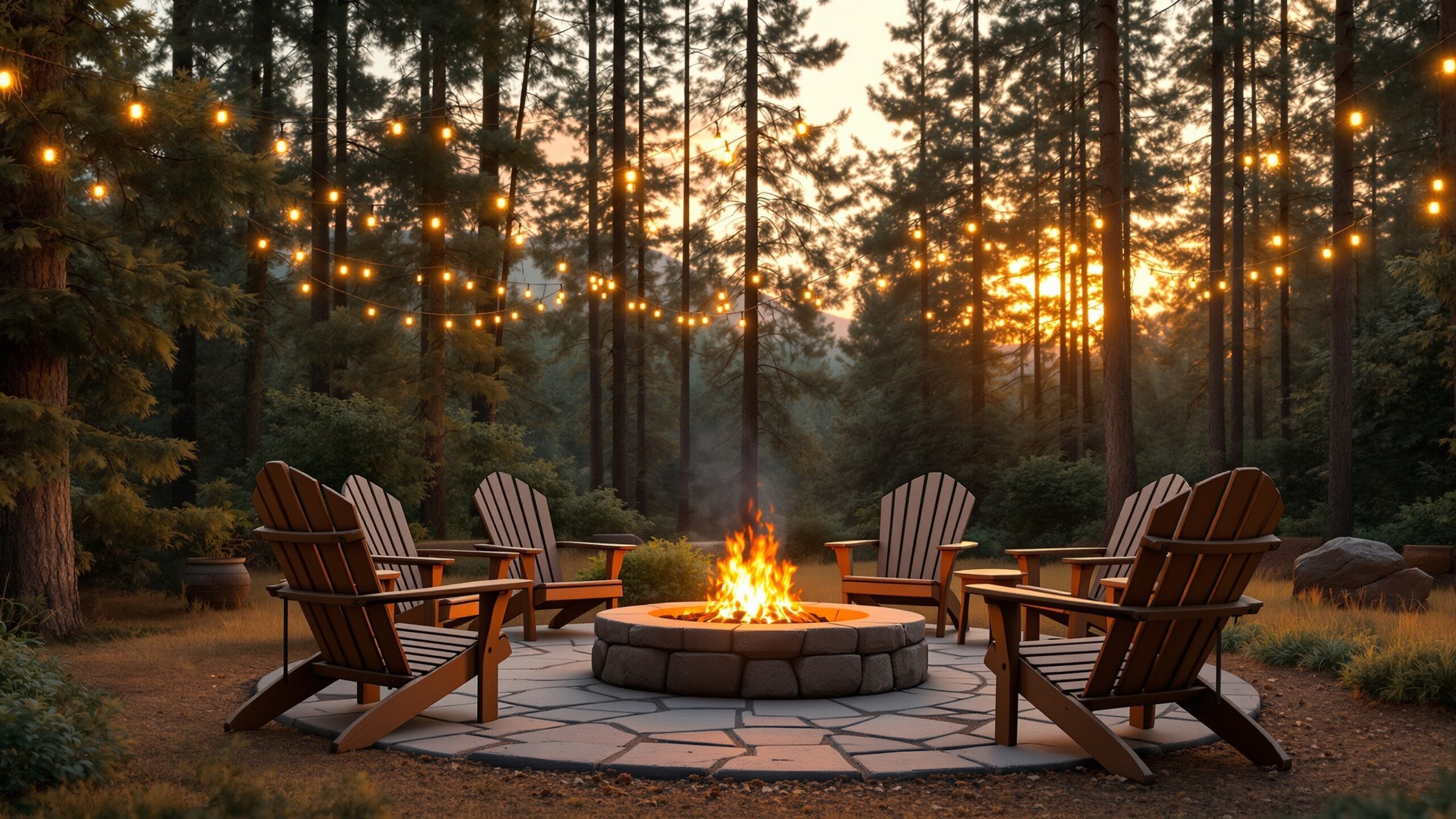
A fire pit, designed with clean lines and simple materials, becomes a natural gathering point. Surrounded by Adirondack chairs, it creates a cozy yet refined atmosphere for evening relaxation.
Water features, such as a small reflecting pool or a minimalist fountain, introduce sound and movement. The gentle trickle of water can make the space feel more tranquil and immersive.
Natural elements like large stones, driftwood, or even a single sculptural tree can act as focal points without adding clutter. These elements connect the space to the broader landscape and reinforce the minimalist philosophy.
Comfort Without Clutter
Minimalism doesn’t mean sacrificing comfort—it means achieving it with intention.
Adirondack chairs are inherently comfortable, but small additions can enhance the experience. Consider weather-resistant cushions in neutral tones or soft throws for cooler evenings. Keep these accessories simple and limited to avoid visual overload.
Storage should be discreet. Built-in benches or hidden compartments can keep essentials out of sight while maintaining a clean aesthetic. Shade is another important consideration. A simple pergola, a neutral-toned umbrella, or strategically placed trees can provide relief from the sun without disrupting the design.
The goal is to create a space that feels effortless yet deeply comfortable.
Lighting That Enhances the Atmosphere
Lighting plays a subtle but powerful role in minimalist backyard design. Instead of bright, intrusive fixtures, opt for soft, layered illumination.
Ground-level lighting can highlight pathways and seating areas while maintaining a low visual profile. Wall-mounted fixtures or recessed lights can provide gentle ambient light.
String lights, when used sparingly, add warmth and charm. Choose warm white tones and keep the arrangement simple to avoid a cluttered look.
The interplay of light and shadow becomes part of the design, adding depth and dimension to the space.
Sustainability and Low Maintenance Design
One of the benefits of minimalist backyard design is its alignment with sustainability. By using fewer materials and focusing on durability, you create a space that is both environmentally friendly and easy to maintain. Choose high-quality Adirondack chairs made from sustainable wood or recycled materials. Opt for native plants that require less water and care. Use permeable surfaces like gravel to improve drainage and reduce runoff. Maintenance becomes simpler because there is less to manage. Clean lines and open spaces are easier to keep tidy, allowing you to spend more time enjoying your backyard rather than maintaining it.
Seasonal Adaptability
A well-designed minimalist backyard adapts beautifully to changing seasons. In warmer months, it becomes a place for sunlit relaxation and outdoor gatherings. In cooler seasons, it transforms into a cozy retreat with the addition of blankets and fire features.
Adirondack chairs, with their durable construction, can remain outdoors year-round. Their timeless design ensures they look just as inviting in the crisp light of autumn as they do in the warmth of summer.
By keeping your design simple and flexible, you create a space that evolves naturally with the seasons.
Bringing It All Together
Minimalist backyard design with Adirondack chairs is about more than aesthetics—it’s about creating a space that supports how you want to live. It’s about slowing down, simplifying, and reconnecting with the natural world. By focusing on clean lines, thoughtful materials, and intentional placement, you can transform even the smallest outdoor area into a serene retreat. Adirondack chairs serve as both a visual anchor and a functional centerpiece, inviting you to sit, relax, and enjoy the moment. In the end, the most successful minimalist backyard is one that feels effortless. It doesn’t demand attention—it rewards it. And in that quiet simplicity, you’ll find a space that feels truly your own.