There is something deeply grounding about stepping into a backyard that feels like a secluded cabin retreat. Even in suburban neighborhoods or urban settings, a thoughtfully designed outdoor space can evoke the quiet charm of a forest hideaway—where time slows, the air feels cleaner, and every element invites you to linger just a little longer. At the heart of many of these spaces sits an iconic piece of furniture: the Adirondack chair. With its wide armrests, gently reclined back, and unmistakable silhouette, the Adirondack chair has become synonymous with relaxation. When paired with rustic design elements—natural wood, stone textures, warm lighting, and earthy tones—it transforms an ordinary backyard into an immersive experience. A rustic cabin-inspired setup is not just about aesthetics; it’s about crafting a space that feels authentic, comfortable, and connected to nature. This guide explores how to design a backyard retreat centered around Adirondack chairs, blending timeless style with practical comfort. Whether you have a sprawling yard or a compact patio, the principles remain the same: simplicity, warmth, and intentional design.
A: Natural materials, warm lighting, earthy colors, relaxed seating, and a cozy focal point like a fire pit or scenic view.
A: Yes, they are one of the best fits because their shape already feels casual, classic, and connected to lodge-style outdoor living.
A: Medium-to-dark stains, weathered gray, and natural cedar-style finishes usually look strongest in rustic settings.
A: No, but it helps. A small table, lantern cluster, or view-facing layout can also anchor the seating area beautifully.
A: Choose durable outdoor fabrics in neutral, plaid, stripe, or textured weaves that feel warm and understated.
A: Absolutely. Even two chairs, one table, a lantern, and a few natural textures can create the mood.
A: Not necessarily. Rustic setups often look better when pieces coordinate in tone and texture rather than matching perfectly.
A: Warm string lights, lanterns, sconces, and soft pathway lighting usually feel cozier than bright white overhead light.
A: Glossy modern finishes, overly tropical prints, and cluttered accessories can weaken the rustic cabin mood.
A: Focus on durable chairs, layered textures, simple seasonal accessories, and lighting that keeps the space cozy after sunset.
Understanding the Rustic Cabin Aesthetic
The rustic cabin aesthetic is rooted in natural materials, organic textures, and a sense of lived-in comfort. It draws inspiration from mountain lodges, lakeside cabins, and woodland retreats where function and beauty coexist effortlessly.
In outdoor spaces, this style emphasizes raw or minimally processed materials such as wood, stone, and metal. Surfaces often show natural imperfections—grain patterns, knots, weathering—which add character rather than detract from it. Color palettes tend to stay grounded in nature: warm browns, deep greens, muted grays, and soft creams.
What sets rustic design apart is its emotional tone. It doesn’t aim for perfection or polish. Instead, it creates an inviting atmosphere that feels personal and enduring. Adirondack chairs fit seamlessly into this aesthetic because of their heritage, simplicity, and ergonomic comfort. They don’t compete with the environment—they belong to it.
Why Adirondack Chairs Are the Centerpiece
The Adirondack chair is more than just seating; it is a design anchor. Its proportions and angles naturally encourage relaxation, making it ideal for spaces meant for unwinding, conversation, and quiet reflection. Originally designed in the early 20th century for outdoor leisure in mountainous regions, the chair’s low seat and slanted back are engineered for comfort without the need for cushions. Wide armrests provide space for drinks, books, or even small plates, making the chair functional as well as inviting.
In a rustic backyard setup, Adirondack chairs serve several roles. They establish the visual tone, define gathering areas, and provide a focal point around which other elements are arranged. Whether positioned around a fire pit, facing a scenic view, or grouped beneath string lights, they create a sense of purpose in the space. Their versatility also allows for customization. Natural wood finishes enhance a traditional cabin feel, while painted versions in earthy or muted tones can subtly modernize the look without losing authenticity.
Choosing the Right Materials for Authenticity
Material selection is one of the most important aspects of achieving a rustic cabin-inspired backyard. The goal is to create harmony between the furniture and the surrounding environment. Wood remains the most iconic choice for Adirondack chairs in rustic settings. Cedar, teak, and acacia are particularly popular due to their durability and resistance to outdoor elements. Each type of wood offers its own character—cedar with its warm reddish hues, teak with its rich golden tones, and acacia with its varied grain patterns.
For a more weathered, cabin-like appearance, unfinished or lightly treated wood works best. Over time, exposure to the elements will create a natural patina that enhances the rustic charm. If maintenance is a concern, composite or recycled plastic Adirondack chairs can mimic the look of wood while offering greater longevity and ease of care. Beyond the chairs themselves, incorporating complementary materials is essential. Stone pathways, gravel seating areas, and wooden decking all contribute to a cohesive design. Metal accents—such as iron fire pits or lanterns—add contrast and depth without overwhelming the natural palette.
Designing the Layout: Creating a Natural Flow
A successful rustic backyard setup feels effortless, as though it evolved organically rather than being meticulously planned. Achieving this effect requires thoughtful layout design that prioritizes comfort, accessibility, and visual balance.
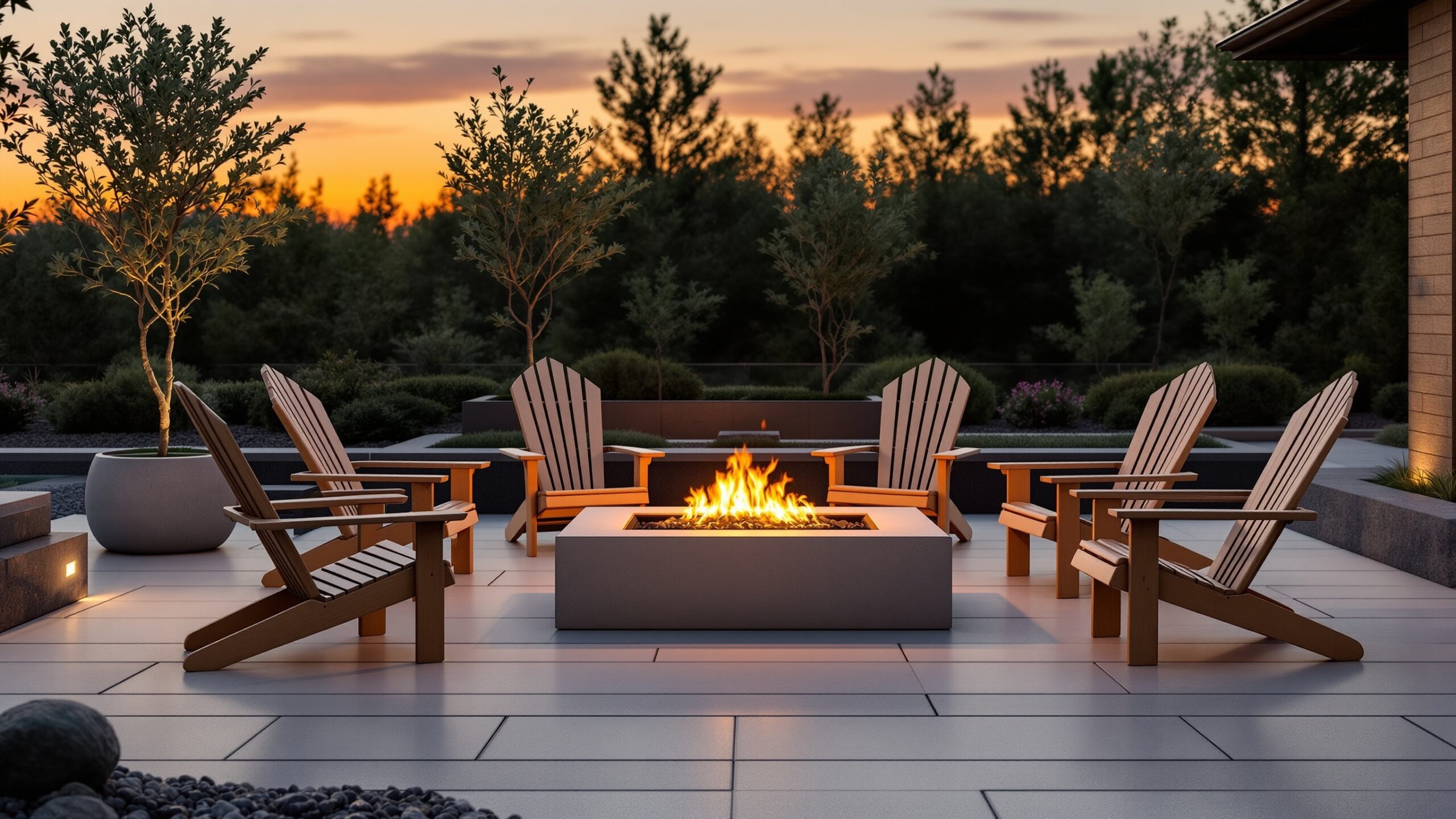
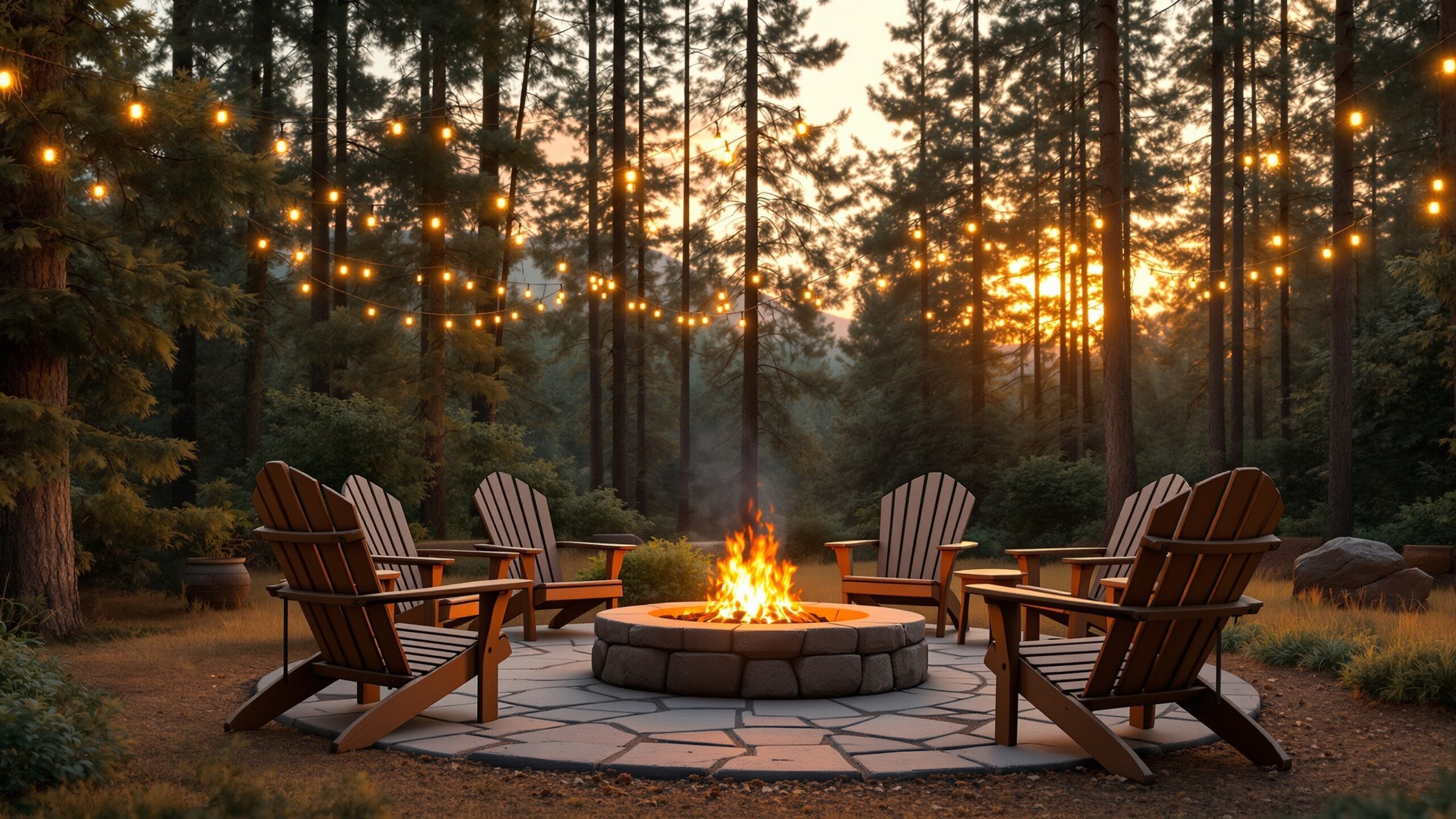
Start by identifying the primary focal point. In many rustic setups, this is a fire pit. Arranging Adirondack chairs in a circular or semi-circular formation around the fire pit encourages conversation and creates a communal atmosphere. The spacing should allow for easy movement while maintaining a sense of intimacy.
If a fire pit is not part of the design, consider orienting the chairs toward a natural feature such as a garden, water element, or scenic view. The goal is to give the seating arrangement a purpose—something to gather around or look toward.
Pathways play an important role in guiding movement through the space. Gravel, stepping stones, or wooden planks can subtly direct foot traffic while reinforcing the rustic aesthetic. Avoid overly rigid symmetry; slight variations in placement can make the space feel more natural and inviting.
Layering is another key principle. Combine different zones within the backyard—a seating area, a dining space, perhaps a hammock corner—while maintaining visual continuity through consistent materials and colors.
Incorporating Fire Features for Warmth and Atmosphere
Few elements define a cabin-inspired outdoor space more than a fire feature. The flicker of flames adds warmth, both literally and visually, transforming the backyard into a year-round retreat. Fire pits are the most popular choice for rustic setups. Stone or metal designs blend seamlessly with natural surroundings, and their circular form complements the arrangement of Adirondack chairs. Whether wood-burning or propane-powered, a fire pit creates a central gathering point that encourages relaxation and storytelling.
For smaller spaces, a chiminea or compact fire bowl can provide a similar ambiance without requiring as much room. Built-in fireplaces offer a more permanent solution, adding architectural interest while enhancing the cabin aesthetic. The key is to integrate the fire feature into the overall design rather than treating it as an afterthought. Surround it with materials that echo the rest of the space—stone, wood, or gravel—and ensure that seating is positioned to maximize both comfort and safety.
Lighting That Enhances the Rustic Mood
Lighting plays a crucial role in defining the atmosphere of a rustic backyard, especially as the sun sets. The goal is to create a warm, inviting glow that complements the natural environment without overpowering it.
String lights are a staple in cabin-inspired setups. Draped between trees, along fences, or above seating areas, they provide soft illumination that feels both festive and intimate. Warm white bulbs are preferred, as they mimic the gentle glow of candlelight.
Lanterns add another layer of charm. Placed on the ground, hung from hooks, or set on tables, they introduce a sense of nostalgia while enhancing visibility. Solar-powered options offer convenience, while traditional candle lanterns provide a more authentic touch.
Pathway lighting ensures safety while contributing to the overall aesthetic. Low-profile fixtures or subtle ground lights can guide movement without disrupting the rustic feel. The key is restraint—too much lighting can detract from the cozy, cabin-like atmosphere.
Textiles and Comfort: Softening the Space
While Adirondack chairs are comfortable on their own, adding textiles can elevate the experience and make the space feel even more inviting. The right fabrics introduce warmth, color, and texture without compromising the rustic aesthetic. Outdoor cushions and throw pillows in neutral or earthy tones can soften the look of wooden chairs. Patterns inspired by nature—such as plaids, stripes, or subtle florals—work particularly well in cabin-inspired settings.
Blankets are another essential element, especially for cooler evenings. Drape them over the backs of chairs or store them in a woven basket nearby for easy access. Materials like wool or fleece add both comfort and visual interest. Rugs can help define seating areas and add a layer of coziness underfoot. Choose durable, weather-resistant options that complement the color palette and textures of the space.
Adding Natural Elements and Greenery
A rustic backyard should feel like an extension of the surrounding landscape. Incorporating plants, trees, and other natural elements helps blur the line between designed space and nature.
Native plants are an excellent choice, as they thrive in local conditions and require less maintenance. Wildflowers, ornamental grasses, and shrubs can create a layered, organic look that enhances the overall design.
Planters made from wood, stone, or metal reinforce the rustic aesthetic while providing structure to the greenery. Consider mixing heights and sizes to create visual interest.
Water features, such as small ponds or fountains, can add a soothing auditory element to the space. The gentle sound of flowing water complements the tranquility of a cabin-inspired setting.
Personal Touches That Tell a Story
One of the defining characteristics of rustic design is its sense of individuality. Unlike more polished styles, it embraces imperfections and personal touches that make the space feel unique. Incorporate items that reflect your personality and experiences. Vintage finds, handmade decor, or repurposed materials can add character and authenticity. A reclaimed wood table, an old lantern, or even a stack of firewood arranged neatly can become focal points in their own right. Decorative accents should feel intentional but not overly curated. The goal is to create a space that feels lived-in and welcoming, rather than staged.
Seasonal Adaptations for Year-Round Enjoyment
A well-designed rustic backyard can be enjoyed in every season with a few thoughtful adjustments. In warmer months, lightweight textiles and shade elements keep the space comfortable. Umbrellas, pergolas, or strategically placed trees can provide relief from the sun.
As temperatures drop, layering becomes essential. Add thicker blankets, swap out cushions for warmer fabrics, and ensure that the fire feature is ready for use. Outdoor heaters can extend the usability of the space without detracting from the aesthetic.
Seasonal decor can also enhance the experience. Autumn leaves, winter greenery, or spring blooms can subtly transform the space while maintaining its core design.
Maintenance and Longevity
Maintaining a rustic backyard setup doesn’t have to be complicated, but it does require some attention to detail. Wooden Adirondack chairs may need periodic sealing or staining to protect them from the elements. Regular cleaning helps preserve their appearance and extend their lifespan. Metal and stone elements should be checked for wear and stability, especially if exposed to harsh weather conditions. Textiles should be stored or covered when not in use to prevent damage. The beauty of rustic design is that it often improves with age. Weathering, patina, and natural wear can enhance the character of the space, making it feel even more authentic over time.
Bringing It All Together
Creating a rustic cabin-inspired backyard with Adirondack chairs is about more than assembling furniture and decor. It’s about crafting an environment that invites you to slow down, connect with nature, and enjoy simple pleasures.
Every element—from the choice of materials to the placement of chairs, the glow of lighting, and the softness of textiles—contributes to the overall experience. When thoughtfully combined, these elements create a space that feels both timeless and deeply personal.
Whether you’re hosting gatherings with friends or enjoying a quiet evening alone, a well-designed rustic backyard becomes a sanctuary. It captures the essence of cabin living without requiring a trip to the mountains, bringing that sense of peace and comfort right to your doorstep.
In the end, the true success of such a space lies not in its appearance alone, but in how it makes you feel. And with Adirondack chairs at the center, that feeling is almost always one of relaxation, warmth, and home.