Adirondack chairs have long held a special place in outdoor living design, blending iconic form with deeply satisfying comfort. Their slanted backs, wide armrests, and low-slung profiles invite you to slow down, sink in, and stay awhile. But while the chair itself is a masterpiece of ergonomic simplicity, the true magic happens when it’s paired with a thoughtfully designed patio setup. Creating a patio that maximizes Adirondack chair comfort is about more than simply placing a few chairs around a fire pit. It involves understanding flow, materials, climate, ambiance, and how people actually use outdoor spaces. Whether your goal is quiet morning coffee, lively gatherings, or evening relaxation under the stars, the right setup transforms these classic chairs into the centerpiece of a deeply enjoyable outdoor lifestyle. This guide explores how to design patio environments that elevate Adirondack chair comfort to its fullest potential, combining aesthetics with usability and comfort with atmosphere.
A: Usually two fit comfortably, especially with one compact side table and enough room to enter and exit easily.
A: A low side table, fire pit, coffee table, or planter helps the setup feel connected and functional.
A: Yes, especially when paired with a footrest, cushion, shade, and a layout that feels open rather than cramped.
A: Level decking, pavers, concrete, and compact gravel all work well as long as the chair sits securely and evenly.
A: Either works, but inward-facing chairs are better for conversation while outward-facing chairs suit scenic views.
A: Not always, but cushions can add softness and color if they are made with weather-resistant outdoor materials.
A: Add lighting, a rug, nearby greenery, and a small central feature so the seating area feels intentional.
A: Both can work beautifully; the best choice depends on whether you want social gathering space or a quieter lounging zone.
A: Neutrals feel timeless, while bold tones can create a cheerful focal point in otherwise simple patio designs.
A: Give each chair enough elbow room, include a table within reach, and provide shade or evening lighting when possible.
The Enduring Appeal of Adirondack Chairs
Few outdoor furniture designs are as instantly recognizable as the Adirondack chair. Originating in the early 20th century in the Adirondack Mountains of New York, the design was originally intended to provide stable seating on uneven terrain while offering maximum relaxation.
The angled seat and reclined back support the body in a natural resting posture, reducing pressure on the lower back and encouraging a laid-back position that feels both supportive and indulgent. Wide armrests provide practical surfaces for drinks, books, or small plates, making the chair not just comfortable, but functional.
What makes Adirondack chairs particularly suited to patio design is their versatility. They work equally well in rustic, coastal, modern, and transitional outdoor spaces. Their timeless silhouette allows them to anchor a design without overwhelming it, making them an ideal foundation for a variety of patio layouts.
Designing for Comfort First
When building a patio around Adirondack chairs, comfort should guide every decision. This begins with spacing and layout. Unlike upright dining chairs, Adirondack chairs require more personal space due to their reclined posture and wider footprint. Crowding them too closely together can diminish the sense of relaxation they’re meant to provide.
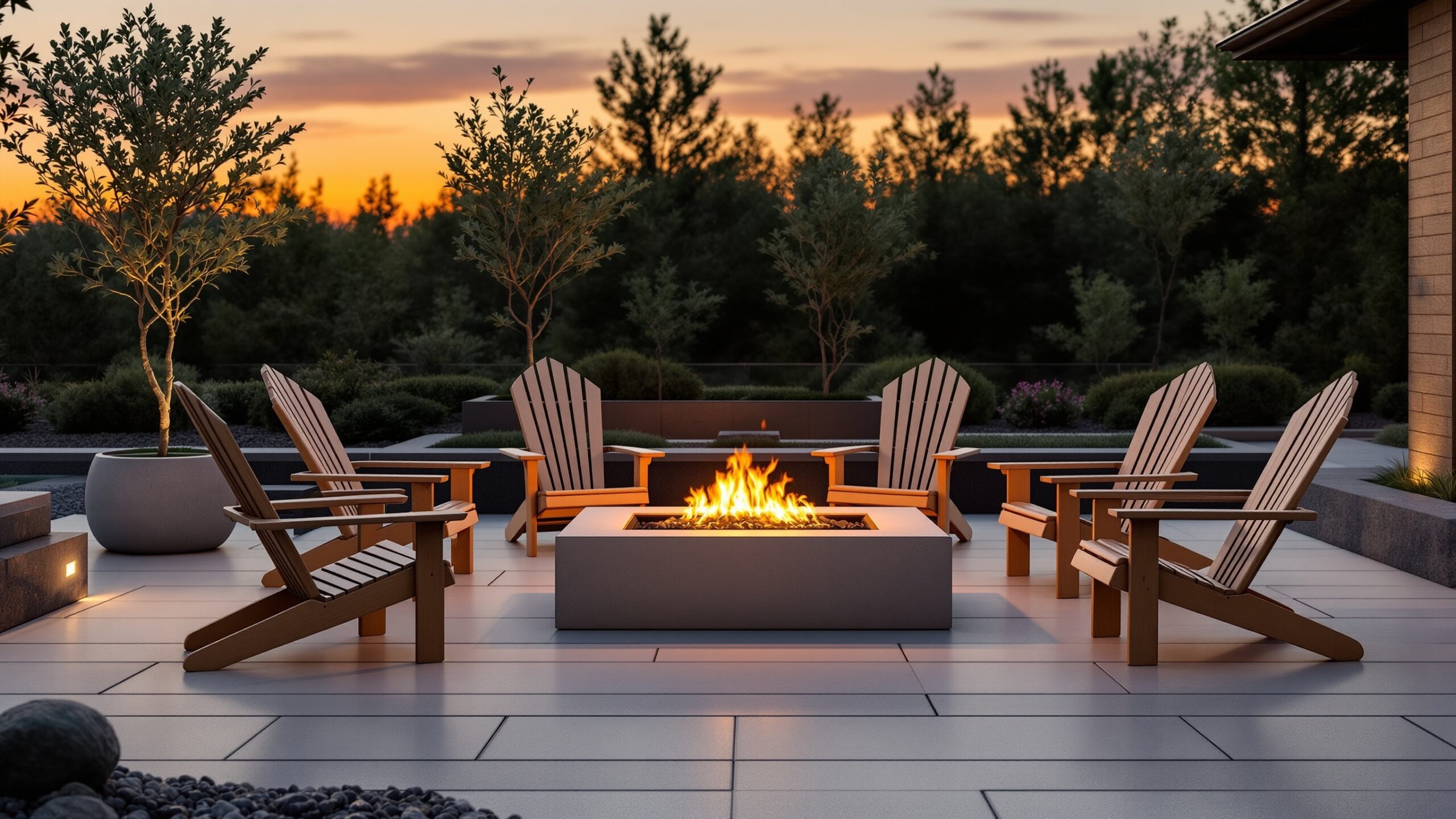
Positioning chairs at slight angles rather than in rigid rows encourages conversation while maintaining a natural, informal feel. A circular or semi-circular arrangement often works best, especially around focal points like fire pits or coffee tables. This arrangement allows everyone to engage without needing to lean forward or shift awkwardly.
Ground surface is another critical factor. Adirondack chairs perform best on stable, level surfaces such as stone pavers, composite decking, or smooth concrete. Uneven ground can disrupt the chair’s balance and reduce comfort, particularly when getting in and out of the low seat.
Adding cushions can enhance comfort further, especially for extended use. While traditional Adirondack chairs are designed to be used without padding, modern outdoor cushions can soften the seat and back while introducing color and texture to the space.
Choosing the Right Patio Layout
The layout of your patio determines how your Adirondack chairs function within the space. Different configurations support different lifestyles, and understanding these distinctions helps you create a setup that feels intuitive and inviting.
Conversation-Centered Layouts
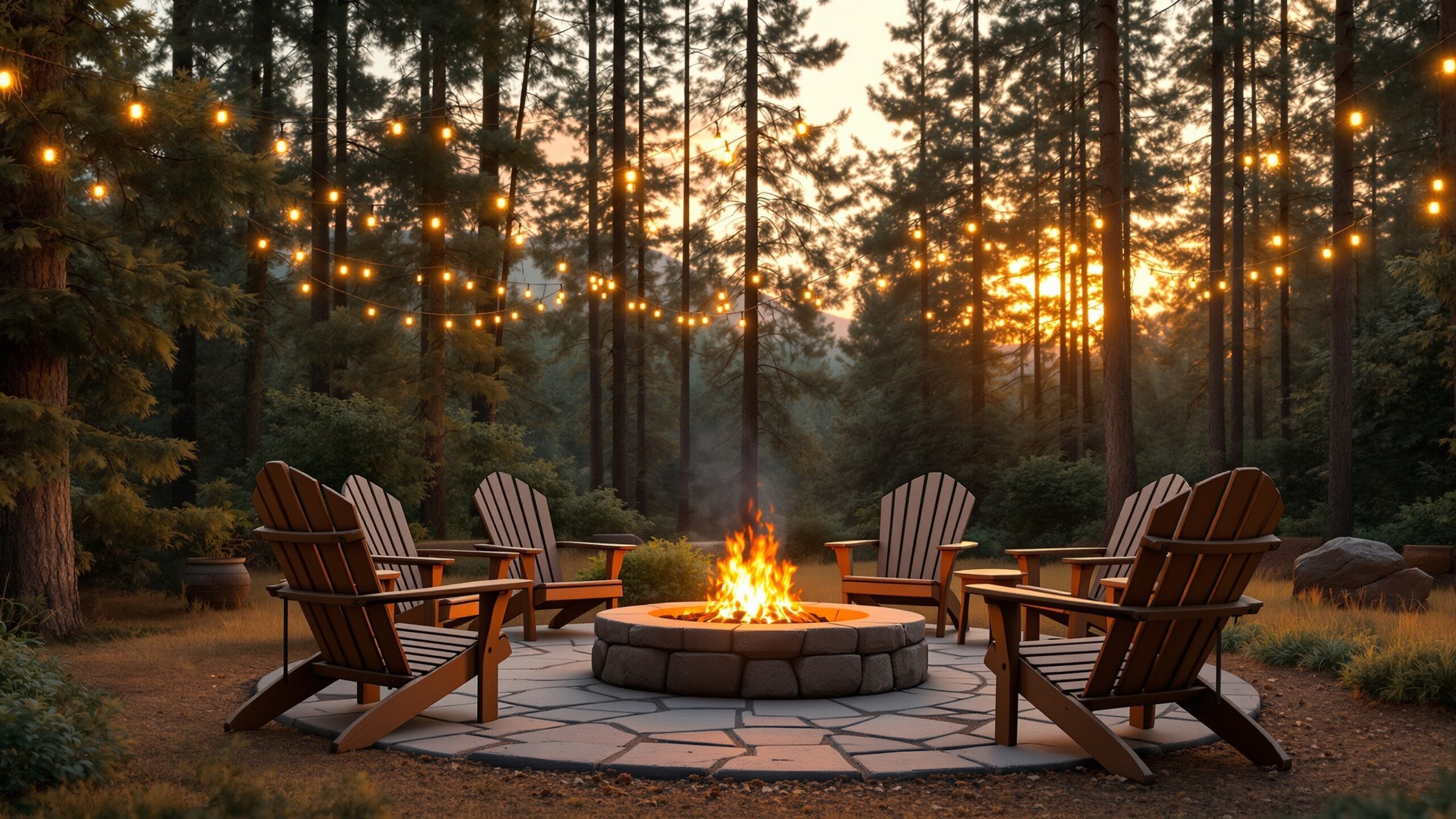
One of the most popular ways to use Adirondack chairs is in a conversation-focused arrangement. This typically involves grouping four to six chairs around a central element such as a fire pit or low table. The goal is to create a sense of intimacy while allowing enough space for easy movement.
This layout works particularly well for evening use, where the glow of a fire or soft lighting enhances the atmosphere. Chairs should be positioned close enough to feel connected, but not so close that personal space is compromised. A distance of about three to five feet between chairs often strikes the right balance.
Solo Retreat Corners
Not every patio needs to be designed for groups. A single Adirondack chair or a pair of chairs placed in a quiet corner can create a personal retreat within a larger outdoor space. These setups are ideal for reading, morning coffee, or simply enjoying a moment of solitude. Positioning these chairs to take advantage of views—whether it’s a garden, a water feature, or a sunset—adds an extra layer of enjoyment. Pairing the chair with a small side table ensures that essentials are always within reach.
Multi-Zone Patios
Larger patios benefit from being divided into distinct zones, each serving a different purpose. Adirondack chairs can anchor a relaxation zone, separate from dining or cooking areas. This approach prevents overcrowding and allows each part of the patio to function independently while still feeling cohesive. Transitions between zones can be defined using rugs, planters, or changes in elevation. Adirondack chairs placed slightly apart from high-traffic areas maintain their role as a place to unwind, rather than becoming part of a busy thoroughfare.
Materials and Finishes That Enhance Comfort
The material of your Adirondack chairs and surrounding patio elements plays a significant role in both comfort and longevity. Traditional wooden chairs offer a warm, natural feel that blends beautifully with outdoor environments. Cedar, teak, and acacia are popular choices due to their resistance to weather and decay.
Modern alternatives such as high-density polyethylene (HDPE) provide a low-maintenance option that resists fading, cracking, and moisture damage. These materials often mimic the look of wood while offering enhanced durability, making them ideal for climates with extreme temperature variations.
The finish of your patio surface should also be considered carefully. Smooth finishes are more comfortable underfoot and reduce the risk of tripping, while textured finishes can provide better traction in wet conditions. Combining aesthetics with practicality ensures that the space remains comfortable and safe year-round.
Creating a Cohesive Visual Atmosphere
Comfort isn’t purely physical—it’s also visual and emotional. A well-designed patio setup should feel cohesive, with Adirondack chairs integrated seamlessly into the overall aesthetic.
Color plays a powerful role in this process. Neutral tones such as white, gray, and natural wood create a calm, timeless look, while bold colors like navy, forest green, or deep red can add personality and contrast. Coordinating cushions, rugs, and accessories with the chair color helps unify the space.
Textures add depth and interest. Pairing smooth chair surfaces with woven textiles, natural stone, or soft greenery creates a layered environment that feels rich and inviting. The goal is to create a space that feels intentional without being overly styled.
The Role of Fire Features
Fire features are one of the most effective ways to enhance the comfort of Adirondack chair setups. A fire pit or outdoor fireplace naturally draws people in, creating a focal point that encourages gathering and relaxation. The low seating position of Adirondack chairs pairs perfectly with fire features, allowing for an unobstructed view of the flames while maintaining a safe and comfortable distance. The warmth extends the usability of the patio into cooler months, making it a year-round destination. Gas fire pits offer convenience and clean operation, while wood-burning options provide a more traditional, sensory-rich experience. Whichever you choose, ensuring proper spacing and ventilation is essential for safety and comfort.
Lighting That Extends the Experience
Lighting transforms a patio from a daytime space into an evening retreat. The right lighting setup enhances both functionality and ambiance, allowing Adirondack chairs to remain a central feature long after the sun sets.
Soft, layered lighting works best. String lights draped overhead create a warm, inviting glow, while pathway lights improve safety and navigation. Accent lighting can highlight architectural features, plants, or the chairs themselves, adding depth to the scene.
Avoid overly bright or harsh lighting, which can disrupt the relaxed atmosphere. Instead, aim for a balance that provides visibility without overpowering the natural beauty of the space.
Incorporating Nature for Added Comfort
Adirondack chairs are inherently connected to nature, and incorporating natural elements into your patio design enhances this connection. Surrounding the seating area with plants, trees, or water features creates a sense of enclosure and tranquility. Plants can serve both aesthetic and functional purposes. Tall greenery provides privacy, while low plantings soften hard edges and add color. Choosing native or climate-appropriate plants ensures that the space remains vibrant with minimal maintenance. Water features such as fountains or small ponds introduce soothing sounds that enhance relaxation. The gentle movement of water complements the stillness of the chairs, creating a balanced sensory experience.
Weather Considerations and Seasonal Comfort
A truly comfortable patio setup accounts for changing weather conditions. Adirondack chairs are often used in a variety of climates, and adapting the space to suit different seasons ensures consistent usability.
In sunny environments, shade is essential. Pergolas, umbrellas, or shade sails can protect users from direct sunlight while adding architectural interest. In cooler climates, outdoor heaters or fire features extend the patio’s functionality into colder months.
Wind protection is another important consideration. Strategic placement of screens, fences, or plantings can reduce wind exposure, making the space more comfortable and inviting.
Accessories That Elevate the Experience
Small details can have a big impact on comfort. Accessories such as side tables, outdoor rugs, and throw blankets enhance both functionality and aesthetics. Side tables provide convenient surfaces for drinks, books, or snacks, reducing the need to get up frequently. Outdoor rugs define the seating area and add a layer of softness underfoot, while also tying together different elements of the design. Throw blankets introduce warmth and texture, making the chairs more inviting during cooler evenings. Choosing weather-resistant materials ensures that these accessories remain durable and easy to maintain.
Designing for Social and Personal Use
A well-designed patio balances social interaction with personal comfort. Adirondack chairs naturally encourage relaxation, but the setup should accommodate both group gatherings and individual use.
Creating flexible arrangements allows the space to adapt to different scenarios. Chairs that can be easily moved or reconfigured provide versatility, enabling you to shift from a social setting to a more निजी, quiet environment as needed.
Understanding how you intend to use the space is key. Whether it’s hosting friends, spending time with family, or enjoying solitary moments, the design should support these activities seamlessly.
Maintenance and Longevity
Maintaining your patio setup ensures that it remains comfortable and visually appealing over time. Regular cleaning, protective finishes, and proper storage all contribute to the longevity of Adirondack chairs and surrounding elements. Wooden chairs may require periodic sealing or staining to protect against moisture and UV damage, while synthetic materials typically need only occasional cleaning. Cushions and textiles should be stored or covered during harsh weather to prevent wear and fading. Investing in quality materials and taking a proactive approach to maintenance ensures that your patio continues to provide comfort and enjoyment for years to come.
Bringing It All Together
Creating a patio setup that maximizes Adirondack chair comfort is an exercise in thoughtful design. It requires balancing form and function, aesthetics and practicality, and social interaction with personal relaxation.
At its best, such a space becomes more than just an outdoor seating area—it becomes a destination. A place where mornings begin slowly, afternoons drift by effortlessly, and evenings linger long after the sun has set.
By considering layout, materials, lighting, and atmosphere, you can transform a simple collection of chairs into a cohesive, inviting environment that celebrates comfort in its purest form. Adirondack chairs are not just furniture; they are an invitation to pause, unwind, and fully enjoy the outdoors.