
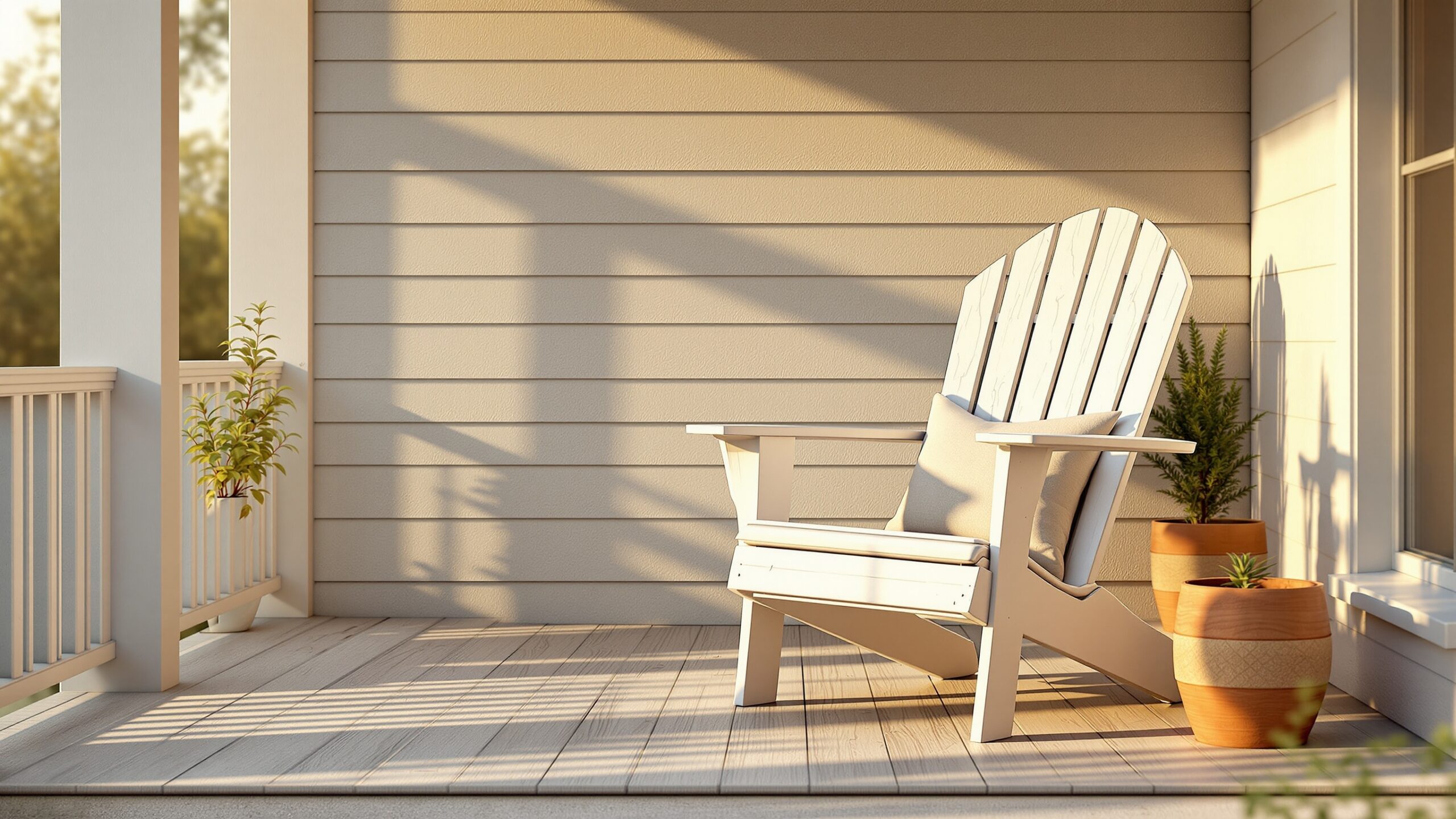
There is something quietly magnetic about a whitewashed Adirondack chair resting on a weathered porch, framed by soft sunlight and the gentle rhythm of outdoor living. It feels both nostalgic and fresh, rooted in rustic tradition yet perfectly at home in contemporary farmhouse design. The farmhouse whitewashed finish has become a defining aesthetic for outdoor furniture, especially Adirondack chairs, because it captures the beauty of imperfection, the softness of aged wood, and the calming simplicity that so many homeowners crave. This guide explores farmhouse whitewashed Adirondack chair finishes in depth—what they are, how they’re created, why they matter, and how to choose the right one for your space. Whether you’re designing a lakeside retreat, a backyard sanctuary, or a modern farmhouse patio, understanding this finish will help you make a more informed and inspired decision.
A: Whitewashing lets some of the wood grain and warmth show through instead of covering everything with a solid coat.
A: Yes, if it uses exterior-grade materials and a protective topcoat designed for sun, moisture, and temperature changes.
A: Usually no. Farmhouse whitewash tends to be soft, muted, and slightly weathered rather than crisp and clinical.
A: Cedar, pine, eucalyptus, cypress, and acacia often produce beautiful grain visibility beneath a washed finish.
A: Yes. Many people brush on diluted exterior paint or stain, wipe it back, then seal it for outdoor protection.
A: Not at all. A clean whitewashed finish can still feel farmhouse-inspired without heavy sanding or faux aging.
A: Linen, taupe, faded blue, sage, muted stripe, and soft charcoal all pair beautifully with whitewashed wood.
A: Use mild soap, water, and a soft cloth or brush, avoiding harsh chemicals that can strip the protective layer.
A: Probably, especially on arms and edges, but light touch-ups often enhance the natural lived-in farmhouse character.
A: No. It also fits cottage, coastal, rustic, garden, and modern country spaces with ease.
What Is a Farmhouse Whitewashed Finish?
At its core, a whitewashed finish is a semi-transparent coating that allows the natural grain of the wood to remain visible while softening its tone with a light, chalky white overlay. Unlike solid paint, which fully covers the surface, whitewashing enhances rather than hides the organic character of the wood beneath.
In farmhouse design, this finish leans into a lived-in, gently weathered look. It evokes the feeling of sun-bleached barn wood, coastal driftwood, or heirloom furniture that has aged gracefully over time. When applied to an Adirondack chair—already iconic for its laid-back comfort and wide, welcoming silhouette—the whitewashed finish transforms it into a design statement that feels both relaxed and refined.
The appeal lies in its balance. It is neither too polished nor too raw. It sits comfortably between rustic and elegant, making it one of the most versatile finishes for outdoor seating.
The Origins of Whitewashing in Farmhouse Style
Whitewashing has deep historical roots that stretch back centuries. Traditionally, it was used as a protective and sanitary coating made from lime, water, and natural additives. Farmers applied it to barns, fences, and interiors not just for aesthetics, but for its ability to reflect light and resist mold and pests.
Over time, the technique evolved from a practical solution into a stylistic choice. In farmhouse interiors and exteriors, whitewashing became synonymous with simplicity, cleanliness, and understated beauty. It symbolized a connection to nature while softening the ruggedness of raw wood.
When paired with Adirondack chairs—originally designed in the early 1900s for outdoor relaxation in the Adirondack Mountains—the finish creates a compelling blend of American heritage and modern design sensibility. It bridges past and present, making it especially appealing for homeowners who want authenticity without sacrificing style.
Why Whitewashed Adirondack Chairs Are So Popular
The surge in popularity of farmhouse whitewashed Adirondack chairs is not accidental. It reflects broader shifts in how people design and use their outdoor spaces. Today’s outdoor areas are no longer just functional; they are extensions of the home, carefully curated for comfort, aesthetics, and emotional connection.
One of the primary reasons for their popularity is visual softness. A whitewashed finish diffuses harsh contrasts and brightens darker woods, making outdoor spaces feel more open and inviting. It pairs effortlessly with greenery, stone, and neutral textiles, creating a cohesive and calming environment.
Another key factor is versatility. These chairs work equally well on a rustic cabin porch, a coastal deck, or a suburban patio. They complement a wide range of materials, from galvanized metal planters to linen cushions and reclaimed wood tables.
There is also an emotional component. The finish carries a sense of nostalgia and authenticity that resonates with people seeking a slower, more grounded lifestyle. It suggests warmth, simplicity, and a connection to nature—qualities that are increasingly valued in modern design.
Materials That Work Best for Whitewashed Finishes
Not all Adirondack chairs are created equal, and the material plays a significant role in how a whitewashed finish looks and performs. The most common materials include natural wood, engineered wood, and high-quality poly lumber, each offering a distinct interpretation of the farmhouse aesthetic.
Solid woods such as cedar, pine, and teak are the most traditional choices. Cedar and pine are especially popular because their grain patterns absorb whitewash beautifully, creating a soft, textured appearance. Teak, while more expensive, offers exceptional durability and a refined grain that results in a more subtle and elegant finish.
Engineered woods can also be used, often providing a more uniform surface. While they may lack the deep character of natural wood, they can still achieve a convincing whitewashed look when properly treated.
Poly lumber, made from recycled plastics, has become increasingly popular for its durability and low maintenance. While it does not absorb whitewash in the same way as wood, manufacturers often create molded or textured surfaces that mimic the appearance of whitewashed wood. This option is ideal for those who want the look without the upkeep.
The Craftsmanship Behind the Finish
Achieving a high-quality whitewashed finish is both an art and a science. The process typically begins with careful surface preparation, including sanding to create a smooth yet receptive base. This step is crucial, as it determines how evenly the finish will be absorbed.
The whitewash itself is usually a diluted paint or stain, applied in thin layers. The goal is not to cover the wood completely, but to allow the grain to show through. Skilled craftsmen often use techniques such as brushing, wiping, and layering to create depth and variation.
In some cases, distressing techniques are added to enhance the farmhouse aesthetic. This might include light sanding after the finish is applied, or selectively removing areas of the coating to reveal more of the natural wood beneath. The result is a chair that looks gently aged rather than artificially distressed.
Protective topcoats are often applied to seal the finish and improve durability, especially for outdoor use. These coatings can be matte or satin, depending on the desired level of sheen.
Shades and Variations of Whitewashing
Not all whitewashed finishes are the same. Subtle variations in tone and technique can dramatically affect the final look of an Adirondack chair.
Some finishes lean toward a bright, clean white, offering a crisp and contemporary feel. Others incorporate warmer undertones, such as ivory or cream, which enhance the rustic farmhouse vibe. There are also gray-washed variations that blend whitewashing with weathered driftwood tones, creating a more coastal or industrial aesthetic.
The level of opacity is another important factor. A heavily applied whitewash will appear more solid and uniform, while a lighter application will highlight the natural grain and color variations of the wood. Choosing the right balance depends on your overall design vision and how much texture you want to showcase.
Durability and Weather Resistance
Outdoor furniture must withstand a wide range of environmental conditions, and whitewashed Adirondack chairs are no exception. The durability of the finish depends largely on the materials used and the quality of the protective coatings.
High-quality whitewashed finishes are designed to resist fading, moisture, and UV damage. When properly sealed, they can maintain their appearance for years with minimal maintenance. However, natural wood will always require some level of care, especially in harsher climates.
Poly lumber options offer superior resistance to weathering, making them an excellent choice for coastal or high-humidity environments. They do not crack, warp, or rot, and their color is often infused throughout the material, reducing the risk of visible wear.
For wood chairs, periodic reapplication of sealant or protective coatings can help extend the life of the finish. Regular cleaning and proper storage during extreme weather conditions also play a significant role in maintaining durability.
Styling Whitewashed Adirondack Chairs in Outdoor Spaces
The true beauty of farmhouse whitewashed Adirondack chairs emerges when they are thoughtfully integrated into an outdoor setting. Their neutral tone makes them incredibly adaptable, allowing them to serve as both a focal point and a complementary element.
On a front porch, they can be paired with soft cushions in muted tones, woven throws, and potted plants to create a welcoming, lived-in feel. In a backyard setting, they work beautifully around a fire pit, where their light finish contrasts with darker stone or metal elements.
For a coastal-inspired look, combine them with navy or seafoam accents, natural fiber rugs, and driftwood decor. In a more modern farmhouse setting, pair them with black metal fixtures, clean lines, and minimalist landscaping.
Lighting also plays a crucial role. Soft, warm lighting enhances the texture of the whitewashed finish, highlighting its subtle variations and creating an inviting ambiance during the evening hours.
Maintenance and Care Tips
Maintaining the beauty of a whitewashed Adirondack chair does not have to be complicated, but it does require some attention. Regular cleaning with mild soap and water helps remove dirt and prevent buildup that can dull the finish.
For wood chairs, it is important to monitor for signs of wear, such as fading or peeling. Addressing these issues early can prevent more extensive damage. Reapplying a protective sealant every few years can help preserve both the color and the structural integrity of the chair.
Avoid using harsh chemicals or abrasive tools, as these can strip the finish and damage the underlying material. Instead, opt for gentle cleaning methods that respect the delicate balance of the whitewashed look. If possible, store the chairs in a covered area during extreme weather conditions, or use protective covers to shield them from prolonged exposure to rain, snow, and intense sunlight.
Choosing the Right Whitewashed Adirondack Chair
Selecting the perfect farmhouse whitewashed Adirondack chair involves more than just aesthetics. It requires a thoughtful consideration of materials, craftsmanship, comfort, and how the chair will be used.
Start by evaluating the quality of the finish. Look for even application, visible grain, and a natural, non-uniform appearance. Avoid finishes that look overly flat or artificial, as these can detract from the farmhouse aesthetic.
Consider the construction of the chair, including the thickness of the materials, the stability of the joints, and the overall design. Comfort is also essential, so pay attention to seat depth, back angle, and armrest width.
Finally, think about how the chair fits into your overall space. The right choice should feel cohesive with your existing decor while adding a touch of character and warmth.
Sustainability and Eco-Friendly Options
As sustainability becomes an increasingly important consideration in home design, many manufacturers are offering eco-friendly options for whitewashed Adirondack chairs. Responsibly sourced wood, low-VOC finishes, and recycled materials are all factors to consider.
Poly lumber chairs made from recycled plastics are particularly appealing for their environmental benefits and long lifespan. They reduce waste while providing a durable and low-maintenance alternative to traditional wood. Choosing sustainable options not only supports environmentally responsible practices but also aligns with the farmhouse ethos of simplicity, resourcefulness, and respect for natural materials.
The Lasting Appeal of Farmhouse Whitewashed Finishes
Farmhouse whitewashed Adirondack chair finishes are more than just a trend; they represent a timeless approach to design that values authenticity, comfort, and understated beauty. Their ability to adapt to different styles and environments ensures that they remain relevant year after year.
In a world that often feels fast-paced and overly polished, these chairs offer a refreshing contrast. They invite you to slow down, to appreciate the texture of natural materials, and to create spaces that feel genuinely lived in and loved.
Whether you are furnishing a quiet corner of your porch or designing an entire outdoor retreat, a whitewashed Adirondack chair brings a sense of calm, character, and enduring style. It is a small detail that can make a meaningful difference, transforming everyday moments into something a little more special.
Bringing It All Together
The farmhouse whitewashed Adirondack chair is a perfect example of how thoughtful design can elevate even the simplest elements of outdoor living. By combining the iconic comfort of the Adirondack silhouette with the soft, textured beauty of a whitewashed finish, it creates a piece that is both functional and deeply expressive.
Understanding the nuances of this finish—from materials and craftsmanship to styling and maintenance—empowers you to make choices that align with your vision and lifestyle. It allows you to move beyond surface-level trends and create spaces that feel intentional, cohesive, and uniquely yours.
As outdoor living continues to evolve, the enduring charm of whitewashed finishes ensures that they will remain a cornerstone of farmhouse design. They remind us that beauty often lies in subtlety, and that the most inviting spaces are those that feel authentic, comfortable, and connected to the world around us.


