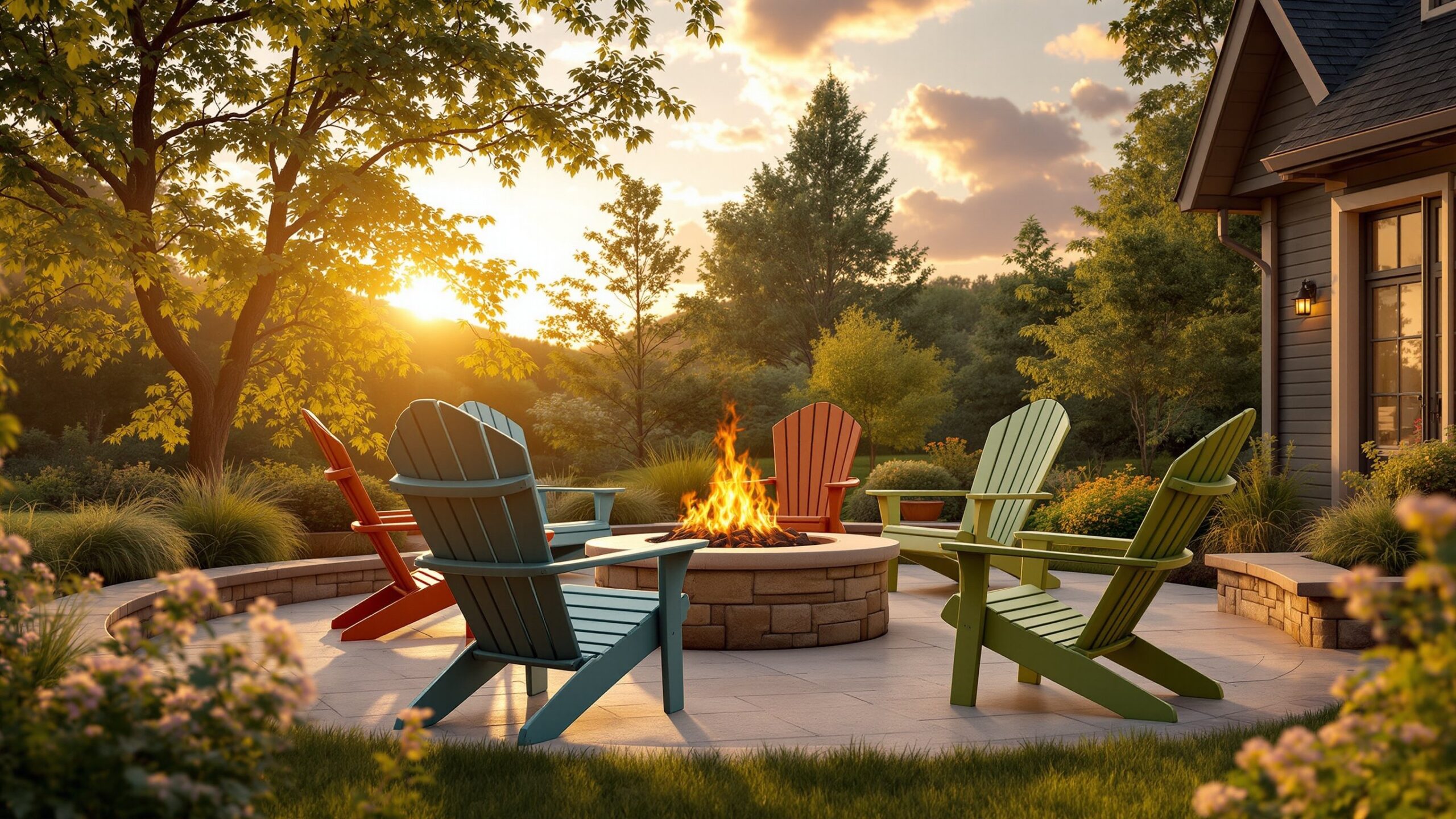
Adirondack chairs are icons of relaxed outdoor living. Their wide arms, low slung seats, and laid-back angles invite long conversations, quiet mornings, and sunset lounging. But while these chairs are designed for comfort, they are constantly exposed to the elements. Sun, rain, snow, humidity, salt air, and temperature swings can slowly break down even the most durable Adirondack chair if it is not properly protected. Weather damage doesn’t usually happen all at once. It shows up gradually as faded color, cracking wood, rusted hardware, warped seats, or weakened joints. The good news is that with the right care, protective strategies, and seasonal habits, Adirondack chairs can last decades outdoors. Whether your chairs are made of wood, plastic, resin, or recycled materials, understanding how weather affects them is the key to preserving both their beauty and structural integrity. This guide explains exactly how weather damages Adirondack chairs and, more importantly, how to protect them year-round. From choosing the right finishes to smart placement, seasonal routines, and long-term maintenance strategies, you’ll learn how to keep your chairs looking great and feeling solid through every season.
A: Keep them clean, keep them drying fast (airflow), and refresh protection before finishes fail.
A: Yes—choose a breathable outdoor cover with vents; avoid airtight tarps that trap moisture and cause mildew.
A: Varnish shields well but needs upkeep; paint is durable with proper prep; oils are easy to refresh and great for natural looks.
A: When water stops beading or the surface looks dry/patchy—often once per season for oils, and periodically for paint/varnish depending on exposure.
A: You can, but it’s tougher on them—best is stored dry; if left out, keep them off the ground and covered with airflow.
A: Mild soap + soft brush + rinse; skip harsh pressure washing unless you’re prepared to refinish afterward.
A: Usually mildew/algae feeding on grime—clean thoroughly, improve airflow/sun exposure, and avoid trapping moisture under covers.
A: Small chips can be touched up, but peeling usually means moisture got underneath; scrape/sand to sound paint, prime, then repaint.
A: Add glides and seal end grain; those areas soak water first and rot fastest if unprotected.
A: Not from rot, but they benefit from routine cleaning and occasional brightening to prevent dullness and buildup.
Why Weather Is the Biggest Threat to Adirondack Chairs
Outdoor furniture lives in a harsh environment. Unlike indoor furniture, Adirondack chairs are exposed to ultraviolet radiation, moisture, freezing temperatures, heat expansion, wind, and airborne debris. Each of these factors affects materials differently, but all of them contribute to wear over time.
Sun exposure is one of the most underestimated threats. Ultraviolet rays break down surface finishes and fibers, causing fading, chalking, and brittleness. Over time, sun damage can weaken materials to the point where they crack or splinter. Moisture is another major culprit. Rain, dew, and humidity penetrate surfaces, especially untreated wood, leading to swelling, rot, mold, and mildew.
Cold weather introduces freeze-thaw cycles. When moisture enters cracks or joints and freezes, it expands, forcing materials apart. Heat, on the other hand, causes expansion and contraction that loosens fasteners and stresses joints. In coastal areas, salt air accelerates corrosion and degrades finishes even faster.
Understanding these forces allows you to protect Adirondack chairs proactively instead of reacting to damage after it occurs.
How Different Adirondack Chair Materials React to Weather
Not all Adirondack chairs age the same way outdoors. The type of material determines how vulnerable the chair is to weather damage and what kind of protection it needs.
Wooden Adirondack chairs are classic and beautiful, but they are also the most weather-sensitive. Softwoods like pine and cedar resist insects but still absorb moisture and fade in the sun. Hardwoods like teak and eucalyptus are more durable, yet they still require regular care to prevent cracking and surface degradation. Without protection, wood dries out, becomes brittle, and eventually loses strength.
Plastic Adirondack chairs are resistant to moisture and rot, but they are vulnerable to UV damage. Prolonged sun exposure causes plastic to fade, weaken, and sometimes become chalky or brittle. Cheaper plastics are especially prone to cracking under temperature changes.
Recycled poly and resin Adirondack chairs are designed for outdoor durability and generally perform better than standard plastic. They resist moisture, insects, and rot, but even these materials can fade slightly over time and benefit from proper placement and cleaning.
Metal components, including screws, bolts, and brackets, are often overlooked. Even weather-resistant frames can fail if hardware corrodes. Rust weakens joints and can stain surrounding materials.
Protecting Adirondack chairs means addressing all of these vulnerabilities together, not just focusing on one visible issue.
Choosing the Right Location to Reduce Weather Exposure
Where you place Adirondack chairs has a significant impact on how quickly they weather. Strategic placement can dramatically extend their lifespan with very little effort.
Partial shade is ideal. Placing chairs under trees, pergolas, umbrellas, or roof overhangs reduces UV exposure and keeps surfaces cooler. While shade doesn’t eliminate weather damage entirely, it slows fading and material breakdown considerably.
Good drainage is equally important. Chairs placed directly on grass, soil, or gravel are exposed to constant ground moisture. This is especially harmful for wooden legs, which can absorb water from below even on dry days. Using stone patios, decks, or outdoor rugs with airflow underneath helps prevent moisture accumulation.
Wind exposure should also be considered. Strong winds carry debris that can scratch surfaces and loosen joints over time. Sheltered areas reduce physical stress on the chair and minimize airborne dirt buildup.
Small placement adjustments often make a big difference in how well Adirondack chairs age outdoors.
The Importance of Protective Finishes for Wooden Adirondack Chairs
Protective finishes are the primary defense against weather damage for wooden Adirondack chairs. Without a barrier, wood absorbs moisture and loses natural oils, leading to cracks, warping, and decay.
Paint provides the strongest surface protection. A high-quality exterior paint creates a sealed barrier that blocks moisture and UV rays. Painted Adirondack chairs tend to last longer outdoors than stained or unfinished ones, provided the paint is maintained and touched up as needed.
Stains and sealers offer a more natural look while still protecting the wood. Transparent and semi-transparent stains penetrate the wood and protect against UV damage while allowing the grain to show. However, they require more frequent reapplication than paint.
Oil finishes, such as teak oil, nourish the wood and slow moisture absorption, but they provide minimal UV protection. Oiled chairs need regular maintenance and are best suited for covered or partially shaded locations.
Regardless of finish type, preparation is critical. Clean, dry wood allows finishes to adhere properly and perform as intended. Skipping preparation often leads to peeling, flaking, or uneven protection.
Protecting Plastic and Resin Adirondack Chairs From Sun Damage
Plastic and resin Adirondack chairs may seem maintenance-free, but they still benefit from protective strategies. UV exposure is the primary enemy of synthetic materials.
Placing chairs in shaded areas is the most effective way to slow fading and brittleness. Even UV-stabilized plastics degrade over time in full sun. Using outdoor furniture covers when chairs are not in use adds another layer of protection without much effort.
Regular cleaning also matters. Dirt and residue can accelerate UV breakdown by trapping heat on the surface. Gentle washing with mild soap keeps materials cooler and prevents surface deterioration.
Avoid harsh chemicals or abrasive cleaners, which can strip protective coatings and leave plastics more vulnerable to sunlight and cracking.
Why Furniture Covers Are One of the Best Investments You Can Make
Furniture covers are often overlooked, yet they are one of the simplest and most effective ways to protect Adirondack chairs from weather damage. A good cover shields chairs from sun, rain, snow, pollen, bird droppings, and debris.
Breathable covers are essential. Non-breathable materials trap moisture underneath, creating the perfect environment for mold and mildew. High-quality outdoor covers allow airflow while keeping water out.
Covers should fit properly without dragging on the ground. Excess fabric can collect water and dirt, while overly tight covers can stress chair components during wind gusts. Using covers consistently, especially during extended periods of non-use, can double or even triple the lifespan of Adirondack chairs.
Seasonal Care: How Weather Changes What Your Chairs Need
Different seasons place different stresses on outdoor furniture. Adjusting care routines throughout the year is one of the smartest ways to prevent long-term damage.
In spring, chairs should be cleaned thoroughly to remove winter grime, pollen, and mildew. This is an ideal time to inspect joints, tighten hardware, and address any early signs of damage.
Summer is all about sun protection. Shade, covers, and occasional rinsing help prevent overheating and UV degradation. Avoid leaving cushions on chairs during rainstorms, as trapped moisture can damage both fabric and chair surfaces.
Fall is preparation season. Leaves, moisture, and cooler temperatures signal the need for deep cleaning and protective treatments. Applying fresh sealant or paint before winter creates a strong barrier against moisture.
Winter poses the greatest risk. Snow, ice, and freeze-thaw cycles can cause significant damage if chairs are left exposed. Whenever possible, storing Adirondack chairs indoors or in a sheltered space during winter dramatically reduces wear.
Winter Storage: The Ultimate Protection Against Weather Damage
Storing Adirondack chairs during winter is the most effective way to prevent weather damage. Even chairs labeled “all-weather” benefit from being protected during the harshest months. Indoor storage in a garage, shed, or basement keeps chairs completely safe from moisture and temperature extremes. Chairs should be clean and fully dry before storage to prevent mold growth.
If indoor storage isn’t possible, covered outdoor storage is the next best option. Stackable Adirondack chairs can be neatly stored under a roofed structure, while non-stackable chairs should be covered individually. Avoid wrapping chairs in plastic tarps without ventilation. Trapped moisture can cause more damage than exposure itself.
How Moisture Leads to Mold, Mildew, and Rot
Moisture is one of the most destructive forces affecting Adirondack chairs, especially wooden ones. Persistent dampness creates ideal conditions for mold, mildew, and fungal decay.
Mold and mildew are not just cosmetic issues. They indicate prolonged moisture exposure and can weaken wood fibers over time. Rot occurs when fungi break down the structural components of wood, leading to soft spots and eventual failure.
Proper airflow is essential for preventing moisture damage. Chairs should never be left wet for extended periods. After rain, allow them to dry completely before covering.
Regular cleaning removes organic material that feeds mold growth. Addressing moisture issues early prevents irreversible damage later.
Hardware Protection: Small Parts, Big Impact
Screws, bolts, and brackets are critical to Adirondack chair stability, yet they are often ignored. Weather exposure causes metal hardware to corrode, loosen, and fail. Using stainless steel or galvanized hardware significantly reduces rust. Periodically tightening screws prevents movement that can enlarge holes and weaken joints.
Applying a light protective coating to exposed hardware can slow corrosion, especially in humid or coastal environments. Replacing rusted hardware promptly prevents damage from spreading to surrounding materials.
Strong joints are just as important as strong materials when it comes to long-term durability.
Cleaning Practices That Prevent Long-Term Damage
Regular cleaning is more than cosmetic. Dirt, pollen, bird droppings, and tree sap all contribute to surface breakdown and moisture retention.
Gentle cleaning with mild soap and water removes contaminants without stripping protective finishes. Pressure washers should be used cautiously, as high pressure can damage wood fibers and force water into joints.
Cleaning schedules don’t need to be aggressive. A light wash every few weeks during heavy use seasons is usually sufficient to keep Adirondack chairs in good condition.
Recognizing Early Warning Signs of Weather Damage
Catching problems early makes repairs easier and prevents expensive replacements. Fading color, rough surfaces, hairline cracks, and slight wobbling are all signs that weather is taking a toll.
Addressing these issues promptly, through refinishing, tightening, or repositioning chairs, prevents further deterioration. Waiting too long allows small problems to become structural failures.
Routine inspections, especially at seasonal transitions, are one of the most effective preventive habits.
Long-Term Strategies for Maximizing Adirondack Chair Lifespan
Protecting Adirondack chairs from weather damage is not about one-time fixes. It’s about developing simple habits that add up over time.
Choosing durable materials, applying protective finishes, using covers, adjusting placement, and practicing seasonal care all work together. No single strategy is enough on its own, but combined, they create a comprehensive defense against the elements.
Well-maintained Adirondack chairs often last decades, developing character without losing strength or comfort. Weather exposure is inevitable, but damage is not.
Weather Protection Is an Investment in Comfort
Adirondack chairs are meant to be enjoyed, not constantly worried over. Protecting them from weather damage doesn’t require complicated routines or expensive products. It requires understanding how weather affects materials and taking consistent, thoughtful steps to minimize its impact. With proper care, your Adirondack chairs will remain comfortable, attractive, and reliable through countless seasons of outdoor living. A little protection today ensures many years of relaxed afternoons, quiet mornings, and shared moments tomorrow.