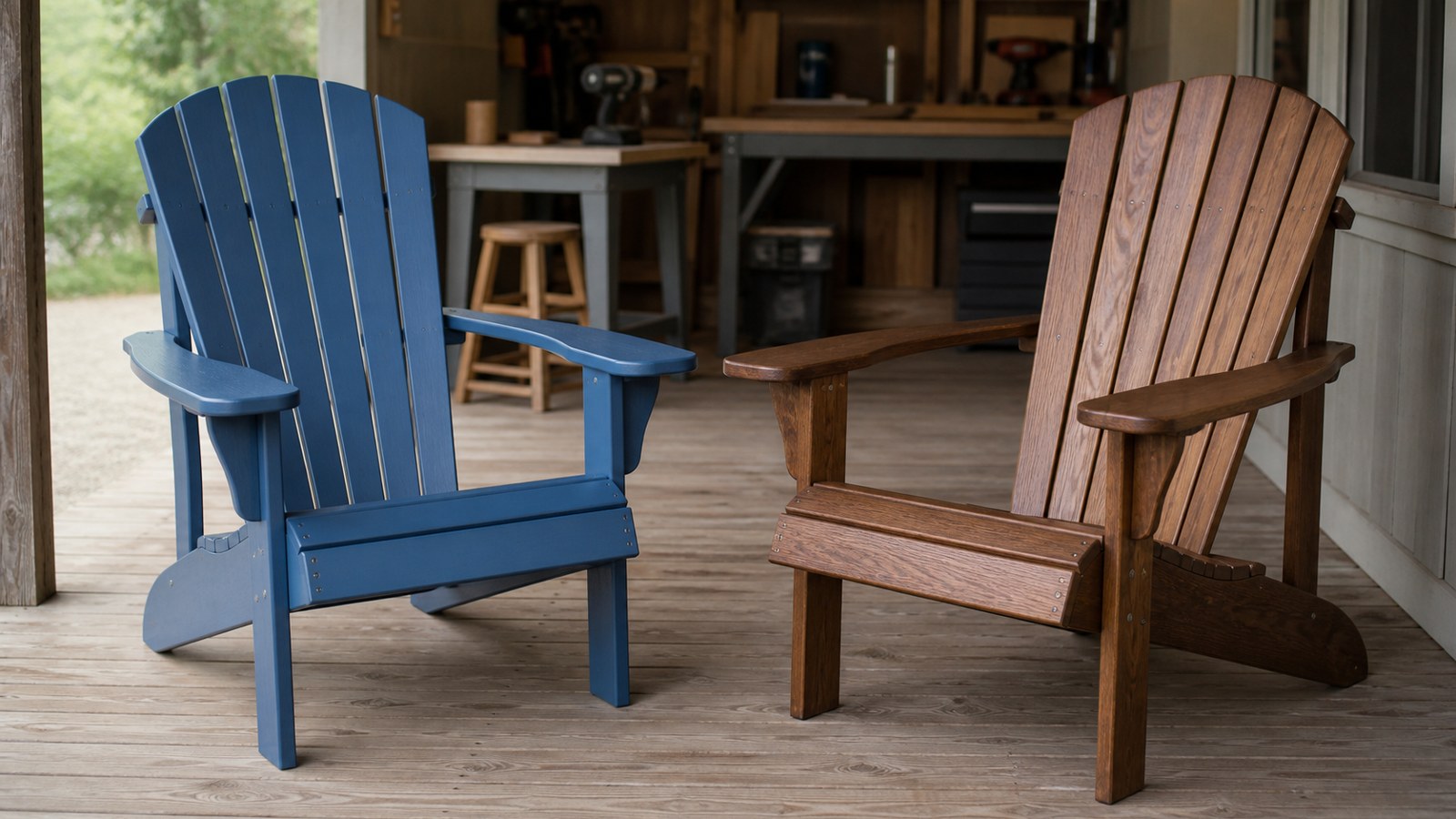
When it comes to outdoor wood projects—whether that’s your Adirondack chair, deck, garden fence, or front porch swing—the elements are relentless. Rain, sun, humidity, snow, and fluctuating temperatures can all conspire to weather, warp, and wear down your wood. The question many homeowners and DIYers face is: which finish truly protects best against weather—paint or stain? Both have strong cases, but they protect wood in different ways. Understanding their differences, strengths, and long-term behaviors will help you make the best choice for your climate, wood type, and maintenance goals.
A: High-quality exterior acrylic paint generally offers the longest UV and moisture defense on vertical furniture.
A: When you want visible grain, easier spot repairs, or you’re finishing oily woods where films struggle.
A: Solid hides grain and protects like a thin paint; semi-transparent shows grain but needs more frequent refresh.
A: Yes for paint and often for solid stain—especially on cedar/redwood to block tannins and improve adhesion.
A: Not directly. Strip/prime or stick with repainting; penetrating stains need bare or sound, porous surfaces.
A: Penetrating oils or specialized hardwood stains; film-forming paints often fail early on oily exotics.
A: Remove loose film, sand to sound edges, prime bare wood, and recoat—don’t trap moisture under patches.
A: Wash with a cleaner labeled for mildew, improve airflow, choose finishes with mildewcides and lighter colors.
A: Use low-temp formulas and mind dew point; extend dry times before stacking cushions or moving chairs.
A: Seal end grain and hardware penetrations, and keep feet off standing water with glides or pavers.
Paint vs. Stain
At their core, paint and stain serve the same purpose: to protect wood from moisture and UV damage. However, they achieve that protection in different ways.
Paint creates a solid, opaque barrier on the surface of the wood. It seals out water, covers imperfections, and adds vibrant color options. When applied correctly, it forms a durable outer shell that can last for years—if properly maintained.
Stain, on the other hand, soaks into the wood fibers. Instead of sitting on top, it penetrates below the surface, enhancing the natural texture and grain. Stains may be transparent, semi-transparent, or solid, but even the most opaque versions tend to showcase more of the wood’s natural character than paint does.
The real question isn’t which one looks better—it’s which one will stand up best to your environment.
How Paint Protects Against Weather
Paint is, in many ways, the more aggressive protector. By forming a solid film on the wood’s surface, it creates a shield that resists UV rays and repels moisture. High-quality exterior paints often include mildewcides and UV inhibitors designed to handle constant exposure to sun and rain. When applied properly, paint offers superior protection from moisture because it physically blocks water from entering the wood fibers. This makes it particularly effective in regions with heavy rainfall or humid climates. Paint also prevents sun exposure from drying out the wood beneath, reducing cracking and warping. However, paint isn’t without its weaknesses. Over time, as the wood naturally expands and contracts with temperature and humidity changes, that rigid paint layer can begin to crack or peel. Once that happens, moisture can get trapped underneath, accelerating rot and decay. Regular maintenance, including touch-ups and periodic repainting, becomes essential for long-term protection.
How Stain Protects Against Weather
Where paint creates a barrier, stain creates a bond. Instead of forming a thick film, stain penetrates into the wood and bonds with the fibers. This makes it more flexible—less likely to peel or crack with natural wood movement.
Stain also allows moisture to escape. This “breathability” helps prevent blistering or trapped moisture that can lead to rot. Many modern exterior stains contain UV-blocking pigments, water repellents, and mildewcides, giving them solid weather resistance even in demanding conditions.
However, stains—especially transparent or semi-transparent types—tend to wear away faster than paint. Instead of peeling, they fade gradually as the wood absorbs sun and rain. While this fading is less visually jarring than peeling paint, it means that reapplication is often needed every two to four years, depending on exposure.
The Battle Against UV Rays
One of the most damaging forces on outdoor wood is ultraviolet radiation. UV light breaks down lignin—the natural glue that holds wood fibers together—causing it to gray and weaken over time.
Paint offers the best UV protection simply because it’s opaque. The pigment layer blocks nearly all sunlight from reaching the wood surface, effectively preserving its structure and color underneath.
Stain, depending on its opacity, provides variable UV protection. Solid stains perform the best, while semi-transparent and clear finishes allow more sunlight to penetrate. If UV resistance is your primary concern—say, you live in a region with strong, year-round sun—paint has the upper hand. But if you prefer to showcase the wood’s natural beauty, a semi-transparent stain with added UV inhibitors can strike a good balance.
Moisture: The Silent Destroyer
If UV rays are wood’s slow enemy, moisture is its silent assassin. Rain, dew, humidity, and even snowmelt can seep into unprotected wood, leading to swelling, cracking, mildew, and eventually rot. Paint, again, provides the strongest initial moisture barrier. Once sealed, it prevents water from penetrating the surface. However, the key word is initial. Over time, as paint weathers, small cracks or chips can allow moisture to slip underneath. Once that happens, the trapped water can cause blistering, peeling, and even structural damage. Stain, while more permeable, allows wood to breathe. Moisture can evaporate naturally, preventing the blistering effect that often plagues old paint jobs. High-quality stains include water-repellent additives that help resist moisture absorption, making them particularly suited for climates that experience both rain and heat cycles. For long-term moisture management, the choice often depends on the wood species and maintenance habits. If you prefer a low-maintenance finish that gracefully fades rather than flakes, stain is the more forgiving option.
Durability Over Time
When it comes to longevity, paint usually lasts longer between reapplications—but with a catch. While a good paint job can last 7–10 years on vertical surfaces (like siding) and 3–5 years on horizontal ones (like decks or chairs), it requires more effort to restore once it starts failing. Removing peeling paint can be labor-intensive and time-consuming.
Stains, on the other hand, have shorter lifespans per coat—typically 2–4 years—but are much easier to refresh. There’s no need for extensive sanding or stripping; a quick cleaning and a new coat often suffice. In the long run, stain may require more frequent attention, but maintenance is simpler and less disruptive.
If you’re looking for long-term structural protection and are willing to commit to periodic, thorough upkeep, paint offers strong resilience. If you prefer natural aging and easier maintenance, stain wins the convenience category.
Aesthetic Differences and Design Impact
From a purely visual standpoint, paint and stain live in different design worlds. Paint gives you endless color choices and the ability to unify a look. If your goal is to match exterior trim, coordinate with shutters, or make a bold design statement, paint provides unmatched versatility. It covers blemishes, hides mismatched boards, and transforms plain lumber into something elegant and polished. nStain, conversely, celebrates the authenticity of wood. Each board tells its own story—the grain, knots, and texture become part of the finish. A transparent or semi-transparent stain enhances the wood’s organic warmth, making it ideal for outdoor furniture, decks, and rustic architectural elements. From an aesthetic perspective, your finish should match the spirit of the piece. A hand-built cedar Adirondack chair, for example, may look more at home in a weathered stain than a glossy coat of paint. A formal garden pergola, on the other hand, might shine in a crisp, painted white.
Climate Considerations: Matching Finish to Environment
The right choice between paint and stain often depends less on taste and more on where you live.
In wet or humid climates, paint provides the most comprehensive moisture barrier—until it cracks. Regular inspection is key, as humidity and rainfall can cause blistering. For homeowners who want a more breathable surface in these environments, an oil-based or high-quality water-based stain is often more stable in the long term.
In sun-drenched regions, UV damage is the bigger concern. Solid paint will offer maximum protection, but it also absorbs heat and can make surfaces hotter to the touch. Stain—especially lighter-colored, semi-transparent types—keeps surfaces cooler while still offering decent UV protection.
In cold or variable climates, where freeze-thaw cycles cause constant expansion and contraction, stain is typically the better performer. Its ability to flex with the wood prevents peeling and extends the finish life under changing temperatures.
Maintenance Realities: Time, Effort, and Cost
Maintenance is where most homeowners’ decisions become practical. A beautifully painted or stained piece means little if it can’t be maintained easily.
Paint maintenance tends to be more dramatic. When paint fails, it often fails visibly—cracking, peeling, or bubbling. Repairs may involve sanding, priming, and multiple coats to restore protection. That said, the intervals between major repaints can be long—five to ten years on vertical surfaces.
Stain maintenance is less intrusive but more frequent. You may need to reapply every two to three years, especially for horizontal outdoor furniture or decking. But the process is straightforward: clean the surface, allow it to dry, and apply a new coat. There’s no scraping or stripping involved.
In terms of cost, stain typically wins over time. Paint projects require more materials—primer, multiple coats, brushes, or sprayers—and often need professional application for best results. Stains are easier for DIYers to handle, making them a popular choice for home projects and furniture.
Environmental and Material Considerations
Modern formulations of both paint and stain are far more eco-friendly than they used to be. Still, there are differences worth noting. Paints, especially high-quality exterior latex types, are low in volatile organic compounds (VOCs) and water-based, making cleanup easier and reducing environmental impact. Oil-based paints, while more durable in some situations, release higher VOCs and require solvents for cleanup. Stains, too, come in low-VOC versions. Oil-based stains penetrate deeply and offer rich color, but water-based stains are catching up fast, providing good penetration with fewer environmental downsides. If sustainability is important to you, look for products labeled “low-VOC,” “waterborne,” or “eco-friendly.” They offer excellent protection without the harsh chemicals of older formulas.
Common Mistakes to Avoid
Choosing the right finish is one thing—applying it correctly is another. Many homeowners undermine their project’s lifespan with a few simple errors:
- Skipping Surface Prep – Paint and stain both need clean, dry, and sanded surfaces for proper adhesion. Any dirt, mildew, or residual finish will prevent proper bonding.
- Applying Too Thickly – Especially with paint, thicker doesn’t mean better. Heavy coats can trap moisture and cause cracking.
- Ignoring Primer – Bare or weathered wood should always be primed before painting to seal the grain and promote adhesion.
- Staining Wet Wood – Applying stain before wood has fully dried leads to uneven penetration and early failure.
- Neglecting Maintenance – Even the best finish needs inspection. Touch-ups prevent small issues from becoming costly repairs.
Avoiding these mistakes ensures that whether you choose paint or stain, your investment in time and materials lasts.
The Case for Paint: When to Choose It
Choose paint if:
- You want maximum UV and moisture protection.
- You live in a sunny or humid climate and can commit to periodic maintenance.
- You prefer a uniform color or need to cover imperfections.
- You’re finishing trim, siding, or outdoor structures that don’t move as much as furniture or decking.
Paint creates a striking, durable look—ideal for architectural consistency or statement pieces that need strong visual presence. When maintained properly, it can last for many years while keeping the wood beneath perfectly preserved.
The Case for Stain: When to Choose It
Choose stain if:
- You love the natural beauty and texture of wood.
- You want a finish that ages gracefully and is easy to refresh.
- You live in a region with temperature fluctuations where paint might crack or peel.
- You’re finishing outdoor furniture, decking, fences, or rustic projects.
Stain lets wood breathe and move naturally. It wears down slowly rather than failing dramatically, and reapplication is simple. For many outdoor furniture enthusiasts and builders, stain feels more organic and authentic.
Hybrid Approaches: Mixing the Best of Both Worlds
For some projects, the best solution may actually be a combination. Many pros apply stain on horizontal surfaces (like decking or chair seats) where paint would wear out quickly, and paint on vertical or sheltered sections where protection and color uniformity matter most. Another creative strategy is to use solid-color stains, which mimic the opacity of paint but retain the breathability and flexibility of stain. These products offer a middle ground—less maintenance than paint, more coverage than transparent stains.
Wood Type and Finish Compatibility
Different woods respond uniquely to paint and stain.
Cedar, redwood, and cypress naturally resist rot and absorb stain beautifully, making them ideal candidates for staining. They retain color well and don’t require the heavy sealing paint demands.
Pine, fir, and spruce, however, are softer and more porous. Paint seals these woods more effectively, preventing excessive moisture absorption.
For pressure-treated wood, which often contains residual moisture and chemicals, stain is usually preferred. Paint may struggle to adhere properly or peel prematurely.
Matching your finish to the wood type ensures the best performance and longest lifespan.
Long-Term Value and Visual Evolution
One key difference between paint and stain lies in how they age. Paint starts strong—bold color, sleek finish—but its decline is often dramatic. Peeling or cracking paint instantly makes wood look tired and neglected. Stain, however, fades naturally. As it weathers, it develops a patina that many homeowners find charming, especially in rustic or coastal settings. A faded stain rarely looks neglected; instead, it adds warmth and authenticity. If you value a finish that stays pristine and bold, paint may be worth the extra upkeep. If you prefer a finish that mellows with time, stain will reward patience with timeless beauty.
The Verdict: Which Protects Best?
If we’re talking about pure weather protection, paint technically wins. Its ability to block UV rays and moisture is superior—at least while it remains intact. When properly applied and maintained, a high-quality paint job can protect outdoor wood for nearly a decade.
However, stain wins in resilience and practicality. It flexes with the wood, breathes naturally, and never traps moisture. Though it needs more frequent reapplication, it rarely fails catastrophically. Over years of exposure, stain may actually preserve the wood’s integrity better by allowing it to live and breathe.
Ultimately, the best choice comes down to your priorities:
- For maximum protection and vibrant aesthetics: choose paint.
- For natural beauty, easy maintenance, and forgiving longevity: choose stain.
Protection Meets Personality
The debate between paint and stain isn’t just about science—it’s about personality, place, and purpose. Paint offers structure, formality, and full-coverage defense. Stain offers warmth, texture, and an honest relationship with the elements.
Your Adirondack chair, fence, deck, or pergola will tell its own story over time. Whether it’s dressed in the crisp elegance of paint or the mellow richness of stain, what matters most is the care you give it. The best finish, after all, isn’t only the one that protects wood from weather—it’s the one that protects the beauty and character of your space for years to come.