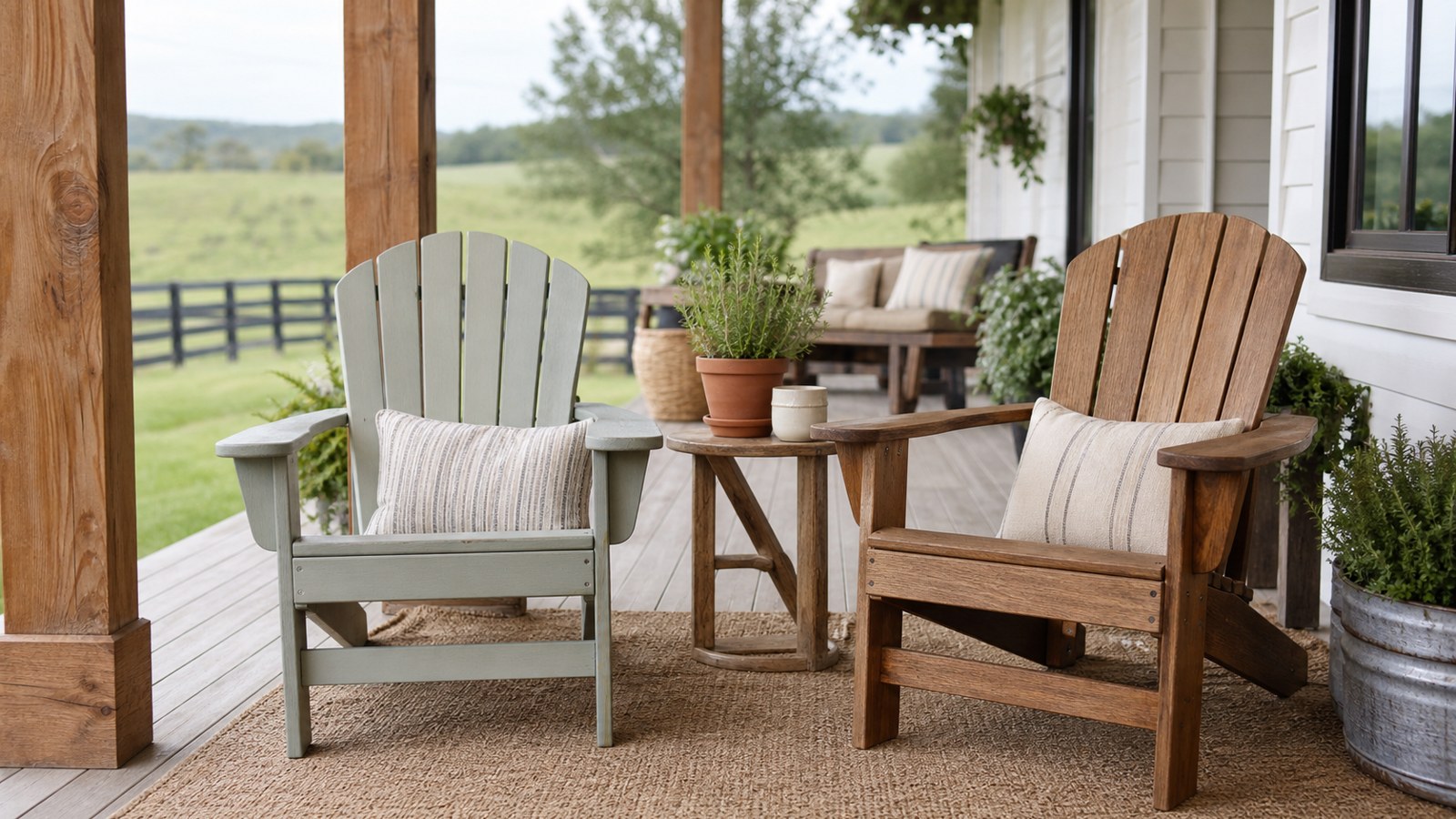
Outdoor furniture, decks, and siding are under constant assault from moisture, sunlight, and organic growth. Whether you’re maintaining an Adirondack chair, a cedar fence, or a backyard deck, one question always surfaces: Which finish stands up better against mold and mildew — paint or stain? To answer that, we’ll explore the science behind each finish, their moisture resistance, longevity, and how environmental conditions play into your choice. By the end, you’ll know exactly which finish gives you the upper hand in the eternal battle against mold and mildew.
A: Premium exterior 100% acrylic paint (with mildewcide) generally beats stains; next best is solid-color acrylic stain.
A: Use stains; paint films can peel under foot traffic and trap moisture.
A: Yes—clean, sand dull, spot prime knots/tannins, then prime and paint.
A: Not for mildew resistance; they lack pigment and robust actives—expect frequent cleaning.
A: Often yes; oils can feed spores. Choose water-based acrylic solid stain or paint.
A: Quarterly rinse; deep clean 1–2×/yr. Remove nearby leaf litter and fix irrigation overspray.
A: Not necessarily; growth on surface dirt is common. Wash, then evaluate film integrity.
A: Lighter, cooler shades dry faster and show less spotting; textured finishes hide marks.
A: When moisture content is ≤15% and water stops beading off freshly cut ends.
A: Wear gloves/eye protection; protect plants; rinse thoroughly; avoid mixing bleach with ammonia or acids.
Understanding Mold and Mildew: The Enemy of Outdoor Wood
Before comparing paint and stain, it’s essential to understand the adversary. Mold and mildew are fungi that thrive in damp, shaded, and poorly ventilated environments. Mildew usually appears as a white or gray powdery film on the surface. It’s the less aggressive cousin of mold, which tends to appear as dark, fuzzy patches that can penetrate deeper into the wood fibers. Both feed on organic materials and moisture. When wood gets wet and stays that way for too long, these fungi begin to grow — not only staining the surface but also compromising the structure and aesthetics of your furniture or deck. Any finish you apply must do two things well: seal out moisture and resist fungal colonization. That’s where the choice between paint and stain begins.
How Paint Protects: A Barrier Finish
Paint creates a thick, protective film on the surface of wood. Think of it as a waterproof jacket — it completely coats the material, sealing pores and preventing water from soaking in.
High-quality exterior paints often contain fungicides and mildewcides, additives that deter mold and mildew growth. These ingredients don’t just protect the surface; they also slow the spread of spores, keeping your furniture looking cleaner longer.
Paint’s ability to resist mold largely depends on three key factors:
- Film Thickness: The thicker the paint layer, the more it isolates wood from moisture.
- Pigment Type: Darker colors tend to retain heat, helping surfaces dry faster.
- Additives: Modern paints are engineered with antimicrobial compounds to inhibit fungal growth.
However, while paint performs well as a moisture barrier, it’s not perfect. When water does eventually find its way beneath the paint — often through cracks, chips, or unsealed edges — it becomes trapped. That’s when problems like peeling, bubbling, and hidden mold growth can occur.
How Stain Protects: A Penetrating Finish
Stain, unlike paint, soaks into the wood, enhancing its natural texture while offering water resistance. Rather than forming a surface layer, stain penetrates deep into the fibers, which allows the wood to “breathe.”
This breathability is a major advantage in mold prevention. When wood can release trapped moisture instead of sealing it in, there’s less opportunity for fungal colonies to develop.
Stains are available in different opacities — transparent, semi-transparent, and solid. Each offers varying levels of UV and moisture protection, but even the most opaque stains maintain some degree of permeability.
Many high-quality stains also include mildew inhibitors, and their oil or water-based compositions impact how they handle moisture:
- Oil-based stains repel water more effectively and penetrate deeper, but can sometimes encourage surface mold if not treated with mildewcides.
- Water-based stains dry faster and contain fewer organic nutrients, making them less appealing to fungi.
Overall, stain provides a breathable, flexible defense — ideal for climates where humidity and temperature fluctuate dramatically.
Comparing Mold Resistance: Paint vs. Stain
When comparing how well each finish resists mold and mildew, it’s a nuanced battle of chemistry and conditions.
Paint’s advantage is its impermeable surface. It blocks moisture from penetrating the wood, leaving little for mold to feed on. For vertical surfaces like siding or doors, paint typically outperforms stain because water runs off quickly and the coating remains intact longer.
Stain’s advantage lies in its permeability and resilience. Because it penetrates the wood instead of sitting on top, there’s no film to crack or peel. That means fewer hidden moisture pockets — the perfect prevention against mold growth beneath the surface.
In humid environments, stain often has the upper hand, since painted surfaces can trap moisture. In drier regions, paint may perform better, as its complete seal helps keep the limited humidity out.
So, the “winner” depends largely on your climate and maintenance habits.
The Role of Preparation: Mold Prevention Starts Before You Finish
Neither paint nor stain can work effectively if the wood beneath it isn’t properly prepared. Many mold problems originate not from the finish itself, but from what’s hiding underneath.
Before applying any finish:
- Clean Thoroughly: Remove all dirt, oils, and old coatings. Mold spores often linger on the surface even when invisible.
- Dry Completely: Moisture trapped under paint or stain is an open invitation for future growth.
- Sand or Strip: Smooth surfaces allow finishes to adhere more evenly and form better seals.
- Use Primers or Conditioners: For paint, an exterior primer with mildewcide adds extra protection. For stain, wood conditioners help ensure deep and even absorption.
Skipping these steps almost guarantees premature mold growth — no matter how expensive the finish.
The Science of Mildew Resistance in Paint Formulas
Modern exterior paints are small miracles of chemistry. To resist mold and mildew, paint manufacturers integrate specialized additives directly into the formula. These include:
- Zinc oxide and copper compounds, which naturally inhibit fungal growth.
- Synthetic mildewcides, which break down spores before they can colonize.
- UV stabilizers, which prevent paint degradation that can expose the wood beneath.
The result is a protective coating that actively resists microbial life. Premium exterior paints from brands like Benjamin Moore, Sherwin-Williams, and Behr often highlight “mildew-resistant” or “anti-fungal” formulations on their labels.
However, over time, these additives degrade due to sunlight and weathering. After several years, even the most advanced paint can lose its defense, allowing mold to creep back — especially in shady, north-facing areas.
The Chemistry of Stain’s Mold Resistance
Stains rely less on surface protection and more on penetration and natural resistance. Many modern stains include alkyd resins, acrylic polymers, and fungicidal additives to enhance durability and inhibit mold. Oil-based stains in particular tend to attract mold if left unprotected, as oils can serve as nutrients for fungi. That’s why most manufacturers incorporate additives to neutralize this effect. Water-based stains, on the other hand, are naturally less prone to fungal growth because they dry rapidly and leave fewer organic residues. High-quality brands like Cabot, Penofin, and DEFY have developed advanced anti-fungal technologies that rival paint in their longevity. Many waterborne stains are specifically marketed as “mildew-resistant,” making them a top choice for humid regions or shaded outdoor furniture.
Environmental Conditions: The Deciding Factor
Climate plays a massive role in determining which finish performs best. In humid or coastal areas, moisture is constant, and airflow is often limited. Here, stain often outperforms paint because it lets the wood release moisture rather than trapping it. Painted surfaces, if compromised even slightly, can trap humidity underneath, creating the perfect breeding ground for mildew. In dry or arid climates, paint tends to hold up better because its sealed barrier prevents rare but damaging moisture from entering. It also helps protect the wood from intense UV exposure, which can break down unsealed fibers. If you live in a mixed climate, where rain and sunshine alternate regularly, a solid-color stain often strikes the perfect balance — providing paint-like coverage while maintaining breathability.
Maintenance and Longevity: The Long Game
Even the most mildew-resistant finish will fail without proper maintenance.
Paint typically lasts longer in terms of visual appeal — anywhere from 5 to 10 years on well-prepped surfaces. However, once paint begins to chip or peel, it must be scraped, sanded, and repainted, which can be labor-intensive.
Stain, while requiring more frequent reapplication (every 2 to 4 years depending on type), is far easier to maintain. You can clean, lightly sand, and re-stain without stripping down to bare wood. This makes it easier to refresh your mold defense barrier regularly.
For homeowners prioritizing low maintenance and long-term protection, paint may appear more durable. But for those focused on breathability, flexibility, and ongoing mold control, stain offers more manageable upkeep.
Common Mistakes That Invite Mold — No Matter the Finish
It’s not just about what product you choose — it’s about how you use it. Some common mistakes can quickly undermine your mold resistance:
- Applying to damp wood: This traps moisture inside, setting up perfect fungal conditions.
- Skipping primer or mildewcide additives: Even the best finishes can fail without these.
- Ignoring shaded or north-facing areas: These spots stay cooler and wetter, promoting growth.
- Allowing debris buildup: Leaves, dirt, and pollen feed mildew. Clean surfaces regularly.
Avoiding these errors can add years to your finish and keep mold at bay.
]Mold-Resistant Innovations: Hybrid Coatings and Next-Gen Formulas
Recent innovations blur the lines between paint and stain. Some hybrid products combine paint’s protective film with stain’s penetrating flexibility, offering enhanced mold and mildew resistance. These products often feature nanotechnology-based sealants and biocidal polymers that prevent spore attachment at the microscopic level. They create an ultra-thin, invisible shield that blocks both UV rays and moisture. Brands are increasingly marketing “self-cleaning” or “bio-resistant” exterior coatings — formulations that not only resist fungal growth but also shed dirt and water automatically. While they come at a premium price, they significantly reduce maintenance and the risk of mold recurrence.
Real-World Application: Decks, Furniture, and Siding
Let’s look at how paint and stain perform in practical outdoor settings.
For decks, where foot traffic and moisture exposure are high, stain is generally preferred. Paint tends to chip under heavy wear, allowing water to seep into cracks. Semi-transparent or solid stains, especially those with UV blockers and fungicides, deliver superior long-term protection.
For furniture, such as Adirondack chairs or benches, the choice depends on style and exposure. Painted furniture offers brilliant color options and a clean, finished look but requires diligent edge-sealing and touch-ups. Stained furniture, by contrast, embraces a rustic aesthetic that breathes and weathers gracefully without trapping moisture.
For siding, paint often reigns supreme. When properly applied with primer and caulked seams, it forms an excellent moisture barrier. However, periodic inspections are crucial — even a small crack can allow trapped moisture and lead to hidden mold behind the surface.
Eco-Friendly Considerations: The Green Side of Mold Resistance
Environmentally conscious homeowners are turning toward low-VOC paints and stains that limit harmful emissions. Fortunately, advances in green chemistry now allow these products to retain mold and mildew resistance without harsh chemicals.
Water-based finishes are generally safer for the environment, easier to clean up, and less odorous. Many also rely on zinc-based biocides — natural compounds that resist fungal growth without introducing toxins into the ecosystem.
If sustainability matters, look for products certified by Green Seal, GREENGUARD, or EcoLogo. These finishes protect both your home and the planet while still keeping mold in check.
Visual and Aesthetic Considerations
While performance matters most, aesthetics often influence the final decision. Paint offers unmatched color control — you can achieve virtually any hue, from bright whites to bold coastal blues. However, it hides the wood’s natural character. Stain enhances the wood grain, giving outdoor pieces a warm, organic look that many homeowners love. Because it penetrates rather than covers, it also avoids the thick, artificial feel paint sometimes produces. If you’re restoring heritage wood furniture or want your deck to retain a natural, timeless appeal, stain may offer both the look and the mold resistance you’re after.
When Mold Still Appears: Cleaning and Recovery Tips
Even with the best finish, nature sometimes wins. When you spot mold or mildew, act quickly to prevent deeper damage.
A simple solution of one part white vinegar to three parts water works wonders for mild surface mildew. For tougher patches, a diluted bleach solution or a commercial mold remover can help. Always rinse thoroughly and let the surface dry completely before reapplying paint or stain.
If your painted surface has begun to peel or bubble, the only real fix is to strip and refinish. With stain, a light sanding and reapplication usually restore full protection.
Expert Insight: What Professionals Recommend
Many professional painters and woodworkers agree that the right product depends on the project and environment.
In high-humidity areas, contractors often favor stain, especially water-based varieties with advanced mold inhibitors. In dry, sunny regions, paint with a quality primer delivers unbeatable UV and moisture protection.
Pros also emphasize the importance of regular washing and inspection, regardless of the finish. Once-a-year cleaning with a mild detergent can remove mold spores before they have a chance to spread — often extending your finish’s life by several years.
The Final Verdict: Paint vs. Stain in the Mold and Mildew Showdown
When all factors are considered — chemistry, climate, maintenance, and aesthetics — both paint and stain can offer excellent mold resistance if properly applied and maintained.
However, in the specific battle against mold and mildew:
- Stain wins for breathability, flexibility, and prevention of trapped moisture.
- Paint wins for surface protection, UV shielding, and visual uniformity.
If your environment is damp, shady, or near water, a mildew-resistant, water-based stain is likely your best defense. If you live in a dry climate or need a crisp, polished finish, high-quality exterior paint with fungicidal additives may serve you better.
Ultimately, success isn’t about which product you choose — it’s about how you apply, maintain, and protect it over time.
Defending Your Wood for the Long Haul
Mold and mildew are relentless, but with the right preparation, finish, and maintenance routine, you can keep your outdoor wood surfaces looking beautiful and healthy for years.
Whether you prefer the smooth sophistication of paint or the natural elegance of stain, modern formulations give you the tools to fight back against fungal growth. The key is vigilance — clean regularly, touch up when needed, and choose high-quality finishes designed specifically for your environment.
In the end, the best finish is one that respects both your wood and your climate — keeping your outdoor spaces dry, resilient, and mold-free season after season.