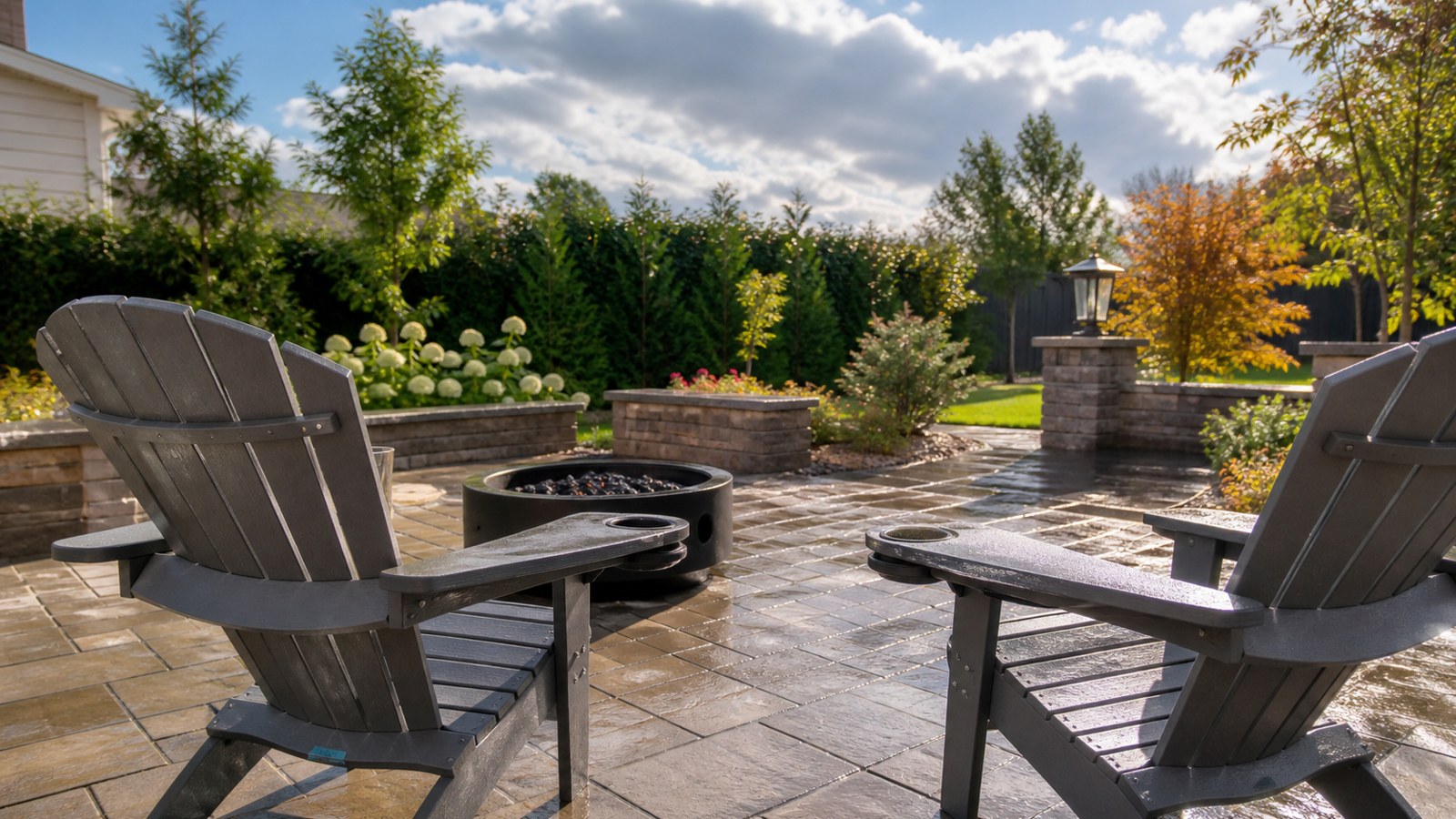
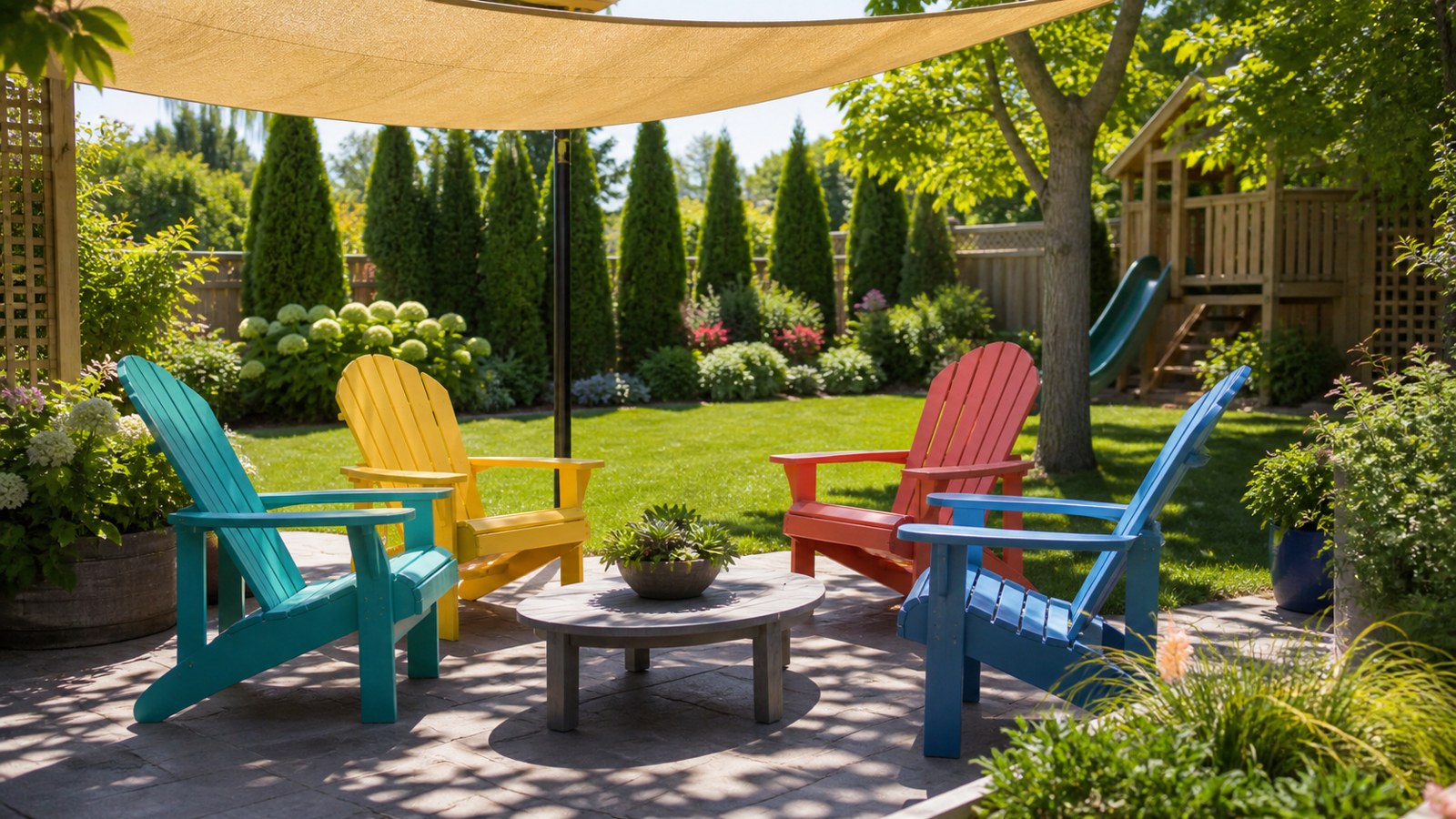
When you picture the perfect summer day, you probably imagine a sunny patio, a gentle breeze, and a comfortable Adirondack chair waiting to cradle you into relaxation. But while those rays of sunshine feel wonderful, they’re quietly waging war on your outdoor furniture. The constant exposure to ultraviolet (UV) radiation—the same force that gives us sunburn—can cause wood, plastic, and paint to break down, fade, and weaken over time. Enter the UV-resistant Adirondack chair, a piece of outdoor engineering that blends design, chemistry, and physics to stand strong under the sun’s relentless glare. These chairs are more than backyard décor—they’re examples of modern material science in action. Understanding how UV resistance works reveals why some Adirondack chairs keep their color, strength, and beauty for decades while others fade into brittle shells of their former selves.
A: Stabilized polymers/coatings, UV absorbers, HALS, and pigments that block or dissipate UV energy.
A: Some gradual ΔE change is normal; quality builds fade slowly and evenly over years.
A: Light/neutral tones show less visible shift and feel cooler under direct sun.
A: Stabilized plastics need less upkeep; wood looks great but needs UV-blocking finishes.
A: They can; the coating resists UV chalking, but cushions/shade improve comfort.
A: Solution-dyed acrylic/polyester; color is embedded throughout the fiber.
A: Rinse dust/salt regularly; monthly soap-and-water clean; seasonal hardware check.
A: Not for protection of stabilized plastics, but covers keep surfaces cleaner and reduce daily UV dose.
A: Use umbrellas/pergolas; avoid dark heat-amplifying pavers when possible; allow airflow behind backs.
A: Look for chalking, dull spots, or roughness; clean and, for coated/wood parts, refresh finishes as needed.
The Sun’s Secret Weapon: Understanding UV Radiation
To appreciate what makes UV-resistant furniture special, we first need to understand what it’s fighting. Sunlight contains several types of radiation—visible light, infrared heat, and ultraviolet rays. Though invisible to the eye, UV light carries enough energy to break chemical bonds in many materials.
There are three main types of ultraviolet radiation: UVA, UVB, and UVC. Fortunately, Earth’s atmosphere filters out UVC entirely, but UVA and UVB still reach us every day. Over time, these rays penetrate surfaces, splitting molecular chains apart in a process known as photodegradation.
This process affects everything from car paint to outdoor fabrics—but in furniture, it’s particularly destructive. The damage starts microscopically: molecular bonds in polymers or wood lignin begin to fracture. These small breaks multiply, leading to color fading, surface chalking, brittleness, and eventually structural failure.
That’s why UV resistance matters. Instead of accepting degradation as inevitable, scientists developed materials that can absorb, scatter, or neutralize this radiation before it does harm.
The Evolution of Outdoor Materials
When the first Adirondack chairs appeared in the early 1900s, they were handcrafted from wood—typically pine or hemlock. They were sturdy and beautiful, but the sun was always their greatest enemy. Even rot-resistant species like cedar and teak eventually bleached, cracked, or needed yearly staining.
Modern material science changed everything. Through experimentation with synthetic polymers and additives, manufacturers found ways to replicate the look of natural wood while drastically improving durability. The most transformative of these innovations came in the form of high-density polyethylene (HDPE)—a material that redefined what outdoor furniture could endure.
HDPE, a type of recycled plastic used in milk jugs and detergent bottles, offered an ideal combination of toughness, flexibility, and environmental sustainability. But its real superpower came from the addition of UV stabilizers—chemical agents that made it nearly impervious to sunlight.
The Chemistry of UV Resistance
So how exactly do UV-resistant Adirondack chairs resist fading and cracking? It all begins at the molecular level.
During manufacturing, HDPE is melted and combined with a carefully calibrated blend of UV inhibitors, color pigments, and antioxidants. These ingredients work in harmony to stop sunlight from wreaking havoc. The UV inhibitors—often complex organic compounds like benzotriazoles or benzophenones—act like microscopic shields. They absorb high-energy UV photons and release the energy as harmless heat before it can damage the polymer chain. Hindered amine light stabilizers (HALS), another key additive, scavenge free radicals created by UV exposure, neutralizing them before they can cascade into further degradation. Together, these components create a self-defending system. Every molecule of the chair’s material contains protection throughout—not just on the surface. That’s the key difference between painted finishes and intrinsic UV resistance: it’s not a coating that wears away but a structural property of the material itself.
Color That Lasts: Pigment Integration
Color fading is one of the most visible signs of UV damage. Traditional painted finishes rely on surface coatings that degrade quickly under sunlight, leading to peeling and discoloration. UV-resistant Adirondack chairs avoid this problem entirely through color-through technology.
Instead of painting, manufacturers mix pigments directly into the HDPE resin before it’s molded. These pigments are specially selected for their photostability—their ability to resist UV-induced molecular changes. Inorganic pigments such as iron oxides or ultramarines perform especially well because their crystalline structures are stable under intense radiation.
The result is a material where the color goes all the way through. A scratch or scuff won’t reveal a different shade beneath, and the tone remains vibrant even after years of exposure. This technique not only enhances beauty but also eliminates the need for repainting or refinishing, a constant chore with traditional wood chairs.
UV Stabilizers: The Chair’s Invisible Sunscreen
Imagine coating your furniture with sunscreen that never washes off, never wears out, and works at a molecular level. That’s essentially what UV stabilizers do.
There are several main types used in UV-resistant furniture production:
- UV Absorbers: These compounds, such as benzophenones, soak up UV radiation and convert it into low-energy infrared heat.
- HALS (Hindered Amine Light Stabilizers): These neutralize free radicals that form when UV light hits the polymer, effectively stopping chemical chain reactions.
- Antioxidants: These prevent thermal oxidation, a process that can accelerate when sunlight and heat combine.
The interplay between these stabilizers is critical. A chair with too much UV absorber might overheat, while too little HALS can’t stop free radical damage. Manufacturers rely on rigorous testing and spectroscopy analysis to fine-tune these ratios, ensuring that each Adirondack chair achieves an optimal balance of color retention, heat stability, and long-term strength.
Beyond the Surface: How the Material Structure Protects Itself
The beauty of modern UV-resistant materials is that they defend themselves from within. HDPE’s molecular structure plays a big part in this durability.
Each molecule is a long chain of carbon and hydrogen atoms arranged tightly together, creating a dense, non-porous matrix. This tight bonding makes it difficult for oxygen or moisture to infiltrate, both of which accelerate UV damage in lesser plastics.
Additionally, HDPE’s flexibility prevents cracking or brittleness. When sunlight heats the material, it can expand slightly without stress fractures—a feature that rigid resins and brittle woods lack. This elasticity is one reason why HDPE furniture can survive years of sun and cold without splintering or losing form.
Testing UV Resistance: Science Meets Sunlight
Before UV-resistant Adirondack chairs ever reach a backyard, they face grueling laboratory tests designed to simulate years of outdoor wear. These include:
- Accelerated weathering chambers, which bombard samples with concentrated UV light, humidity, and temperature cycles for thousands of hours.
- Spectral analysis, which measures color shift, gloss loss, and surface degradation.
- Mechanical testing, to assess tensile strength after prolonged exposure.
Manufacturers like Polywood® and Trex® often conduct the equivalent of 10 to 15 years of simulated sunlight exposure before approving their materials for production. This ensures that the chairs not only resist fading but also maintain structural performance.
It’s material science at its most practical—every test translating to more summers of worry-free outdoor living.
Why Wood Can’t Compete
Wood will always have a timeless appeal, but when it comes to UV protection, it’s fighting a losing battle. The culprit lies in lignin, a natural compound that binds wood fibers together. When exposed to UV rays, lignin breaks down, leading to discoloration and surface roughness.
Even protective stains and sealants only delay the process; they don’t stop it. These finishes absorb UV light temporarily but degrade themselves in the process. That’s why wooden Adirondack chairs need to be sanded, re-stained, or repainted every year or two—maintenance that quickly becomes tedious.
UV-resistant HDPE chairs bypass this weakness entirely. With no lignin to degrade and no surface coating to fail, they maintain color, texture, and smoothness effortlessly.
The Role of Reflectivity and Surface Texture
Not all UV resistance is chemical—some of it is physical. The texture and finish of a chair’s surface influence how sunlight interacts with it.
Glossy surfaces reflect a significant portion of incoming radiation, reducing penetration depth. However, they can show glare and highlight scratches. Matte or lightly textured finishes, like those used in many Polywood chairs, strike a balance by diffusing sunlight, scattering UV energy, and preventing concentrated heat buildup. The pigments themselves can also reflect specific wavelengths. For example, lighter colors such as white, sand, or driftwood gray reflect more UV light than darker tones, keeping both the furniture and its surroundings cooler. This interplay of texture, pigment, and reflectivity enhances protection while maintaining visual appeal.
Heat, Expansion, and Structural Stability
Sunlight doesn’t just bring UV radiation—it brings heat. A lesser-known advantage of UV-resistant Adirondack chairs lies in their ability to manage thermal expansion.
Materials expand when heated and contract when cooled. In natural wood or metal, this movement causes warping or loosening of joints. HDPE, however, has a uniform thermal response, meaning it expands and contracts evenly. The addition of UV stabilizers ensures that sunlight doesn’t trigger uneven heating, which could distort the shape over time.
This thermal stability is why UV-resistant chairs maintain tight joints and smooth contours even after years of sun exposure. Whether they sit on a lakeside dock or a mountain patio, their geometry remains true.
Environmental Benefits: Turning Waste into Weatherproof Furniture
The science behind UV-resistant Adirondack chairs isn’t just about durability—it’s also about sustainability. Most premium models are crafted from recycled plastics, transforming waste that might otherwise clog landfills into long-lasting products. The recycling process involves cleaning and shredding post-consumer plastics (like milk jugs), melting them down, and re-extruding them into HDPE lumber. During this phase, UV stabilizers and pigments are added, giving the material both its weatherproof quality and distinctive color. Because these chairs last for decades without repainting or replacement, they reduce resource consumption over time. And when they eventually reach the end of their life, they can be recycled again—closing the sustainability loop. This combination of eco-innovation and chemical engineering makes UV-resistant Adirondack chairs a modern triumph of both science and ethics.
Case Study: Polywood and the Pursuit of Perfect UV Stability
Polywood®, one of the leading brands in outdoor furniture, offers a glimpse into how far UV-resistant technology has come. Founded on the idea of sustainability and longevity, Polywood pioneered the use of recycled HDPE lumber infused with proprietary UV-blocking compounds.
Their materials undergo intense testing, including exposure to xenon-arc light simulators, devices that replicate full-spectrum sunlight. These tests measure everything from color retention to surface hardness.
The results are impressive: Polywood furniture retains more than 95% of its original color after 15 years of direct sun exposure—an achievement that underscores the precision of modern UV chemistry.
This relentless pursuit of UV stability proves that science and style can coexist beautifully.
Real-World Application: From Backyards to Beach Resorts
UV-resistant Adirondack chairs aren’t just for homeowners—they’re also the go-to choice for hotels, cruise ships, and public spaces exposed to constant sun.
In coastal resorts, salt air accelerates corrosion and fading, but UV-protected HDPE furniture resists both. On cruise decks, where chairs endure constant reflection from water and metal, color-through UV materials maintain vibrancy without peeling or cracking.
Even desert climates like Arizona or Nevada, where sunlight intensity is among the world’s highest, have proven to be no match for the combination of stabilizers, pigments, and polymers inside these chairs. They remain comfortable, cool to the touch, and effortlessly beautiful.
The Physics of Light Scattering
On a microscopic level, UV-resistant materials owe part of their success to how they scatter light. When sunlight hits a surface, some photons are absorbed (causing heat), while others are reflected or scattered. By engineering micro-textured surfaces and blending reflective pigments, manufacturers can control the scattering angle of light. This minimizes the amount of energy that penetrates deeply enough to break chemical bonds. It’s similar to how clouds diffuse sunlight—making it softer and less intense. This design-level control over light physics gives UV-resistant Adirondack chairs an advantage that goes beyond simple chemistry. They’re built not only to withstand light but to redirect it intelligently.
Why UV Resistance Equals Comfort
While UV stability primarily protects appearance and strength, it also enhances user comfort. By reflecting or diffusing harmful radiation, these materials remain cooler to the touch. Unlike metal chairs that heat up in minutes, UV-resistant HDPE maintains a comfortable temperature, even under midday sun.
This thermal moderation is a subtle but powerful side effect of UV protection. It makes the furniture not just more durable, but more enjoyable—a seamless blend of science and lifestyle design.
Maintenance Simplified: Let the Science Work for You
Because UV-resistant Adirondack chairs are self-protecting, their maintenance routine is refreshingly simple. A mild soap-and-water rinse keeps them clean, while a soft brush removes dust and pollen. There’s no need for sanding, sealing, or repainting—the UV inhibitors remain permanently active. This convenience is one of the biggest reasons consumers are turning toward engineered outdoor furniture. The science does the hard work, leaving you free to relax instead of refinish.
The Future of UV-Resistant Furniture Technology
The science behind UV-resistant Adirondack chairs is still evolving. Researchers are developing nanocomposite coatings that enhance UV blocking at the atomic level and experimenting with bio-based polymers that combine renewable resources with high performance.
Some prototypes feature self-healing polymers, which repair micro-cracks under sunlight exposure. Others integrate infrared-reflective pigments, which reflect both visible and invisible heat, keeping furniture even cooler.
As sustainability and technology advance together, the next generation of UV-resistant Adirondack chairs may offer even greater strength, lighter weight, and longer lifespans—proof that innovation never stops under the sun.
Why Science Matters for Everyday Comfort
It’s easy to take UV protection for granted, but behind every Adirondack chair that resists fading lies years of chemistry, physics, and material engineering. Each pigment, stabilizer, and polymer bond is part of a coordinated system designed to outsmart nature’s most powerful forces. That’s what makes UV-resistant Adirondack chairs more than outdoor furniture—they’re a symbol of progress. They show how science can solve everyday problems elegantly, transforming recycled plastic into something both functional and beautiful. When you settle into a UV-resistant chair on a bright summer afternoon, you’re not just enjoying comfort. You’re sitting in the result of decades of research, innovation, and creativity—all working quietly beneath you to keep your seat as radiant as the day you bought it.
The Bright Future of Sun-Smart Design
The Adirondack chair has always been a symbol of leisure, but today it also stands for longevity. Thanks to advances in material science, the modern UV-resistant version embodies the best of both worlds—classic charm paired with cutting-edge protection.
From UV absorbers and HALS stabilizers to color-through pigmentation and HDPE molecular architecture, every detail serves a purpose. The result is furniture that not only survives the sun but thrives in it.
As consumers continue to seek sustainable, low-maintenance, and beautiful outdoor solutions, UV-resistant Adirondack chairs represent the gold standard. They’re a testament to how far technology has come—and a reminder that sometimes, the most comfortable seat under the sun is also the smartest.