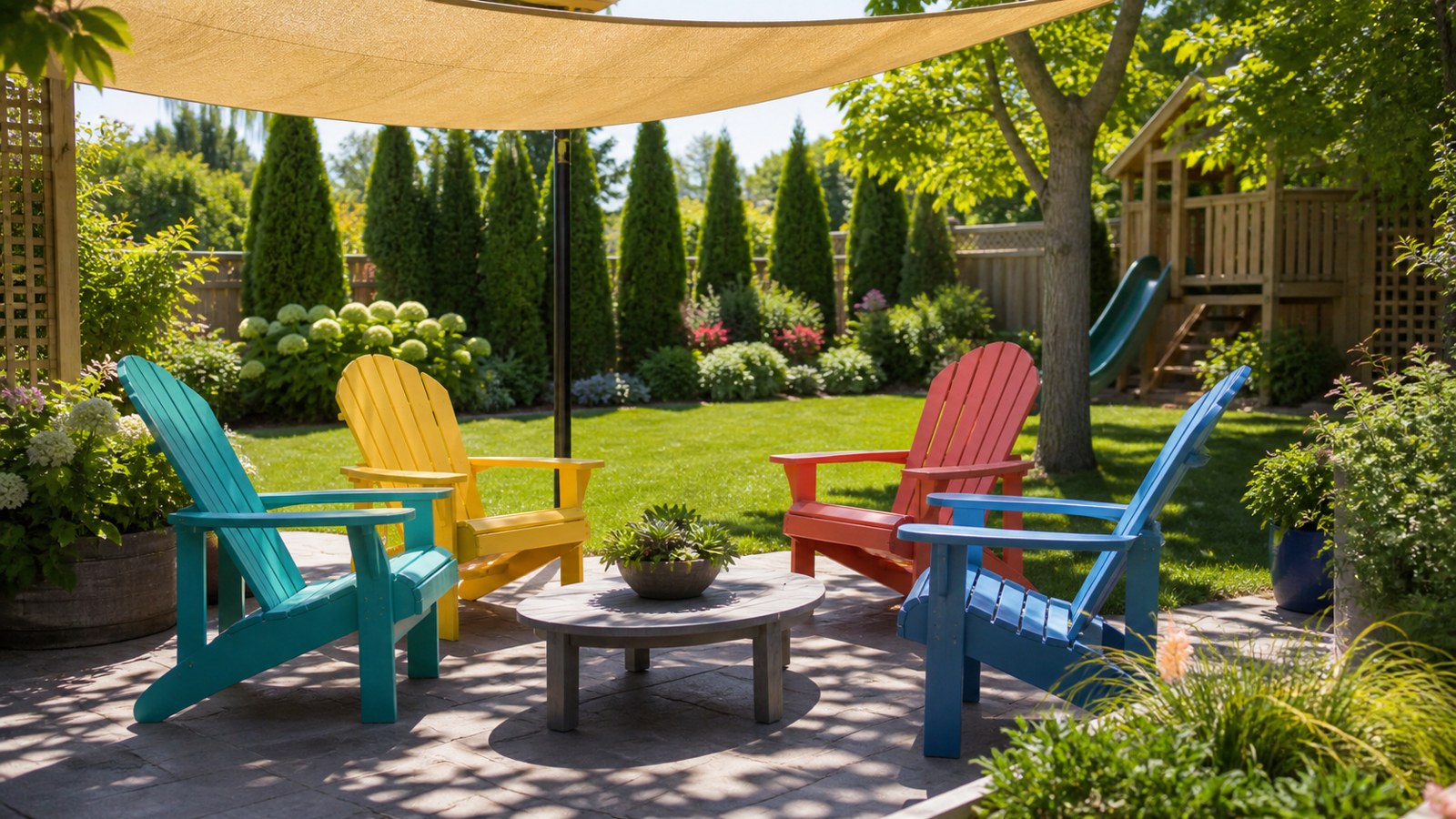
Few pieces of outdoor furniture are as iconic and enduring as the Adirondack chair. With its wide armrests, slanted seat, and laid-back silhouette, this classic design has come to symbolize lazy afternoons, lakeside retreats, and effortless comfort. But as beautiful as they are, one question lingers for every homeowner, designer, and resort manager: Are Adirondack chairs truly weatherproof? The short answer is—it depends. While the style remains constant, the materials, finishes, and craftsmanship vary widely, and these factors determine how well a chair withstands sun, rain, wind, and snow. In this guide, we’ll explore what “weatherproof” really means, which materials handle the elements best, and how to keep your Adirondack chairs looking and performing beautifully year after year.
A: Yes. It won’t rot or peel. Rinse occasionally and check hardware seasonally.
A: Absolutely—if sealed and maintained. Refinish on schedule and elevate feet off wet surfaces.
A: Brush off heavy buildup; allow airflow. Avoid plastic tarps that trap moisture.
A: Quality coats resist rust. Touch up chips promptly, especially near the coast.
A: Use solution-dyed acrylic, quick-dry foam, and store cushions dry when storms linger.
A: 304/316 stainless or silicon-bronze for long-term outdoor exposure.
A: UV-stable HDPE and high-solids exterior paint hold color. Shade and cleaning help, too.
A: Paint/varnish 12–24 months; penetrating oils a few times yearly in high sun.
A: Not if built well—just keep pivot hardware snug and lubricated.
A: Optional. Use breathable covers for long off-weeks; avoid non-vented plastic sheeting.
Understanding “Weatherproof”: More Than Just Rain-Resistant
In casual conversation, people often use “weatherproof,” “waterproof,” and “weather-resistant” interchangeably, but they actually describe different levels of protection. A weatherproof chair should endure exposure to sunlight, humidity, precipitation, and temperature swings without major structural or aesthetic damage. It’s not just about avoiding rot—it’s about maintaining color, finish, stability, and comfort across all seasons.
Outdoor furniture lives in an unpredictable environment. Rain brings moisture that can swell or rot wood, sunlight fades pigments and weakens polymers, and freezing temperatures can crack or warp materials. A truly weatherproof Adirondack chair resists these stresses while remaining comfortable and visually appealing. The degree of success depends on both the base material and how it’s treated or coated.
The Legacy of the Adirondack Chair
The Adirondack chair’s history dates back to the early 1900s in the mountains of upstate New York, where Thomas Lee designed it for comfort and stability on uneven terrain. The original version was built from local hemlock or cedar—woods that naturally resisted decay and insects. Over time, the chair evolved into countless variations made from pine, teak, metal, and recycled plastics, each promising durability and outdoor readiness. Modern versions extend far beyond the rustic wooden models of the past. Manufacturers now use advanced materials and finishes to ensure the chair can handle climates from humid coastal decks to snowy mountain porches. But not every Adirondack labeled “weatherproof” truly delivers on that promise, so it helps to know what each material brings to the table—or patio.
Wood Adirondack Chairs: Natural Beauty, Natural Challenges
Wood remains the most traditional choice for Adirondack chairs, appreciated for its organic warmth and classic charm. However, it’s also the most vulnerable to the elements unless properly protected. Cedar, teak, and eucalyptus are the champions of weather resistance among woods. Cedar contains natural oils that deter insects and prevent decay, making it a great option for damp climates. Teak, favored in luxury outdoor furniture, produces its own protective oil that resists moisture and sunlight better than nearly any other wood. Eucalyptus offers a sustainable alternative with good resistance to weathering, though it benefits from occasional oiling to retain its rich color.
Painted or stained wood chairs can achieve striking color options, but these finishes require periodic maintenance. Moisture can seep under chipped paint, leading to peeling and rot. In contrast, a well-oiled or sealed natural wood finish allows the surface to breathe while repelling water. Ultimately, wooden Adirondack chairs are weather-resistant rather than fully weatherproof—they can last decades with care, but they still require attention to remain pristine.
Plastic and HDPE Chairs: The Modern Weatherproof Standard
For homeowners who want long-term resilience with little maintenance, high-density polyethylene (HDPE) has become the gold standard. This engineered plastic is dense, UV-protected, and non-porous, meaning it won’t absorb water, crack, or warp under extreme temperatures.
HDPE Adirondack chairs are often made from recycled milk jugs or detergent bottles, making them eco-friendly as well as durable. They can stay outside year-round in rain, snow, or salt air without fading or splitting. Manufacturers like Polywood and Trex Outdoor Furniture have perfected the formula, offering products that mimic the grain of real wood while remaining impervious to weather damage.
Unlike cheap injection-molded plastic chairs, HDPE models are heavy and stable, resisting wind gusts and UV bleaching. While their upfront cost is higher, their near-zero maintenance and longevity—often 20 years or more—justify the investment for anyone seeking truly weatherproof outdoor seating.
Metal Adirondack Chairs: Strength Meets Style
Metal Adirondack chairs are a growing trend in modern outdoor design, combining industrial sleekness with classic form. The most common metals used are aluminum and steel, each with unique benefits and vulnerabilities. Aluminum is lightweight, rust-resistant, and naturally weather-friendly. Its oxide layer prevents corrosion even in salty coastal air. Powder-coated finishes further protect against fading, scratching, and oxidation. These chairs are ideal for humid or seaside climates where moisture would destroy wood or untreated steel. Steel versions, particularly those made from stainless or galvanized steel, provide unmatched strength and stability. However, if the coating is damaged, steel can rust quickly. Keeping them weatherproof requires vigilance—touching up chips and maintaining a rust-inhibiting layer ensures their longevity. For design enthusiasts, metal Adirondack chairs offer a modern edge without compromising comfort, but they can heat up in direct sunlight. Strategic placement under shade or use of cushions helps balance function and comfort.
Resin and Composite Blends: The Middle Ground
Resin and composite Adirondack chairs blend the look of wood with the convenience of plastic. These materials are made from synthetic resins or composite polymers reinforced with wood fibers. They deliver much of the same weather resistance as HDPE, though at varying quality levels depending on manufacturer and formulation.
Composites don’t splinter or rot, and they retain color better than painted wood. However, prolonged UV exposure can sometimes cause fading or brittleness over the years. A UV-stable resin with built-in color pigment provides the best protection, eliminating the need for repainting or sealing.
In essence, resin and composite Adirondack chairs sit comfortably between affordability and endurance. They’re more weather-resistant than natural wood but may not reach the decades-long lifespan of premium HDPE versions.
Paints, Sealants, and Coatings: The Hidden Layer of Protection
Even the most resilient materials rely on their finish for ultimate weatherproofing. Paints, stains, and sealants act as the first line of defense against sun and moisture damage.
Acrylic latex paints and marine-grade finishes, for example, form a flexible barrier that expands and contracts with temperature changes without cracking. For wood chairs, penetrating sealants like tung oil or spar varnish protect from within, nourishing the fibers while repelling water.
Powder coating is the go-to finish for metal Adirondack chairs, offering exceptional adhesion and fade resistance. Unlike traditional paint, powder coating bonds electrostatically, forming a dense, weather-proof shell that resists peeling and corrosion.
In all cases, regular maintenance—cleaning, inspecting for chips or cracks, and applying protective coatings as needed—determines how “weatherproof” your chair remains over time.
The Sun Factor: UV Resistance and Fading
Many homeowners underestimate how much damage sunlight alone can inflict. Prolonged UV exposure fades colors, weakens wood fibers, and even breaks down certain plastics. A truly weatherproof Adirondack chair must therefore resist ultraviolet radiation as much as it resists rain. Wood chairs can be shielded with UV-blocking stains and finishes, but these coatings eventually wear off. HDPE and composite materials often integrate UV inhibitors during manufacturing, meaning the protection exists throughout the material rather than on its surface. This makes them superior for long-term color retention and structural stability. Metal chairs, particularly those with powder coatings, also perform well under sunlight. However, darker colors absorb more heat, potentially making the surface hot to the touch. If your patio gets direct sun exposure, choosing lighter finishes or positioning chairs in partial shade can make a big comfort difference.
The Rain and Moisture Test
Rain is the true adversary of outdoor furniture. It seeps into seams, joints, and pores, setting the stage for rot, swelling, and mold. Weatherproof Adirondack chairs are designed to prevent moisture absorption and encourage drainage.
Wooden chairs with slatted designs dry faster than solid surfaces, reducing the risk of mildew. Still, water can accumulate in screw holes or between boards, so proper spacing and drainage design matter. For painted or stained wood, any crack or flake in the finish can allow water to penetrate and start decay from within.
Plastic, resin, and metal chairs excel in wet conditions. Non-porous and quick-drying, they repel rain naturally. HDPE in particular is immune to rot, mold, and mildew—a major advantage for humid regions. Even so, it’s wise to wipe down or tilt chairs after heavy rainfall to prevent pooling and prolong surface life.
Winter Weather: Snow, Ice, and Freezing Temperatures
Winter is where the myth of “weatherproof” truly gets tested. Freezing and thawing cycles can wreak havoc on materials that absorb even trace amounts of moisture. Wood expands and contracts with temperature shifts, which can loosen joints or cause cracks. Metal can become brittle or develop condensation beneath coatings. HDPE chairs, however, are virtually immune to freeze-thaw damage. They don’t absorb moisture, so there’s nothing inside to expand or contract. This makes them the top choice for year-round outdoor use, even in snowy climates. If you own wooden or metal Adirondack chairs, seasonal storage or protective covers are wise investments. Keeping them in a dry garage or shed during the harshest months dramatically extends their lifespan while maintaining their beauty for years to come.
The Role of Climate and Environment
Weatherproofing performance depends not only on material quality but also on your environment. A chair that thrives in an arid desert might struggle in a coastal salt air climate or humid rainforest region.
- Humid climates: Moisture-resistant materials like HDPE or aluminum outperform wood, which can swell or warp.
- Coastal regions: Salt air corrodes metal, so look for marine-grade aluminum or stainless steel with powder coating.
- Dry, sunny areas: UV stability becomes critical—HDPE or UV-protected wood finishes are ideal.
- Cold, snowy zones: Non-porous materials like plastic or resin eliminate freeze damage risk.
Adapting your furniture material to your local weather ensures genuine weatherproofing instead of relying on generic claims.
Maintenance: The Secret to Lasting Weatherproofing
Even the toughest Adirondack chair benefits from simple maintenance. A quick rinse to remove dirt, wiping away moisture, and checking for loose screws or worn finishes can make a huge difference.
Wood chairs may need sanding and resealing every one to two years, especially if exposed to full sun or rain. Plastic and resin versions mainly require soap-and-water cleaning. For metal chairs, inspecting powder coatings for scratches prevents rust from starting.
Think of maintenance not as a chore, but as part of ownership—an easy routine that protects your investment and keeps your outdoor space looking refined.
Comparing True Weatherproof Performance by Material
Let’s summarize the broad hierarchy of weather resistance among Adirondack materials:
- HDPE Plastic: Fully weatherproof; resists UV, moisture, salt, and temperature changes.
- Aluminum: Highly weather-resistant; lightweight and rust-proof, but can heat up in sunlight.
- Stainless/Galvanized Steel: Durable with proper coating; vulnerable if scratched.
- Resin/Composite: Good resistance; color fading possible over years.
- Teak and Cedar Wood: Naturally resilient, but need periodic sealing.
- Softwoods (pine, fir): Least weatherproof; require heavy maintenance and coatings.
Modern homeowners often blend aesthetics and practicality—using HDPE for daily use while preserving a few wood pieces for their charm and craftsmanship.
Comfort and Ergonomics Under Changing Conditions
Weatherproofing isn’t only about durability; it’s also about comfort. A chair might survive a thunderstorm but still become unpleasant to use afterward.
Metal chairs can grow hot or cold quickly, matching the surrounding temperature. Wood and HDPE, on the other hand, offer better thermal balance, staying comfortable longer. Smooth finishes help water bead off easily, so you don’t sit in puddles after a rain.
Cushions designed for outdoor use can add comfort, but they should be made of quick-dry foam and covered in UV-resistant fabric like Sunbrella to ensure they match the chair’s weather resilience.
Environmental Impact: Sustainability in Weatherproof Design
Today’s consumers care as much about environmental responsibility as performance. Fortunately, the push for weatherproof materials has also driven innovation in sustainability. HDPE Adirondack chairs, often made from post-consumer recycled plastics, keep waste out of landfills and oceans. Their long lifespan reduces replacement cycles, lowering overall environmental impact. Teak, when responsibly harvested from certified plantations, offers renewable natural beauty. Aluminum is endlessly recyclable without losing quality, making it another eco-smart option. Truly modern weatherproof design considers the full lifecycle—from material sourcing to longevity and recyclability—ensuring comfort without compromise.
The Myth of “Maintenance-Free” Outdoor Furniture
Many brands advertise their Adirondack chairs as maintenance-free, but that phrase deserves skepticism. No outdoor material exists that never requires cleaning or inspection. Even HDPE, while nearly indestructible, benefits from occasional washing to prevent mildew film or pollen buildup.
“Maintenance-light” is a more accurate description. The goal is to minimize effort, not eliminate it. A few minutes of seasonal care can preserve color vibrancy, mechanical stability, and comfort. Weatherproof doesn’t mean invincible—it means ready to perform with minimal upkeep.
How Long Should a Weatherproof Adirondack Chair Last?
With proper care, the best Adirondack chairs can easily last decades. HDPE and powder-coated metal models often carry 20- to 25-year warranties. High-grade teak can endure 40 years or more, gracefully aging to a silvery patina. Cheaper woods or plastics may last only a few seasons before cracking, fading, or loosening. Ultimately, longevity depends on the material, build quality, and your willingness to perform simple maintenance. A truly weatherproof Adirondack chair isn’t just one that survives—it’s one that looks inviting and performs well every time you sit down, year after year.
Balancing Aesthetics and Performance
Many homeowners face a dilemma: they love the warmth of natural wood but crave the convenience of synthetic materials. Fortunately, design innovation has bridged this gap.
HDPE chairs now come in realistic wood-grain textures that capture the charm of natural lumber without the upkeep. Similarly, modern stains and finishes for wood can deliver weather protection without hiding its beauty. The best weatherproof design feels natural and human while staying technologically advanced.
Whether you prefer a rustic cedar finish or a sleek matte-black composite, the key is to choose materials and finishes that reflect both your style and your climate.
The Verdict: Are Adirondack Chairs Truly Weatherproof?
So—are they truly weatherproof? The honest answer: Some are, and some aren’t. A well-built HDPE Adirondack chair can face blazing sun, torrential rain, and snowy winters without flinching. High-end teak chairs come close with proper care. Metal versions, when coated properly, resist corrosion and stand strong against the wind. However, low-quality wood or plastic imitations without UV or moisture protection will quickly show their limits. Weatherproofing isn’t a marketing claim—it’s a combination of design integrity, material science, and responsible upkeep. When chosen wisely, your Adirondack chairs can indeed be truly weatherproof—ready to grace your patio, poolside, or garden through every season nature brings.
Building Outdoor Spaces That Last
Adirondack chairs represent more than furniture—they’re an invitation to slow down, unwind, and connect with nature. Ensuring they’re weatherproof means protecting not just your investment, but also your outdoor lifestyle.
By understanding materials, finishes, and maintenance, you can choose chairs that complement your climate and your design sensibilities. Whether crafted from timeless teak, engineered HDPE, or powder-coated aluminum, the right Adirondack chair blends endurance with elegance—standing strong against the elements while always ready for relaxation.
When the storms pass, the snow melts, and the sun returns, your chair will still be there—proof that comfort and craftsmanship can weather any season.