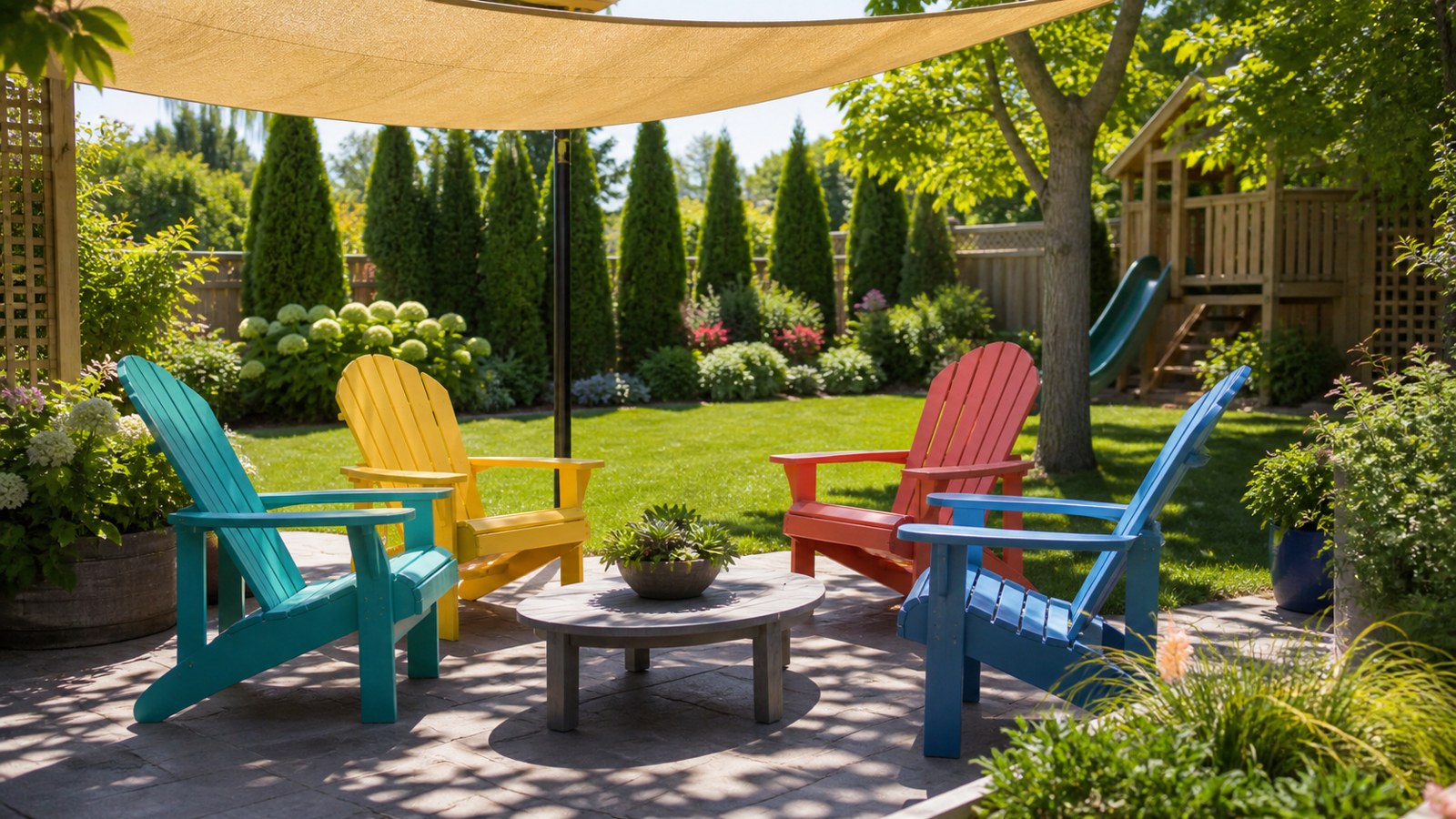
In the quiet glow of a desert evening, few things are more peaceful than settling into a comfortable Adirondack chair, watching the light fade over rocky ridges and dunes. But for anyone living in a desert climate, one truth stands out: the sun is relentless. Scorching temperatures, dry air, and ultraviolet intensity can quickly fade, crack, and weaken ordinary outdoor furniture. That’s why weatherproof Adirondack chairs designed for desert heat and sun have become a favorite for homeowners seeking comfort without compromise. These chairs blend durability, UV resistance, and smart material engineering to stand up to the harshest conditions under the brightest skies. Whether you’re outfitting a desert patio in Arizona, a poolside retreat in Nevada, or a minimalist oasis in Palm Springs, choosing the right weatherproof Adirondack chair ensures your furniture remains beautiful, sturdy, and inviting season after season. This guide explores how desert climates challenge outdoor furniture, what makes Adirondack chairs uniquely suitable for these conditions, and which materials and designs perform best under intense sunlight and extreme heat.
A: UV-stabilized HDPE and quality powder-coated metals; dense hardwoods if maintained with UV-blocking oils.
A: Some mellowing happens over years; choose lighter colors and UV-inhibited materials to slow it.
A: Not for protection on HDPE/metals; covers mainly keep dust off and reduce cleaning time.
A: They can be midday; add cushions, use lighter colors, or place under shade during peak hours.
A: Solution-dyed acrylic/poly; they resist UV fade and stay color-true longer.
A: Quick hose-off after winds; monthly soap-and-water to remove minerals and lotions.
A: Quality HDPE is formulated for thermal cycling; avoid harsh impacts when very hot or very cold.
A: Use shade sails/umbrellas, lighter colors, and avoid dark stone that radiates heat back.
A: Seasonal hardware snug-ups and nylon washers/bumpers where parts meet.
A: Rinse splash spots; mineral/salt crusts “cook on” faster in high heat if left.
The Desert Challenge: Heat, Sun, and Survival
Desert climates pose one of the toughest environments for outdoor furniture. Summer temperatures can soar well above 100°F, while intense UV rays pound surfaces from dawn to dusk. The dry air saps moisture from natural materials, and daily temperature swings—sometimes a 40-degree difference between day and night—create stress that can warp, fade, or crack ordinary furniture.
In these conditions, traditional wood Adirondack chairs face a losing battle. Even high-quality woods like cedar or teak can dry out, splinter, and lose color without constant maintenance. Painted finishes blister, stains fade, and screws can loosen as wood expands and contracts.
The desert doesn’t just demand durability—it demands innovation. That’s why weatherproof Adirondack chairs made from modern materials such as HDPE (high-density polyethylene), UV-stabilized polymers, and powder-coated aluminum have become essential for long-term performance in the sun.
Why Adirondack Chairs Work So Well Outdoors
The Adirondack chair’s timeless design is more than just visually iconic—it’s also functional for harsh climates. Its angled backrest and wide seat allow for natural airflow, keeping you cooler in high heat. The slanted base prevents water from pooling after rare desert rains, while its wide arms are perfect for holding drinks or books during a hot afternoon.
Originally designed in the Adirondack Mountains of New York, this chair was meant to handle rugged weather. Its adaptable shape has since evolved to meet new environmental challenges, including desert extremes. Today’s weatherproof versions combine that same ergonomic comfort with advanced technology to resist cracking, fading, and heat buildup.
Understanding “Weatherproof” in Desert Terms
When manufacturers call a chair “weatherproof,” they often mean it can handle rain or cold—but desert weatherproofing is different. Here, sunlight, not moisture, is the main threat. A desert-weatherproof Adirondack chair must resist UV radiation, maintain its color despite continuous exposure, and stay structurally stable even as surface temperatures fluctuate dramatically.
True desert weatherproofing means a chair that:
- Won’t fade under prolonged sun exposure.
- Won’t warp, crack, or become brittle in dry heat.
- Stays comfortable to the touch, even in direct sunlight.
- Retains its finish without peeling, blistering, or discoloration.
These performance standards separate average outdoor furniture from those specifically designed to thrive under desert skies.
The Science of Sun Damage: How Heat Destroys
Sun damage is slow but steady. When ultraviolet rays hit furniture, they break down molecular bonds in both natural and synthetic materials—a process known as photodegradation. Over time, this causes discoloration, fading, and surface weakness.
In wood, UV rays break down lignin—the natural glue that holds wood fibers together—leading to graying, splintering, and eventual decay. In metals, prolonged sun exposure accelerates oxidation, which can cause paint or coatings to bubble and flake. Plastics without UV stabilizers can become chalky and brittle, losing flexibility until they crack under even slight pressure.
A weatherproof Adirondack chair built for desert use combats this at the molecular level. Materials like HDPE incorporate UV inhibitors directly into the plastic, absorbing or scattering harmful radiation before it can cause damage. This technology, combined with heat-resistant pigments, ensures the chair retains its color and structure no matter how long it bakes in the sun.
HDPE: The Gold Standard for Desert Durability
Among all materials used for outdoor furniture, high-density polyethylene (HDPE) stands out as the undisputed champion of desert durability. Made from recycled plastics such as milk jugs and detergent bottles, HDPE is transformed into dense, lumber-like boards that mimic the look of wood but perform far better in extreme climates.
What makes HDPE so effective is its closed-cell structure—it doesn’t absorb moisture, swell, or crack. It’s impervious to rot and insects, and more importantly, it’s infused with color pigments and UV stabilizers during manufacturing. That means the color isn’t painted on; it runs all the way through, ensuring scratches or wear don’t expose any raw or faded layers beneath.
HDPE Adirondack chairs can handle both the scorching midday heat and the cool desert nights without distortion or fading. Even after years of exposure, they retain their strength, stability, and vibrant appearance, requiring only the occasional cleaning with soap and water.
Color Retention: Beating the Desert Fade
In desert regions, color retention is as important as structure. The combination of UV radiation and airborne dust can dull surfaces quickly. Non-weatherproof chairs fade unevenly, leaving patchy discoloration that ruins the aesthetic harmony of your outdoor space. HDPE and UV-stabilized polymer Adirondack chairs are specifically engineered to fight fading. The pigments used are UV-fast, meaning they resist photobleaching even under prolonged exposure. Lighter tones like white, sand, and driftwood gray remain crisp, while darker shades such as navy, mahogany, and slate hold their richness. In many cases, manufacturers test these chairs through accelerated weathering simulations—exposing them to the equivalent of ten years of desert sunlight in a controlled environment—to ensure that fading stays minimal. This commitment to color durability makes HDPE and composite Adirondack chairs ideal for long-term desert living.
Comfort Under the Sun: Staying Cool to the Touch
In desert climates, one of the biggest concerns isn’t just durability—it’s comfort. Many materials become scorching hot when left in direct sunlight, making them unpleasant or even unsafe to sit on.
Here’s where design and material science intersect beautifully. Weatherproof Adirondack chairs made from HDPE or other advanced composites have low thermal conductivity, meaning they don’t retain or transfer heat as aggressively as metal or dark-painted wood. Even after sitting under full sun, these chairs stay relatively cool and comfortable to the touch.
Color choice can further enhance this effect. Lighter hues reflect sunlight instead of absorbing it, keeping surfaces several degrees cooler than darker tones. Paired with the Adirondack’s naturally ventilated shape and deep seat angle, these materials ensure you can relax outdoors—even on a day when the desert pavement feels like an oven.
The Role of UV Inhibitors and Stabilizers
The secret to long-lasting weatherproof Adirondack chairs lies in UV inhibitors—special chemical compounds mixed into the material during production. These stabilizers work like sunscreen for furniture, absorbing and neutralizing ultraviolet energy before it can cause damage.
There are two main types:
- UV Absorbers, which capture harmful rays and convert them into low-energy heat.
- Hindered Amine Light Stabilizers (HALS), which stop oxidation reactions caused by sunlight.
Combined, these additives ensure that the chair’s structure and color remain intact over years of constant sun exposure. They don’t wash off, peel, or wear away because they’re bonded at a molecular level with the base material.
The result? A chair that truly earns the title “weatherproof”—able to resist not just moisture and wind, but the most intense sunlight on Earth.
Comparing Desert-Ready Materials
While HDPE reigns supreme, it’s worth understanding how it compares to other materials commonly found in outdoor furniture:
Wood: Naturally beautiful but high-maintenance. Without annual sealing or oiling, even teak or cedar can crack, bleach, or dry out in desert heat.
Metal: Powder-coated aluminum and steel can handle heat but conduct it quickly, becoming too hot to touch. They’re excellent in shaded spaces but uncomfortable in direct sunlight.
Resin or PVC: Lightweight and inexpensive, but typically not UV-stabilized. They may fade or become brittle within a season.
Composite Lumber: A blend of recycled plastic and wood fibers, this material offers good UV resistance and natural texture but may still retain more heat than HDPE.
For pure longevity and minimal maintenance in desert conditions, HDPE Adirondack chairs consistently outperform the competition.
Maintenance in the Desert: Minimal but Important
Even weatherproof furniture benefits from occasional care. Desert dust and fine sand can accumulate on surfaces, dulling the finish over time. Fortunately, cleaning HDPE Adirondack chairs is simple: a quick rinse with water or a wipe-down with mild soap keeps them looking fresh. Unlike wood, there’s no need for varnish, sealants, or repainting. The material doesn’t absorb grime, and it resists staining from sunscreen, beverages, or desert minerals. For those in areas with frequent dust storms, lightly covering the chairs when not in use can reduce buildup, but storage isn’t essential. These chairs are designed to stay outdoors year-round—through every heatwave, wind gust, and desert dawn.
Weight, Stability, and Wind Resistance
One challenge of desert living is the wind—often strong, dry, and unpredictable. Lightweight furniture can easily topple or blow away, especially in open patio spaces.
Weatherproof Adirondack chairs, particularly those made from dense HDPE, solve this issue with natural heft and balance. Their solid composition adds stability, keeping them firmly grounded even during gusty conditions. The wide base and angled design further enhance wind resistance, preventing tipping without the need for tie-downs or anchors.
This blend of strength and design practicality makes them ideal for exposed terraces, rooftop patios, and desert resorts.
Eco-Friendly Construction: Sustainability in the Sun
Sustainability has become a defining feature of modern outdoor design. Many of today’s weatherproof Adirondack chairs are crafted from recycled plastics, turning post-consumer waste—like milk jugs and detergent containers—into long-lasting furniture.
Not only does this divert waste from landfills, but it also produces a chair that outlasts its natural counterparts. When a product can withstand decades of desert weather without replacement, its environmental footprint shrinks dramatically.
Furthermore, HDPE and composite chairs are 100% recyclable at the end of their life cycle, ensuring that the material can be reused again. For desert homeowners who value both eco-conscious living and resilient design, this sustainability is a meaningful bonus.
Aesthetic Versatility: Modern Looks for Harsh Landscapes
One of the joys of Adirondack chairs is their timeless silhouette—but modern materials have expanded their aesthetic potential. HDPE and UV-stabilized polymer models come in dozens of colors, from muted desert neutrals to bold contemporary hues. For desert settings, natural tones like driftwood, sand, slate, and white blend seamlessly with stone, stucco, and cactus-green backdrops. Meanwhile, bolder options like navy blue, rust red, or sage can create striking contrasts against neutral landscapes. Many designs also integrate contemporary twists—folding frames, contoured backs, and built-in cupholders—while maintaining the classic Adirondack profile. Whether your outdoor space leans modern, rustic, or coastal, there’s a weatherproof option that fits your vision.
Real-World Testing: Surviving the Southwest
The performance of weatherproof Adirondack chairs isn’t just theoretical—it’s proven daily across the American Southwest. Resorts in Palm Springs, Las Vegas, and Scottsdale rely on HDPE furniture because it resists fading under unrelenting sun and maintains structure through record-breaking heatwaves.
Homeowners across Arizona and New Mexico share similar experiences: chairs left outside year-round show minimal wear even after several summers. No splitting, no peeling paint, and no uncomfortable heat when sitting down.
This real-world validation reinforces that these chairs are not just designed for the desert—they’re built to thrive in it.
Placement and Shade: Maximizing Comfort
Even the most weatherproof chair benefits from thoughtful placement. In desert climates, positioning chairs strategically can enhance both comfort and longevity.
Placing Adirondack chairs under partial shade structures, pergolas, or next to desert-friendly plants like palo verde or mesquite trees helps moderate surface temperature while maintaining open-air ambiance. Reflective surfaces like white pavers or light concrete can also increase surrounding heat, so consider natural stone or wooden decking for cooler seating areas.
Ultimately, weatherproof chairs allow flexibility—you can place them poolside, on open patios, or in rooftop lounges without worrying about deterioration. The freedom to design without constraint is one of their greatest appeals.
Why Polywood and Similar Brands Excel
Brands such as Polywood®, Trex®, and Lifetime® have become synonymous with durable, sunproof outdoor furniture. Their Adirondack chairs, made from HDPE or proprietary recycled composites, are rigorously tested for UV resistance and heat stability. Polywood, for instance, uses Color-Stay Technology, ensuring long-term fade resistance, while Trex incorporates high-pressure molding that enhances density and reduces heat absorption. These innovations make them ideal for desert homeowners seeking both aesthetics and performance. Though premium in price, their low maintenance and exceptional longevity make them more cost-effective over time than cheaper alternatives that degrade after a few years.
The Cost of Quality: Why Investment Pays Off
Weatherproof Adirondack chairs built for desert climates cost more upfront, but their lifespan offsets that investment many times over. A standard wooden chair might need replacement every few seasons, while an HDPE model can easily last 15–20 years with virtually no upkeep.
When you factor in the absence of repair costs, finishes, or storage space, the long-term value becomes undeniable. These chairs are not just furniture—they’re fixtures of outdoor living that adapt to their environment instead of surrendering to it.
Pairing with Desert Décor
Adirondack chairs fit effortlessly into desert landscapes, but pairing them with complementary design elements enhances their impact. Think neutral pavers, minimalist planters, succulents, or natural stone backdrops. Their bold lines contrast beautifully with the organic shapes of cacti and agave plants.
For added comfort, choose UV-resistant outdoor cushions in breathable fabrics like Sunbrella®. These maintain color under the same desert sun that challenges lesser materials, ensuring your entire seating area remains cohesive and inviting year-round.
The Future of Desert-Resilient Outdoor Furniture
As materials science evolves, the future of weatherproof Adirondack chairs looks even brighter. Manufacturers are experimenting with solar-reflective coatings, nanotechnology-based UV shields, and plant-based polymers to enhance performance and sustainability further. These innovations aim to create furniture that’s virtually immune to environmental stress while maintaining design flexibility. For desert homeowners, this means even more options—chairs that stay cooler, last longer, and look better while leaving a smaller ecological footprint.
Built for the Brightest Horizons
In the desert, where the sun reigns supreme, weatherproof Adirondack chairs stand as proof that design and durability can coexist beautifully. They resist the relentless heat, shrug off UV rays, and remain comfortable and vibrant under skies that would break lesser furniture.
With their solid construction, sustainable materials, and timeless appeal, these chairs embody the spirit of desert living—resilient, elegant, and enduring. Whether overlooking a pool, a canyon, or a quiet stretch of sand, a weatherproof Adirondack chair promises one thing above all: the freedom to relax under the sun without ever worrying about it.