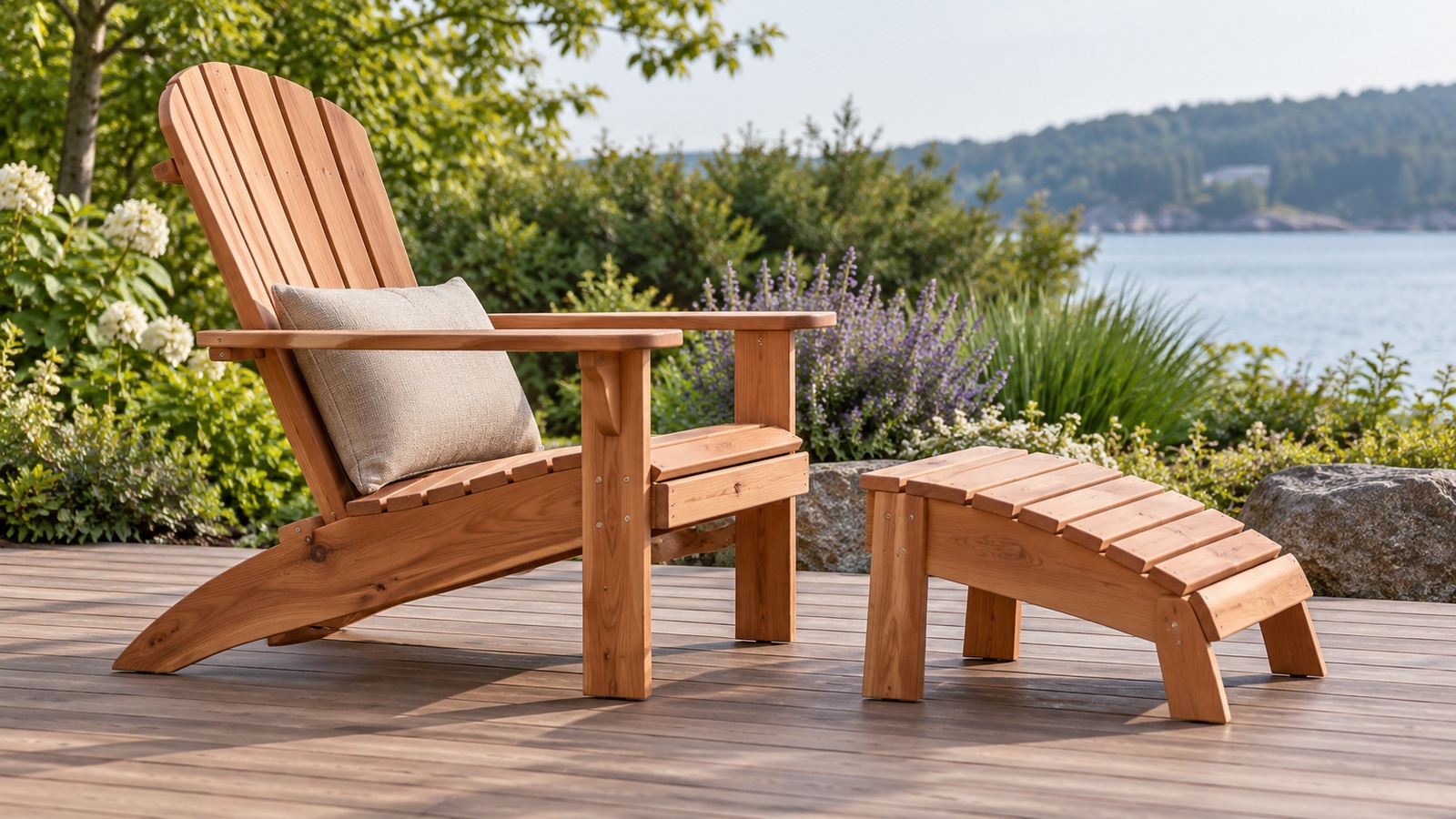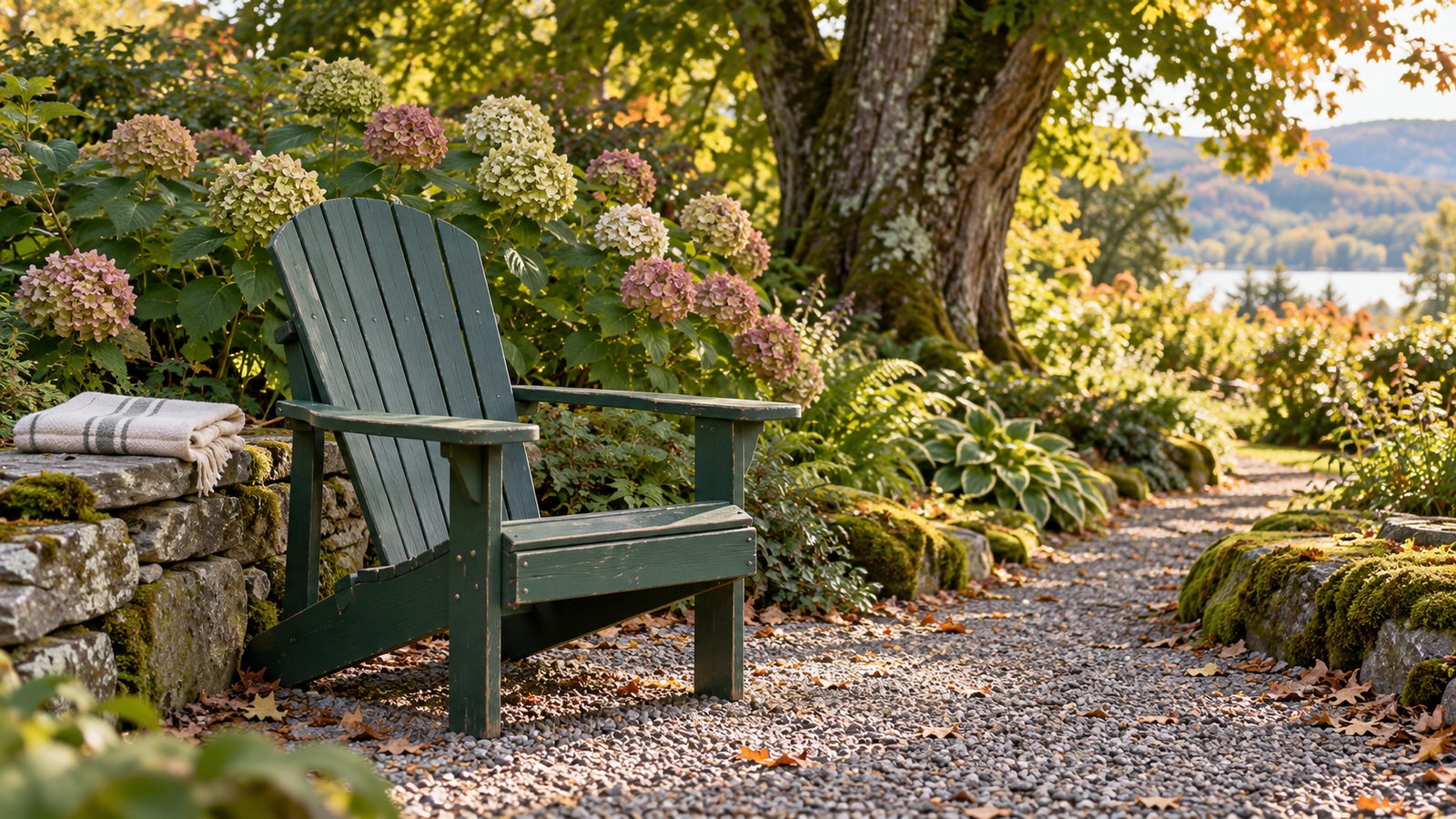
Value That Shows Up After the First Summer
A new Adirondack chair can make a patio look finished in an afternoon, but its more interesting benefits appear over many ordinary seasons. It may become the place where someone drinks coffee before the house wakes, watches a garden change, or joins a conversation without setting out a complicated seating arrangement. Those habits give furniture a purpose beyond its purchase-day appearance. They also reveal whether the chair was a good choice: comfortable enough to use, practical enough to maintain, and suitable for the space as needs evolve. Long-term value is therefore a relationship among the chair, its owner, and its setting. Durable materials help, but useful dimensions, accessible repairs, and realistic care expectations help determine whether an Adirondack remains welcome years later.
A: No. Useful life depends on the particular construction, exposure, condition, and care.
A: Repeated comfortable use and a practical place in the outdoor layout.
A: It does not establish suitability, repair support, or manageable maintenance by itself.
A: The model information, purchase record, parts diagram, and original care instructions.
A: Appearance changes and structural concerns need separate assessment.
A: Start with the maker's support route for the exact model and version.
A: Yes, when the chair stays sound and useful, although that alone does not prove a complete environmental comparison.
A: Consider reassignment or a more suitable seat rather than equating intact construction with continued fit.
A: State its condition, known repairs, and limitations honestly.
A: No. Local acceptance rules apply to the finished product and its materials.
A Familiar Seat Can Make Outdoor Time Easier
One lasting benefit is readiness. A chair already positioned in a pleasant spot removes the small hurdle of finding somewhere to sit. A visitor can step outside for a few minutes without carrying furniture through a doorway or rearranging a dining area. When this happens repeatedly, the chair becomes part of how the property is used, rather than an object reserved for special gatherings.
That usefulness depends on placement. A seat with a lovely distant view may see little use if reaching it means crossing wet grass or negotiating an awkward step. A less dramatic location near an everyday route can serve more often. Think about shade, walking surfaces, and where a drink can safely rest as part of the furniture decision.
Repeated use also exposes poor fit quickly. A chair that looks inviting but makes standing difficult for a regular sitter will not gain value simply by surviving outside. Try the actual sitting and rising experience before committing to several chairs. Familiarity should grow from comfortable use, rather than from putting up with an unsuitable design.
The Shape Can Outlast a Particular Decorating Phase
Adirondack chairs have a recognizable outline that can remain useful as surrounding decoration changes. A garden may move from brightly planted borders to quieter grasses, while the same pair of chairs continues to provide a visible place to pause. This adaptability comes from scale and silhouette as much as color. A chair that suits the architecture and available space has more opportunity to stay relevant.
Finish choices can either support or limit that flexibility. A natural wood tone or a restrained painted color may work through several rounds of cushions and planting, while a very specific accent deserves a more deliberate commitment. Neither choice is automatically better. Consider whether you enjoy repainting and restyling or prefer to leave the main furniture visually steady.
Material Longevity Is Conditional
Wood, recycled-plastic lumber, and other outdoor materials bring different maintenance demands. Their useful lives cannot be reduced to a single promise for the entire Adirondack category. Construction, exposure, hardware, finishes, and care all influence how a particular chair performs. A sheltered porch and a fully exposed coastal terrace are different assignments even when the chairs look identical.
Wood deserves special attention to moisture and finish condition. The USDA Forest Products Laboratory’s guidance on finishing wood explains how finishes relate to surface protection and appearance. That does not establish a universal service life for a finished chair. It provides a better reason to follow the product’s instructions and inspect vulnerable areas than to assume that a painted surface permanently protects every connection.
For manufactured materials, read the care information for the actual product. A generic description such as weather-resistant does not answer whether the material tolerates a particular cleaning method or whether exposed hardware needs attention. Long-term ownership becomes easier when those questions are settled before delivery. It also becomes easier to recognize when damage requires action rather than another round of cleaning.
Buying for the real site can prevent a costly mismatch. Record whether chairs will sit under a roof, near irrigation, beside a pool, or in a place where winter storage is difficult. Use those conditions when comparing models. Durability claims are most useful when connected to a specific environment and a clear maintenance routine.
Repair Options Can Preserve a Useful Chair
A damaged component does not always mean the whole chair must be replaced. Depending on the design and manufacturer, replacement hardware or individual parts may be available. That possibility is valuable only when the appropriate part can be identified and installed safely. Keep assembly instructions, purchase details, and the model information where you can find them after the original packaging has gone. A readable parts diagram can save time when a fastener goes missing or a component develops a problem.
Maintenance Becomes More Predictable With a Routine
The advantage of a familiar chair is that its care can become familiar too. After one or two seasons, an owner often knows where debris collects, which surfaces dry slowly, and which connections deserve a closer look. Instead of treating maintenance as an occasional rescue project, use those observations to create a manageable routine. The routine should follow the manufacturer’s instructions and the chair’s actual exposure.
Cleaning and inspection work well together. As you remove loose dirt or prepare an approved wash, look for movement in joints, damaged surfaces, and changes around fasteners. These observations do not require dismantling a sound chair every time. They help identify a problem while it is still localized, before someone sits on furniture whose condition has become uncertain.
Finish maintenance is easier to plan when appearance and structure are considered separately. A faded color might be an aesthetic issue, while a loose load-bearing connection requires a different response. Do not cover a structural concern with a cosmetic refresh. If the appropriate repair is unclear, consult the maker or someone qualified to assess the furniture.
Purchase Price Is Only One Part of Ownership
A lower purchase price can be attractive, especially when furnishing several seats, but it does not describe the entire commitment. Assembly time, cleaning supplies, protective storage, replacement parts, and eventual disposal all contribute to ownership. Some of these costs are financial; others involve effort or space. A chair that fits your routine may offer better practical value than one with an appealing price and care demands you are unlikely to meet.
Compare those demands honestly rather than trying to manufacture a precise lifetime savings figure. Unless there is reliable information for the models and conditions involved, a claim that one chair will pay for itself is speculation. A useful comparison identifies foreseeable obligations and explains which ones your household can comfortably handle. That makes the decision more resilient even when future weather or use differs from expectations.
Several Chairs Can Build a Lasting Social Arrangement
The value of a group often lies in how naturally people use it. Two chairs angled toward each other can support a conversation while keeping a view available. A third chair might accommodate a frequent guest without turning the area into a formal dining setting. The important measurement is not how many chairs appear in a catalog photograph, but whether people can reach them, sit comfortably, and move around the group.
Keep differences among users in the arrangement. One person may prefer an upright or higher seat, while another enjoys a deeper lounge position. Adirondacks do not need to be the only furniture present for their benefits to last. A mixed seating area can remain useful to more people as visitors and household needs change.
Accessories should earn their space. A side table may support the daily use of two chairs, whereas several footrests could make the same corner difficult to navigate. Start with what people actually need and add selectively. A modest arrangement that stays convenient can provide more long-term enjoyment than a crowded collection assembled all at once.
Moving and Storing the Chair Affects Its Future
A chair’s usefulness can change when the household moves or the property layout evolves. Before buying, consider how the furniture passes through gates and doorways and where it can be stored. A rigid chair with generous arms may be comfortable in its final location but awkward along the route to a shed. Folding models offer different handling possibilities, although their hinges and locking mechanisms create their own inspection requirements.
Storage should reduce exposure without creating another problem. A poorly ventilated, damp corner can undermine the purpose of bringing furniture indoors. Check the chair’s care instructions, make sure it is appropriately clean and dry, and select a stable place where it will not be crushed by other belongings. The best storage method is one the owner can repeat safely each season.
Keeping Furniture Longer Can Reduce Replacement Demand
Using a suitable chair for more seasons avoids some of the purchases that would otherwise follow frequent replacement. That is a practical benefit, but it does not prove that every Adirondack has a smaller environmental footprint than every alternative. Material production, transport, maintenance, and end-of-use options differ. Claims about recycled content or certified wood should be checked for the actual product and its documented scope.
Repairability belongs in this discussion because it gives ownership an option between tolerating damage and discarding the whole item. For example, POLYWOOD provides a route for ordering replacement hardware. That is a specific service example, rather than evidence that all outdoor-chair brands offer interchangeable parts. Investigate the support available for the model you intend to buy.
Resale or donation may extend usefulness when a sound chair no longer suits its first home. Be candid about its condition, including repairs and any remaining limitations. Furniture with a structural concern should not be presented as ready for ordinary use. A responsible transition preserves the value of a good chair without passing an unresolved problem to someone else.
Eventually, some furniture reaches the end of its useful life. Disposal or recycling options depend on material, construction, and local acceptance rules. Avoid assuming that a recycling symbol or a recycled-content claim guarantees local collection of the finished chair. Checking those options early gives a more realistic picture of long-term ownership.
The Best Benefit Is Continued Suitability
A chair can remain physically intact while becoming wrong for its owner. Changes in mobility, household size, or how an outdoor area is used may call for a different height, arrangement, or seating type. Recognizing that change is part of sensible long-term ownership. A replacement or reassignment can be appropriate even when the original purchase was a good decision.
Review the chair through actual experience at the end of a season. Consider whether people chose it, whether care felt manageable, and whether its place in the layout still works. These observations are more useful than preserving a purchase simply because it was meant to last. They also help identify which features should guide any future addition.
The lasting benefits of Adirondack chairs are earned through useful sitting, suitable construction, and care that fits ordinary life. A recognizable design can provide continuity as the garden grows and the household changes. When the furniture remains comfortable, supported, and welcome in its setting, its value is visible in repeated use rather than in an unsupported promise of forever.