
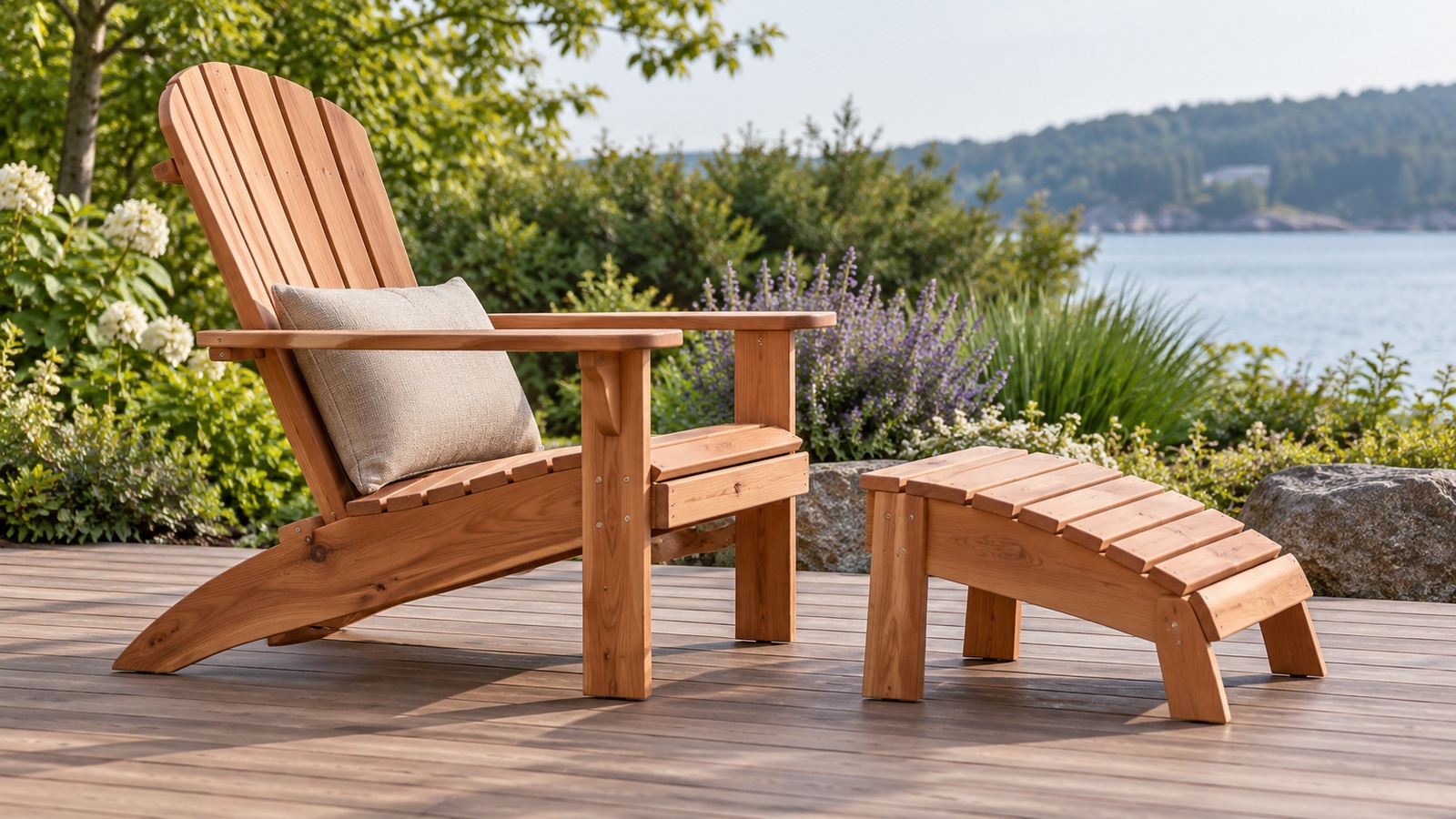
Support Comes from Fit, Not the Chair’s Name
An Adirondack chair can offer a comfortable supported position outdoors, but its familiar shape does not automatically create one correct posture for every person. Seat depth, back contour, arm height, and the way the feet rest all influence the actual experience. A recline that feels natural to one sitter may leave another sliding forward, reaching for support, or struggling to stand. The useful question is therefore how a particular chair supports a particular body during a particular activity. Looking at that relationship helps buyers move beyond photographs and broad ergonomic claims. It also explains why cushions and footrests should be assessed as part of the whole sitting arrangement rather than as automatic upgrades. A well-chosen chair allows a relaxed position, reasonable freedom to adjust, and a manageable transition into and out of the seat. Those practical qualities provide a grounded way to discuss posture without promising that outdoor lounge furniture can treat a condition or replace individual clinical advice.
A: No. Its support depends on the specific model, the sitter, and the activity.
A: Its broad support and movement principles can inform observations, but the use contexts differ.
A: That shows whether the complete seated position fits instead of testing two relationships separately.
A: Yes. It can move the sitter forward and alter effective seat depth and arm reach.
A: No. Entry, exit, leg position, and personal preferences vary.
A: The arm height or overall setup may not suit that sitter.
A: No. Its benefit depends on the user's position and the surrounding layout.
A: Allow ordinary changes and movement rather than treating a fixed pose as the goal.
A: No. Individual needs should be addressed through appropriate professional guidance.
A: Try normal sitting, arm and foot contact, position changes, and standing in the actual model.
Distinguish Lounge Support from Task Seating
Adirondack chairs are generally associated with relaxed outdoor sitting rather than close work at a desk. Their reclined geometry changes how the body relates to a nearby table, book, or other object. A position that feels comfortable while looking at the garden may be awkward for sustained forward-reaching work. Start by identifying the activity. The same chair need not be the best choice for every kind of sitting. A trial should include the clothing and ordinary footwear used outside, because the complete sitting arrangement matters more than a pose held briefly for a showroom comparison.
General ergonomic guidance can help frame the observations without turning the lounge chair into a workstation. OSHA’s workstation guidance emphasizes supported feet and back position, and encourages changes in position rather than remaining fixed for long periods. Its context is computer work. When considering outdoor furniture, use those broad support and movement principles as questions to investigate, not as proof that a specific Adirondack model meets workstation requirements.
Start with the Feet and the Surface
Observe whether the feet have a comfortable resting position when the sitter is supported by the back. A seat that is too high or too deep can make that relationship difficult. A footrest may be useful in some setups, but its height and location should suit the actual sitting position. Test it with the chair rather than assuming any matching accessory improves support. The ground beneath the furniture should also be stable and suitable for the product, so the sitter is evaluating the chair instead of compensating for unexpected movement.
Seat Depth Determines Where Support Meets the Legs
A seat should allow the person to use the back without an uncomfortable forward edge pressing behind the knees. Adirondack models vary in depth, slope, and front-edge treatment, so the outline alone does not settle the fit. Sit normally and notice whether you can remain supported without repeatedly shifting forward. This observation is more useful than treating a deeper seat as automatically more comfortable.
Shorter and taller users can experience the same dimensions differently. A household with several regular sitters may need a compromise or a second seating format. Do not judge the chair only through the person whose proportions happen to match it most easily. Comfortable shared outdoor seating can include related chairs with different dimensions. Consistent visual style does not require identical fit for everyone.
The front transition should feel pleasant against the legs. Some designs use a shaped leading slat or a curved sequence of seat components. Inspect those areas for roughness as well as shape. A good geometric fit can still be interrupted by an unfinished edge. Contact quality belongs in a posture discussion because discomfort at one point can encourage the sitter to adopt an awkward position elsewhere.
Back Contour Matters Beyond the Recline Angle
The back’s overall angle does not tell you how it contacts the body. Slat width, contour, and the shape of the lower back area can change the experience substantially. A flat design and a contoured one may look equally inviting while distributing contact differently. Test the specific model long enough to notice where support is comfortable and where it is absent. Avoid treating a curved outline as proof of ergonomic suitability.
A small cushion may help some sitters adjust the contact, but it is not a universal correction. Its thickness can change the effective seat depth and the way the shoulders meet the back. Evaluate the entire position after adding it. If a chair still makes the person continually reach or slide to find support, another model may be more suitable than building a stack of accessories around an unresolved fit problem.
Arm Height Influences the Upper-Body Position
The arms should provide a useful resting place without making the sitter hold the shoulders awkwardly. Check their relationship to the body in the normal reclined position. A broad attractive surface can be too high, too low, or too far away for a particular person. This is another reason exact proportions matter. The Adirondack label communicates a furniture family, not one standardized body relationship.
Width also affects reach. Some sitters may rest comfortably with the arms farther apart, while others prefer a narrower arrangement. Notice whether the person has to reach sideways to use the surfaces. The experience should not be judged solely by whether the chair looks generous. Visual breadth and comfortable support need to agree for the actual user.
Accessories can alter this relationship. A thicker seat pad raises the body relative to the arms. A back cushion can move the sitter forward and change where the forearms rest. Test the chair as it will be used, including any regularly installed padding. Comparing the bare frame with a photograph of a fully cushioned seat can otherwise conceal the position the household will actually experience.
The arms also commonly help during position changes and standing, so their construction and condition matter. Follow the manufacturer’s guidance for use and inspection. An arm that shifts unexpectedly undermines confidence as well as comfort. Support is a relationship between dimensions and dependable behavior. The chair should remain predictable while the person moves within its intended use.
A Comfortable Position Still Needs Room to Change
Outdoor sitting should permit ordinary adjustments rather than trapping the person in one carefully arranged pose. Leave room around the chair for legs, nearby surfaces, and standing movement. A tight arrangement can make a suitable seat feel less comfortable because every shift encounters another object. Clearance is therefore part of the support system, even though it is not built into the chair itself.
It is reasonable to change position, stand, and move during a longer period outdoors. The chair should support a pause without suggesting that stillness is the goal. A model that allows manageable entry and exit makes those transitions easier to incorporate into ordinary use. Judge the full experience rather than only the moment when someone first reclines. Comfort over time includes the ability to leave the seat when desired.
Footrests Can Help or Complicate the Arrangement
A footrest adds another surface whose dimensions and position need to suit the user. It should not require an uncomfortable stretch or create pressure that the person must keep adjusting around. Try the chair with and without it to understand the difference. A matching product name does not establish that every sitter benefits from the combination. The accessory is useful when it supports the desired position comfortably.
Placement must also leave a practical route to the chair. A footrest can occupy the area where the person needs to put the feet while standing. Consider where it will go between uses if it is movable, and follow its handling instructions. The arrangement should remain understandable without requiring a risky step over furniture. Supporting a relaxed position should not make the transition out of it unnecessarily complicated.
For some activities, a footrest may simply be unnecessary. A person reading briefly or sitting for conversation may prefer clear ground in front of the chair. Another sitter may value an appropriate support during a longer lounge session. Let the user’s experience determine the choice. An optional piece should remain optional rather than becoming part of an assumed ergonomic package.
Check Entry and Exit as Carefully as Sitting
Low seating and deep recline can make standing more demanding for some people. Test the ordinary transition in a suitable setting before purchase. If the person feels uncertain, another seat height or a different outdoor chair format may offer a better fit. The goal is comfortable access, not proving that the sitter can adapt to a preferred silhouette. A higher interpretation can preserve some Adirondack character while serving different needs.
Evaluate Claims through Observable Details
A product may be described as ergonomic without explaining which features that description refers to. Ask for the exact dimensions, the contour information, and the instructions relevant to use. Look for a chance to test the model, or investigate return conditions if buying remotely. Clear specifications make a claim easier to assess than a broad statement that a chair supports proper posture. Product suitability remains specific to the user.
A showroom trial should reproduce normal sitting rather than a brief perch on the forward edge. Lean into the back, rest the arms, and notice the feet. Then stand in the ordinary way and consider the space needed around the seat. If several household members will use it, include their experiences where practical. The trial should establish what the chair actually does rather than confirm what its appearance suggested.
When an existing health condition affects sitting, use individual professional guidance to identify appropriate support and access needs. An outdoor furniture description cannot resolve that personal question. This does not make ordinary chair assessment complicated for everyone. It simply keeps a product’s lounge features separate from a therapeutic promise. A suitable seat can be enjoyable without being presented as a medical solution.
Choose Support You Can Recognize in Use
A good Adirondack fit feels understandable. The sitter can use the back, rest the arms, find a comfortable position for the feet, and adjust without fighting the chair. The surfaces are pleasant, the frame is dependable, and the surrounding layout permits ordinary movement. These are concrete observations a household can make. They are more useful than searching for one universal angle or one supposedly perfect outdoor posture. Reassess the fit if cushions, placement, or the user’s needs change. A setup that once worked may need a different accessory or a different seat. Small practical adjustments can help when the underlying chair remains appropriate. If they do not, acknowledge the mismatch rather than turning comfort into a project of endless compensation. The right furniture should support the intended sitting experience with reasonable ease.
The title’s promise is best read conditionally: Adirondack chairs can support comfortable outdoor sitting when their proportions and setup fit the person. Their recline and broad arms provide useful possibilities, not automatic results. Choose through actual support, contact, access, and movement. That approach keeps the discussion grounded in the chair people will use and the body that will sit in it.


