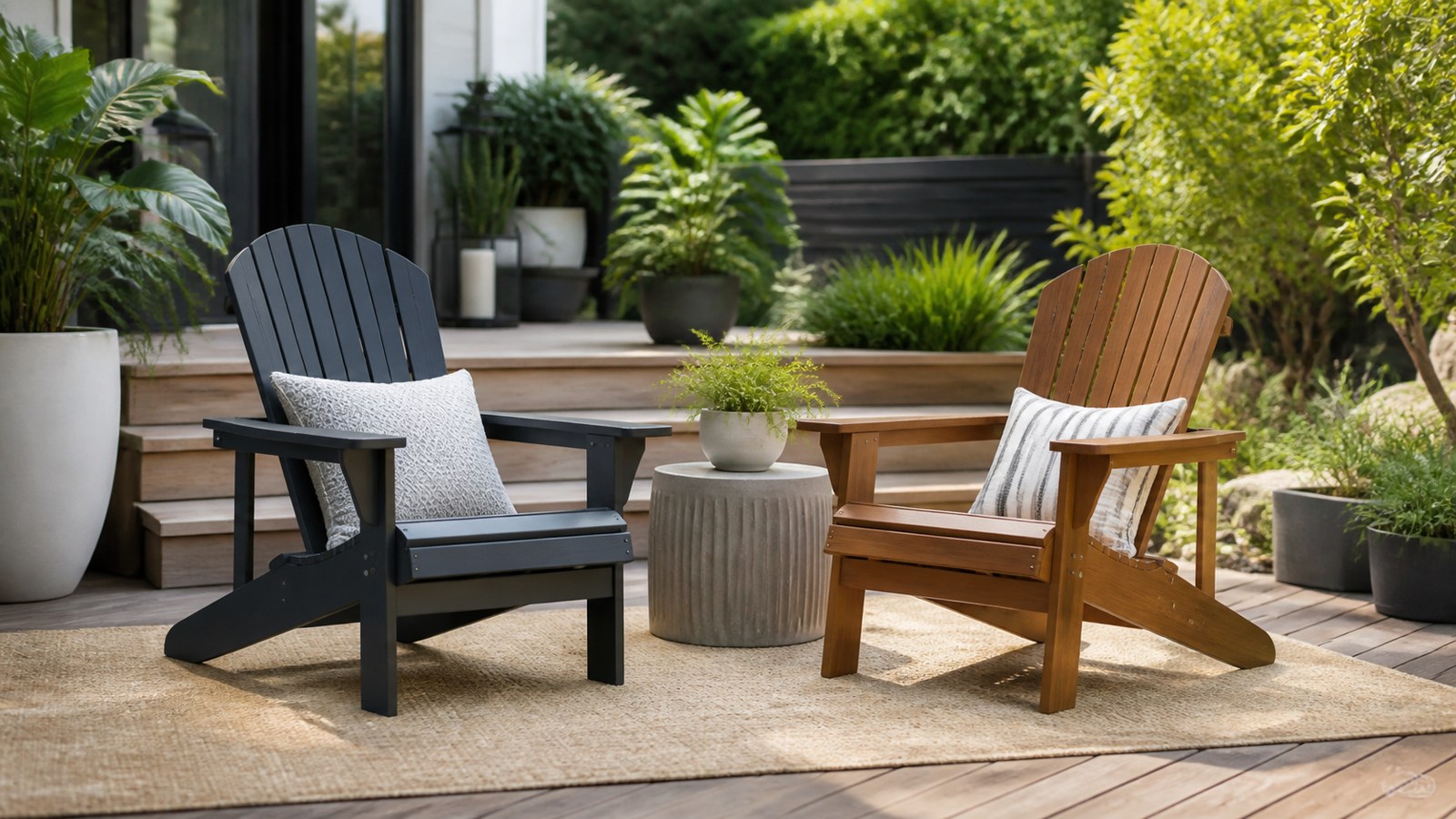
A Chair That Stands the Test of Time
The Adirondack chair is one of the most recognizable pieces of outdoor furniture in the world. Its wide slatted back, deep angled seat, and broad paddle arms make it instantly identifiable, and for more than a century it has remained a symbol of leisure and comfort. Unlike trends that fade quickly, the Adirondack chair has endured, evolving while staying true to its original spirit. Its story combines timeless design, cultural significance, and adaptability, which together explain why it continues to hold such a special place in gardens, porches, patios, and lakefronts.
The chair was originally invented in the early 1900s in the Adirondack Mountains of New York, designed to handle uneven terrain and provide a comfortable seat outdoors. Since then, it has become more than a regional invention; it is a cultural icon across North America and beyond. People see Adirondack chairs and immediately imagine relaxation, whether it is by the water, around a firepit, or on a cottage deck. This instant association with rest and outdoor living has kept the chair relevant for generation after generation.
A: Wood feels classic; HDPE is ultra low-maintenance and colorfast.
A: Use exterior oil or marine varnish; refresh annually or as needed.
A: Choose a slightly higher seat (16–18") or add a footstool for leverage.
A: Prep is everything: sand, prime, and use premium exterior paint.
A: Go for quick-dry foam and solution-dyed acrylic fabrics.
A: Yes—just clean seasonally with mild soap and water.
A: Look for compact or folding models with a narrower arm profile.
A: Deeper lumbar curve, contoured seats, and wider arms for comfort.
A: 35–50 lb (HDPE) resists gusts; add glides, not ties.
A: DIY is rewarding; buying gets pro finishes and warranties—both are wins.
Origins in the Mountains
The Adirondack chair’s history begins with Thomas Lee in the early 1900s. On vacation in Westport, New York, Lee wanted to create a chair that would work well on the sloped terrain of the Adirondack Mountains while providing a stable, comfortable seat for his family. He experimented with pieces of wood until he arrived at a design with a slanted seat and a high back that angled slightly backward. The broad arms provided not just comfort but also practicality, acting as a built-in surface to hold a drink, a book, or even a fishing tackle box. Lee’s design was simple yet ingenious, and it became known locally as the Westport chair. Eventually, his friend Harry Bunnell recognized its potential and patented the design, producing chairs that became popular with vacationers and residents of the Adirondacks. Though the name “Adirondack chair” was adopted later, the design’s association with the rugged but beautiful mountain region gave it a sense of rustic charm that has never faded.
The Appeal of Comfort and Functionality
The Adirondack chair’s enduring popularity is partly due to its combination of comfort and functionality. The slanted seat and reclined back encourage relaxation, inviting the sitter to lean back and enjoy the scenery. Unlike upright dining chairs, the Adirondack is designed specifically for leisure. Its low profile makes it stable on grass, sand, or uneven ground, a feature that speaks directly to its origins in the outdoors. Equally important are the wide, flat arms that set the Adirondack apart from most other chairs. They serve as a natural resting place for the arms but also function as small side tables. This blend of comfort and utility has kept the chair relevant even as outdoor furniture trends have changed. Whether made from traditional wood or modern HDPE plastics, the Adirondack chair has preserved its unique combination of practicality and ease.
A Symbol of Outdoor Living
Cultural significance is another reason Adirondack chairs remain popular. They are strongly associated with outdoor living, relaxation, and a slower pace of life. Seeing a pair of Adirondack chairs facing a lake, an ocean view, or a firepit instantly conveys a message of tranquility. They represent time spent in nature, whether at a mountain lodge, a beach house, or a backyard retreat.
The chair has also become a symbol of hospitality. Many resorts, inns, and vacation rentals place Adirondack chairs in prominent spots, encouraging guests to sit down and unwind. This association has reinforced the image of the chair as the perfect companion to moments of peace and leisure. As people seek escapes from busy, technology-driven lives, the Adirondack chair continues to resonate as a simple, reassuring reminder of comfort.
Adaptability Through Materials
One of the reasons the Adirondack chair has endured is its adaptability. Early versions were built from local wood, such as hemlock or cedar, which blended naturally into outdoor settings. Over time, manufacturers experimented with different materials, creating chairs that could withstand changing climates and meet new aesthetic demands.
Today, the Adirondack chair is available in a wide range of materials, from traditional hardwoods like teak to weather-resistant modern options such as HDPE poly lumber. The introduction of recycled plastics has been especially influential, as it allows the chairs to resist fading, cracking, and rotting while also offering a sustainable alternative. This flexibility has allowed the chair to remain popular not only in rustic mountain cabins but also in coastal homes, suburban backyards, and even urban rooftop terraces.
Regional Identity and Cultural Spread
Although the Adirondack chair originated in New York, it quickly spread throughout North America. In Canada, it became known as the Muskoka chair, named after the cottage region of Ontario. In coastal communities, it has become synonymous with beachfront living, often painted in bright colors to reflect the vibrancy of seaside towns. This regional adaptability shows how the chair has transcended its origins while maintaining its essential design. Whether rustic or colorful, wooden or plastic, the Adirondack chair has embedded itself into different local cultures, always standing for the same core ideas of leisure and outdoor enjoyment. Its ability to resonate with different communities while keeping its recognizable form demonstrates its cultural versatility.
The Role of Design in Longevity
The Adirondack chair is a perfect example of how thoughtful design can achieve timelessness. The balance of form and function has meant that the chair has never gone out of style. Designers often speak of “honest design”—creations that fulfill their purpose without unnecessary embellishments. The Adirondack chair embodies this philosophy, which is why it has remained relevant even as trends in outdoor furniture have shifted dramatically.
Its structure is ergonomic, offering support to the back and legs while maintaining a sense of openness that encourages lounging. At the same time, it is visually appealing, with clean lines and a solid presence that blends well with natural surroundings. These design qualities ensure that the chair does not feel outdated, no matter how much time passes.
The Adirondack in Popular Culture
Beyond physical comfort and practicality, the Adirondack chair has entered popular culture as a symbol of relaxation. It appears in films, magazines, advertisements, and photography as shorthand for escape and rest. Lifestyle marketing frequently uses Adirondack chairs in imagery designed to sell vacations, retreats, or luxury outdoor living, and audiences instantly understand the message.
This cultural ubiquity reinforces the chair’s enduring presence. Even people who may not own one still recognize it and associate it with positive feelings. The power of this cultural imagery ensures that the Adirondack chair is more than furniture; it is part of a shared visual vocabulary of leisure.
Sustainability and Modern Values
In recent decades, sustainability has become increasingly important in consumer choices, and the Adirondack chair has adapted to fit this priority. Manufacturers now produce chairs from recycled plastics, promoting eco-friendly practices without sacrificing durability or style. The ability of the Adirondack chair to align itself with modern values has strengthened its relevance. Consumers who purchase Adirondack chairs made from recycled HDPE not only enjoy long-lasting furniture but also contribute to reducing plastic waste. This alignment with environmental responsibility resonates particularly with younger generations, ensuring that the chair continues to appeal across age groups. Its capacity to evolve while staying recognizable is one of its greatest strengths.
Seasonal Rituals and Emotional Connection
Part of the Adirondack chair’s charm lies in the seasonal rituals associated with it. For many, bringing Adirondack chairs out of storage in the spring signals the beginning of warmer days. Setting them around a firepit in autumn becomes a way to extend evenings outdoors. In coastal or cottage regions, they mark the rhythm of summer life, offering a constant companion to sunsets and gatherings. These emotional connections add to their enduring popularity. The chairs become part of family traditions, associated with memories of vacations, barbecues, and quiet mornings with coffee. Over time, they transcend mere utility and become symbols of personal history, further deepening their cultural significance.
The Future of Adirondack Chairs
Looking ahead, the Adirondack chair shows no signs of fading from popularity. Its combination of comfort, cultural symbolism, and adaptability ensures it will remain relevant in a rapidly changing world. New materials, fresh colors, and modern design variations will continue to expand its reach, while its core form will stay recognizable. Whether painted in bold coastal hues, crafted from fine hardwoods, or molded from recycled plastic, the Adirondack chair carries its legacy into the future. Its role as a symbol of leisure and relaxation will likely endure as long as people continue to seek refuge outdoors. The timeless qualities that defined it in the Adirondack Mountains over a century ago are the same qualities that guarantee its place in the modern world.
Why the Adirondack Endures
The Adirondack chair’s enduring popularity can be explained by its perfect blend of design, function, and cultural resonance. From its invention in the early 20th century to its widespread presence today, it has never lost its charm. Its adaptability to new materials and modern values ensures that it continues to evolve while staying true to its roots. Most importantly, the Adirondack chair captures something universal: the human desire to rest, relax, and enjoy the beauty of the outdoors. It is more than a chair; it is a cultural symbol, a design triumph, and a piece of history that continues to invite people to sit back and savor life.