A Chair That Defines Outdoor Relaxation
The Adirondack chair is one of the most enduring and recognizable pieces of outdoor furniture ever created. Known for its wide armrests, angled backrest, and slanted seat, it has become both a practical and symbolic object. It is not just a chair; it is a cultural marker of leisure, a design icon, and a trusted companion for porches, patios, beaches, and mountain retreats. Its popularity over the past century reflects more than its comfort. The Adirondack chair embodies values of simplicity, function, and timeless appeal, making it an unmatched blend of utility and iconic design.
A: The recline, seat tilt, and broad arms distribute pressure and cue an “off-duty” posture.
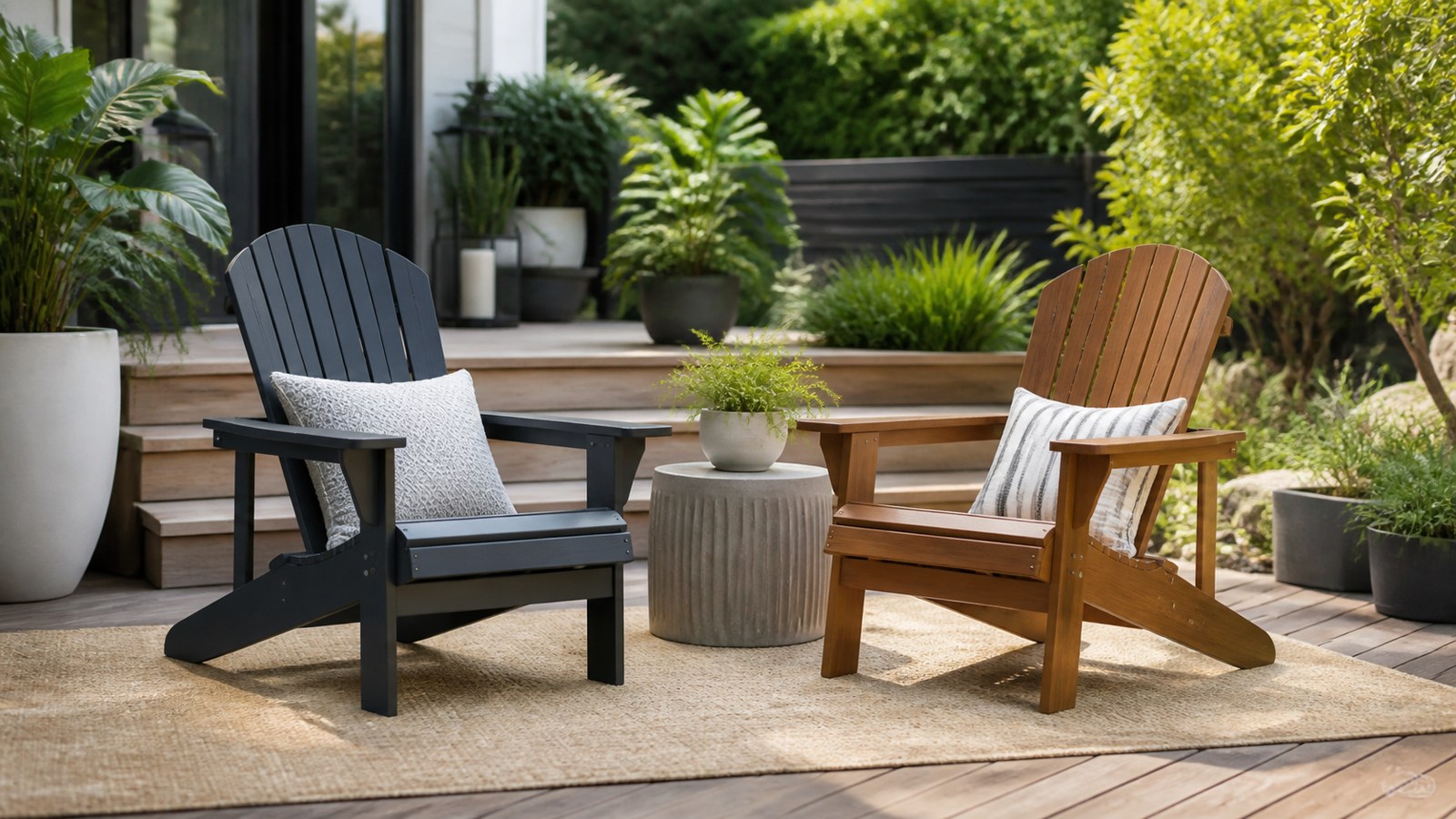
A: Wood = warmth and patina; HDPE = low maintenance and stable color.
A: 14–16" for loungey hangs; 16–18" for easier stand-ups at parties.
A: Optional—contoured seats are comfy; head pillows/ottomans extend sessions.
A: 3–5 chairs in a crescent around a low focal point; angle 10–15° inward.
A: Choose light colors, add shade, and favor breathable, quick-dry fabrics.
A: Pick heavier builds, cluster around a table, or use discreet anchors.
A: Paint = UV shield + color statement; oil = grain-forward with easy refresh.
A: Yes—repeat one element (color, cushion, or table material) to unify the set.
A: Mild soap + soft brush + rinse; avoid harsh solvents on any finish or plastic.
Origins in a Summer Experiment
The Adirondack chair’s story begins in 1903 in Westport, New York, where Thomas Lee sought a chair that could provide reliable comfort during his family’s summer stays in the Adirondack Mountains. After experimenting with wooden planks, Lee developed a prototype with a high back and wide arms that worked perfectly on the uneven mountain ground. His family praised the design, and it soon became a local favorite.
Lee’s neighbor, Harry Bunnell, recognized the commercial potential. In 1905, he patented the chair—without Lee’s knowledge—and began selling it as the “Westport chair.” Built from hemlock and basswood, Bunnell’s chairs were rustic, durable, and practical. These early Adirondack chairs became staples at cabins and summer retreats, capturing the ethos of natural living that the Adirondacks represented. Their roots in handmade craftsmanship and their connection to a specific place are still part of their identity today.
Comfort Engineered Into Every Angle
One of the main reasons Adirondack chairs remain iconic is their ergonomics. The seat slants downward toward the back, positioning the sitter in a natural recline that eases pressure on the spine and legs. The tall backrest supports shoulders and neck, while the wide arms provide stability and function. Drinks, books, and even meals can rest comfortably on these flat arm surfaces, eliminating the need for side tables.
Unlike many upright chairs designed for brief sitting, Adirondacks encourage long, restful lounging. Their very shape communicates stillness and calm, inviting people to sit back and enjoy the scenery. This focus on comfort set them apart from the beginning and remains at the core of their enduring design.
Rustic Style Meets Everyday Durability
Part of the Adirondack chair’s appeal lies in its rustic, straightforward look. Its sturdy slats and grounded design evoke honesty and simplicity. Early versions were made from local woods, often left unfinished to weather naturally into soft gray tones. This weathered appearance became a badge of authenticity, as though the chair itself carried the stories of summers past. Even as design styles shifted over the decades, the Adirondack never lost its rustic charm. Homeowners embraced it as a piece of furniture that did not try to look modern or polished but instead celebrated being functional, approachable, and timeless. This ability to blend into natural settings while still making a design statement gave it a unique niche in outdoor culture.
Suburban Backyards and Postwar Popularity
After World War II, as suburban life expanded across the United States, the Adirondack chair found a new stage. Families moved into homes with lawns, porches, and patios, all spaces that needed practical furniture. The Adirondack, with its affordability and comfort, became an obvious choice. Pine versions painted in bright whites, reds, and greens decorated lawns across the country. These chairs became part of summer culture in the suburbs, arranged around grills, pools, and gardens. They weren’t just furniture—they were extensions of a new way of living that emphasized family leisure, outdoor entertaining, and neighborhood gatherings. Their presence helped define the suburban backyard as a true “living room” under the open sky.
By the Shoreline and at the Water’s Edge
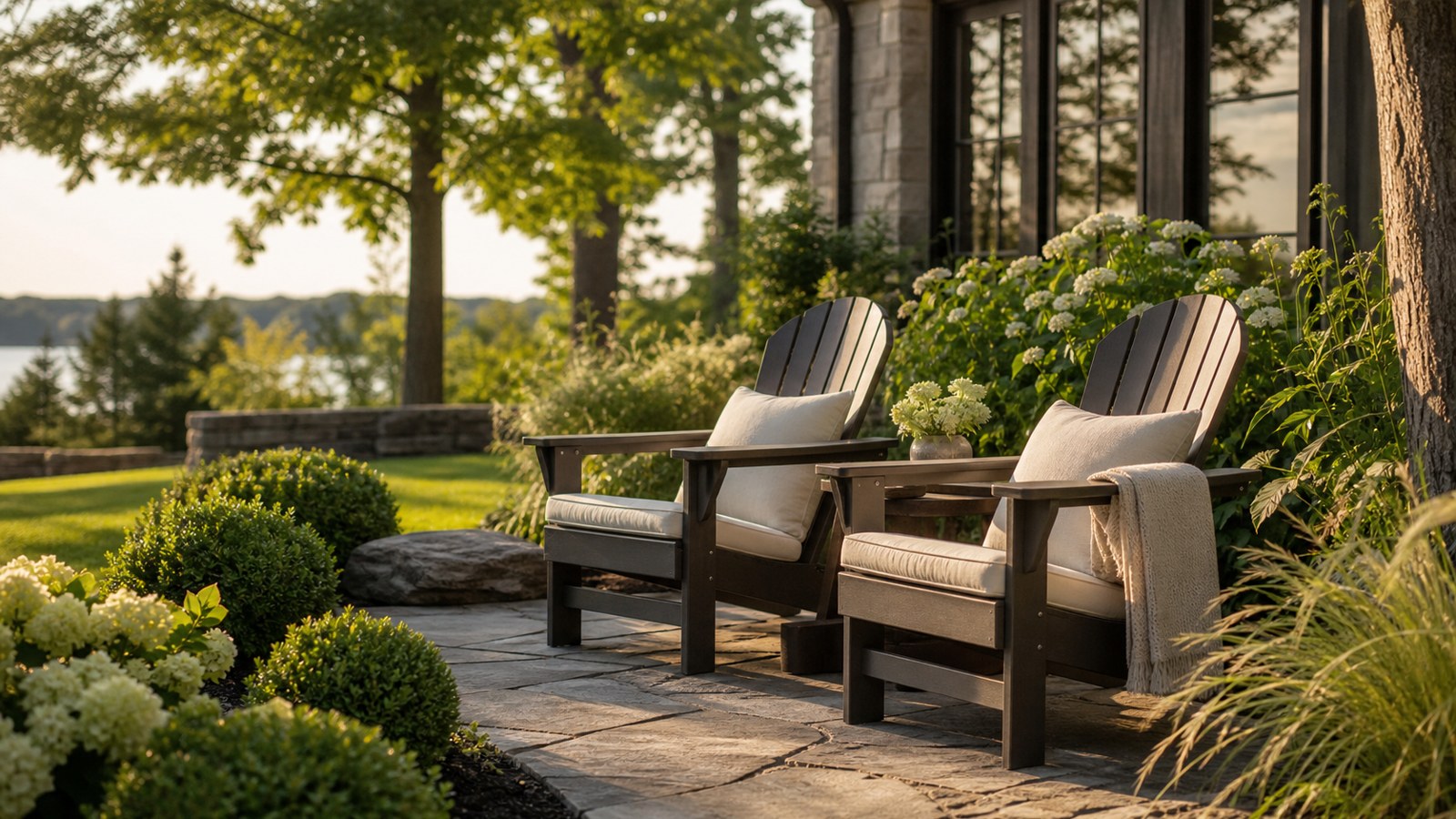
If one setting defines the Adirondack chair, it is the waterfront. From docks on Adirondack lakes to sandy coastal beaches and even poolside decks, the chair has become synonymous with waterside living. Its low, reclined position makes it ideal for watching horizons, waves, or sunsets, while its sturdy construction resists tipping even on uneven ground.
Resorts quickly adopted Adirondacks as marketing symbols. Rows of brightly painted chairs facing the ocean appear in countless brochures, promising peace and relaxation. Municipal waterfronts followed suit, adding them to public spaces to create welcoming gathering areas. Few other chairs have such a strong connection to specific landscapes, making the Adirondack instantly recognizable as a seat of leisure by the water.
Painted Styles and Personal Flair
One of the most significant evolutions of Adirondack design has been the introduction of color. Originally rustic wood, Adirondacks became canvases for paint during the mid-20th century. Coastal towns embraced white and blue versions, while wooded retreats favored greens and browns. Suburban families experimented with bold pastels and bright tones, turning backyards into colorful retreats. Paint not only added personality but also extended the life of softer woods like pine, protecting them from weather damage. Today, Adirondacks are available in an endless variety of hues, from vivid yellow to classic navy, making them both decorative and functional. Rows of multicolored Adirondacks have even been used in public art displays, proving that the chair is as much a creative statement as a piece of furniture.
A Seat That Brings People Together
Adirondack chairs have always played a role in shaping social spaces. Their generous size and comfortable recline make them perfect for conversation. Arranged in semicircles around firepits, they create egalitarian settings where everyone feels included. On porches or patios, they encourage long talks, laughter, and the kind of lingering interaction that defines summer evenings.
Unlike formal dining chairs or stiff benches, Adirondacks signal relaxation and hospitality. They transform outdoor areas into natural gathering spaces where communities and families connect. In this way, their influence extends beyond physical comfort—they shape the social fabric of outdoor living.
Inspiring Generations of Outdoor Design
The Adirondack chair’s success inspired countless variations and influenced the trajectory of outdoor furniture design. Rocking Adirondacks, folding versions for easy storage, double-seated loveseats, and chaise-style loungers all trace their lineage back to the original form. Each new design maintains the essential features—wide arms, slanted seat, sturdy construction—while adapting to specific needs.
Beyond direct adaptations, the Adirondack proved that outdoor furniture could be stylish, comfortable, and symbolic. Its popularity pushed designers to think beyond folding chairs and picnic benches, opening the door to coordinated patio sets, ergonomic lounges, and weather-resistant materials. The ripple effect of the Adirondack’s success can still be seen in today’s outdoor design market.
Materials Through the Ages
The history of Adirondack chairs is also the history of evolving materials. Early versions used hemlock and basswood, reflecting local availability in New York. Cedar soon became a favorite for its natural resistance to insects and decay. Pine dominated mid-century models for its affordability, though it required protective paint. Luxury materials like teak, mahogany, and cypress elevated Adirondacks into upscale gardens and estates. In the late 20th century, plastic resin versions brought affordability and bright colors to millions of households. These lightweight chairs were convenient but often less durable. The 2000s ushered in high-density polyethylene (HDPE), a recycled material that mimics painted wood while resisting rot, fading, and insects. Today, HDPE Adirondacks combine sustainability with longevity, ensuring the chair continues to thrive in modern contexts.
Regional Stories and Local Flavor
Though invented in upstate New York, Adirondack chairs have been embraced across America, each region giving them a unique flavor. In New England, they dot rocky shores and lighthouse porches. In the Midwest, they appear on lake docks and fishing cabins. In the South, they grace magnolia-shaded porches, and on the West Coast, they sit among vineyards and beachfront homes. This regional adaptability highlights the chair’s universal appeal. No matter the landscape, the Adirondack signals comfort and relaxation. Its silhouette has become part of the visual identity of American summers, making it a truly national icon.
From Furniture to Cultural Icon
Adirondack chairs have transcended utility to become cultural symbols. They appear in films, literature, and advertising as shorthand for peace and leisure. A single Adirondack silhouetted against a sunset communicates escape without words. Their outline is used in branding and signage, while public art projects often employ oversized versions as canvases for community creativity. This cultural presence reinforces their iconic status. They are no longer just furniture but emblems of a slower, more mindful way of living. To sit in an Adirondack chair is to participate in a ritual of relaxation that spans generations.
Sustainability and the Modern Consumer
As environmental awareness grows, Adirondack chairs have adapted to meet modern values. HDPE versions made from recycled plastics exemplify sustainability without compromising durability. They can last for decades with minimal care, resisting weather, fading, and pests. Many wood models are now made from responsibly sourced timber, ensuring that tradition aligns with ecological stewardship. This evolution keeps Adirondack chairs relevant for new generations of buyers who want both heritage and sustainability. Their ability to reflect contemporary values while maintaining classic design demonstrates why they remain icons of outdoor living.
An Enduring Legacy of Design and Comfort
The Adirondack chair’s journey from a summer experiment in upstate New York to a worldwide symbol of relaxation is remarkable. It has endured because it blends form and function so seamlessly. Its comfort is unmatched, its silhouette instantly recognizable, and its cultural significance profound. For more than a century, Adirondack chairs have defined how people relax outdoors, shaping porches, backyards, waterfronts, and resorts. They have adapted to new materials, embraced new styles, and inspired countless variations, yet they remain true to their original vision: a chair that makes the outdoors more inviting. Their legacy is not just about furniture—it is about the enduring human need for comfort, connection, and beauty in outdoor spaces.