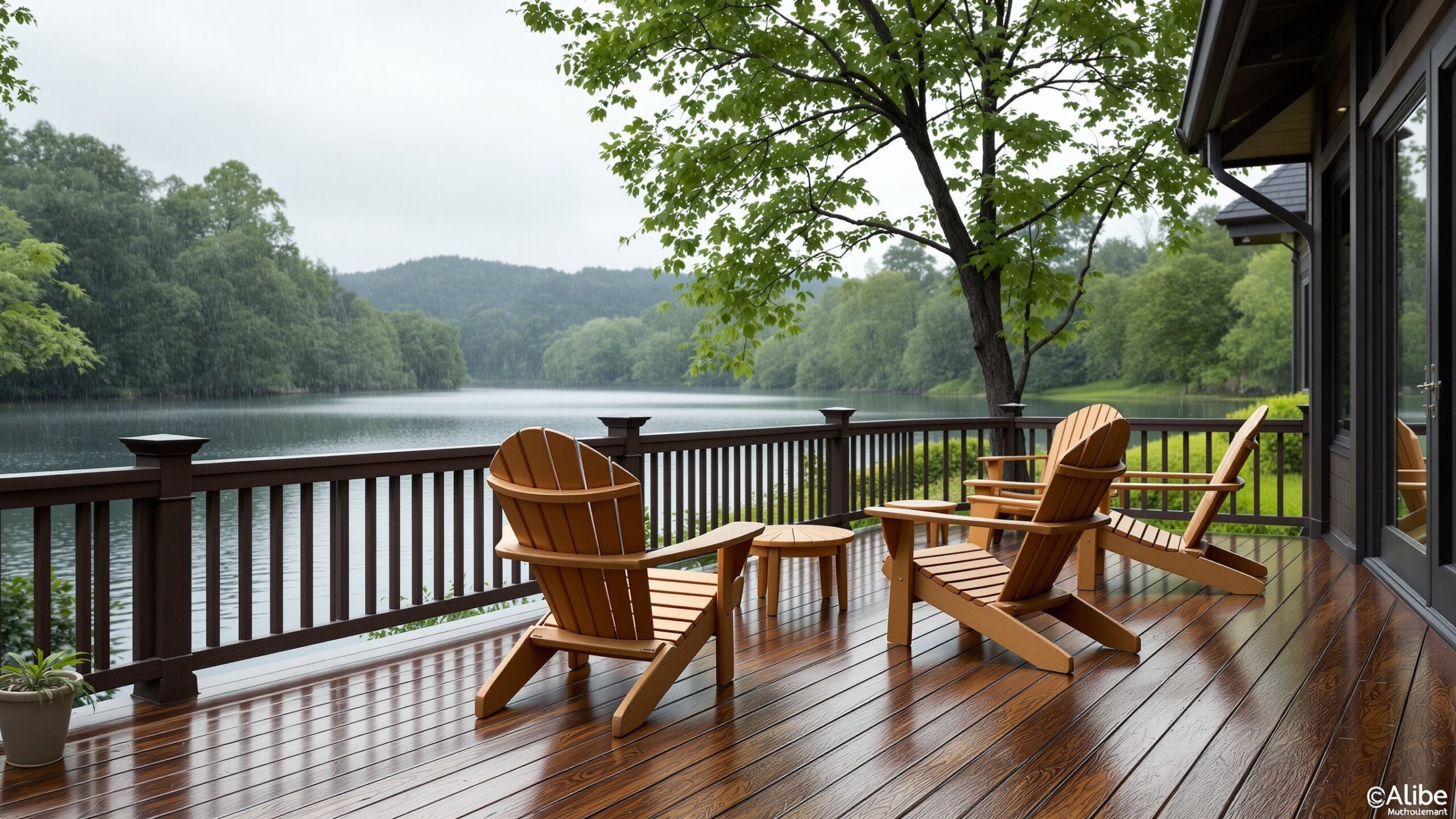
Adirondack chairs have become a symbol of slow living, outdoor comfort, and timeless design. From lakeside docks and mountain cabins to backyard patios and front porches, these wide-armed, slanted-seat chairs seem to promise something modern outdoor furniture often doesn’t: longevity. Many owners ask the same question after years of use—can an Adirondack chair really last a lifetime? The honest answer is that some can, many won’t, but nearly all can last far longer than expected with the right choices and care. Longevity isn’t a matter of luck. It’s the result of material selection, construction quality, environment, maintenance habits, and how the chair is actually used. This guide breaks down what truly determines Adirondack chair lifespan and how you can get as close as possible to a “lifetime chair.”
A: Yes—especially HDPE or premium hardwood—if you keep water from lingering and maintain hardware/finish.
A: Fasteners loosen, end grain absorbs water, and finish breaks down—those three start most problems.
A: Keep the legs off wet ground and let the chair dry fast—airflow and drainage are everything.
A: Paint protects well when prepped correctly; oils are easier to refresh. Long life comes from staying on schedule.
A: At least once a year (and after big temperature swings) to stop wobble from becoming cracks.
A: Yes, but use breathable covers—sealed covers can trap moisture and speed rot/mildew.
A: For rot-resistance and low maintenance, usually yes. For classic feel and repairability, quality wood can also go decades.
A: Thick stock, stainless hardware, reinforced joints, clean drainage gaps, and parts you can replace.
A: Not necessarily. Gray can be normal aging; check structure, tighten, clean, and refinish if you want the color back.
A: Store in a ventilated shed/garage or at least elevate and keep snow from packing into joints.
What “Last a Lifetime” Really Means for Outdoor Furniture
When people imagine a lifetime chair, they often picture something that survives decades outdoors without attention. In reality, outdoor furniture lives in one of the harshest environments possible. Sunlight breaks down finishes, moisture infiltrates joints, temperature swings cause expansion and contraction, and physical use stresses fasteners and joints over time.
A lifetime Adirondack chair doesn’t mean zero maintenance or eternal perfection. It means structural integrity that lasts for decades, materials that age gracefully instead of failing suddenly, and the ability to repair, refresh, or refinish rather than replace. The most enduring chairs don’t resist time entirely—they work with it.
The Original Adirondack Chairs Were Built to Endure
The Adirondack chair design was born in the early 1900s, created for rugged outdoor use in the Adirondack Mountains of New York. Early versions were constructed from solid wood planks, joined with simple geometry that distributed weight evenly and reduced stress points. These chairs weren’t decorative; they were built for daily use in challenging climates. Many original Adirondack chairs survived for decades because they used thick lumber, conservative angles, and repairable construction. While modern versions vary widely in quality, the core design remains fundamentally durable when executed properly.
Material Choice: The Single Biggest Factor in Longevity
The lifespan of an Adirondack chair begins with what it’s made from. Some materials are naturally suited for decades of outdoor exposure, while others look good initially but degrade quickly.
Solid Hardwoods: Long Life With Care
Teak, white oak, eucalyptus, and acacia are among the most durable woods used for Adirondack chairs. Teak is often considered the gold standard due to its natural oils that resist moisture, insects, and decay. Left untreated, teak weathers to a silvery gray but remains structurally sound for decades. White oak offers excellent rot resistance and strength, while eucalyptus provides a more affordable hardwood option when properly sealed and maintained. These woods can last 30 years or more with routine care and occasional refinishing.
Softwoods: Shorter Lifespan, Higher Maintenance
Pine, fir, and cedar are commonly used in budget or DIY Adirondack chairs. Cedar naturally resists insects and rot better than most softwoods, but it is softer and more prone to denting and surface wear. Pine requires pressure treatment or consistent sealing to survive outdoors long term. Softwood chairs can last many years, especially in mild climates, but they rarely reach lifetime status without regular repair and refinishing.
Plastic and Composite: Surprisingly Durable Alternatives
High-density polyethylene (HDPE) and recycled plastic Adirondack chairs have gained popularity for their weather resistance. These chairs don’t rot, splinter, or require refinishing, and high-quality versions can last 20–40 years. However, longevity varies greatly by manufacturer. Cheaper plastics can fade, become brittle, or crack under UV exposure. Premium composites, properly stabilized against UV damage, often outlast low-grade wood chairs with far less maintenance.
Construction Quality Matters More Than Brand Names
Even the best materials won’t last if the chair is poorly built. Construction details determine whether a chair ages gracefully or fails prematurely.
Well-made Adirondack chairs use thick boards rather than thin slats, reducing flex and stress. Joints should be reinforced with weather-resistant fasteners such as stainless steel or coated hardware. Chairs that rely heavily on glue without mechanical fasteners often fail as adhesives degrade outdoors.
Attention to grain orientation, smooth edges, and proper spacing between boards allows water to drain instead of pooling. Chairs built with repair in mind—where arms, legs, or slats can be replaced individually—are far more likely to reach long lifespans.
Climate Plays a Bigger Role Than Most People Realize
Where your Adirondack chair lives can dramatically affect how long it lasts.
Sun Exposure and UV Damage
Constant sunlight dries out wood, fades finishes, and weakens plastics. Chairs exposed to full sun year-round age much faster than those in partial shade. UV damage is cumulative, meaning small daily exposure adds up over years.
Moisture, Rain, and Snow
Moisture is the enemy of outdoor furniture. Rainwater that pools on seats or seeps into joints accelerates rot and corrosion. Snow adds prolonged moisture exposure, especially during freeze-thaw cycles that force water deeper into cracks. Chairs placed directly on soil, grass, or damp decking absorb moisture from below, significantly shortening lifespan.
Temperature Extremes
Repeated freezing and thawing causes wood to expand and contract, loosening joints over time. Hot climates can dry wood excessively, leading to cracking if finishes aren’t maintained. The same chair may last 15 years in one climate and 40 in another.
Maintenance Is the Difference Between 10 Years and 40 Years
No Adirondack chair lasts a lifetime without maintenance, but the good news is that proper care doesn’t need to be complicated or constant. Regular cleaning removes dirt, pollen, and mildew that trap moisture. Occasional inspections allow you to tighten fasteners before joints weaken. For wooden chairs, refreshing the protective finish every one to three years dramatically slows aging.
Oil finishes nourish wood but require more frequent reapplication. Paints and solid stains last longer but must be maintained before peeling begins. Allowing finishes to fail completely exposes wood to rapid degradation. Plastic and composite chairs benefit from simple washing and UV protectant treatments, especially in sunny climates.
Storage and Seasonal Protection Extend Life Dramatically
One of the easiest ways to extend Adirondack chair lifespan is simply removing them from the harshest conditions. Storing chairs indoors or in a covered space during winter months can add years or even decades to their usable life. If indoor storage isn’t possible, breathable furniture covers prevent moisture buildup while shielding from UV damage. Chairs left uncovered year-round face constant stress. Chairs given seasonal rest recover between exposures.
Repairs Are a Sign of Longevity, Not Failure
Lifetime furniture isn’t furniture that never needs repair—it’s furniture worth repairing.
Replacing a cracked armrest, tightening a loosened leg, or sanding and refinishing worn surfaces keeps a chair functional long after cheaper furniture would be discarded. Solid wood chairs are especially repairable, making them excellent candidates for long-term ownership.
Plastic chairs, while durable, are harder to repair once structural damage occurs. Choosing quality upfront matters more with composites than with wood.
Weight Capacity and Use Patterns Matter
Adirondack chairs are designed for relaxed lounging, not constant shifting or misuse. Chairs subjected to frequent rocking, uneven ground, or weight beyond their design limits experience accelerated wear.
Chairs used daily on level surfaces, with occasional repositioning, tend to age better than those dragged across decks or used as step stools, tables, or ladders.
Treating the chair as a piece of furniture—not a utility object—helps preserve structural integrity.
DIY vs. Store-Bought: Which Lasts Longer?
A well-built DIY Adirondack chair can absolutely rival or exceed store-bought versions in lifespan. DIY builders often use thicker lumber, overbuilt joints, and customizable finishes.
However, poorly planned DIY chairs may lack proper drainage, joint reinforcement, or weather-appropriate materials. The difference lies in execution, not origin.
High-quality commercial chairs offer consistency and engineering, while DIY chairs offer customization and repairability.
The Hidden Enemy: Cheap Hardware
Fasteners are often overlooked, yet they are among the first components to fail. Rusting screws expand, crack wood, and loosen joints. Once hardware fails, structural issues follow quickly. Stainless steel or marine-grade fasteners dramatically improve longevity, especially in humid or coastal environments. Replacing low-quality screws early can save an otherwise solid chair.
Can Adirondack Chairs Be Passed Down?
Some Adirondack chairs genuinely become heirloom pieces. These chairs are typically solid hardwood, maintained regularly, repaired thoughtfully, and protected seasonally. Over time, they develop character rather than damage. Patina, softened edges, and subtle color changes tell a story rather than signal decline. Chairs like these often outlive their original owners, serving new generations with comfort and familiarity.
Signs Your Chair Has Decades Left
A chair with tight joints, solid arms, and intact legs still has plenty of life—even if the finish looks tired. Surface wear is cosmetic and easily corrected. Structural cracks, severe rot, or widespread plastic brittleness are more serious indicators. If repairs improve stability rather than merely masking damage, the chair is still a strong candidate for long-term use.
The Real Answer: Can Adirondack Chairs Last a Lifetime?
Yes—some Adirondack chairs can last a lifetime, and many can last close. The difference lies in intentional ownership. Choosing durable materials, prioritizing quality construction, protecting against environmental extremes, performing regular maintenance, and repairing rather than replacing all contribute to exceptional longevity. A lifetime Adirondack chair isn’t an accident. It’s a relationship built over time.
Longevity Is a Choice
Adirondack chairs are uniquely positioned to become some of the longest-lasting outdoor furniture you’ll ever own. Their simple design, generous proportions, and repair-friendly construction make them ideal candidates for decades of use.
While no chair is immortal, the right Adirondack chair—properly chosen and cared for—can accompany you through seasons, homes, and generations. In a world of disposable furniture, that kind of longevity is more than possible. It’s achievable. If you aim to get close to a lifetime chair, the journey begins not with perfection, but with care.