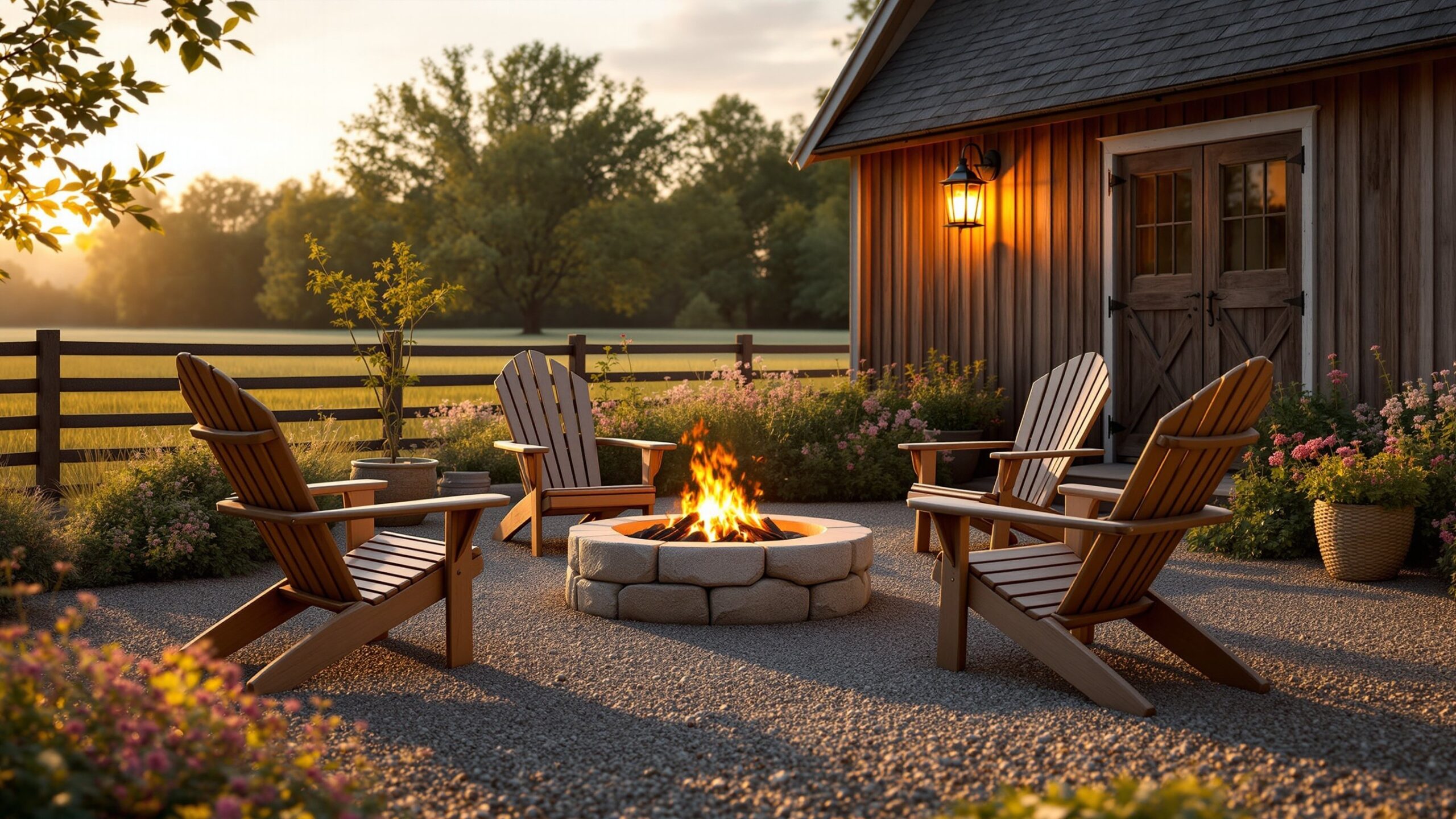
The Adirondack chair has long been associated with rustic cabins, lakeside docks, and weathered wood finishes. Yet in recent years, this iconic chair has undergone a quiet design revolution. Today’s sleek and minimalist Adirondack chair styles are redefining how this classic form fits into modern patios, rooftop terraces, pool decks, and contemporary outdoor living spaces. Clean lines, refined proportions, muted color palettes, and innovative materials have transformed the Adirondack from a nostalgic symbol into a design-forward seating solution that feels perfectly at home beside glass railings, concrete pavers, and modern architecture. This article explores how minimalist Adirondack chairs have evolved, what defines their modern aesthetic, the materials and finishes that elevate them, and how they integrate seamlessly into contemporary outdoor environments. Whether you are designing a city patio, a modern backyard retreat, or a streamlined coastal deck, these updated Adirondack styles prove that simplicity and comfort can coexist beautifully.
A: Slimmer arms, straighter lines, fewer cutouts, and consistent slat spacing.
A: Yes—comfort comes from angles and support, not decorative curves.
A: Charcoal or matte black for contrast, sand or white for airy brightness, or slate for balance.
A: HDPE keeps a uniform look; wood adds warmth and texture (especially in clean, straight builds).
A: They can—use cushions, choose shade placement, or consider lighter neutrals in intense sun zones.
A: Add one warm element: a wood side table, a woven outdoor rug, or a single textured throw.
A: Two chairs angled slightly inward with a small round table—simple and spacious.
A: Use outdoor leveling glides or pads; minimalist chairs look best when perfectly stable.
A: Hidden fasteners, tight seams, matte finishes, and consistent proportions.
A: Yes—keep the palette consistent so the mix feels curated, not chaotic.
The Modern Reinvention of a Timeless Chair
At its core, the Adirondack chair remains recognizable. The angled seat, slanted back, wide armrests, and low-profile stance are still present, ensuring the relaxed comfort that made the chair famous. What has changed is the visual language. Traditional Adirondack chairs often emphasize chunky slats, rounded edges, and visible hardware. Modern minimalist versions refine these elements, stripping away visual clutter while preserving ergonomic integrity.
Designers have reinterpreted the Adirondack silhouette with sharper edges, slimmer profiles, and intentional spacing. The result is a chair that feels lighter, more architectural, and less ornamental. This evolution mirrors broader trends in modern design, where form follows function and every line has a purpose. Instead of drawing attention through decoration, minimalist Adirondack chairs create impact through proportion, balance, and material quality.
Defining the Minimalist Adirondack Aesthetic
Minimalism in outdoor furniture is not about austerity or discomfort. It is about restraint, clarity, and harmony. Sleek Adirondack chairs for modern patios embody these principles through thoughtful design choices that emphasize calm and cohesion.
Clean geometry plays a central role. Straight lines replace curved contours, and edges are often crisp rather than rounded. Slats may be wider and fewer in number, creating uninterrupted surfaces that feel contemporary and intentional. Gaps between slats are uniform and precise, reinforcing a sense of order.
Color is another defining element. While traditional Adirondack chairs often feature bright hues or natural wood tones, minimalist styles favor neutral palettes. Matte white, charcoal gray, soft black, sand, taupe, and muted earth tones dominate modern collections. These colors blend effortlessly with stone, concrete, metal, and glass, allowing the chair to complement rather than compete with its surroundings.
Texture is used sparingly but effectively. Smooth finishes, fine-grain woods, and subtle matte surfaces replace heavy textures or distressed looks. Even when wood grain is visible, it is often refined and understated, reinforcing the chair’s modern appeal.
Why Minimalist Adirondack Chairs Work So Well in Modern Patios
Modern patios are designed as extensions of interior living spaces. Open layouts, seamless transitions, and cohesive material palettes blur the line between indoors and outdoors. Sleek Adirondack chairs align naturally with this design philosophy. Their low profile helps maintain open sightlines, making patios feel more spacious and uncluttered. The simplified forms avoid visual noise, allowing architectural features, landscaping, or skyline views to take center stage. This makes minimalist Adirondack chairs especially popular in urban settings, where space and visual balance are critical. Functionality is another key advantage. Modern Adirondack designs often prioritize comfort without excess bulk. Ergonomic angles are carefully calibrated, offering relaxation without oversized proportions. Many minimalist versions also integrate subtle improvements such as slightly higher seats for easier standing, contoured backs for lumbar support, or armrests sized for both comfort and practicality.
Materials That Define Modern Adirondack Chair Design
Material selection plays a crucial role in shaping the sleek, minimalist character of modern Adirondack chairs. Designers choose materials not only for aesthetics but also for durability, sustainability, and performance in outdoor environments.
High-quality hardwoods such as teak, ipe, and eucalyptus are commonly used in minimalist designs. These woods offer a refined grain pattern and natural resistance to moisture and decay. When left untreated, they weather gracefully into soft silver tones that complement modern landscapes. When sealed or oiled, they maintain a warm, understated richness without appearing rustic.
Recycled plastic and poly lumber have also become staples in modern Adirondack collections. Unlike earlier plastic designs, contemporary poly lumber chairs feature smooth finishes, crisp edges, and sophisticated colors. These materials are highly durable, low maintenance, and resistant to fading, making them ideal for modern patios that value longevity and ease of care.
Metal accents and frames are another hallmark of minimalist Adirondack chairs. Powder-coated aluminum or steel elements introduce a subtle industrial edge while enhancing structural strength. In some designs, metal replaces wood entirely, creating ultra-modern interpretations that still honor the Adirondack’s reclined comfort.
Streamlined Construction and Subtle Craftsmanship
Minimalist Adirondack chairs may look simple, but their construction often reflects advanced craftsmanship and engineering. Precision joinery, hidden fasteners, and seamless connections are common features. By concealing hardware, designers maintain clean surfaces and uninterrupted lines.
Slats are often cut with laser-like accuracy, ensuring uniform spacing and alignment. Armrests may be integrated directly into the chair’s frame rather than attached as separate components, reducing visual complexity. Even the angle of the backrest is carefully optimized to provide comfort without bulky supports.
This attention to detail elevates minimalist Adirondack chairs from casual seating to architectural elements. They feel intentional and refined, capable of anchoring a modern outdoor space rather than merely filling it.
Comfort Without Excess: Ergonomics in Minimalist Designs
One misconception about minimalist furniture is that it sacrifices comfort for style. In reality, modern Adirondack chairs often enhance comfort by refining the chair’s proportions and ergonomics. The seat angle remains gently reclined, distributing weight evenly and encouraging relaxation. Backrests are subtly contoured to support the natural curve of the spine, even when the design appears flat at first glance. Armrests are wide enough to rest drinks or books but streamlined to avoid visual heaviness. Some modern designs incorporate removable or optional cushions in neutral fabrics. These cushions are typically slim and tailored, adding comfort without disrupting the chair’s clean aesthetic. When removed, the chair maintains its sculptural quality, offering versatility for different occasions.
Color Palettes That Complement Contemporary Outdoor Spaces
Color selection is a powerful tool in minimalist design, and Adirondack chairs are no exception. Neutral tones dominate modern collections because they create visual calm and adaptability.
White Adirondack chairs bring a crisp, airy feel to patios, especially when paired with concrete floors or light stone surfaces. Charcoal and black chairs offer contrast and sophistication, grounding outdoor spaces and highlighting surrounding greenery or architectural features. Soft grays and taupes strike a balance between warmth and modernity, making them versatile choices for a wide range of settings.
Some designers introduce muted accent colors such as sage green, clay, or muted navy. These tones add subtle personality while maintaining the restrained elegance that defines minimalist style.
Integrating Adirondack Chairs Into Modern Patio Layouts
Placement and context are essential when incorporating sleek Adirondack chairs into modern patios. Rather than clustering them tightly, designers often use Adirondack chairs as intentional focal points or anchors within a larger layout. On rooftop patios, a pair of minimalist Adirondack chairs facing a city view creates a quiet retreat amid urban energy. In backyard settings, they may be arranged around a low-profile fire pit or positioned near a pool to encourage relaxed lounging. Their sculptural forms allow them to stand alone without the need for excessive accessories. Spacing is key. Allowing breathing room around each chair enhances its visual impact and reinforces the minimalist aesthetic. Side tables, when used, are typically simple and geometric, echoing the chair’s clean lines.
Indoor-Outdoor Harmony: Bridging Design Styles
One of the greatest strengths of minimalist Adirondack chairs is their ability to bridge indoor and outdoor design. Many modern homes feature open floor plans and large glass doors that connect living spaces to patios. Sleek Adirondack chairs echo the clean lines and neutral palettes often found indoors, creating a seamless transition.
When paired with modern sofas, outdoor rugs, and streamlined lighting, Adirondack chairs no longer feel like an afterthought. Instead, they become an extension of the home’s design language. This harmony enhances the overall experience of outdoor living, making patios feel intentional and cohesive.
Sustainability and Thoughtful Design Choices
Modern consumers increasingly value sustainability, and minimalist Adirondack chairs often reflect this shift. Many designs prioritize responsibly sourced woods, recycled materials, and manufacturing processes that minimize waste.
Recycled plastic Adirondack chairs reduce reliance on virgin materials while offering exceptional durability. Sustainably harvested hardwoods ensure long-term environmental responsibility without sacrificing beauty. Minimalist designs themselves contribute to sustainability by focusing on timeless aesthetics rather than trends, reducing the likelihood of frequent replacement.
By choosing well-crafted, durable Adirondack chairs, homeowners invest in pieces that will remain relevant and functional for years, aligning with both environmental and design-conscious values.
Maintenance and Longevity in Modern Designs
Another appeal of sleek Adirondack chairs is their ease of maintenance. Smooth surfaces and simplified forms are easier to clean, and high-quality materials resist weather-related wear. Poly lumber chairs require minimal upkeep, typically needing only occasional washing with mild soap and water. Hardwood chairs benefit from periodic oiling or sealing to maintain their appearance, though many homeowners embrace the natural patina that develops over time. Metal components, when powder-coated, resist rust and corrosion, ensuring longevity even in challenging climates. This low-maintenance quality aligns perfectly with modern lifestyles, where outdoor furniture should enhance relaxation rather than demand constant attention.
Adirondack Chairs as Sculptural Outdoor Statements
In minimalist settings, furniture often doubles as sculpture, and Adirondack chairs are no exception. Their distinctive silhouette, when refined and simplified, becomes a visual statement in its own right. A single minimalist Adirondack chair placed on a terrace can function as both seating and design element. When multiple chairs are arranged thoughtfully, they create rhythm and balance within the space. This sculptural quality elevates Adirondack chairs beyond their traditional role, positioning them as integral components of modern outdoor design.
The Future of Adirondack Chair Design
As outdoor living continues to evolve, Adirondack chair design is likely to push further into modern territory. Expect to see continued experimentation with materials, including composite blends and innovative finishes. Modular designs and stackable options may emerge, addressing urban space constraints while maintaining comfort and style.
Smart integration, such as discreet charging ports or adaptable accessories, may also find their way into future designs, reflecting the growing intersection of technology and outdoor living. Yet despite these innovations, the essence of the Adirondack chair will remain intact: comfort, relaxation, and a connection to the outdoors.
Choosing the Right Minimalist Adirondack Chair for Your Space
Selecting the perfect Adirondack chair for a modern patio involves balancing aesthetics, comfort, and practicality. Consider the scale of your space, the surrounding materials, and how the chair will be used. A compact, streamlined design may suit a city balcony, while a slightly more substantial chair could anchor a spacious backyard patio. Pay attention to material performance in your climate, and choose finishes that complement your existing design palette. Above all, prioritize quality and craftsmanship, as minimalist designs rely heavily on precision and proportion to achieve their impact.
A Modern Take on a Classic Outdoor Icon
Sleek and minimalist Adirondack chair styles demonstrate that timeless design can evolve without losing its soul. By refining form, embracing modern materials, and focusing on clean aesthetics, designers have reimagined the Adirondack chair for contemporary patios and outdoor spaces.
These modern interpretations honor the chair’s legacy of comfort and relaxation while aligning with today’s architectural and lifestyle preferences. Whether overlooking a city skyline, framing a serene backyard, or enhancing a modern poolside retreat, minimalist Adirondack chairs offer a perfect blend of simplicity, sophistication, and enduring appeal.
In a world where outdoor spaces are increasingly seen as essential living areas, the modern Adirondack chair stands as a reminder that great design does not need to shout. Sometimes, the most powerful statements are made through quiet elegance, thoughtful craftsmanship, and the confidence of simplicity.