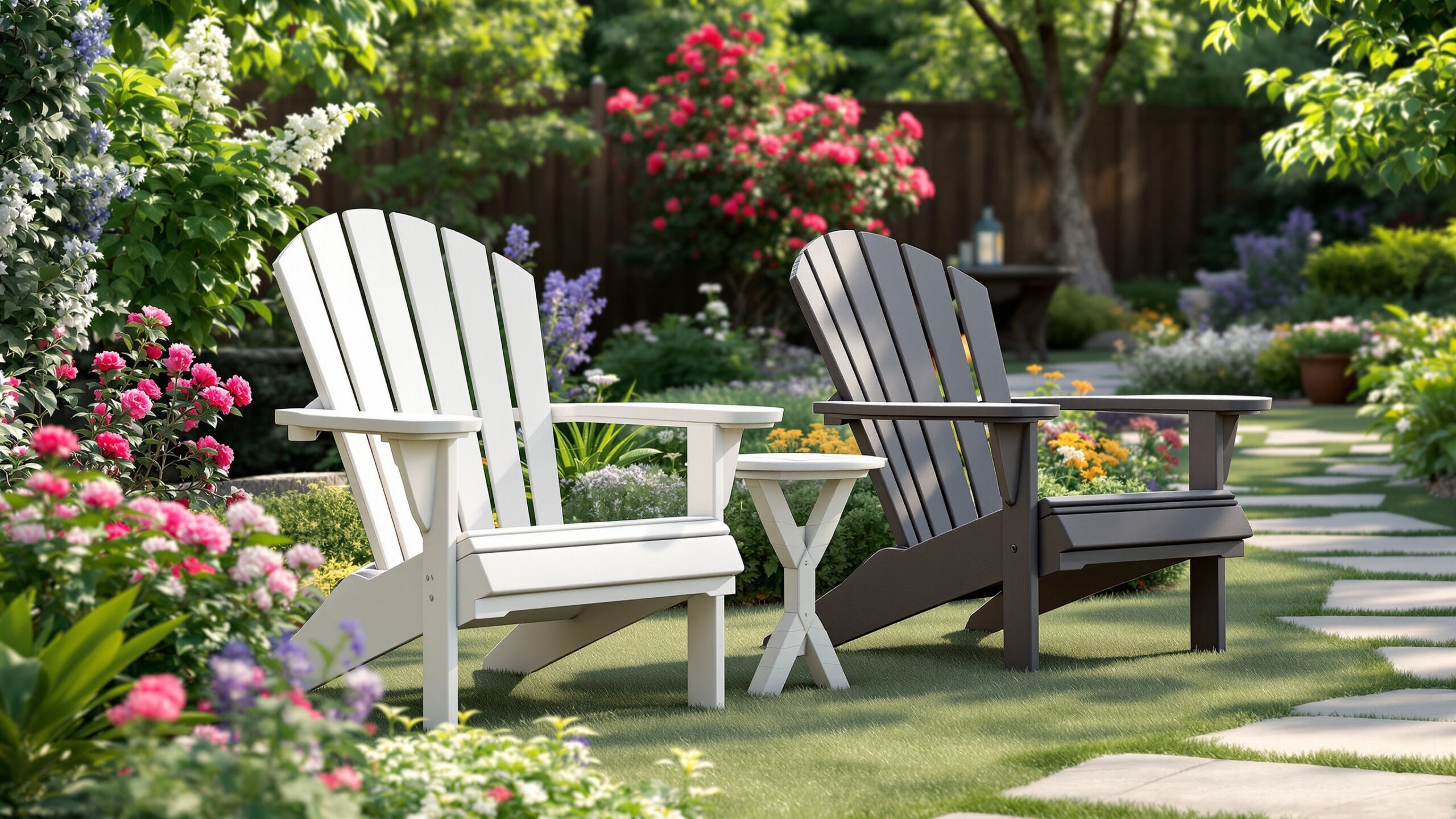
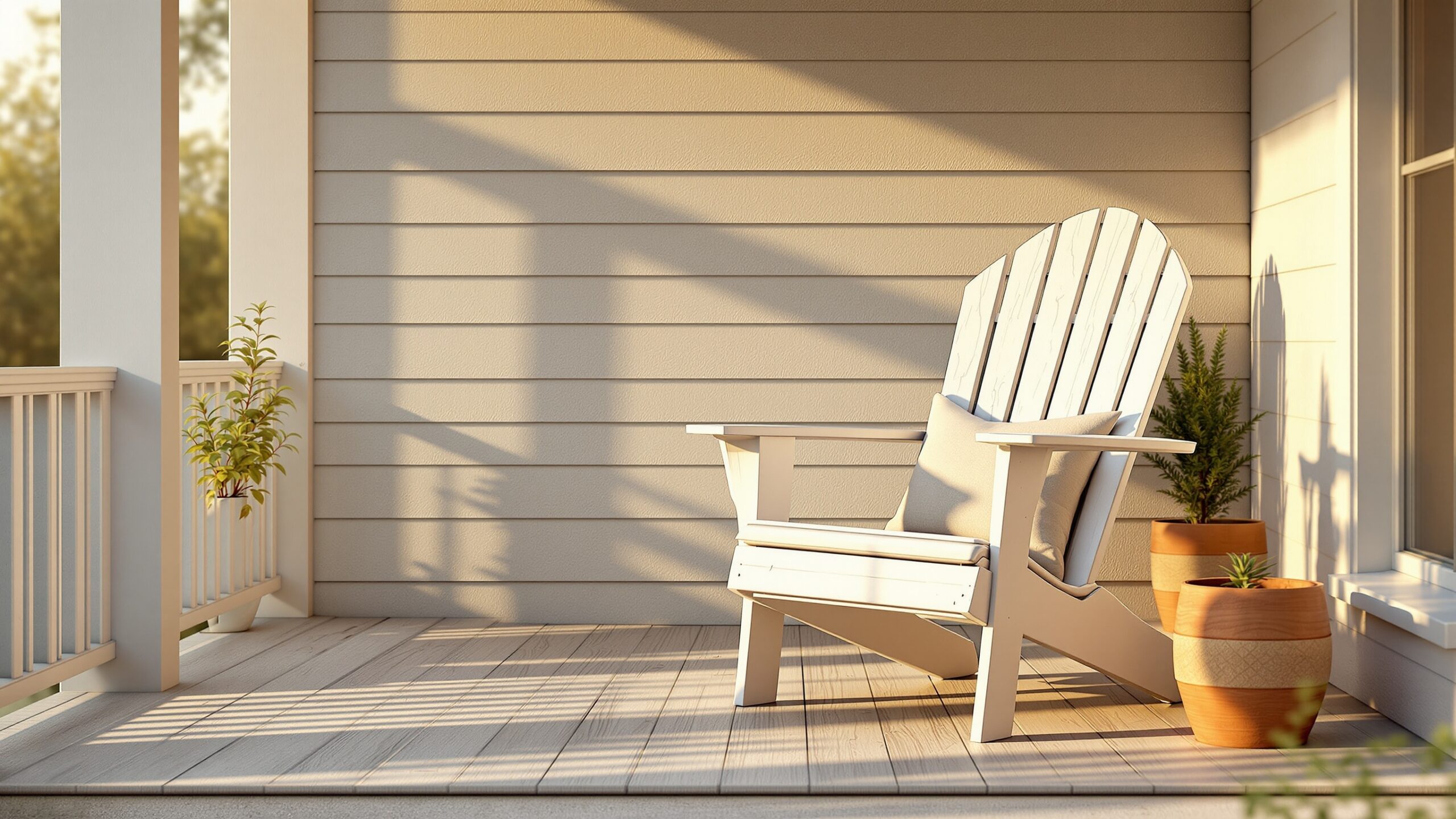
Few outdoor furniture pieces are as instantly recognizable—or as emotionally comforting—as the Adirondack chair. With its wide armrests, slanted seat, and relaxed posture, it invites you to slow down, lean back, and enjoy the outdoors. Yet once you’ve chosen the chair itself, another decision quickly becomes just as important: should it be painted or stained? The choice between paint and stain goes far beyond simple color preference. Each finish changes how the chair looks, feels, ages, and fits into its environment. A painted Adirondack chair can become a bold design statement or a crisp classic, while a stained chair often feels more organic, blending naturally into gardens, lakesides, and wooded settings. Understanding how each finish performs visually and practically will help you choose the option that looks best—not just today, but for years to come. This guide explores painted versus stained Adirondack chairs in depth, covering aesthetics, wood visibility, color impact, weathering, maintenance, lifestyle considerations, and long-term appeal. By the end, you’ll have a clear sense of which finish best suits your space, climate, and personal style.
A: Light colors and mid-tone stains look calmer; very dark finishes can feel harsh and get hot.
A: Matte or satin paint in clean neutrals (or solid-color stain) reads most modern.
A: Semi-transparent stain or a warm oil tone keeps the wood “authentic” and cozy.
A: Paint (or solid-color stain) hides mismatched grain and patch repairs better than transparent stain.
A: It can if moisture gets in or primer is skipped—good prep + quality exterior paint reduces risk.
A: Most penetrating stains fade rather than peel; clear topcoats can peel if they fail like a film finish.
A: Paint over stain is common with sanding + primer; stain over paint usually requires stripping to bare wood.
A: Semi-solid/solid stains often refresh easily and don’t show chips like paint can.
A: Choose a mid-tone stain or a satin paint, clean seasonally, and touch up small areas early.
A: A warm, natural stain with a soft neutral cushion—or a classic white/navy paint with teak-toned accents.
Why Finish Matters More Than You Think
An Adirondack chair’s finish isn’t just decoration. It acts as both a protective layer and a visual lens through which the chair is experienced. The same chair can look coastal, rustic, modern, or traditional depending on whether it’s painted or stained—and how that finish interacts with light, wood grain, and surrounding elements.
Finish also affects how a chair ages. Some people love the patina of weathered wood, while others want furniture that looks polished year after year. Paint and stain age very differently, and understanding that aging process is key to choosing a finish you’ll continue to enjoy.
Painted Adirondack Chairs: Bold, Clean, and Expressive
Painted Adirondack chairs are often the first image that comes to mind when people picture a lakeside dock or a colorful patio. Paint creates a solid, opaque surface that completely covers the wood beneath it, transforming the chair into a unified block of color.
The Visual Appeal of Paint
Painted chairs tend to look crisp and intentional. Because paint hides wood grain, the focus shifts to the chair’s shape and color rather than the material itself. This can make Adirondack chairs feel more graphic and architectural, especially in bright whites, deep navy blues, or modern charcoal grays.
In playful outdoor spaces, painted chairs shine. Vibrant reds, sunny yellows, aqua blues, and leafy greens can instantly energize a yard or poolside area. In more restrained settings, neutral paints like white, cream, or soft gray create a timeless, classic look that pairs well with almost any décor.
Paint also reflects light differently than stain. A smooth painted surface can look luminous in the sun, helping the chair stand out visually rather than blending into the background.
Style Versatility and Design Impact
One of paint’s biggest strengths is its versatility in design-driven spaces. Painted Adirondack chairs work especially well in:
Coastal or nautical settings, where whites and blues echo the sea and sky.
Modern patios, where matte black, gray, or white chairs feel sculptural and clean.
Family-friendly yards, where bright colors create a cheerful, playful atmosphere.
Rental or commercial spaces, where a consistent painted color scheme looks polished and intentional.
Because paint fully covers the wood, it also creates visual consistency across multiple chairs, even if the wood underneath varies slightly.
Paint and Wood Character
The trade-off with paint is that it hides the natural character of the wood. If you love the look of cedar grain, pine knots, or teak’s golden warmth, paint may feel like a missed opportunity. Painted chairs emphasize color and form over material authenticity. That said, for many people, this is a benefit rather than a drawback. Paint offers predictability. The chair looks exactly the way it’s meant to look, without surprises from grain patterns or color variation.
Stained Adirondack Chairs: Natural, Warm, and Timeless
Stained Adirondack chairs take the opposite approach. Instead of covering the wood, stain enhances it, allowing grain, knots, and texture to remain visible. The result is a chair that feels rooted in nature and visually connected to its surroundings.
The Beauty of Visible Wood Grain
Stain brings out the natural patterns of the wood, creating depth and variation that paint simply cannot replicate. No two stained chairs look exactly alike, which many people find appealing. The chair feels less manufactured and more organic.
Natural wood tones—such as honey, amber, walnut, or weathered gray—tend to age gracefully. As the stain weathers, the wood often develops a soft patina that adds character rather than detracting from it.
Aesthetic Harmony with Outdoor Spaces
Stained Adirondack chairs blend seamlessly into gardens, wooded backyards, lakesides, and mountain retreats. Instead of drawing attention to themselves, they complement their environment. This makes them ideal for spaces where tranquility and natural beauty are the priority. Stain also adapts well to rustic and traditional aesthetics. Whether placed beside a fire pit, under tall trees, or on a cabin deck, stained chairs feel authentic and grounded.
Emotional Warmth and Texture
There’s an emotional component to stained wood that’s hard to quantify. Visible grain and natural color variation create warmth and depth, making the chair feel inviting and comfortable before you even sit down. Stained Adirondack chairs often feel like part of the landscape rather than an object placed on it.
Color Choices: Paint vs. Stain
Color behaves very differently depending on whether it’s paint or stain, and this difference plays a major role in which finish looks best in your space.
Paint colors are bold and consistent. A white painted chair is truly white, and a red painted chair is unapologetically red. This makes paint ideal for strong design statements or coordinated outdoor décor.
Stain colors are more nuanced. Even darker stains allow wood grain to show through, resulting in subtle variations in tone. Lighter stains can shift dramatically depending on the wood species and sunlight exposure.
If you want precise color matching with cushions, umbrellas, or architectural elements, paint offers greater control. If you prefer natural variation and depth, stain delivers a richer, more organic look.
How Each Finish Ages Over Time
One of the most overlooked aspects of choosing between paint and stain is how the finish changes with age. What looks best on day one may not look best five years later.
Aging Painted Adirondack Chairs
Paint provides excellent surface protection, but it’s more visually unforgiving as it ages. Chips, cracks, and peeling are immediately noticeable because they expose the wood beneath. In high-traffic or harsh-weather environments, painted chairs may need periodic touch-ups to maintain a clean look. That said, high-quality outdoor paint can last many years when properly applied and maintained. Painted chairs that are cleaned regularly and protected during extreme weather often retain their polished appearance longer than people expect.
Aging Stained Adirondack Chairs
Stain tends to fade gradually rather than fail dramatically. Over time, stained chairs may lighten or soften in color, especially in sunny climates. Many people appreciate this natural weathering, as it adds character rather than looking like damage. Reapplying stain is usually simpler than repainting, and small imperfections blend in more easily. For those who value a relaxed, lived-in aesthetic, stain often feels more forgiving.
Maintenance and Practical Considerations
While this article focuses on appearance, maintenance directly affects how a chair looks long-term, making it part of the visual decision.
Painted chairs generally require less frequent refinishing but more noticeable repairs when damage occurs. Stained chairs may need more regular reapplication but are easier to refresh without sanding everything down to bare wood.
If you enjoy seasonal upkeep and like the ritual of maintaining your outdoor furniture, stain can be satisfying. If you prefer minimal involvement and a consistently polished look, paint may feel more appealing.
Climate and Environment: How Location Influences Looks
Where you live plays a big role in which finish will look best over time.
In sunny, dry climates, paint can hold color well but may crack if the wood expands and contracts significantly. Stain, especially lighter tones, weathers gently and often looks better as it fades.
In humid or coastal environments, paint can provide stronger moisture protection but may require vigilant maintenance to prevent peeling. Stain allows wood to breathe, which some homeowners prefer for longevity and natural aging.
Cold climates with freeze-thaw cycles can be hard on paint, making stain an attractive option for a more resilient appearance.
Matching Finish to Lifestyle and Personality
The best-looking Adirondack chair finish is ultimately the one that fits your lifestyle and personality. Painted chairs often appeal to people who enjoy design control, clean lines, and bold choices. They look best in curated spaces where color coordination matters and furniture is treated as part of the décor. Stained chairs resonate with those who value authenticity, texture, and a connection to nature. They suit relaxed outdoor spaces where the goal is comfort, calm, and visual harmony rather than visual impact.
Painted vs. Stained in Different Outdoor Settings
On a modern patio with concrete, metal, and glass, painted Adirondack chairs often look intentional and stylish. Their solid color complements sleek materials and structured layouts. In a garden surrounded by greenery, stained chairs usually look more at home. The wood tones echo tree trunks and soil, creating a cohesive visual flow.
By a lake or beach, both finishes can work beautifully. Painted chairs offer a classic vacation aesthetic, while stained chairs create a quieter, more natural retreat. The “better” choice depends on whether you want the chairs to stand out or settle in.
So, Which Finish Looks Best?
There is no universal winner between painted and stained Adirondack chairs. The better-looking finish depends on what you value most. Paint looks best when you want bold color, visual clarity, and a strong design statement. It excels in structured spaces and coordinated outdoor setups.
Stain looks best when you want warmth, texture, and a natural feel that evolves gracefully over time. It shines in organic settings where subtle beauty matters more than perfection. Rather than asking which finish is objectively better, the more useful question is which finish aligns with how you live, relax, and experience your outdoor space.
Choosing with Confidence
Adirondack chairs are meant to be enjoyed, not overanalyzed. Whether painted or stained, the best-looking chair is the one that invites you to sit down, breathe deeply, and stay a little longer. Painted Adirondack chairs offer color, clarity, and charm. Stained Adirondack chairs provide warmth, authenticity, and timeless appeal. Both finishes have their place, and both can look stunning when chosen thoughtfully. By considering aesthetics, environment, aging, and personal style, you can confidently select a finish that not only looks great today but continues to feel right for years to come.