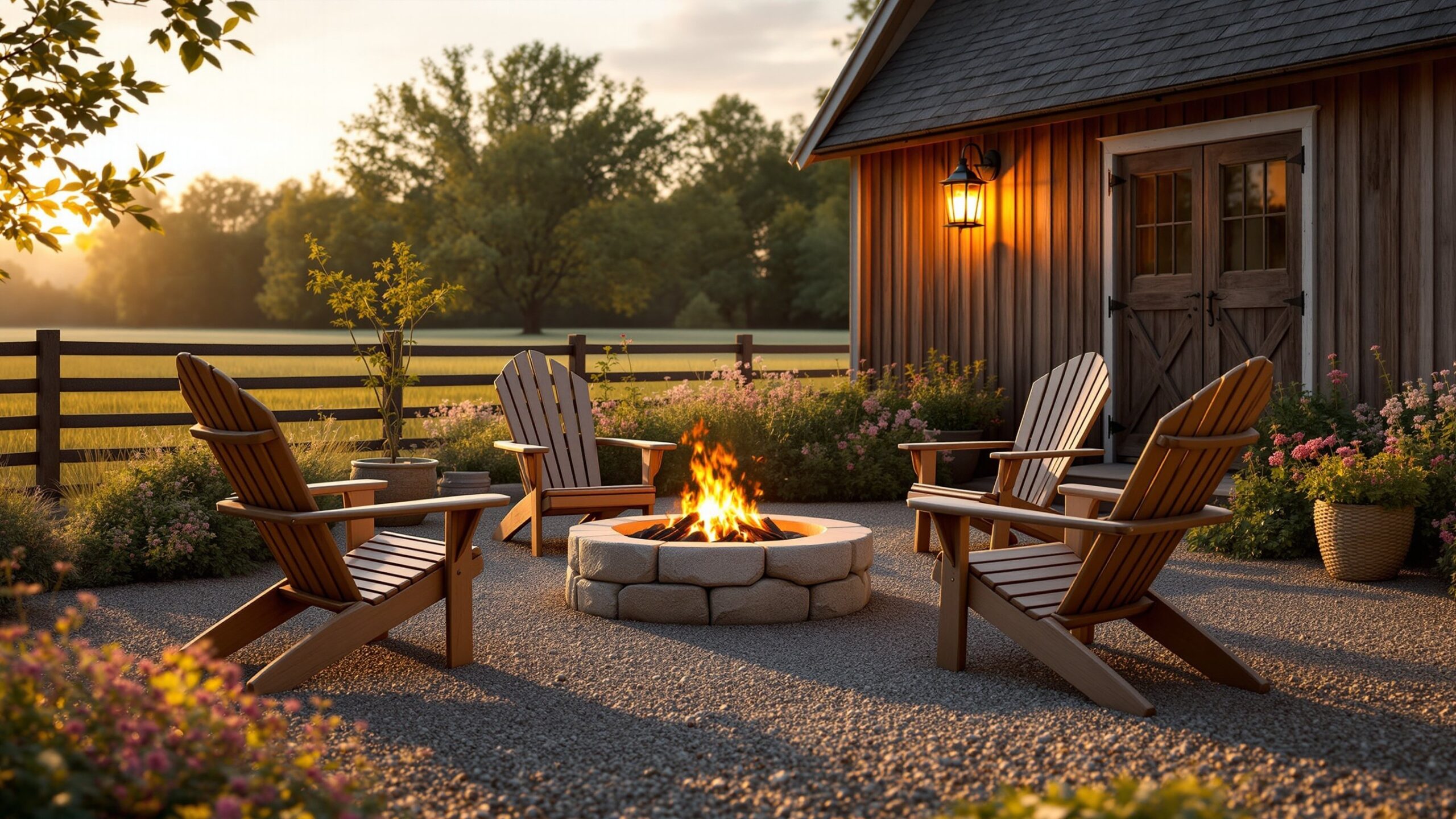
Few outdoor furnishings have achieved the lasting cultural recognition of the traditional Adirondack chair. Instantly recognizable by its wide armrests, gently reclined back, and low-slung seat, this iconic chair has transcended trends, climates, and generations. From lakeside docks and mountain cabins to suburban backyards and coastal verandas, the Adirondack chair represents more than a place to sit—it embodies relaxation, craftsmanship, and a slower, more intentional way of living. The enduring appeal of the traditional Adirondack chair lies in its perfect balance of form and function. It is simple yet thoughtful, rustic yet refined, and sturdy without sacrificing comfort. While modern variations and reinterpretations abound, the original design continues to captivate homeowners, designers, and outdoor enthusiasts alike. To understand why this chair remains a timeless favorite, it helps to explore its origins, construction, comfort, materials, and cultural significance.
A: The deep seat and reclined back naturally encourage a laid-back, supported posture.
A: Cedar and pine are classic favorites; teak is the premium old-soul option.
A: Traditional ones can be low—choose a slightly higher seat or add a footrest for leverage.
A: Paint gives iconic porch color; stain/oil highlights grain and feels more “camp authentic.”
A: Use an exterior oil/stain, recoat when it dulls, and store or cover in harsh seasons.
A: Visually, yes—same silhouette; it’s just the low-maintenance, modern-material version.
A: Where you naturally pause: near a view, by a firepit, or at the edge of shade.
A: Not required—many love them bare—but a thin cushion can add comfort for long reads.
A: Use furniture pads, a small paver, or level the legs with outdoor-safe shims.
A: Thin arms, weak hardware, rough edges, and poor finish prep—details are everything.
The Origins of an American Classic
The story of the Adirondack chair begins in the early 20th century in the rugged wilderness of upstate New York. Around 1903, Thomas Lee, a vacationer seeking comfortable outdoor seating for his family, designed a chair specifically for uneven terrain and long periods of leisure. His goal was not elegance but comfort and practicality. The original prototype consisted of wide planks, a slanted seat, and a reclined back that allowed users to relax while taking in mountain views.
Lee’s design was later refined and patented by Harry Bunnell, a local carpenter who recognized its potential. Bunnell made subtle adjustments to the shape and proportions, creating what would become the standard Adirondack silhouette. From there, the chair spread beyond the Adirondack Mountains and into the broader American consciousness.
What began as a regional solution to outdoor comfort quickly evolved into a national symbol of leisure, nature, and craftsmanship. The traditional Adirondack chair became especially popular in lakeside resorts, national parks, and summer cottages, where its sturdy build and relaxed posture felt perfectly at home.
A Design That Prioritizes Comfort
One of the most compelling reasons for the Adirondack chair’s longevity is its exceptional comfort. Unlike upright patio chairs that demand rigid posture, the traditional Adirondack chair encourages the body to recline naturally. The angled backrest supports the spine, while the sloped seat allows the legs to extend forward without strain.
The wide armrests serve both practical and experiential purposes. They provide ample support for resting arms, holding drinks, or placing a book, all without the need for side tables. This built-in convenience reinforces the chair’s reputation as a self-contained relaxation station.
The chair’s low profile also plays a role in comfort. Sitting closer to the ground fosters a sense of grounding and stability, particularly in outdoor settings. Whether placed on grass, sand, stone, or wood decking, the traditional Adirondack chair feels anchored to its surroundings.
Simplicity in Construction, Strength in Structure
At first glance, the Adirondack chair appears deceptively simple. Its straight lines, wide boards, and minimal ornamentation give it an almost utilitarian look. Yet this simplicity is intentional and contributes to its durability and longevity. Traditional Adirondack chairs are typically constructed from solid wood planks arranged to distribute weight evenly across the frame. The slatted backrest allows for airflow, making the chair comfortable even in warm weather. The broad seat boards provide support without the need for cushions, though many people choose to add them for extra softness. The chair’s structure is designed to handle outdoor conditions and frequent use. Properly built Adirondack chairs can support substantial weight and remain stable on uneven terrain. This robustness has made them a staple in public spaces as well as private homes.
Materials That Define Character and Longevity
The choice of material plays a significant role in the look, feel, and lifespan of a traditional Adirondack chair. Historically, early chairs were crafted from locally available woods such as pine or cedar. Over time, builders began experimenting with different species to enhance durability and weather resistance.
Cedar remains a popular choice due to its natural resistance to moisture, insects, and decay. Its lightweight nature makes chairs easy to move, while its pleasant aroma and warm tones add to its appeal. Teak, though more expensive, is prized for its exceptional strength and ability to withstand harsh climates without warping or cracking.
Pine and fir are often used for painted Adirondack chairs. While they may require more maintenance, they offer affordability and versatility in color choices. Painted finishes also provide an additional layer of protection against the elements.
Regardless of the wood type, proper finishing is essential. Stains, sealants, and paints not only enhance appearance but also protect the chair from sun exposure, moisture, and temperature fluctuations. With routine care, a well-made Adirondack chair can last for decades.
The Aesthetic Power of Tradition
The traditional Adirondack chair has a visual presence that feels both nostalgic and timeless. Its proportions are familiar and comforting, evoking memories of summer afternoons, crackling campfires, and quiet moments by the water. This emotional connection is a powerful aspect of its appeal. Unlike sleek modern furniture that may feel out of place in natural environments, the Adirondack chair blends seamlessly into outdoor landscapes. Its wooden construction and grounded stance complement gardens, forests, beaches, and patios alike. Even when painted in bold or contemporary colors, the underlying form remains rooted in tradition. Designers often turn to Adirondack chairs when seeking to create inviting outdoor spaces. Their recognizable shape signals relaxation and hospitality, making them a natural focal point in any setting.
Functionality Beyond Seating
While the Adirondack chair is primarily known for comfort, its functionality extends beyond simple seating. The wide armrests function as practical surfaces, eliminating the need for additional furniture in minimalist outdoor setups. The slatted design allows rainwater to drain easily, preventing pooling and reducing drying time after storms.
Traditional Adirondack chairs are also highly adaptable. They can be placed around fire pits, along docks, on porches, or in garden corners. Their versatility makes them suitable for both social gatherings and solitary moments of reflection.
Because of their sturdy build, these chairs are often passed down through generations. A weathered Adirondack chair, marked by time and use, carries a sense of history that newer furniture cannot replicate.
Craftsmanship and DIY Culture
Another reason for the Adirondack chair’s enduring popularity is its connection to craftsmanship and do-it-yourself culture. The straightforward design makes it a favorite project for woodworkers of all skill levels. Building an Adirondack chair offers a satisfying balance of challenge and accessibility. Many people take pride in constructing their own chairs, customizing dimensions, finishes, and details to suit personal preferences. This hands-on relationship with the furniture deepens emotional attachment and appreciation for the design. Even mass-produced Adirondack chairs often retain a handcrafted feel. The visible grain of the wood, the solid construction, and the absence of unnecessary embellishments all contribute to a sense of authenticity.
A Symbol of Leisure and Slowness
In a fast-paced, technology-driven world, the traditional Adirondack chair represents a counterbalance. It invites people to sit back, unplug, and engage with their surroundings. The chair’s reclined posture naturally slows the body, encouraging deeper breathing and longer moments of rest.
This association with leisure has made the Adirondack chair a recurring symbol in marketing, photography, and popular culture. It appears in travel brochures, lifestyle magazines, and outdoor advertisements as shorthand for relaxation and escape.
The chair’s timeless appeal lies in its ability to remain relevant despite changing lifestyles. Even as outdoor living spaces become more sophisticated, the Adirondack chair continues to hold its place as a reminder that comfort and simplicity never go out of style.
Traditional Versus Trend-Driven Alternatives
While modern outdoor furniture often emphasizes sleek lines, modular designs, and synthetic materials, the traditional Adirondack chair offers something different. It prioritizes experience over appearance, comfort over trendiness, and longevity over novelty.
This does not mean the Adirondack chair is outdated. On the contrary, its design has proven remarkably adaptable. It can coexist with contemporary elements while maintaining its classic identity. This versatility is one of the reasons it remains a staple in both rustic and modern outdoor spaces.
Rather than competing with trends, the traditional Adirondack chair stands apart from them. Its form has remained largely unchanged for over a century because it simply works.
Maintenance and Care for Lasting Beauty
Part of the Adirondack chair’s appeal is its ability to age gracefully. Over time, unfinished wood develops a silvery patina that many people find desirable. Painted chairs may show signs of wear that add character rather than detract from appearance. Regular maintenance helps preserve both aesthetics and structural integrity. Simple practices such as seasonal cleaning, occasional sanding, and reapplying protective finishes can significantly extend the chair’s lifespan. Storing chairs during harsh winters or using protective covers also minimizes weather-related damage. The effort required to maintain a traditional Adirondack chair is often viewed as a worthwhile tradeoff for its durability and charm. Unlike disposable furniture, these chairs reward care with years of reliable use.
Why the Adirondack Chair Endures
The timeless appeal of the traditional Adirondack chair is rooted in its thoughtful design, cultural significance, and emotional resonance. It is a piece of furniture that feels as good as it looks, offering comfort without complexity and style without excess.
Generations of designers have attempted to reinvent outdoor seating, yet the Adirondack chair remains largely unchanged. Its continued relevance speaks to the strength of its original concept and the universal human desire for rest, connection, and simplicity.
Whether placed beside a lake, under a tree, or on a front porch, the traditional Adirondack chair creates an invitation—to pause, to breathe, and to enjoy the moment. That invitation is just as compelling today as it was over a century ago.
A Legacy Carved in Wood
Ultimately, the Adirondack chair is more than an object; it is an experience. It carries with it the legacy of craftsmanship, the beauty of natural materials, and the promise of unhurried time. Its enduring presence in outdoor spaces around the world is a testament to the power of good design rooted in human needs. As trends come and go, the traditional Adirondack chair remains steadfast, offering comfort, familiarity, and a sense of home wherever it is placed. In an ever-changing world, that kind of timeless appeal is rare—and deeply valued.