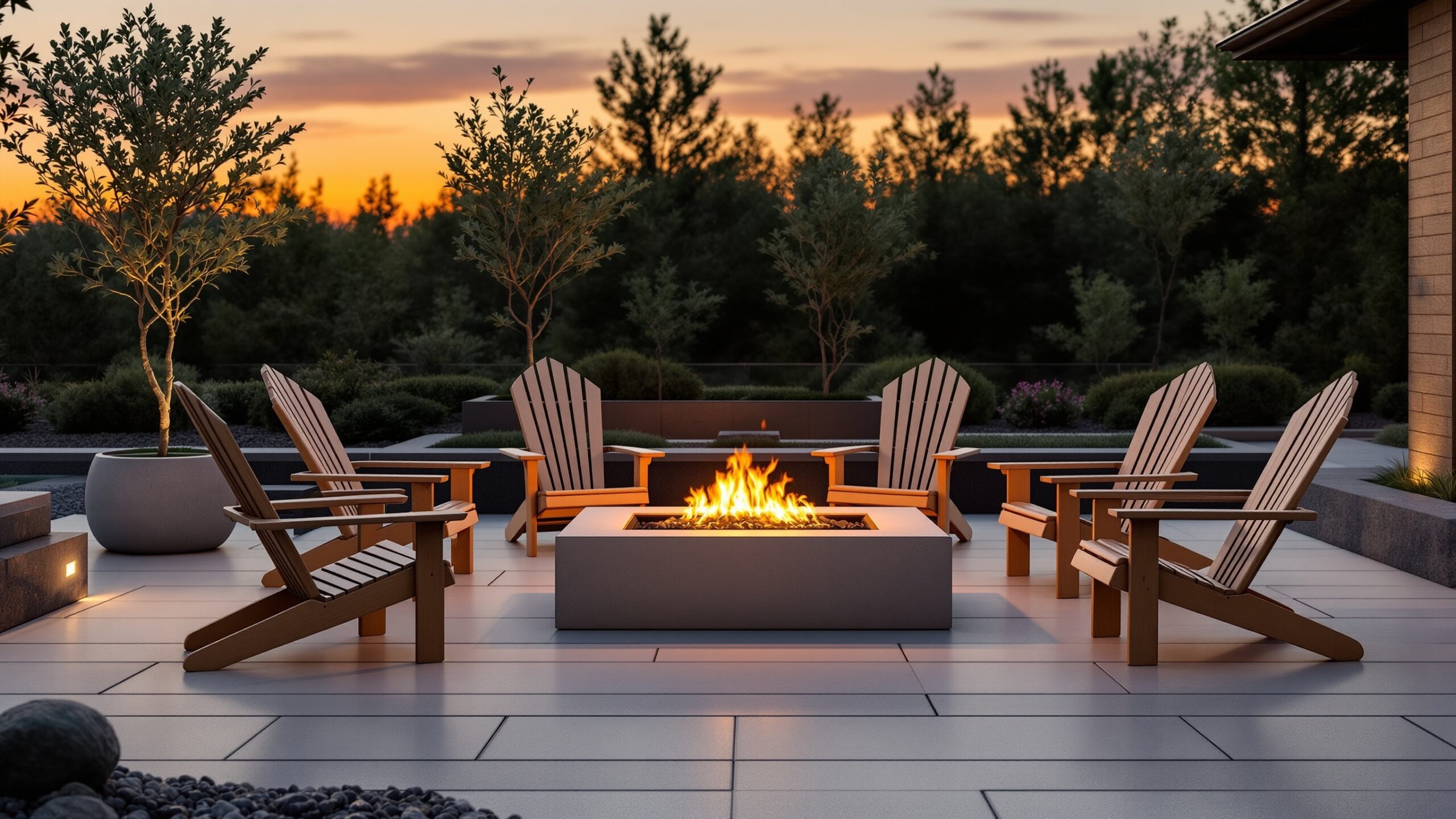
Designing a patio around Adirondack chairs is about more than placing a few seats outdoors. It’s about creating a space that feels intentional, welcoming, and timeless—somewhere you want to linger with a morning coffee, unwind at sunset, or gather with friends well into the evening. Adirondack chairs have an iconic presence that blends comfort, character, and versatility, making them one of the most reliable anchors for outdoor living design. When thoughtfully integrated, they can define the entire mood and function of a patio. This guide explores how to design the perfect patio around Adirondack chairs in a way that feels polished yet relaxed, practical yet visually engaging. Whether your outdoor space is expansive or compact, rustic or modern, the right design approach can transform it into a cohesive retreat that feels like a natural extension of your home.
A: Start with 2 for symmetry; add a third if you have space for a triangle layout.
A: Two chairs angled slightly inward with a shared table, plus a rug to “define” the zone.
A: Use compact chairs, keep a clear walkway, and add one tall planter to draw the eye upward.
A: Fire pit for evening atmosphere; coffee table for daytime use—many patios do both in separate zones.
A: Not required, but it’s the fastest way to make the seating area feel like a finished “room.”
A: Shade sail or offset umbrella near the lounge zone—then add breathable cushions in light tones.
A: Choose heavier chairs (or HDPE), add a planter screen, and keep lightweight decor low-profile.
A: Layered lighting: string lights overhead + lanterns near chairs + a subtle path light for safety.
A: Limit to one “hero” accessory (rug or pergola), repeat materials, and store cushions when not in use.
A: A shared table, two planters, and one soft textile moment—then you’re done.
Why Adirondack Chairs Are the Ideal Patio Foundation
Adirondack chairs are beloved because they balance form and function so effortlessly. Their wide armrests, reclined backs, and generous seat depth create an instantly comfortable experience without cushions or accessories. From a design perspective, their recognizable silhouette brings structure and familiarity to outdoor spaces, making them ideal as a starting point rather than an afterthought.
Because Adirondack chairs are available in a wide range of materials and finishes, they can adapt to nearly any patio style. Natural wood varieties blend seamlessly into landscaped gardens and wooded backyards, while sleek composite or resin versions suit modern patios and poolside environments. This adaptability allows designers to use Adirondack chairs as a visual anchor around which all other patio elements can be arranged.
Reading Your Space Before You Design
Before choosing colors, layouts, or accessories, it’s essential to understand the physical and environmental characteristics of your patio. Consider how much space you truly have, where natural light falls throughout the day, and how people naturally move through the area. A well-designed patio feels intuitive, not crowded or forced.
Small patios benefit from intentional spacing and fewer chairs arranged with care, while larger patios allow for multiple Adirondack seating zones. Pay attention to surrounding views as well. Adirondack chairs are designed for lounging, so positioning them toward gardens, water features, fire pits, or scenic backdrops enhances their purpose and appeal.
Climate matters too. Hot, sunny areas may require shade structures or lighter-colored chairs to reduce heat absorption, while cooler climates benefit from darker tones, wind buffers, and cozy design elements that extend patio use through more seasons.
Choosing the Right Adirondack Chairs for Your Patio Style
Not all Adirondack chairs communicate the same aesthetic. Classic wide-plank designs evoke rustic charm and traditional outdoor living, while slimmer, contoured versions feel more contemporary. The material choice plays a major role in how the patio is perceived. Wooden Adirondack chairs offer warmth and organic texture, making them ideal for natural landscapes and cottage-style patios. Painted wood adds character and color, while stained finishes highlight grain patterns for a more refined look. Composite and resin chairs deliver durability and low maintenance, lending themselves well to clean-lined patios and modern outdoor spaces. Comfort should never be sacrificed for style. Chairs with slightly reclined backs and contoured seats invite relaxation, reinforcing the patio’s role as a place to slow down. When chairs feel good to sit in, people naturally gather and stay longer.
Creating a Balanced and Inviting Layout
The way Adirondack chairs are arranged determines how the patio functions socially and visually. Rather than lining chairs along the perimeter, consider grouping them into conversational clusters. Facing chairs toward each other around a focal point encourages interaction and creates a sense of intimacy.
Spacing is key. Adirondack chairs have a generous footprint, so allow enough room for easy movement without breaking the flow. On smaller patios, angling chairs slightly rather than placing them parallel can open up sightlines and make the space feel larger.
For expansive patios, multiple seating zones work beautifully. One cluster might center around a fire feature for evening gatherings, while another faces a garden view for quiet moments. Adirondack chairs unify these zones, providing visual continuity across the space.
Using Focal Points to Anchor the Design
Every successful patio design has a focal point, and Adirondack chairs naturally orient toward it. Fire pits are one of the most popular choices, offering warmth, ambiance, and a natural gathering spot. Arranged in a semicircle or full circle, Adirondack chairs around a fire pit create a classic outdoor living scene that feels both social and serene. Other focal points might include water features, outdoor fireplaces, scenic views, or even a statement planter or sculpture. The key is to align chair placement so the focal point feels intentional rather than accidental. When Adirondack chairs are positioned thoughtfully, they frame the focal element and elevate the entire patio composition.
Layering Textures for Visual Depth
A patio designed around Adirondack chairs benefits from layered textures that prevent the space from feeling flat or one-dimensional. Hard surfaces like stone, concrete, or pavers provide a solid foundation, while softer materials add warmth and contrast.
Outdoor rugs beneath Adirondack chairs define seating zones and introduce pattern without overwhelming the space. Wood accents, woven side tables, and fabric elements such as throws or weather-resistant cushions contribute to a tactile experience that feels inviting rather than utilitarian.
Plants play a crucial role in texture layering as well. Tall grasses, leafy shrubs, and flowering plants soften the angular lines of patios and balance the bold shape of Adirondack chairs. Together, these elements create a harmonious environment that feels curated yet relaxed.
Choosing a Color Palette That Enhances Comfort
Color influences mood, and when designing around Adirondack chairs, it sets the emotional tone of the patio. Neutral palettes create calm, timeless spaces, allowing natural surroundings to take center stage. Soft grays, warm beiges, and earthy browns complement wood and stone beautifully. Bold colors can energize a patio when used thoughtfully. Adirondack chairs in navy, forest green, black, or crisp white add personality without overpowering the design. When chairs are a strong color, surrounding elements should remain more subdued to maintain balance. Consistency matters more than trendiness. A cohesive palette that flows between chairs, flooring, planters, and accessories ensures the patio feels intentional rather than pieced together.
Lighting That Extends Patio Use Into the Evening
Adirondack chairs are designed for lingering, and good lighting makes that possible after sunset. Layered lighting creates atmosphere while maintaining functionality. Soft overhead lighting from string lights or pergola fixtures establishes a warm glow without harshness.
Ground-level lighting, such as pathway lights or subtle uplighting around plants, enhances safety and highlights landscaping features. Near Adirondack seating clusters, low, ambient light sources help maintain a relaxed mood and prevent glare.
Lighting should complement the chairs rather than compete with them. Warm tones emphasize the natural comfort of Adirondack chairs, reinforcing the patio’s role as a welcoming retreat rather than a brightly lit outdoor room.
Integrating Tables and Surfaces Thoughtfully
Adirondack chairs are at their best when paired with practical surfaces that enhance usability without clutter. Small side tables fit naturally beside chairs, offering a place for drinks, books, or snacks. Their scale should feel proportional to the chairs, neither dwarfed nor oversized.
Coffee tables or low-profile ottomans can anchor seating clusters, especially around fire pits. These surfaces should be easy to navigate around, preserving clear pathways and comfortable spacing. Materials that echo the chairs or patio flooring help unify the design visually.
The goal is convenience without distraction. Tables should support the experience of relaxing in Adirondack chairs, not dominate the visual field.
Designing for All Seasons and Comfort Levels
A well-designed Adirondack patio adapts to changing weather and seasons. Shade structures such as umbrellas, pergolas, or nearby trees provide relief during hot days, making chairs usable throughout the summer. Positioning Adirondack chairs to catch breezes while avoiding harsh midday sun improves comfort naturally. In cooler climates, fire pits, outdoor heaters, or wind screens extend patio use well into fall and early winter. Adirondack chairs, especially those with deeper seats, pair well with blankets or cushions that add warmth without sacrificing style. Designing with flexibility in mind ensures the patio remains inviting year-round rather than seasonal.
Making Small Patios Feel Spacious and Intentional
Even compact patios can feel luxurious when designed thoughtfully around Adirondack chairs. Fewer chairs arranged with care often create a stronger impact than overcrowding the space. Choosing slimmer-profile Adirondack designs helps preserve visual openness while maintaining comfort.
Vertical elements such as wall planters, trellises, or tall pots draw the eye upward, making the patio feel larger. Light-colored chairs and flooring reflect natural light, enhancing the sense of space. When every element serves a purpose, small patios feel curated rather than constrained.
Blending Adirondack Chairs With Other Seating
Adirondack chairs don’t need to stand alone. Mixing them with benches, loveseats, or dining furniture creates a dynamic patio that accommodates different activities. The key is consistency in materials or color tones to prevent visual disconnection.
For example, Adirondack chairs can define a lounge zone, while a nearby dining set handles meals and gatherings. When these areas share design cues, such as wood finishes or metal accents, the patio feels cohesive rather than segmented.
This layered approach increases functionality while allowing Adirondack chairs to remain the heart of the design.
Sustainability and Longevity in Patio Design
Designing the perfect patio also means thinking long-term. Durable Adirondack chairs reduce waste and maintenance while preserving aesthetic appeal year after year. Choosing weather-resistant materials suited to your climate ensures the patio remains attractive without constant upkeep. Sustainable design extends to layout choices as well. A patio that adapts to changing needs avoids frequent redesigns. Adirondack chairs, with their timeless form, support this approach by remaining relevant as trends evolve. When comfort, durability, and thoughtful design align, the patio becomes an enduring part of the home rather than a temporary project.
Personalizing the Space Without Overcrowding
Personal touches transform a patio from well-designed to deeply personal. Accessories such as outdoor pillows, lanterns, or seasonal décor can reflect personality while keeping the focus on Adirondack chairs as the central element.
Restraint is important. Too many decorative elements dilute the simplicity that makes Adirondack chairs so appealing. A few carefully chosen accents add character without compromising the relaxed atmosphere. Personalization works best when it enhances comfort and usability rather than competing for attention.
Maintaining Visual Flow Between Indoors and Outdoors
The most successful patios feel like a natural extension of indoor living spaces. When designing around Adirondack chairs, consider how colors, textures, and materials relate to the interior. This visual continuity makes the transition outdoors feel seamless.
If indoor spaces feature neutral tones and clean lines, mirrored choices in Adirondack finishes and patio materials reinforce cohesion. This approach enhances perceived space and creates a unified design language throughout the home.
The Emotional Impact of Thoughtful Patio Design
At its core, designing the perfect patio around Adirondack chairs is about creating an emotional experience. These chairs symbolize slowing down, enjoying nature, and reconnecting with people and surroundings. When thoughtfully placed within a well-considered design, they encourage moments of rest and connection. A patio built around comfort and intention becomes a backdrop for memories rather than just a decorative feature. Adirondack chairs support this role by offering familiarity, ease, and an open invitation to sit and stay awhile.
Bringing It All Together
Designing a patio around Adirondack chairs is both an art and a practical exercise. It requires understanding space, choosing the right materials, and arranging elements in a way that feels natural and inviting. When done well, Adirondack chairs become more than seating—they define the spirit of the patio itself.
By prioritizing comfort, balance, and thoughtful details, you create an outdoor space that feels timeless rather than trendy. Whether your patio overlooks a garden, frames a fire pit, or simply offers a quiet corner to unwind, Adirondack chairs provide a foundation that supports both style and relaxation. The perfect patio isn’t about perfection in appearance. It’s about how the space makes you feel—and Adirondack chairs, when thoughtfully integrated, help ensure it feels just right.