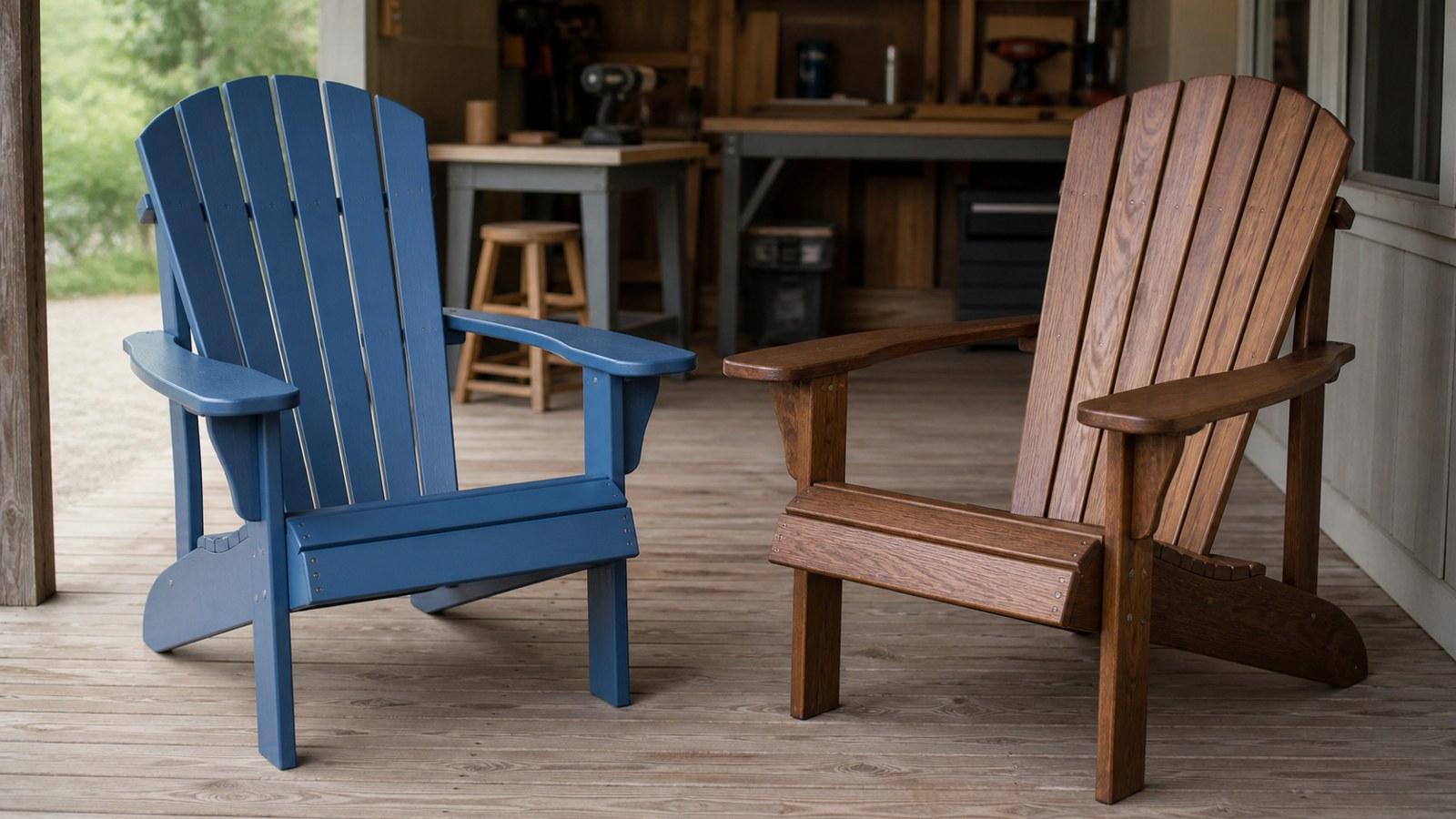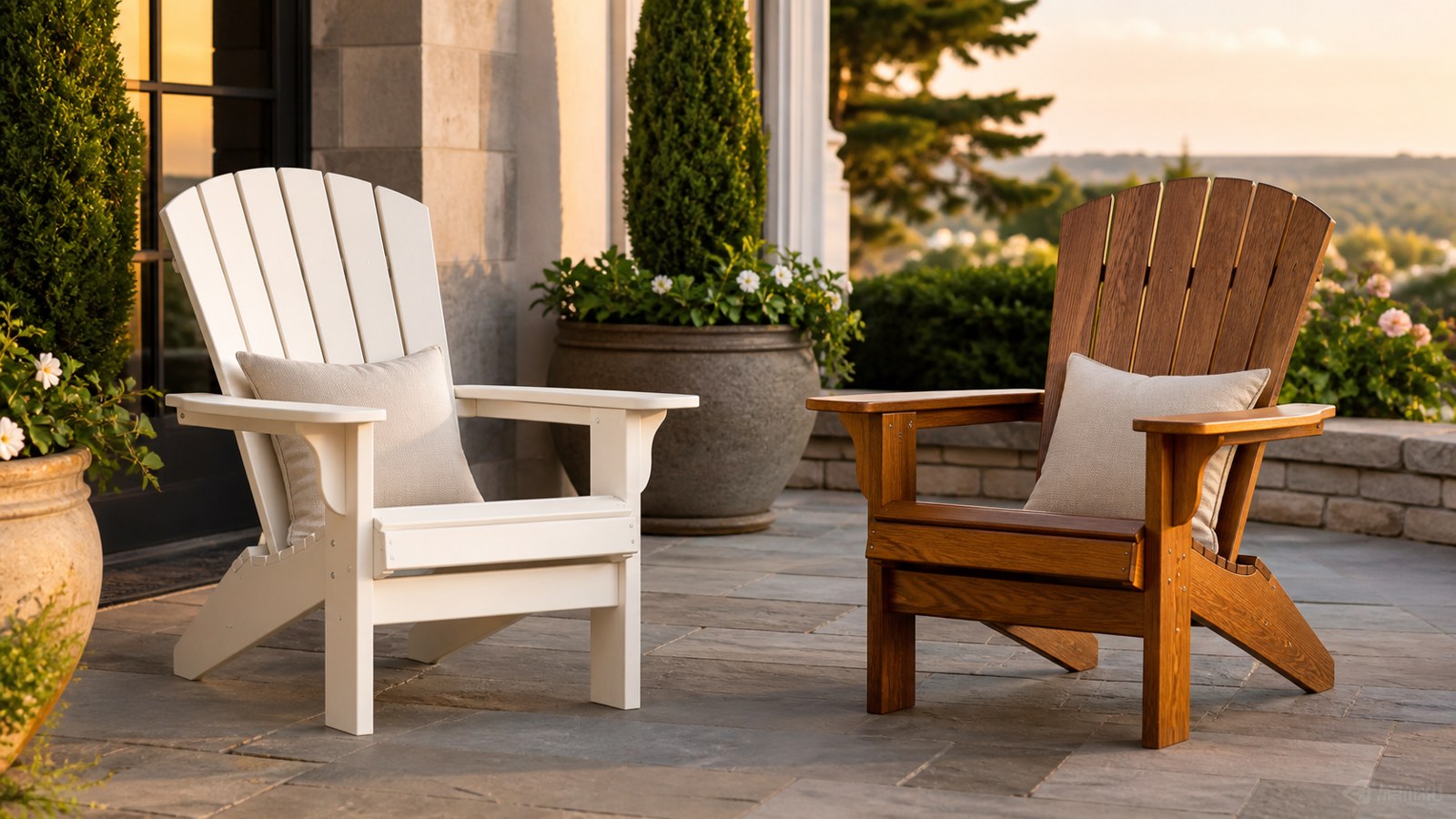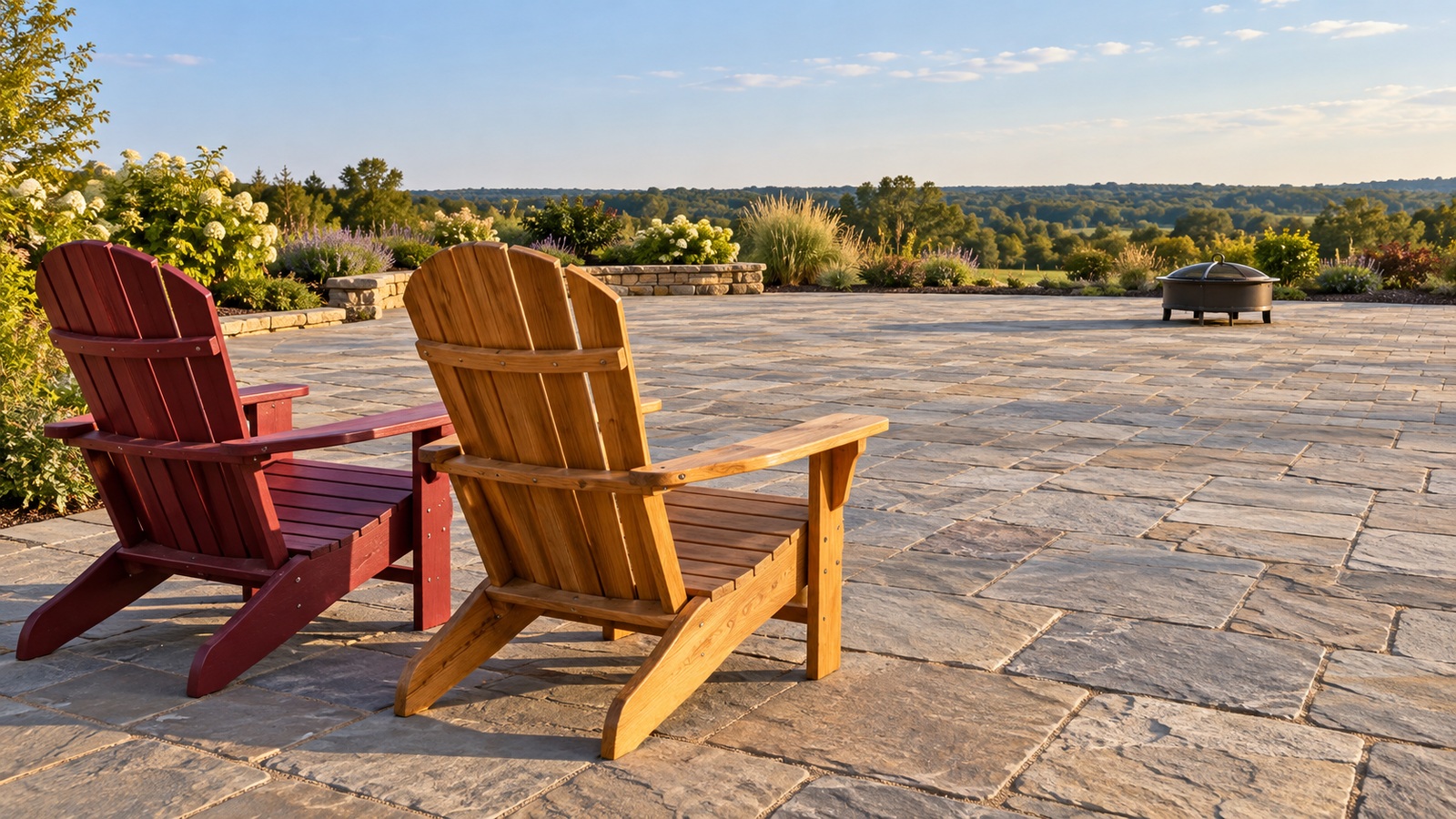
Choose the Finish within a Suitable Firepit Arrangement
Painted and stained Adirondacks can each contribute to a welcoming outdoor gathering area, but the firepit changes how the seating arrangement must be planned. A finish chosen for exterior wood does not make the chair noncombustible, heat-proof, or suitable for placement at an arbitrary distance from a fire. Begin with the firepit’s instructions, relevant local requirements, and current fire-safety guidance, then choose the furniture and compatible finish within that arrangement. The aesthetic decision can remain enjoyable: paint offers a clear color field, while a suitably transparent stain can retain the timber’s visible character. Keep those appearance choices separate from claims about heat protection. The useful result is sound, appropriately finished seating in an understood layout, with ordinary furniture care and firepit operation each given the attention their own requirements call for.
A: It does not establish that permission; follow the appliance, site, and applicable fire-safety requirements.
A: No. Do not treat the finish appearance or category as a fire rating for the complete furniture.
A: At least ten feet, while applicable equipment instructions or local requirements may call for greater distance or other restrictions.
A: Establish a suitable permitted arrangement first, then choose a compatible appearance and care process for its furniture.
A: Keep the work area appropriate to its products and separate from an operating firepit and ordinary furniture use.
A: Confirm sound condition and the finish's service requirements before returning it to the checked layout.
A: Obtain appropriate product assessment and keep the condition question separate from cosmetic cleaning or renewal.
A: They change the complete occupied arrangement and may introduce additional combustible objects.
A: A deliberate visual arrangement can work, provided each chair and finish is suitable and the whole setup meets its requirements.
A: Review current equipment and site requirements and rebuild the practical occupied arrangement accordingly.
Establish the Firepit’s Permitted Setting First
Identify the actual firepit and read its installation and operating instructions before arranging chairs. A portable wood-burning pit, gas appliance, or built-in feature can have different requirements. Confirm what local authorities or the property require for its use, including any current restrictions. Do not treat a generic patio photograph as an approved layout. The seating decision should follow the requirements for the actual equipment and site.
The U.S. Fire Administration’s current outdoor-fire guidance says to use fire pits outdoors at least 10 feet from the home or anything that can burn. Wooden chairs and combustible accessories belong in that consideration. Follow applicable equipment instructions and local requirements as well, including greater distances or other restrictions when they apply. The general guidance is not a reason to reduce a specific requirement or to assume that a painted surface changes the underlying material.
Keep the full furniture group in the review. Arms, backs, footrests, tables, cushions, and a person’s position can extend beyond the center of an empty chair. Arrange the actual occupied setting and preserve practical routes through the area. A balanced circle on a sketch is only a starting image. The complete gathering space has to work within the relevant requirements, not simply surround the firepit attractively.
Keep Paint and Stain out of the Heat-Proofing Decision
An exterior finish is selected for a particular substrate, appearance, and supported exposure; it should not be described as permission to move a wooden chair closer to heat or sparks. A dark painted color, transparent stain, or water-related claim does not establish a fire rating for the complete furniture. Ask the chair and coating makers about their actual products rather than borrowing a claim from another application. If a setting cannot accommodate wooden seating through the required arrangement, select another permitted layout or product with appropriate guidance. Do not attempt to solve the space problem by adding more coating. The finish decision should follow a suitable seating plan, not become a substitute for one.
Choose the Desired Character of the Gathering Area
Paint can give a group a strong recognizable color that connects with masonry, trim, or another deliberate patio accent. A stained appearance can emphasize the grain and natural variation of the wood. Stain products differ in opacity, so confirm the look of the actual selected system. Review samples in the daytime as well as the lighting normally used for the gathering area. The finish should be enjoyable when the firepit is not operating too.
Let the surrounding hardscape and garden help establish the palette. A restrained painted shade can sit comfortably against stone without requiring every chair to match another object exactly. Natural-looking timber can also provide warmth through its own color variation. Choose a clear relationship rather than adding several competing accents around the group. The firepit already gives the arrangement a visual center, so the seating can support the setting without making each item equally prominent.
Identify the Existing Wood and Treatment
Find the furniture model and any available finish information before planning a color change. Bare wood, a sound factory treatment, and an unknown secondhand surface present different preparation questions. The proposed finish must suit what it will actually contact. Ask the relevant maker or coating specialist when the starting surface is uncertain. Do not let the intended firepit location lead to a rushed universal treatment of every wooden Adirondack.
Inspect the complete chair separately from its appearance. A crack, loose connection, or uncertain member needs its own supported response before use. Painting or staining does not establish that a damaged chair has been repaired. Keep its condition clear to other users while appropriate advice is obtained. A gathering area should contain furniture whose function is understood, rather than seats returned because a refreshed color hides the concern.
Read the compatibility and application scope of the proposed products. A coating suitable for another exterior wood surface may not be the right furniture system. Confirm required primer, preparation, and any additional layer with the actual product information. The wood’s appearance and the supported process should be chosen together. A descriptive phrase such as outdoor protection is not enough to settle every application question.
Compare Future Finish Care before Making the Purchase
Ask how each compatible system is cleaned, assessed, renewed, or repaired later. Paint and stain categories contain products with different care routes, and the broad name does not establish one maintenance advantage for a firepit patio. Consider the household’s work space, available help, and ability to complete required waiting stages. Keep the initial appearance alongside those future tasks. The useful comparison is between two specific supported processes on the actual chair, not a promise that one category automatically handles every gathering-area exposure better.
Do Coating Work Away from the Operating Gathering Area
Arrange the surface work through the requirements of the products and tools involved. The preparation and application location needs appropriate ventilation, protection, and surroundings, with ordinary furniture use kept separate while the work is underway. Follow the product safety information about ignition sources and handling. An operating firepit should not become part of the coating workspace. Establish the work area before supplies are opened.
Plan where the chair can remain through preparation, application, drying, and service-readiness stages. A patio gathering scheduled soon afterward can put pressure on the process if its timing was not checked. Read the actual directions before promising the seat will be ready for a particular evening. The furniture should return through the supported route rather than through a convenient event date. A clear waiting location helps preserve that distinction.
Keep surface preparation tied to the existing coating and furniture guidance. Do not add an aggressive treatment because the future location seems demanding. Accessible arm ends, slat spaces, and underside areas belong in the process where the selected directions call for them. Use supported handling rather than casual dismantling. The aim is a compatible complete surface, not an improvised barrier that is assumed to change the chair’s fire-related suitability.
Retain the product instructions and work status when more than one person manages the patio. A freshly colored chair may look complete before it is ready for sitting, cushions, or outdoor placement. Make those stages clear to the responsible household users. If work remains unfinished, keep the furniture outside the active seating arrangement. Appearance should not be the signal that overrides the actual readiness requirements.
Restore the Seating through Both Product and Layout Checks
Before use, confirm that the chair is sound, the finish has reached the required state, and any permitted removed components have been correctly restored. Review the firepit arrangement again using the actual equipment and applicable guidance. Moving furniture during maintenance may change where it returns. Do not assume that a previous position remains correct simply because it is familiar. A deliberate setup reconnects finish care with the intended gathering area.
Include suitable accessories only through their own use and care information. A cushion, footrest, or side table can affect the occupied arrangement and may introduce another combustible object. Keep those items in the placement review rather than treating them as decorative additions outside the requirements. The chair’s own surface readiness does not establish accessory suitability. Evaluate the complete group before the firepit is used.
Keep Furniture Movement Clear during Ordinary Gatherings
People may shift chairs toward conversation or move a table within easier reach. Plan a layout that keeps the required arrangement understandable through ordinary use, and ensure the responsible person follows the firepit’s operating guidance. A finish color should not be used as a substitute for clear placement responsibilities. If the group routinely becomes crowded, review the quantity and orientation of furniture instead of relying on a compact diagram that no longer describes how the gathering works. The full setting includes the people and objects in use, not only the empty furniture positioned earlier in the day.
Assess Soot or Other Marks before Choosing a Treatment
A mark near a firepit does not justify a universal stronger cleaner or an immediate new coat. Read the chair and finish care directions, describe the observed condition, and obtain suitable help when the cause or response is uncertain. A compatible cleaning route should preserve the intended surface. Heat damage or another furniture concern should be assessed separately from ordinary appearance care. Do not return a questionable chair to service simply because the visible mark has been reduced.
Record where the change appeared and how the furniture had been used or moved. That information can help the maker or appropriate specialist understand the actual issue. Keep any previous treatments in the same record. Repeatedly covering a changed surface can make later assessment harder without correcting the underlying cause. A clear history is more useful than a sequence of cosmetic responses selected only to make the chair match its partner again.
Review the gathering arrangement if conditions or ordinary use have changed. A different firepit, new seating quantity, added accessories, or a revised patio layout can introduce new requirements. Confirm current instructions and local restrictions instead of carrying the old setup forward automatically. Finish maintenance remains one part of ownership within that setting. A changed appliance or location is a reason to revisit the whole plan.
Choose the Finish for Its Supported Role
Keep the final comparison practical: the actual chair and starting surface, compatible products, desired appearance, supported application, care, and the arrangement permitted for the firepit. You can prefer paint for a clear color field or stain for a particular grain appearance without assigning either an unsupported heat-protection advantage. Record that reason plainly. The choice is easier to maintain when its purpose is understood.
Save the furniture and finish history along with the equipment information relevant to the seating setup. Product identity, dates, preparation, and care can help the next household member repeat a supported routine. Keep furniture readiness and firepit operation as distinct responsibilities. One does not automatically establish the other. Both matter when the patio moves from ordinary sitting into a gathering with an operating fire feature.
Where more than one person restores the patio, make the checked arrangement easy to understand in the household’s normal records. Include the model information and which accessories belong in the review. That helps a later setup begin from the complete plan instead of a remembered picture of where one empty chair once stood.
Painted and stained Adirondacks can each suit a firepit gathering area when the complete chair, compatible surface process, and required layout work together. Establish the equipment and site requirements first, then select the finish for appearance and realistic care. Do not treat either category as a heat-proofing shortcut. A welcoming setting comes from sound appropriately placed seating whose surface history and ordinary use remain clear.