
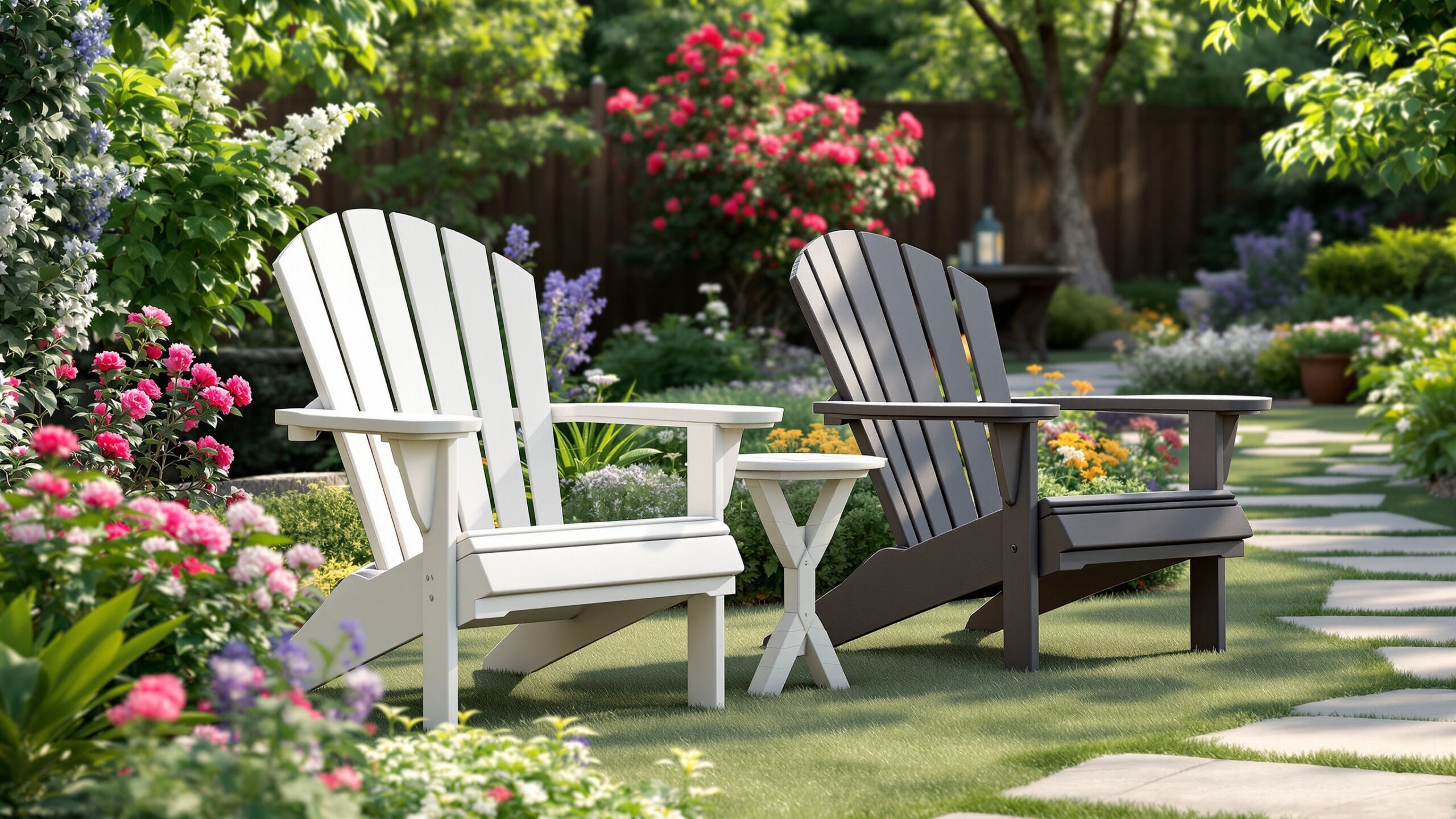
Adirondack chairs have long held their place as icons of relaxed outdoor living. With their wide armrests, slanted backs, and timeless silhouette, they naturally invite long conversations, slow mornings, and sunset unwinding. But while their shape is classic, their color possibilities are anything but limited. In recent years, two-tone Adirondack chairs have emerged as a standout design trend—bringing fresh personality, visual contrast, and curated style to patios, decks, porches, and gardens. Two-tone color schemes transform a simple chair into a statement piece. By thoughtfully pairing complementary or contrasting hues, you can create depth, highlight architectural details, and tie your seating into the broader design language of your outdoor space. Whether you lean toward coastal calm, bold modern contrast, or warm rustic charm, the right two-tone palette can elevate your setup from functional to unforgettable. This guide explores the most compelling two-tone Adirondack chair color ideas, along with design strategies, material considerations, and styling inspiration to help you create a cohesive, visually engaging outdoor environment.
A: Navy and white, black and wood, or sage and cream tend to blend easily with many outdoor styles.
A: Usually on the bottom or frame, since it grounds the chair and hides dirt better.
A: Yes, and it can look beautiful when wood grain is featured on the arms or frame.
A: Not if you keep the palette controlled and repeat the colors in a clean, balanced pattern.
A: Charcoal, black, warm wood, muted gray, and soft olive are strong modern choices.
A: White, navy, sea-glass blue, soft sand, and weathered gray create a relaxed coastal mood.
A: It works on both, though HDPE offers lower maintenance while painted wood feels more handcrafted.
A: Limit the palette to two main tones and apply them consistently across all matching chairs.
A: Yes, especially when one tone is grounded by a neutral like white, cream, charcoal, or natural wood.
A: Using two competing loud colors with no visual hierarchy, which can overwhelm the classic silhouette.
Why Two-Tone Works So Well
Two-tone design isn’t just about aesthetics—it’s about balance and visual storytelling. Adirondack chairs, with their distinct slats, armrests, and angled frames, naturally lend themselves to color segmentation. When you apply different tones to specific parts of the chair, you emphasize structure and create intentional contrast.
For example, a darker frame paired with lighter seat slats can ground the chair visually while keeping it airy and inviting. Alternatively, reversing the contrast—light frame with darker seating—can create a more modern, sculptural feel. The interplay between tones draws the eye and adds dimension, especially in outdoor settings where natural light enhances color variation throughout the day.
Two-tone designs also allow for greater personalization. You can match accent colors to cushions, planters, siding, or even seasonal décor. This flexibility makes it easier to refresh your outdoor look without replacing furniture entirely.
Classic Black and Natural Wood
Few combinations feel as timeless and sophisticated as black paired with natural wood tones. This pairing blends modern minimalism with organic warmth, making it ideal for both contemporary patios and rustic outdoor spaces. In this scheme, the frame is often finished in matte or satin black, while the seat and back slats showcase natural wood grain—either sealed or lightly stained. The contrast is striking but not overpowering. Black provides structure and definition, while the wood softens the look with texture and warmth. This palette works especially well in environments with stone, concrete, or greenery. The natural wood echoes the surroundings, while black anchors the composition. It’s a versatile option that transitions seamlessly from urban rooftops to wooded retreats.
Coastal White and Navy
For a breezy, seaside-inspired aesthetic, white and navy is a go-to combination. It captures the essence of coastal living—clean, crisp, and endlessly relaxing.
Typically, the frame is painted white, creating a bright, reflective base that feels fresh and open. Navy accents on the seat or backrest add depth and grounding, preventing the chair from feeling too stark. The contrast is high but harmonious, reminiscent of sailboats, beach houses, and ocean horizons.
This pairing thrives in spaces with light-colored decking, sandy tones, or blue accents. Add striped cushions or rope textures, and the look becomes unmistakably nautical. It’s perfect for lakeside cabins, beach patios, or any outdoor space aiming for a calm, vacation-like atmosphere.
Gray and Teak for Modern Warmth
Gray and teak offer a refined, contemporary take on outdoor seating. This combination balances cool and warm tones, resulting in a sophisticated, understated palette. Soft gray—whether light ash or deeper charcoal—serves as a neutral foundation. Teak or teak-inspired finishes bring in golden warmth and natural variation. When used together, they create a layered look that feels both modern and inviting. This color pairing is particularly effective in minimalist landscapes or urban settings. It complements concrete, metal, and glass while still introducing organic elements. Over time, real teak develops a silvery patina that blends beautifully with gray tones, enhancing the chair’s character and longevity.
Bold Red and Crisp White
For those who want their outdoor furniture to make a statement, red and white is a vibrant, energetic choice. This combination is bold without being chaotic, thanks to the clean contrast between the two colors. A common approach is to use red for the seat and back, with white framing the structure. The result is eye-catching and cheerful—perfect for social spaces like decks, poolside areas, or backyard gathering spots.
This palette evokes classic Americana and works well in both traditional and playful settings. It pairs nicely with greenery, brick, and neutral backdrops, allowing the chairs to stand out as focal points. Despite its boldness, the combination remains approachable and familiar.
Earthy Green and Warm Brown
Nature-inspired palettes are always at home outdoors, and green paired with warm brown is one of the most harmonious combinations available. It blends seamlessly with gardens, trees, and natural landscapes.
Forest green or olive tones provide depth and richness, while brown—whether chocolate, walnut, or cedar—adds warmth and grounding. Together, they create a calming, organic feel that invites relaxation.
This combination is ideal for wooded areas, garden patios, or spaces with abundant plant life. It doesn’t compete with the environment; instead, it enhances it. Over time, weathering can further soften the tones, making the chairs feel even more integrated into their surroundings.
Charcoal and Bright Accent Colors
For a modern, design-forward look, charcoal paired with a bright accent color offers striking contrast and personality. Charcoal serves as a sophisticated neutral, allowing the accent color to shine without overwhelming the space. Popular accent choices include turquoise, mustard yellow, coral, or even lime green. These colors can be applied to the seat slats or backrest, while the frame remains charcoal. The result is dynamic and contemporary, with a strong visual identity. This approach works particularly well in modern outdoor spaces with clean lines and bold design elements. It allows for creativity and customization, making it easy to align your chairs with seasonal themes or evolving décor trends.
Soft Pastels for a Relaxed Atmosphere
Pastel color combinations bring a gentle, inviting charm to Adirondack chairs. Pairing soft hues like mint green and pale gray, blush pink and cream, or baby blue and white creates a light, airy feel that’s perfect for relaxed outdoor settings.
These combinations are especially popular in cottage-style or garden-inspired spaces. They evoke a sense of calm and nostalgia, making them ideal for quiet reading corners, tea gardens, or shaded patios.
While pastels are subtle, they still benefit from thoughtful contrast. Keeping one tone slightly more saturated than the other ensures the chair’s structure remains defined and visually interesting.
Monochrome with a Twist
Monochrome doesn’t have to mean a single flat color. By using two shades of the same hue, you can create a layered, tonal look that feels cohesive and refined. For example, pairing light gray with dark gray, or soft beige with deep taupe, adds depth without introducing contrasting colors. This approach is perfect for minimalist spaces where subtlety and cohesion are key. The beauty of tonal two-tone designs lies in their versatility. They blend effortlessly with a wide range of materials and décor styles, providing a polished backdrop that doesn’t compete for attention.
High-Contrast Black and White
Black and white is the ultimate high-contrast pairing, offering a bold, graphic look that never goes out of style. When applied to Adirondack chairs, it creates a striking visual statement that feels both modern and timeless.
This combination can be executed in various ways—black frame with white slats, white frame with black accents, or even alternating slats for a more dynamic effect. The key is balance and clean lines.
Black and white chairs stand out beautifully against greenery, wood decking, or colorful landscaping. They also pair well with patterned cushions or outdoor rugs, allowing you to layer in additional design elements without losing cohesion.
Material Matters: How Finish Affects Color
The success of a two-tone Adirondack chair doesn’t depend on color alone—material and finish play a crucial role in how those colors are perceived and maintained.
Wood chairs offer rich, natural textures that enhance color depth. Stains can highlight grain patterns, while paint provides solid, opaque coverage. However, wood requires regular maintenance to protect against weathering.
Plastic and poly lumber chairs, on the other hand, provide consistent color and excellent durability. They resist fading, moisture, and cracking, making them ideal for long-term outdoor use. Many modern poly chairs are available in pre-designed two-tone combinations, ensuring a clean, uniform look.
Metal accents or hardware can also influence the overall aesthetic. Brushed steel, black powder coating, or even brass details can subtly enhance or contrast with the chosen color palette.
Placement and Environment Considerations
Choosing the right two-tone color scheme also involves considering the environment where the chairs will live. Lighting, surrounding materials, and landscape elements all affect how colors appear. In bright, sunlit areas, lighter tones can prevent the space from feeling too intense, while darker accents add definition. In shaded or wooded settings, deeper colors may feel more grounded and cohesive. It’s also important to consider how the chairs interact with existing elements such as siding, decking, or outdoor décor. A well-chosen color scheme can tie everything together, creating a unified and intentional design.
Seasonal Flexibility
One of the advantages of two-tone Adirondack chairs is their adaptability across seasons. By selecting a versatile base color and pairing it with interchangeable accents—such as cushions or throws—you can refresh your outdoor look throughout the year.
For example, a gray and white chair can feel cool and breezy in summer with blue accents, then transition to warm and cozy in fall with rust or mustard tones. This flexibility extends the visual lifespan of your furniture and keeps your space feeling dynamic.
Creating a Cohesive Outdoor Story
Ultimately, two-tone Adirondack chairs are more than just seating—they’re part of a larger design narrative. Whether you’re crafting a serene retreat, a lively entertaining space, or a modern outdoor lounge, your color choices contribute to the overall mood and experience. Think of your chairs as both functional objects and visual anchors. Their colors can echo natural surroundings, highlight architectural features, or introduce contrast that energizes the space. When chosen thoughtfully, they help tell a story—one of comfort, style, and intentional living.
Final Thoughts
Two-tone Adirondack chair color ideas open up a world of creative possibilities. From timeless black and wood to bold charcoal and vibrant accents, each combination offers a unique way to express your style while enhancing your outdoor environment.
The key lies in balance—between contrast and cohesion, boldness and subtlety, individuality and harmony with the surroundings. By considering color, material, placement, and seasonal adaptability, you can create seating that not only looks beautiful but feels perfectly at home in your space.
As outdoor living continues to evolve, these thoughtful design choices transform simple moments into memorable experiences. And sometimes, all it takes is the right combination of colors to turn a classic chair into the centerpiece of your outdoor story.


