Choose a Cabin Finish around Appearance and Real Ownership
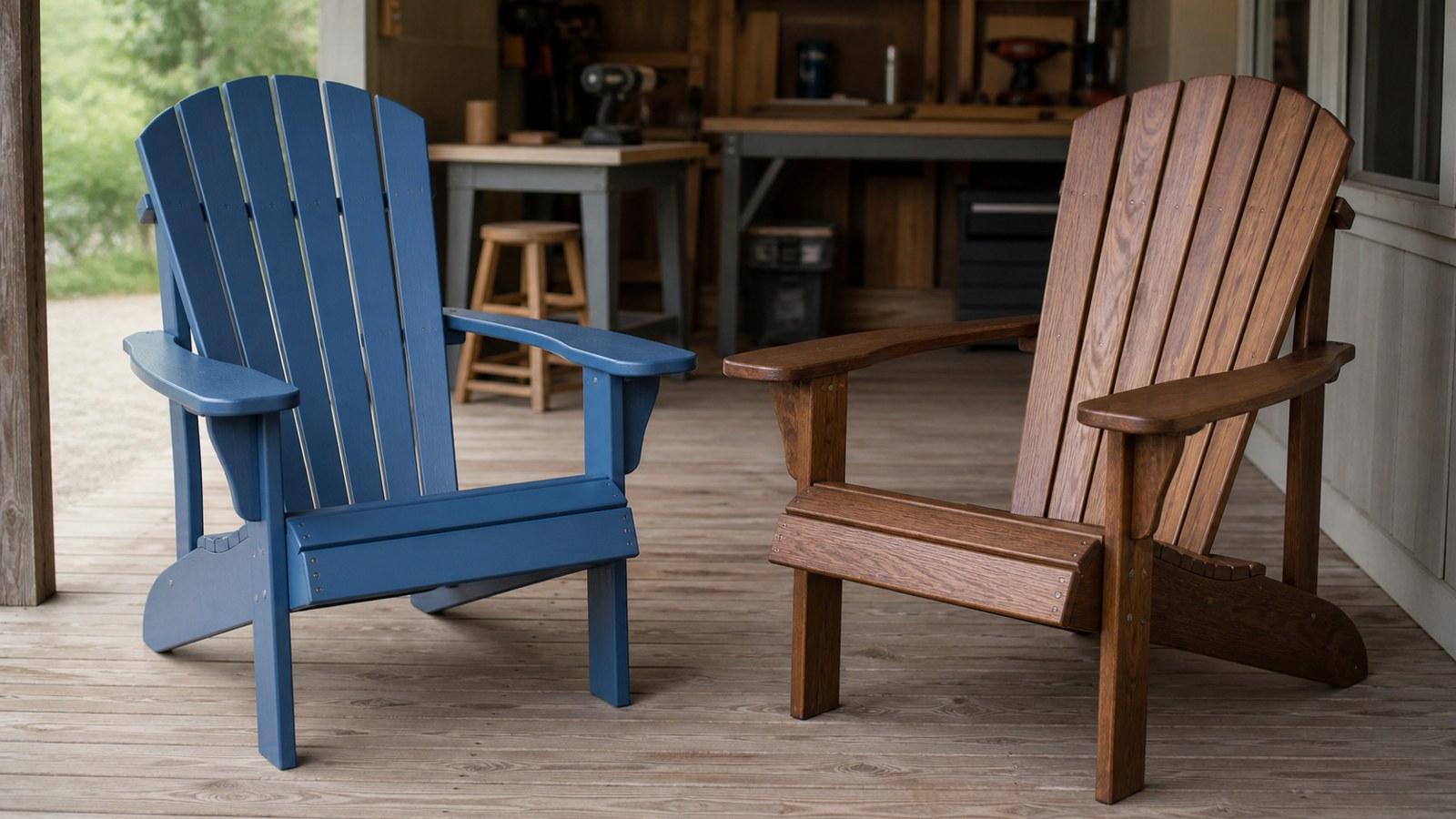
Adirondacks on a mountain-cabin porch can become part of the place’s familiar welcome: a bold painted pair beside weathered timber, or warm stained chairs that keep the grain visible against stone and forest. Choosing between those looks also involves the chair’s existing surface, the porch’s actual exposure, and the way the cabin is cared for between visits. A mountain setting is not one uniform climate, and a finish that suits one sheltered porch may need a different ownership plan elsewhere. Start with the wood and coating history, then decide what appearance you want and which compatible process you can maintain. The strongest choice connects the cabin’s character with practical furniture care, so the chairs remain understood useful seats rather than an attractive project left unfinished when the weekend ends.
A: Choose a compatible system around the actual chair, exposure, desired appearance, and manageable care rather than the setting label alone.
A: Opacity varies, so compare the actual products and supported samples.
A: Use a clear relationship with trim, a door, or another restrained accent without matching every surface.
A: Review each chair's actual condition and placement, which may differ even on one porch.
A: The surface history, compatible system, conditions, and required waiting stages must also fit the visit.
A: Keep its readiness status clear and follow the selected product's service requirements before use.
A: A deliberate arrangement can work through compatible proportions, placement, and a quiet surrounding palette.
A: Follow the supported system; additional product does not establish compatibility or correct an unclear surface.
A: Provide the exact products, work stages, readiness, condition information, and relevant care instructions.
A: Start with the documented wood, existing treatment, and condition before selecting another appearance or process.
Read the Actual Porch before Choosing a Finish Category
Look at where each chair will sit and how that position is exposed. A deep covered porch, a sunny deck extension, and a seat beside an open doorway can have different relationships with rain, sunlight, debris, and household movement. The word mountain does not identify those conditions. Review the product’s intended setting and the requirements of a proposed finish against the actual location. A finish decision becomes clearer when it describes the chair’s place at this cabin rather than an imagined typical retreat.
Notice whether the chairs remain outside between visits or are moved into suitable shelter. That routine affects access for inspection, cleaning, and any supported care. Include the people who carry out those tasks, especially when the cabin is shared among relatives or managed for guests. A product’s requirements should not depend on someone being present when the household has no such arrangement. The plan should fit the way the property is actually used.
Record the location separately for each chair if the pair does not share the same exposure. One may sit closer to the open edge while another stays farther beneath the roof. Similar color does not mean identical condition over time. Comparing the actual furniture during later visits can help identify what needs attention without imposing the same treatment on every seat. This is a useful ownership habit rather than a universal renewal schedule.
Decide Whether Grain or Color Should Lead the View
Paint can establish a clear color field across the broad arms and fan back, while a suitably transparent stain can preserve a visible relationship with the timber grain. Stain categories also vary in opacity, so the word stained does not always promise the same natural-looking result. Review samples of the actual compatible products. A deep blue painted chair may become the main accent against a quiet cabin wall, whereas an amber timber appearance may connect more closely with the porch boards. Either can suit the setting when it has a clear visual purpose. Choose the relationship you want before letting a general rustic-style label decide the product route.
Identify the Wood and Existing Surface First
Find the chair maker’s material and finish information when available. Bare wood, a factory-treated surface, a previous paint layer, and an uncertain secondhand finish can require different preparation and compatible products. Do not choose solely between attractive color samples without establishing the starting surface. The selected coating will meet what is already on the chair. Ask the relevant maker or coating specialist when its history cannot be understood from the records.
Inspect condition separately from appearance. A faded finish may be a surface-care question, while a loose connection or damaged member requires another response. Painting or staining should not conceal an unresolved furniture concern. Keep any questionable chair out of service while obtaining suitable advice. The refreshed cabin view should return through sound understood furniture, not through a decorative layer that makes its condition harder to see.
Compare Complete Product Systems, Not Two Broad Words
Paint and stain both contain many products with different purposes, preparation, and application requirements. Confirm that a selected system is suitable for the actual exterior wood furniture, substrate, and existing finish. Identify whether a primer, topcoat, or other component is required and retain their compatibility information. A product intended for another wood surface should not inherit furniture suitability from the same color family. The exact label and technical information should guide the comparison.
The Forest Products Laboratory’s wood-finishing chapter frames finish selection around appearance, protection, cleanability, and the wood’s properties. That supports looking beyond the desired color when choosing for a cabin chair. It does not supply one coating recommendation for every Adirondack or mountain porch. Use the actual furniture and coating information to establish the process for your project.
Ask how the selected finish is maintained or renewed after use. Some choices can involve different preparation when the surface later needs attention. Clarify the supported method rather than assuming that any stained chair accepts another stain or that any painted chair needs the same repainting sequence. Keep those future tasks alongside the initial appearance decision. A finish whose care route fits the household is easier to own than one chosen without understanding its next stage.
Make the Visit Schedule Part of the Project
A cabin weekend can contain arrival, cleaning, shopping, outdoor activities, and departure, leaving less working time than the calendar appears to offer. Read the preparation, application, drying, handling, and service-readiness requirements before promising a finished pair by Sunday. The weather conditions and available work space also need to support the selected process. Do not combine a general weekend-project idea with a product whose required stages extend beyond the visit. A realistic plan may involve preparing during one trip and completing supported work during another, or obtaining suitable local help. The chair should have a clear status and place to remain while any stage is unfinished.
Prepare a Work Area That Can Remain Available
Choose a location suited to the products and operations involved, following the relevant requirements for ventilation, protection, and surroundings. Keep the furniture work separate from ordinary use of the porch while treatment is underway. A place that must become the evening dining area may be inconvenient if the chair cannot yet move. Establish how the actual work and waiting stages will occupy the space. The setup should support careful completion rather than depend on a hurried change of plan.
Account for tools and supplies being brought to a property where replacements may be less convenient. Check that the selected system’s actual materials are available and suitable before the trip. Do not substitute an unrelated primer or cleaner simply because the intended one was forgotten at home. Keep the directions and relevant safety information with the supplies. A clear preparation record can reduce unnecessary travel and unsupported improvisation.
Follow the coating system’s requirements for the surface state before application. Cleaning or preparation may need a waiting period under suitable conditions. Recesses, arm ends, and underside areas should be included through supported furniture handling. The broad visible back is not the whole project. Plan access to those areas without casually dismantling the chair or treating every component as independent of the complete construction.
Make unfinished work clear to other cabin users. A chair with fresh attractive color may still be unavailable for sitting or accessories. Leave an understood arrangement and communicate which stages remain through the household’s normal care record. Guests should not need to guess from appearance whether a product is ready. This is especially useful when one group leaves before another arrives or when a local caretaker handles the return to use.
Apply the Finish through Its Actual Directions
Use the prescribed method, sequence, coverage, and intervals for the chosen system. Do not add extra layers simply because the cabin setting seems demanding. More product is not a substitute for the compatible process or appropriate conditions. Keep the furniture’s intended functions and required information clear as the surface work proceeds. If supported part removal is involved, restore it through the correct procedure rather than treating the color project as an opportunity for unplanned alterations.
Keep visual review connected to the complete surface. Broad arms, repeated slats, and reachable edges can show different effects from the small sample that guided the choice. Follow the product’s supported process when adjusting application, not an improvised treatment to chase exact uniformity. Wood grain can also contribute variation to a stained appearance. Decide what the system and material reasonably provide rather than expecting every member to become identical.
Allow Readiness before Restoring the Familiar Porch Scene
Follow the distinction between dry appearance, permitted handling, recoating, and service readiness where the chosen product makes it. A chair that looks finished may still need time and suitable conditions before cushions, sitting, or outdoor placement are appropriate. Read the current directions rather than borrowing timing from another finish. Restore the intended furniture configuration and review condition before use. The return to the porch should be the final supported stage of the process, not the moment that a pleasing photograph becomes possible. Keeping that sequence clear helps the new look become part of ordinary cabin life without an uncertain start.
Coordinate Chairs with the Cabin without Matching Everything
A painted chair can relate to a door, window trim, or another restrained accent rather than duplicate the wall color. A stained chair can connect with natural materials while retaining its own timber variation. Choose one or two clear relationships in the setting. The forest, stone, and cabin surfaces already offer considerable visual detail. The seating does not need additional strong colors in every nearby object to feel complete.
If a group combines painted and stained chairs, make the difference deliberate. Consistent placement, compatible furniture proportions, or a quiet accessory palette can provide continuity. Review the chairs from the approach to the cabin and the windows through which they are often seen. A near-match treated as identical may be less pleasing than an understood contrast. Let the individual finishes contribute to the setting without asking them to imitate each other.
Use cushions and companion objects only when they serve the sitting routine and suit their products. A decorative textile has its own care and storage needs, especially between visits. Keep that responsibility visible instead of assuming a covered porch removes it. The chair finish should still be enjoyable when accessories are indoors. A simple scene is easier to restore consistently after travel, cleaning, or a seasonal change.
Keep Cabin Furniture Records Where the Next Caregiver Can Find Them
Save the chair identity, wood and finish history, selected products, preparation, application dates, and relevant care instructions. Put the information where the responsible cabin users can access it when a question arises. The next maintenance decision should begin with the actual surface, not a guess based on its color. Shared ownership becomes easier when each person does not have to reconstruct what was done during another visit.
Painted and stained Adirondacks can each belong comfortably at a mountain cabin when their appearance and care fit the specific furniture and property. Establish the starting surface, choose a compatible system, and give the work enough suitable time before returning the chair to service. Then maintain the record and review condition through the actual ownership routine. The finish can support the cabin’s familiar character while remaining a practical choice for the people who use and care for it.