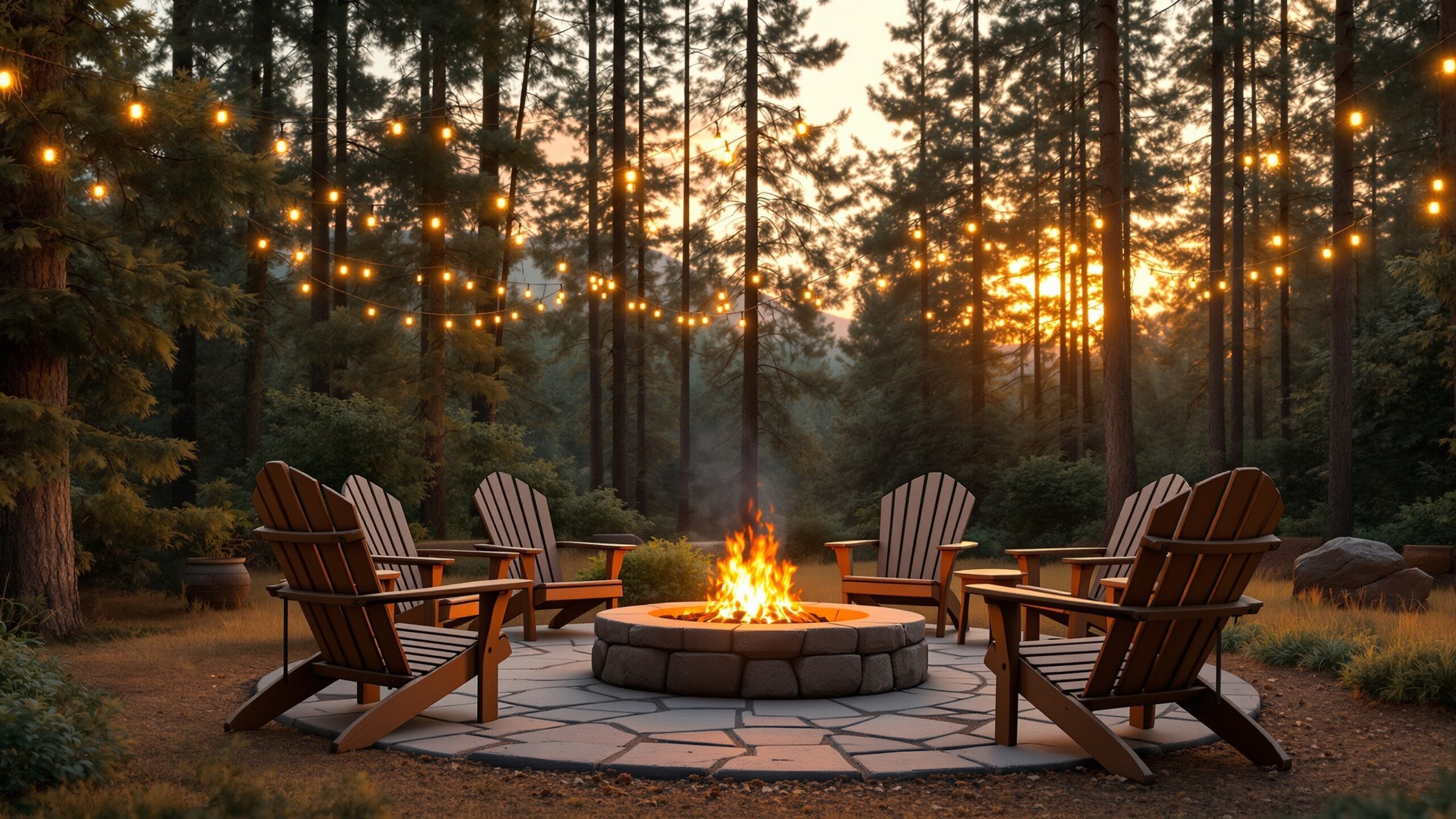
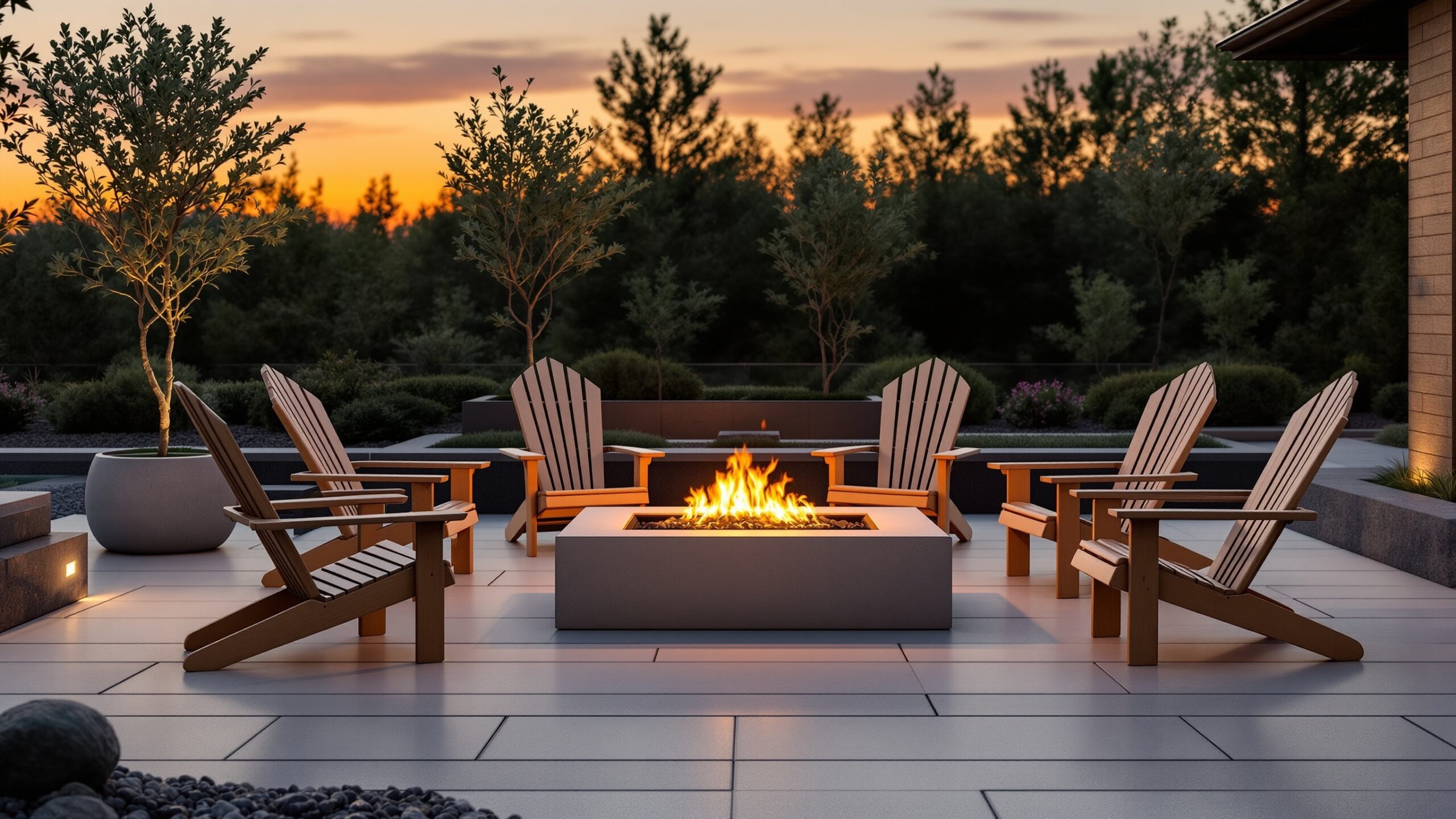
There is something timeless about gathering around a fire. The soft crackle of burning wood, the glow of embers against the night sky, and the relaxed rhythm of conversation all combine to create a space that feels both grounding and celebratory. When Adirondack chairs are part of that scene, the experience becomes even more inviting. Their wide arms, reclined posture, and unmistakable silhouette seem made for firepit living. Designing a backyard firepit setup that features Adirondack chairs is not just about placing seats around flames; it is about crafting a destination that encourages lingering, storytelling, and year-round enjoyment. This guide explores how to thoughtfully design backyard firepit setups featuring Adirondack chairs, blending comfort, safety, aesthetics, and practicality. Whether your outdoor space is expansive or compact, rustic or modern, these principles help turn a simple fire feature into the heart of your backyard.
A: Start around 5–7 feet, then adjust for heat output, wind, and comfort.
A: Stone/pavers or gravel are ideal—stable, tidy, and ember-friendly.
A: A 24–36" pit typically suits 4; a larger 36–48" pit can seat 6 with room to breathe.
A: Yes—use outdoor fabrics and keep them outside the spark zone; store them when the fire’s active.
A: Wood feels classic and aromatic; propane is cleaner, easier, and often better for quick weeknights.
A: Arrange seating with the wind in mind, use dry seasoned wood, and keep the fire hot rather than smoldering.
A: Add layered lighting (string + path) and one shared surface (tray table) for snacks and cocoa.
A: Define edges with planters/benches, add a rug-like gravel/paver pattern, and anchor with lighting overhead.
A: Side tables, a covered storage box for throws, and a simple tool set (poker/brush/ash scoop).
A: Keep a clear buffer zone, avoid overloading the fire, and stash textiles before the flame gets lively.
Why Adirondack Chairs and Firepits Are a Natural Pair
Adirondack chairs were designed with leisure in mind. Their angled backs and deep seats encourage relaxation, while wide armrests provide natural places for drinks, snacks, or folded blankets. When paired with a firepit, these chairs shine in their intended role: inviting people to sit back and stay awhile.
Firepits create a visual and emotional focal point outdoors. They offer warmth on cool evenings and extend the usable season of your backyard. Adirondack chairs naturally complement this purpose. Their sturdy build allows them to be placed close enough to feel the heat while remaining comfortable for extended periods. The pairing also carries a nostalgic charm, recalling campfires, lakeside retreats, and long summer nights spent outdoors.
From a design perspective, Adirondack chairs soften the hard lines of stone or metal firepits. Their sloped forms and generous proportions balance the structured geometry of circular or square pits, creating a harmonious layout that feels intentional yet relaxed.
Choosing the Right Firepit for Adirondack Seating
The firepit itself sets the tone for the entire setup. Wood-burning firepits deliver the classic crackle, aroma, and visual drama many people associate with outdoor fires. They work especially well in rustic or natural settings, where Adirondack chairs made of wood or weathered finishes feel at home. However, they require space for sparks, ash cleanup, and proper airflow.
Gas firepits offer convenience and cleaner operation. With the push of a button, you have consistent flames and controlled heat. These pits pair beautifully with modern or minimalist Adirondack chairs crafted from composite materials or sleek finishes. Gas firepits are also easier to integrate into patios and decks, provided local codes and clearances are met.
Portable fire bowls and tabletop fire features can work in smaller yards or flexible layouts. While they produce less heat, they still create ambiance and allow Adirondack chairs to serve as the primary comfort element. The key is matching the scale of the firepit to the size and number of chairs so the seating feels balanced rather than crowded or distant.
Positioning Adirondack Chairs Around the Fire
Placement is one of the most important factors in a successful firepit setup. Adirondack chairs typically require more room than upright chairs because of their reclined design. Allowing adequate spacing ensures comfort and safe movement around the fire. Arranging chairs in a gentle arc or full circle encourages conversation and equal access to warmth. For circular firepits, evenly spaced chairs reinforce symmetry and make the fire the visual anchor. Square or rectangular firepits often benefit from a looser arrangement, where chairs are angled slightly inward to soften sharp corners. Distance matters. Too close, and the heat becomes overwhelming; too far, and the fire loses its impact. A good rule of thumb is to place Adirondack chairs far enough away that the warmth feels pleasant without requiring constant shifting. This distance may change seasonally, so flexible placement or lightweight chairs can be advantageous.
Materials That Work Best Near Firepits
Adirondack chairs come in a wide range of materials, each with advantages in a firepit environment. Solid wood chairs, especially those made from cedar, teak, or eucalyptus, offer natural beauty and durability. These woods resist rot and insects, making them suitable for outdoor use. Regular maintenance, such as sealing or oiling, helps them withstand heat and exposure.
Composite and recycled plastic Adirondack chairs are increasingly popular for firepit setups. They resist moisture, fading, and cracking, and they do not require painting or staining. Their weight gives them stability, while their heat resistance makes them safe for placement near flames. These chairs are especially practical in high-use areas where durability matters.
Metal Adirondack-style chairs provide a modern edge but require careful consideration near fire. Metal can retain heat, so placement and design details matter. Cushions or slatted designs help reduce discomfort, and sufficient distance from the firepit is essential.
Color and Style Choices for Visual Harmony
Color plays a powerful role in how a firepit area feels. Traditional Adirondack colors like white, natural wood, or forest green evoke classic outdoor charm. These shades work beautifully in landscapes filled with greenery, stone, and wood.
Bolder colors, such as deep red, navy, or charcoal, can add personality and contrast. When paired with firelight, darker hues often appear richer and more dramatic. Lighter colors reflect firelight and create a softer, more airy atmosphere.
Coordinating chair color with surrounding elements helps create cohesion. Stone patios, gravel bases, wooden decks, and garden plantings all influence which colors feel most natural. The goal is not strict matching but a balanced palette that feels intentional.
Creating a Comfortable Base Underfoot
The surface beneath your firepit and Adirondack chairs affects both comfort and safety. Gravel and crushed stone are popular choices because they allow drainage and resist heat. They also create a casual, campfire-inspired aesthetic that pairs well with Adirondack seating. Stone pavers and concrete patios offer stability and a polished look. These surfaces work particularly well with gas firepits and modern chair styles. Ensuring the surface is level is crucial, as Adirondack chairs have wide footprints that need stable contact points. Wood decks require extra care. Fire-resistant mats, proper clearances, and code-compliant firepits are essential. When done correctly, a deck-based firepit setup can feel like an outdoor living room, with Adirondack chairs acting as the relaxed counterpart to sofas or benches.
Enhancing Comfort With Thoughtful Accessories
While Adirondack chairs are comfortable on their own, accessories elevate the experience. Outdoor cushions add softness and warmth, especially during cooler evenings. Choosing cushions made from weather-resistant fabrics ensures longevity and easy maintenance.
Throw blankets invite guests to stay longer as temperatures drop. Draped casually over chair backs or folded on armrests, they add texture and color while serving a practical purpose. Side tables placed between chairs provide spots for drinks, snacks, or lanterns without cluttering the seating area.
Low-profile footrests or ottomans can enhance relaxation, particularly for taller guests. When matched in material or color to the Adirondack chairs, they feel like natural extensions of the seating rather than afterthoughts.
Lighting That Complements the Fire
Fire provides light, but additional illumination improves safety and ambiance. Soft, indirect lighting works best around Adirondack chairs. Path lights, string lights, or subtle uplighting on nearby trees help define the space without overpowering the fire’s glow. Lanterns placed on the ground or on side tables add warmth and visual interest. Solar-powered options are especially convenient, requiring no wiring and minimal upkeep. The key is layering light sources so the area feels welcoming even when the fire is low or extinguished. Avoid harsh overhead lighting directly above the firepit. This can flatten the atmosphere and compete with the natural drama of flames. Instead, let the fire remain the star while other lights quietly support it.
Designing for Different Backyard Sizes
Large backyards allow for expansive firepit setups with multiple Adirondack chairs, benches, or even layered seating zones. In these spaces, the firepit can anchor a dedicated gathering area, separate from dining or lounging zones. Adding pathways or low walls helps define the space while maintaining flow.
Smaller yards benefit from thoughtful scaling. Compact firepits paired with two or four Adirondack chairs create intimacy rather than crowding. Folding or lightweight chairs offer flexibility, allowing the space to adapt to different occasions. Vertical elements, such as planters or trellises, draw the eye upward and make the area feel larger.
Urban patios and courtyards can still embrace the Adirondack-firepit pairing. Slim-profile chairs, corner fire features, or tabletop fire elements maintain the spirit of the setup without overwhelming limited square footage.
Seasonal Use and Year-Round Enjoyment
One of the greatest advantages of a firepit is its ability to extend outdoor living into cooler months. Adirondack chairs support this by providing comfortable seating that encourages layering with cushions and blankets. In autumn, warm-toned accessories and fallen leaves enhance the cozy atmosphere. In winter, firepits become gathering points for crisp evenings, provided surfaces are kept clear and chairs are weather-ready.
During warmer months, firepits shift from heat sources to ambiance features. Lower flames or decorative fire glass create visual interest without excessive warmth. Adirondack chairs remain useful for daytime lounging, reading, or sunbathing, making the area versatile across seasons.
Proper storage or protective covers help chairs last through changing weather. Many homeowners choose to leave Adirondack chairs out year-round, appreciating how they weather naturally and become part of the landscape.
Safety Considerations for Peace of Mind
Safety is essential when combining seating and fire. Adequate clearance between chairs and flames reduces risk and discomfort. Firepits should sit on non-combustible surfaces, and local regulations should always be followed. Choosing chairs made from fire-resistant or slow-burning materials adds an extra layer of reassurance. Regularly inspecting firepits for cracks, leaks, or debris ensures safe operation. Having a bucket of water or fire extinguisher nearby is a simple precaution that supports responsible enjoyment. Clear pathways around the firepit help prevent trips or accidental contact with hot surfaces. This is especially important when entertaining guests who may be unfamiliar with the layout.
Blending Adirondack Chairs With Landscaping
Landscaping frames the firepit experience. Low shrubs, ornamental grasses, and flowering plants soften hard edges and create a sense of enclosure without blocking views or airflow. Adirondack chairs look especially striking when set against natural backdrops, such as stone walls, wood fences, or dense greenery.
Incorporating natural materials, like logs or boulders, reinforces the campfire feel. For more refined settings, manicured hedges or raised planters add structure while maintaining warmth. The goal is to make the firepit area feel like an extension of the landscape rather than an isolated feature.
Seasonal plantings introduce variety and keep the area visually engaging throughout the year. Evergreen plants ensure the space remains inviting even in colder months.
Entertaining Around the Fire
Backyard firepit setups featuring Adirondack chairs are ideal for entertaining. The relaxed seating encourages casual conversation and makes guests feel at ease. Unlike formal dining arrangements, Adirondack chairs signal that there is no rush, inviting people to settle in and enjoy the moment. Hosting becomes simpler when the setup is intuitive. Guests naturally gravitate toward the fire, choosing seats that feel comfortable without needing direction. Adding a few extra chairs or stools allows the space to expand organically as people arrive. For larger gatherings, pairing Adirondack chairs with benches or built-in seating increases capacity while maintaining the laid-back vibe. The mix of seating options adds visual interest and accommodates different preferences.
The Emotional Impact of Firepit Living
Beyond design and functionality, there is an emotional dimension to firepit spaces. Fire has a unique ability to draw people together, quiet distractions, and encourage connection. Adirondack chairs, with their relaxed posture and welcoming form, amplify this effect.
Spending time around a fire can become a ritual, marking the end of the day or the start of meaningful conversations. Over time, the firepit area often becomes the most cherished part of a backyard, associated with memories, laughter, and reflection.
This emotional resonance is why thoughtful design matters. When chairs are comfortable, the fire is well-placed, and the surroundings feel intentional, the space supports moments that linger long after the flames die down.
Maintaining the Look and Feel Over Time
Maintenance ensures your firepit setup remains inviting year after year. Cleaning chairs periodically removes soot, pollen, and debris. Wood chairs benefit from occasional refinishing, while composite chairs require little more than washing. Firepits should be cleared of ash and inspected regularly. Keeping the area tidy reinforces the sense of care and makes the space more appealing for spontaneous use. Small touches, like rearranging chairs or updating accessories, refresh the setup without major investment. Allowing some natural aging is part of the charm. Adirondack chairs that develop a patina or subtle wear often feel more authentic and lived-in, enhancing the overall character of the space.
Bringing It All Together
Backyard firepit setups featuring Adirondack chairs succeed when comfort, safety, and style work together. The chairs provide relaxed seating that encourages people to linger, while the firepit offers warmth and a focal point that draws everyone in. Thoughtful placement, durable materials, and complementary accessories transform these elements into a cohesive outdoor retreat.
Whether your vision leans rustic, modern, or somewhere in between, the combination of Adirondack chairs and a firepit adapts beautifully. With careful design and a focus on how the space will be used, your backyard can become a place where evenings stretch longer, seasons blend together, and the simple pleasure of sitting by the fire feels endlessly rewarding.
In the end, the best firepit setup is not measured by size or cost but by how often it is used and how it makes people feel. Adirondack chairs, paired with the timeless draw of fire, help create spaces that invite connection, comfort, and lasting memories—right in your own backyard.